80s Penny Candy: The 15 Sweets Every Kid Bought at the Corner Store
80s Penny Candy: The 15 Sweets Every Kid Bought at the Corner Store
80s penny candy represents a golden age of variety, innovation, and nostalgic indulgence that defines childhood memories for millions of Americans. Here at Nostalgic Eats, we have spent years documenting exactly why these memories run so deep. Penny candy from the 80s combined the affordability that made penny candy from the 60s and 70s beloved with innovative new products that captured the imagination of 1980s children. The corner store was the destination, and 80s penny candy was the treasure. Walking into a corner store with quarters and dimes in hand, children faced an overwhelming array of choices: colorful wrappers, unusual shapes, novelty items, and classic standbys. Penny candy from the 80’s offered something for every taste and preference, from sour candies to fruity treats, from wax novelties to traditional hard candies. The 1980s marked a pivotal moment in penny candy history when manufacturers began introducing more interactive, playful, and innovative treats that appealed to children’s desire for entertainment alongside simple indulgence. This comprehensive list explores the 15 essential 80s penny candy items that defined the 1980s corner store experience and remain icons of childhood nostalgia today.
The 15 Essential 80s Penny Candy Items
1. Ring Pops
Ring Pops represent one of the most iconic 80s penny candy items, combining candy with wearable novelty that appealed perfectly to 1980s children. These gem-shaped hard candies mounted on plastic rings allowed kids to wear their candy while eating it — a concept that seemed revolutionary at the time. Penny candy from the 80s embraced interactive products, and Ring Pops exemplified this trend. Available in multiple colors and flavors (cherry, watermelon, grape, blue raspberry), Ring Pops became status symbols among elementary school children. Kids compared their Ring Pop colors at school and bragged about their flavor preferences. The combination of candy and toy made 80s penny candy more exciting than simple treats. Ring Pops remain in production today, proving the enduring appeal of this 80s penny candy classic.
2. Bubble Tape
Bubble Tape revolutionized penny candy from the 80s by offering gum in an unusual dispenser format — a tape that unwound from a container. This innovative 80s penny candy product combined functionality with novelty, allowing kids to select exactly how much gum they wanted. The plastic reels with colorful labels featured Bubble Tape branding prominently, and collecting different flavors (cherry, watermelon, sour apple) became a pursuit for many children. The unique format made Bubble Tape one of the most distinctive 80s penny candy items. Kids proudly displayed their Bubble Tape containers on desks and traded them with friends. The novelty factor contributed significantly to Bubble Tape’s popularity among penny candy from the 80’s enthusiasts.
3. Fun Dip
Fun Dip represented the ultimate interactive 80s penny candy experience, combining flavored powder with an edible applicator stick. Kids dipped the stick into powder and licked it repeatedly, extracting maximum enjoyment from the minimal product. Penny candy from the 80s often featured these interactive elements that transformed candy consumption into play. Fun Dip came in multiple flavor combinations (cherry-grape, tropical punch-watermelon, blue raspberry-cherry), and the colorful packaging made it visually appealing. The sensation of licking the sweet powder created a unique sensory experience that distinguished 80s penny candy from simpler candies. Fun Dip remains available today as a nostalgia item, appealing to both original consumers and new generations discovering this 80s penny candy classic.
4. Wax Lips
Wax lips represent one of the quirkiest 80s penny candy items, offering novelty rather than serious taste appeal. These waxy red lips allowed children to wear candy on their mouths, creating silly appearances and humor. Penny candy from the 80s embraced absurdity and play, and wax lips embodied this philosophy perfectly. Kids would put on their wax lips and make faces at friends, deriving entertainment from the novelty itself. After the novelty wore off, the actual flavor was mediocre — but that wasn’t really the point. The tradition of wax novelty candy actually stretches back much further, and the story of old-fashioned wax bottle candy from the 1950s shows just how long wax candy has captured children’s imaginations. 80s penny candy frequently prioritized entertainment value over taste, and wax lips exemplified this approach. The humor and silliness associated with wax lips made them popular despite minimal actual candy quality.
5. Tootsie Rolls
Tootsie Rolls remained consistent bestsellers in 80s penny candy selections, continuing the tradition that began with the first wrapped penny candy in America in 1896. These chocolate-flavored taffy rolls offered simplicity and reliability, a classic choice that complemented the novelty items appearing on 80s penny candy shelves. Penny candy from the 80s included both innovative new products and tried-and-true classics like Tootsie Rolls. The chewy texture and mild chocolate flavor made Tootsie Rolls accessible to children with various taste preferences. Many kids developed strong brand loyalty to Tootsie Rolls, selecting them consistently during corner store visits. The continued popularity of Tootsie Rolls demonstrates how 80s penny candy balanced innovation with tradition.
6. Lollipops
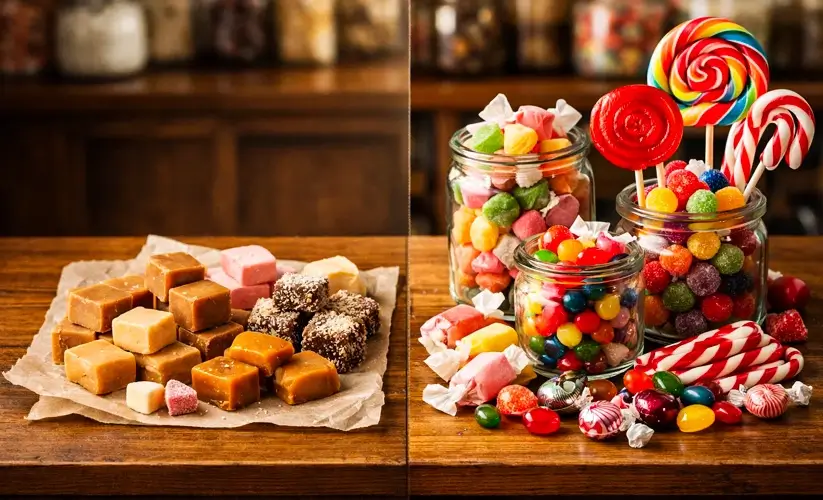
Lollipops remained essential 80s penny candy staples, available in countless varieties, colors, and flavors. Penny candy from the 80s featured lollipops from multiple manufacturers, including Dum Dums, Tootsie Pops, Charms, and generic varieties. The bright colors, extended enjoyment time (compared to hard candies that dissolved quickly), and satisfying visual appeal made lollipops consistently popular choices. Kids collected different flavors and compared their lollipops with friends. The stick also served practical purposes for young consumers — no sticky hands from loose candy. 80s penny candy rarely included a store visit where children didn’t at least consider purchasing lollipops. The enduring popularity of lollipops across penny candy from the 60s and 70s, through the 80s, and into contemporary times demonstrates their universal appeal.
7. Sour Straws
Sour straws represented the 80s penny candy trend toward more adventurous, intense flavors that appealed to older children seeking excitement beyond traditional sweets. These thin, sour-dusted licorice straws provided extreme sourness that challenged children’s taste buds and created social bonding around who could handle the most intense sourness. Penny candy from the 80s frequently featured sour products that represented a shift toward more sophisticated flavor profiles. Sour straws had playful names and aggressive marketing that appealed to the 1980s aesthetic. Kids bought them to prove toughness and compare sour tolerance with friends. The social dimension of sour candy consumption made it more significant than simple taste enjoyment.
8. Laffy Taffy
Laffy Taffy represented 80s penny candy that combined reliable taste with quirky branding and novelty elements. These banana-flavored or assorted-flavor taffy pieces featured jokes printed on wrappers, creating additional entertainment value beyond taste. Penny candy from the 80s often included these extra elements — jokes, games, collectibles — that transformed candy consumption into more comprehensive play experiences. Kids would read the jokes and laugh (or groan), creating social interaction around the candy. Multiple flavors in assorted packs allowed collectors to pursue complete sets. The combination of taste, novelty, and humor made Laffy Taffy quintessential 80s penny candy.
9. Rock Candy
Rock candy represented one of the simplest 80s penny candy items, yet it retained popularity through its visual appeal and crystalline texture. Penny candy from the 80s included these colorful sugar crystals on sticks, which delighted children through their appearance and the satisfying crunch when eaten. Rock candy demonstrated that 80s penny candy didn’t require complexity or innovation — sometimes simple crystallized sugar sufficed. The bright colors and geometric crystal structure created visual interest that complemented the novelty items on 80s penny candy shelves. Kids enjoyed the extended eating time as the rock candy slowly dissolved, creating prolonged satisfaction from minimal actual candy.
10. Dum Dums
Dum Dums represented the assorted hard candy option essential to 80s penny candy selections. These small, colorful lollipops came in numerous flavors and were priced affordably enough for multiple purchases with limited pocket money. Penny candy from the 80s included Dum Dums in virtually every corner store, making them a reliable constant in the changing landscape of novelty items. Kids collected different flavors and sorted them by preference. The individual wrappers with flavor identification allowed kids to select specific tastes or trade duplicates with friends. Dum Dums’ continued popularity demonstrates the enduring appeal of simple, affordable candy.
11. Charms
Charms represented another fundamental 80s penny candy item — round, flat hard candies in numerous flavors and colors. Penny candy from the 80s included Charms as a basic option for children seeking straightforward, reliable sweets. The small size and low cost made multiple purchases feasible with pocket money. Kids frequently bought Charms in assorted packs, organizing and sorting them by flavor and color. Some children established elaborate trading systems to exchange duplicates for preferred flavors. The social aspects of Charms collecting paralleled other penny candy from the 80s collecting behaviors.
12. Licorice Twists
Licorice twists represented 80s penny candy’s inclusion of textured, chewy options beyond hard candies. These twisted red or black licorice pieces offered extended eating time and distinctive texture that appealed to kids seeking variety. Penny candy from the 80s featured multiple licorice varieties (straight pieces, twists, braided forms), allowing children to explore licorice options. The strong flavor made licorice polarizing — kids either loved or disliked it — creating opportunities for trading and exchanges based on preference. 80s penny candy frequently included items that divided opinions, creating social interaction and trading opportunities.
13. Atomic Fire Balls
Atomic Fire Balls represented the 80s penny candy trend toward intense, challenging flavors that appealed to competitive children and those seeking extreme taste experiences. These cinnamon-hot hard candies created burning sensations that kids endured and compared with friends, creating social games around heat tolerance. Penny candy from the 80s increasingly included products designed to create challenges and social interaction. Kids would dare each other to eat Atomic Fire Balls and compare reactions. The novelty combined with heat made these candies memorable and distinctive in the 80s penny candy landscape.
14. Pop Rocks
Pop Rocks represented one of the most distinctive 80s penny candy items, featuring the novel sensation of popping candies that seemed to explode on the tongue. Penny candy from the 80s included Pop Rocks despite urban legends about their danger, which actually increased curiosity and appeal among children. The unique sensation created by the carbonated candy created memorable experiences that kids recounted and discussed. Pop Rocks became iconic 80s penny candy despite — or perhaps because of — their controversial reputation. The legend that Pop Rocks could cause stomach explosions made them seem dangerously exciting to children.
15. Penny Gumballs
Penny gumballs represented the most affordable 80s penny candy option, often available from vending machines for a single penny or available loose in bins at stores. Penny candy from the 80s included these small gumballs in assorted colors and flavors, allowing maximum purchasing power for minimal money. Kids could accumulate numerous pieces for pocket change, creating the satisfying feeling of purchasing abundance. The large quantity available for small prices made gumballs popular choices for children with limited funds. The variety of colors and flavors created collecting and sorting opportunities. Gumballs represented 80s penny candy at its most democratic — accessible to children regardless of pocket money amount.
What Made 80s Penny Candy Different
80s penny candy distinguished itself from penny candy from the 50s, 60s and 70s through emphasis on novelty, interactivity, and entertainment value. While earlier penny candy focused primarily on taste and affordability, 80s penny candy incorporated play elements, jokes, collectibles, and interactive components. Penny candy from the 80s reflected broader 1980s cultural trends toward entertainment, novelty, and conspicuous consumption. Children wanted candy that did something interesting or created social opportunities, not just candy that tasted good. This shift influenced manufacturers to develop more innovative products beyond traditional hard candies and taffy. The result was the diverse, exciting assortment that defined 80s penny candy corner store experiences.
The Corner Store Experience
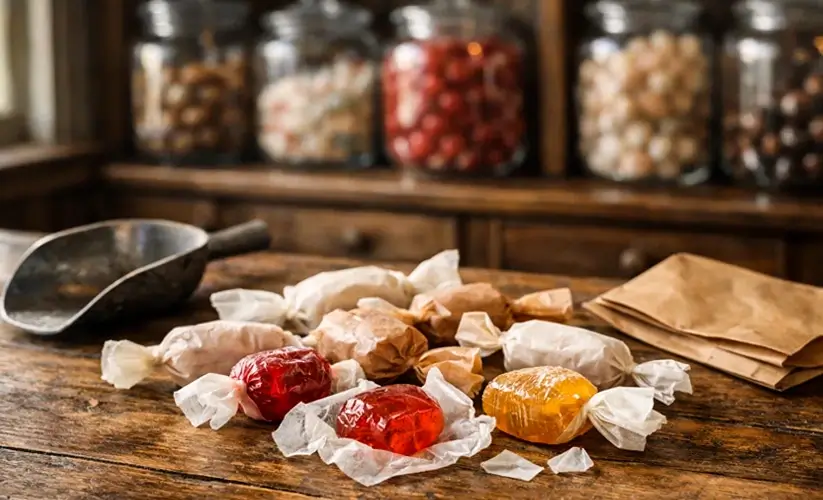
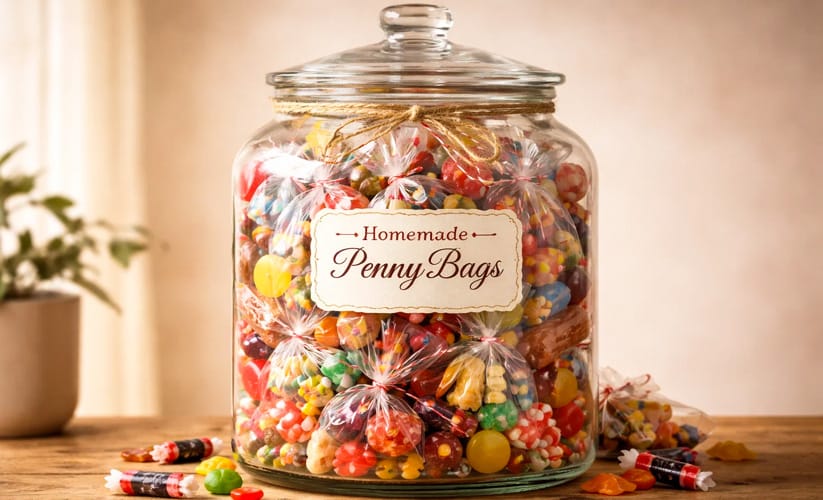
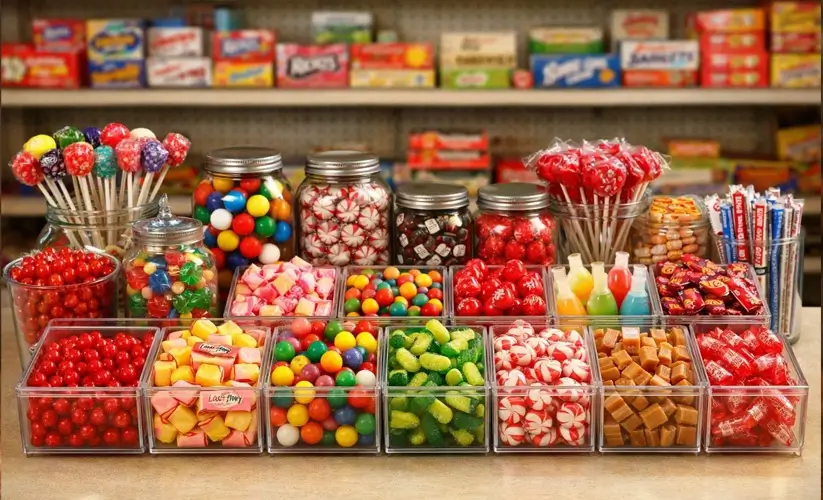
The corner store represented the sacred retail space where 80s penny candy reigned supreme. These neighborhood establishments remained gathering points for children, places where they made independent purchasing decisions with their limited resources. Penny candy from the 80s was displayed prominently, often in the 2-gallon glass jars that had defined penny candy retail since the 1950s. The visual abundance of colorful wrappers and distinctive packaging created decision paralysis for young shoppers. Corner store clerks knew their regular young customers’ preferences and often offered recommendations or advice. The social aspects of corner store visits — discussing choices with friends, comparing purchases, trading items — extended beyond mere commodity acquisition to genuine community ritual. 80s penny candy corner store visits represented formative childhood experiences that created lasting nostalgic associations.
The Economics of 80s Penny Candy
While still called “penny candy,” 80s penny candy typically cost nickels, dimes, or quarters depending on specific items. Inflation gradually increased prices throughout the 1980s, eventually making single-penny purchases obsolete. Penny candy from the 80s offered remarkable price diversity, allowing children with varying pocket money amounts to make purchases. A child with a single dime faced different options than one with a quarter, creating strategic purchasing decisions. Some items remained available in multiple price points — a single Tootsie Roll cost less than an elaborate novelty item. This pricing diversity made 80s penny candy accessible to children with different financial resources while maintaining the fundamental affordability principle that defined penny candy culture. If you want to bring this experience back today, our homemade penny candy jar mix recipe lets you recreate that glass jar experience right at home.
Frequently Asked Questions
Q1: What made 80s penny candy different from penny candy from the 60s and 70s?
80s penny candy introduced more innovative and novelty items compared to penny candy from the 60s and 70s. Penny candy from the 80s featured products like Ring Pops, Bubble Tape, and Fun Dip that appealed to 1980s children’s desire for interactive and playful treats alongside traditional sweets.
Q2: Are 80s penny candy items still available today?
Many 80s penny candy items remain in production, including Ring Pops, Bubble Tape, Fun Dip, and wax lips. Penny candy from the 80s classics continue to sell well, though often at higher prices than the single-penny or nickel rates of the 1980s era. These nostalgic treats remain popular with both original consumers and new generations.
Q3: Why is 80s penny candy so nostalgic?
80s penny candy represents a specific era of childhood, corner store culture, and affordable indulgence. Penny candy from the 80s connects adults to cherished memories of neighborhood commerce, friendship, and simple pleasures. The unique products and branding of 80s penny candy creates powerful nostalgic associations. For a deeper look at the full history behind this tradition, our complete guide to old-fashioned penny candy covers everything from the 1800s right through the modern era.
Q4: How much did 80s penny candy actually cost?
While called “penny candy,” 80s penny candy typically cost nickels, dimes, or quarters depending on the specific item. Some items remained single-penny while others had increased to five cents or more as inflation affected pricing throughout the 1980s. Penny candy from the 80s offered remarkable variety across price points.
Q5: What were the most popular 80s penny candy items?
The most iconic 80s penny candy items included Ring Pops, Bubble Tape, Fun Dip, wax lips, Tootsie Rolls, lollipops, licorice, sour straws, rock candy, and laffy taffy. Penny candy from the 80s featured both classic items from earlier decades and innovative new products that defined the era.
Conclusion
80s penny candy represents a distinctive era in American candy history when affordability met innovation, creating an unprecedented variety of treats that defined childhood experiences for millions. Penny candy from the 80s combined the accessibility that made penny candy from the 60s and 70s popular with new, interactive products that captured the unique spirit of 1980s culture. These 15 essential items represent the diversity and creativity that made corner store visits exciting, allowing children to exercise choice, develop preferences, and engage in social rituals around candy selection and consumption.
The enduring nostalgia surrounding 80s penny candy demonstrates its cultural significance beyond simple commercial products. Penny candy from the 80s represents more than sugar and packaging — it represents specific moments in childhood, friendships formed in corner stores, the autonomy of independent purchasing, and the simple pleasure of affordable indulgence. Ring Pops, Bubble Tape, Fun Dip, and wax lips remain instantly recognizable to generations who grew up with them, triggering immediate nostalgic memories and emotional responses.
Today, 80s penny candy items continue to sell, both as nostalgia purchases by adults reliving childhood and as discoveries by new generations finding these retro treats for the first time. The corner store experience that defined penny candy from the 80s has largely disappeared — and if you want to understand exactly why, our piece on whatever happened to penny candy tells the full story of how economics and retail change ended an era. Yet the memory of 80s penny candy persists, keeping alive the experience of browsing options, making independent choices, and sharing discoveries with friends. If you want to see what those corner store moments actually looked like, this vintage candy footage brings the era back to life in a way that words alone cannot. Whether you’re tagging childhood friends in this list or introducing your own children to these 80s penny candy classics, the power of these simple treats to create connection and memory remains undiminished. 80s penny candy represents more than historical curiosity — it represents an irreplaceable chapter in American childhood and consumer culture that continues to resonate across generations.