Harvard Beets Recipe: Easy Sweet and Tangy Side Dish
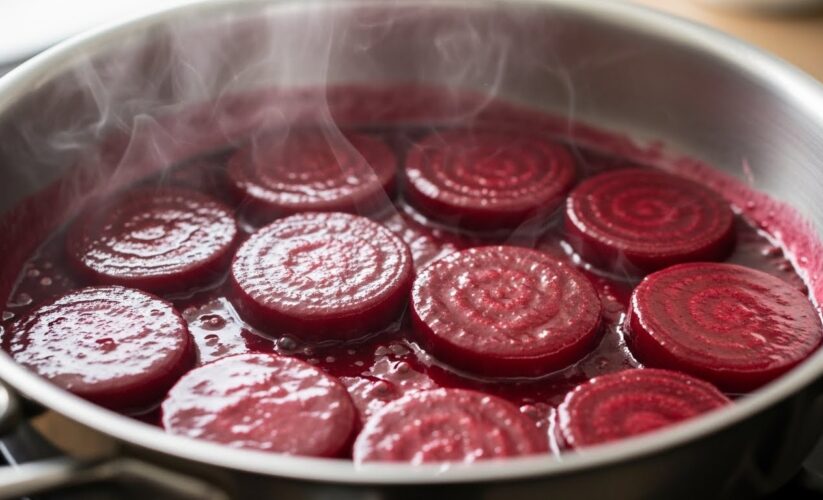
The smell of vinegar and sugar simmering together, turning into a glossy crimson glaze—that’s how you know harvard beets are on their way. This classic New England side dish transforms humble root vegetables into something elegant enough for holiday tables. Named for their deep crimson color that matched Harvard University’s school hue back in the 1800s, these beets balance sweet and tangy flavors in a way that makes even beet skeptics take a second helping.
Recipe Quick Stats
Harvard Beets: At-a-Glance
Ingredients You’ll Need
Main Ingredients:
- 3 cups cooked, peeled, and sliced beets (1½ pounds fresh or 2 15-oz cans, drained)
- ½ cup sugar
- ¼ cup white vinegar
- 2 tablespoons cornstarch
- ¼ cup water
- 2 tablespoons butter
- ½ teaspoon salt
How to Make Harvard Beets Recipe
Preparing Fresh Beets (Skip if Using Canned)
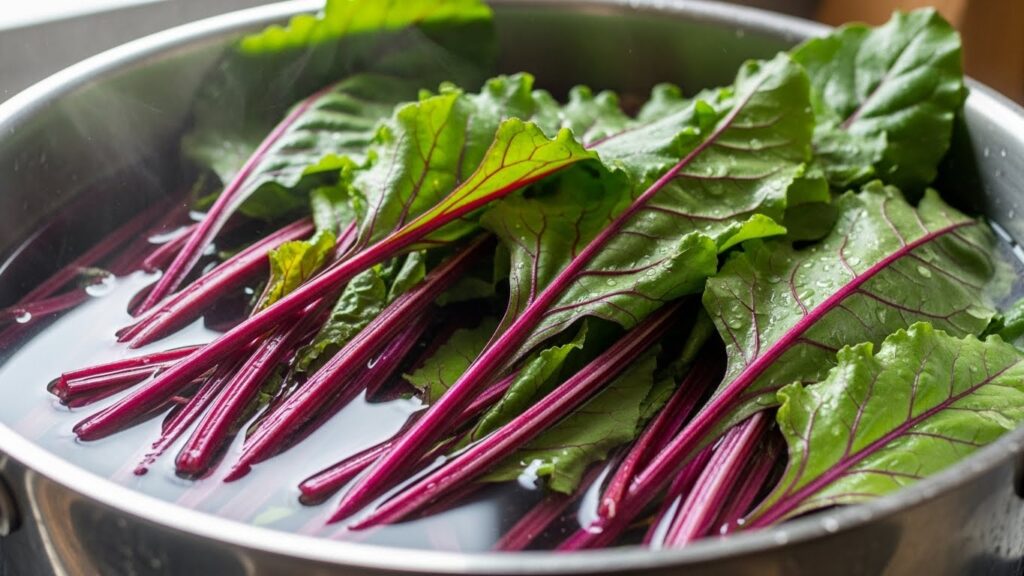
Step 1: Trim beet tops leaving 1 inch of stems to prevent bleeding while cooking. Wash thoroughly. Place in a large pot, cover with water, and boil until tender when pierced with a fork, 30-40 minutes. When cool enough to handle, peel and slice into ¼-inch rounds.
Making the Sauce
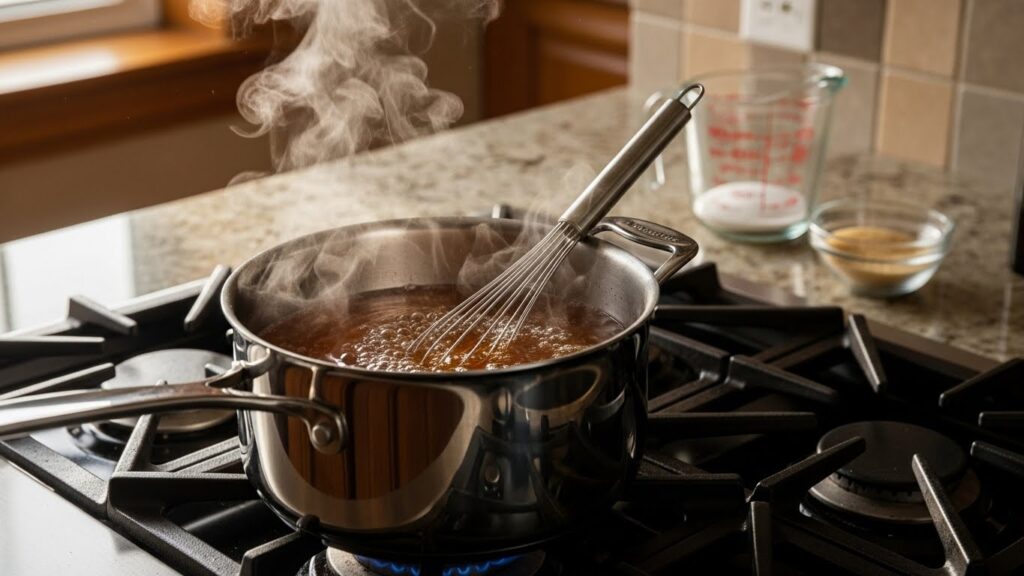
Step 2: In a saucepan, combine sugar and vinegar. Bring to a simmer over medium heat, stirring until sugar dissolves. The kitchen will fill with a sharp, sweet aroma.

Step 3: In a small bowl, mix cornstarch with water until completely smooth with no lumps.

Step 4: Slowly add the cornstarch mixture to the simmering vinegar mixture, stirring constantly with a whisk. Watch as the sauce transforms from cloudy to clear and glossy, about 2 minutes. The consistency should coat the back of a spoon thickly.
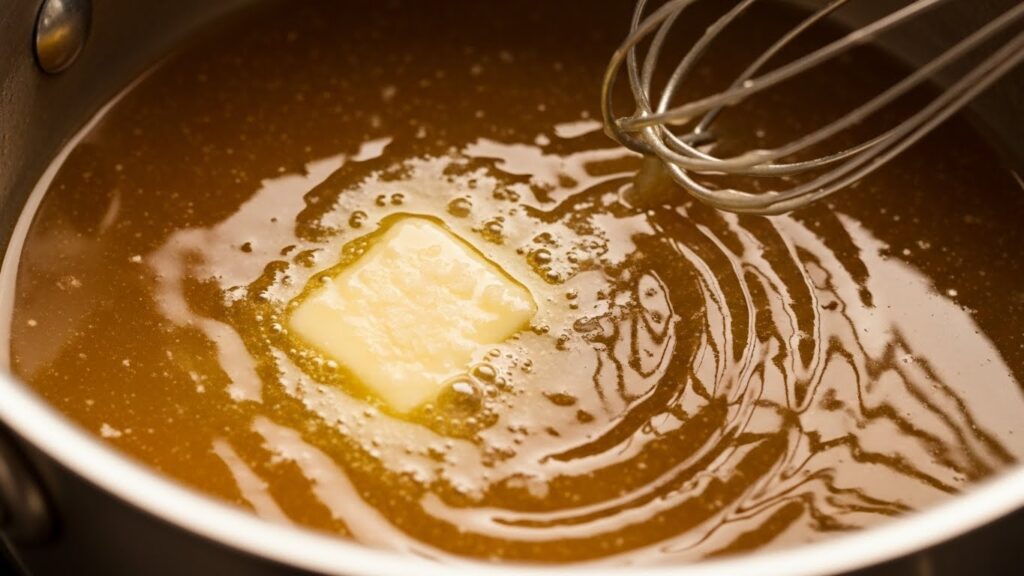
Step 5: Add butter and salt, stirring until butter melts completely. The sauce will become silky and shiny.
Step 6: Add sliced beets to the sauce and heat through for 3-5 minutes, gently stirring to coat each piece. The deep ruby color of the beets will deepen even more. Serve hot, letting the glossy sauce pool slightly around each serving.

Why This Is an Easy Harvard Beets Recipe
Unlike many vegetable sides that require multiple steps or precise timing, harvard beets are remarkably forgiving. The sauce comes together in one pan using pantry staples. If you can stir and measure, you can make this successfully. Using canned beets shortens the process to just 20 minutes total—perfect for weeknight dinners when you want something more interesting than steamed vegetables but don’t have an hour to spend. The make-ahead nature means you can prepare this days in advance for holidays, removing stress from busy cooking days.
The Secret to Perfect Sauce
The glossy, clingy sauce is what makes this dish special. Three things matter most:
Temperature control: Keep the heat at medium. Too high and the cornstarch breaks down, leaving you with thin sauce.
Timing: Don’t boil the sauce after adding cornstarch or it will thin out again. Just simmer gently until thickened.
The butter finish: Adding butter at the end creates that restaurant-quality shine and rich mouthfeel.
Harvard Beets with Canned Beets
Short on time? Canned beets work beautifully. Drain two 15-oz cans thoroughly, make the sauce, add the beets, and heat through. Total time: 20 minutes. The texture won’t be quite as firm as fresh beets, but the flavor is nearly identical—and nobody at dinner will know the difference. This shortcut makes harvard beets accessible any night of the week, not just when you have time to boil fresh beets.
Simple Recipe Tips
1: For subtle warmth, add a small cinnamon stick to the simmering sauce. Remove it before adding the beets. The hint of spice deepens the flavor without announcing itself.
2: Mix the cornstarch slurry completely smooth before adding it. Even tiny lumps will create a grainy sauce that can’t be fixed.
3: When cooking fresh beets, leave about 1 inch of stem attached. Cut closer and the beets will “bleed” their color into the cooking water instead of staying vibrant.
Mistake to Avoid: Never add the beets to boiling sauce. The temperature shock can cause them to break apart. Let the sauce simmer down first.
Can You Make Harvard Beets Ahead of Time?
Not only can you, but you should. Harvard beets actually improve overnight as the sauce penetrates the beets completely. Make them up to 3 days ahead, refrigerate, and reheat gently before serving. This makes holiday meal prep significantly easier—one less dish to juggle on the big day. The beets will absorb more sauce as they sit, intensifying the sweet-sour flavor and creating an even better result than serving them immediately.
Old Fashioned Harvard Beets: A New England Classic
This recipe represents traditional New England cooking at its best. Before modern convenience foods, cooks relied on root vegetables that stored well through winter. Beets kept in cool cellars remained firm for months, making them available when fresh vegetables weren’t. The sweet-sour preparation method elevated them from everyday fare to something special enough for Sunday dinners and holiday tables. This cooking style—combining humble ingredients with simple techniques to create elegant results—defines the resourcefulness of early American home cooking.
Perfect Pairings
The sweet-sour profile cuts through rich proteins beautifully. Serve these alongside roasted turkey, baked ham, or pot roast where the tangy glaze provides contrast to savory, fatty meat. The sauce also complements starchy sides—the combination works particularly well with creamy dishes like our corn pudding, where the beets’ acidity balances the corn’s sweetness. For a complete New England dinner, serve with pot roast, boiled potatoes, and fresh slices of our classic white bread for soaking up the delicious sauce.
Serving Suggestions
Serve harvard beets hot in a shallow serving dish that shows off their glossy crimson color. The visual impact matters—these beets should look as good as they taste. Spoon some of the extra sauce over the top so guests can see that shiny glaze. For individual plating, arrange 4-5 slices per person with sauce pooled around them. The deep ruby color contrasts beautifully with white plates and pairs visually with green vegetables or golden starches.
Storage and Reheating
Store leftovers in an airtight container in the refrigerator for up to 5 days. The sauce will thicken considerably when cold—this is normal. To reheat, transfer to a saucepan and warm gently over low heat, stirring occasionally. Add 1-2 tablespoons of water if needed to restore the proper consistency. The microwave works in a pinch but can create hot spots; if using it, stir every 30 seconds and add a splash of water before heating.
Harvard Beets Without Cornstarch
If you need to avoid cornstarch, reduce the sauce by simmering longer until it becomes syrupy, about 5-7 additional minutes. Watch carefully and stir frequently to prevent scorching. Alternatively, use 1 tablespoon of all-purpose flour mixed with 2 tablespoons cold water. The sauce won’t achieve that same glassy sheen that makes harvard beets so distinctive, but the flavor remains authentic. Another option is arrowroot powder used in the same proportion as cornstarch—it creates a similar glossy finish.
Frequently Asked Questions
1. Can I use apple cider vinegar instead of white vinegar?
Yes, though it will give a slightly different flavor profile with more fruity notes. The sweet-sour balance remains intact. White vinegar provides the cleanest, sharpest tang, while apple cider vinegar adds subtle complexity.
2. How do I prevent beet stains?
Wear disposable gloves when handling cooked beets. Clean cutting boards and utensils immediately with lemon juice or vinegar to lift stains before they set. Beet juice stains are notoriously stubborn on porous surfaces and hands.
3. Can I reduce the sugar?
Start with ⅓ cup and taste before serving. The sauce should balance sweet and tangy—too little sugar and it becomes harshly sour. You can always add more sugar, but you can’t remove it once added.
4. What size beets work best?
Medium beets (2-3 inches diameter) cook most evenly and slice uniformly. Larger beets take significantly longer to cook through and may have woody centers. Smaller beets are fine but require more peeling work.
5. Can I freeze harvard beets?
The texture softens slightly when frozen, but they’re still good for up to 3 months in an airtight container. Thaw overnight in the refrigerator and reheat gently. The sauce may separate slightly but will come back together when stirred over heat.
6. Are harvard beets served hot or cold?
Traditionally served hot, though they’re also delicious at room temperature. Some people enjoy leftover harvard beets cold straight from the refrigerator, especially during summer. The flavors are most vibrant when warmed, but cold beets make a tangy addition to salads.
7. Why is my sauce not thickening?
The most common cause is not cooking it long enough after adding the cornstarch mixture. It needs a full 2 minutes of simmering to activate properly. If the heat is too low, it won’t thicken. If you’ve already boiled it hard after thickening, the cornstarch may have broken down—start the sauce over in this case.
A Note from Author
Harvard beets represent elegant simplicity—transforming humble vegetables into something special through technique and balance. These recipes connect us to generations of home cooks who made the most of what they had, creating memorable meals from ordinary ingredients. For more vintage American recipes and the stories behind them, visit our Vintage Life of USA YouTube channel.
Conclusion
This sweet and sour side dish proves that simple ingredients—beets, sugar, vinegar, and butter—can create something memorable when combined properly. Whether you use fresh beets for special occasions or reach for canned beets on busy weeknights, the glossy sauce and balanced flavor make this a standout on any table. The forgiving nature of the recipe means even first-time cooks will succeed, while the elegant presentation makes it suitable for holiday dinners. Make a batch this weekend and discover why this 1800s New England classic has remained popular for over a century.
Ready to try this colorful classic? The ruby-red sauce and sweet-tangy flavor will surprise anyone who thinks they don’t like beets. Find more traditional recipes at NostalgicEats.com!