
The Complete American Story of Penny Candy
Penny candy isn’t just a product—it’s a cultural phenomenon that shaped American childhoods for over a century. From small-town general stores in the 1800s to the iconic glass jars that lined corner store counters during the golden age of the 1950s–80s, penny candy represented something profound: the democratization of joy, affordable accessibility for every child regardless of wealth, and the anchor of neighborhood community life.
This complete guide explores the full story of penny candy in America. Whether you’re seeking to understand the history, recapture nostalgic memories, or simply explore a uniquely American tradition, this resource provides everything you need to know—plus links to detailed guides, recipes, and decade-specific memories.
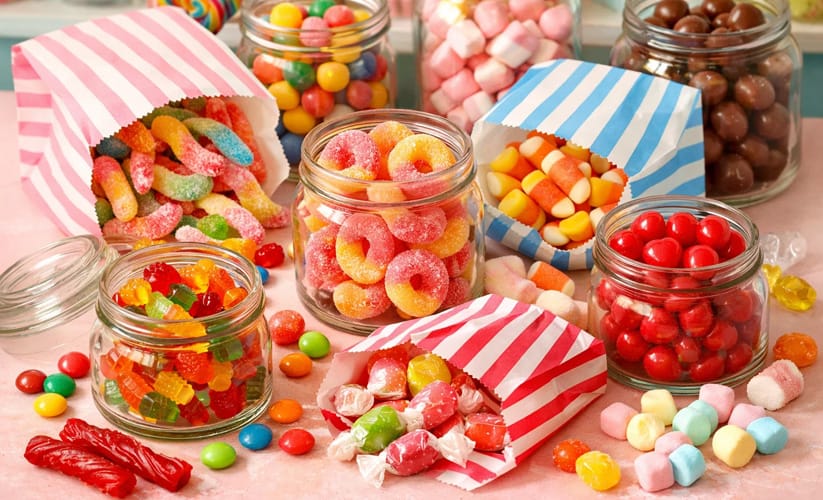
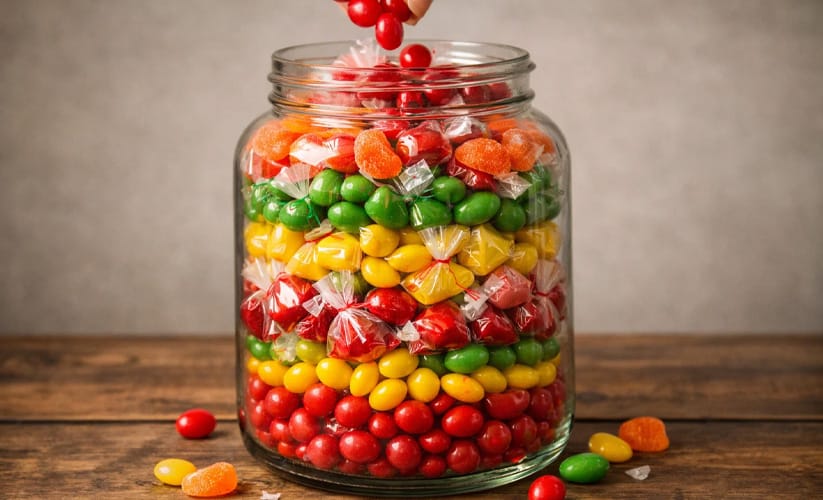
The Origins of Penny Candy (1800s–Early 1900s)
Candy wasn’t always cheap. Through the 1700s and early 1800s, candy was a luxury item—expensive, handmade, limited to wealthy families. Everything changed in the 1830s when industrial candy production and refined sugar distribution transformed candy from luxury to commodity.
By the 1850s, kids with a single penny could purchase a treat from general stores. But the true revolution came in 1896 when Leo Hirschfeld invented the Tootsie Roll—the first individually-wrapped penny candy in America. Learn the full story of this groundbreaking candy.
Individual wrapping solved multiple problems: improved hygiene, enabled mass distribution, and simplified transactions. This innovation established the template for penny candy as we know it. By the early 1900s, dedicated candy shops were appearing in American towns, featuring beautiful displays and community gathering spaces where kids could exercise purchasing autonomy.
The Golden Era—1950s Through 1980s
The 1950s through 1980s represented the absolute peak of penny candy culture. This era established the iconic image most people associate with penny candy: the corner store with a glass-jar display, the friendly shopkeeper who knew every kid by name, and careful purchasing decisions made with limited pocket money.
The 1950s: Simplicity and Tradition
Post-war prosperity created new neighborhoods and strong communities. The corner store became the retail anchor. 1950s penny candy emphasized simplicity: Tootsie Rolls, Necco Wafers, licorice sticks, lollipops, taffy, and wax bottles. Prices ranged from 1–5 cents per piece. A nickel represented genuine wealth—enough to purchase five items or create a personalized assortment. Explore detailed 1950s penny candy memories and products.
The 1960s: Innovation and Novelty
The 1960s introduced novelty candies. Pop Rocks appeared (late 60s), candy necklaces became wearable, lollipops came in unusual shapes, and Pixie Stix delivered pure powdered sugar. Manufacturers realized kids wanted experiences, not just taste.
The 1970s: Boldness and Extremes
The 1970s took everything bolder. Atomic Fireballs challenged heat tolerance, Laffy Taffy included jokes on wrappers, Runts offered unusual textures, and Bubble Gum Tapes came in dispensers. However, inflation—particularly the sugar price crisis of the mid-1970s—made true penny economics impossible. What cost a penny in 1960 now cost 5–10 cents in 1975.
The 1980s: Collectibility and Play
The 1980s transformed candy into toys and status symbols. Ring Pops were wearable jewelry, Bubble Tape came in a tape-dispenser package, Fun Dip included an edible stick, and Nerds became tradeable currency. See the complete list of 1980s penny candy favorites.
The Corner Store Culture
A typical 1950s–70s corner store was a small, family-owned business on nearly every neighborhood block. The candy display was the visual centerpiece—glass jars arranged on shelves, colorful and prominent. The shopkeeper knew every kid by name and remembered their preferences.
A corner store visit followed a specific ritual: approaching the counter slowly, studying jars carefully (this could take 5–10 minutes), making strategic purchasing decisions, and emerging with a bag of sweets that felt like treasure. The shopkeeper might extend credit to trusted families or throw in an extra piece as a gesture of kindness. This personalization was crucial—transactions weren’t algorithmic; they were human and specific.
Why Penny Candy Disappeared
Penny candy didn’t disappear overnight—it declined gradually through the 1980s, largely vanished by the 1990s. Four interconnected factors caused this decline:
Corporate Preference: Supermarkets preferred pre-packaged branded candy over bulk jars—less labor, better margins, and higher profit per square foot.
Regulatory Changes: Modern food safety regulations made bulk candy displays economically challenging. Consumer expectations shifted toward packaged, labeled products.
Discover the full investigative story of whatever happened to penny candy.
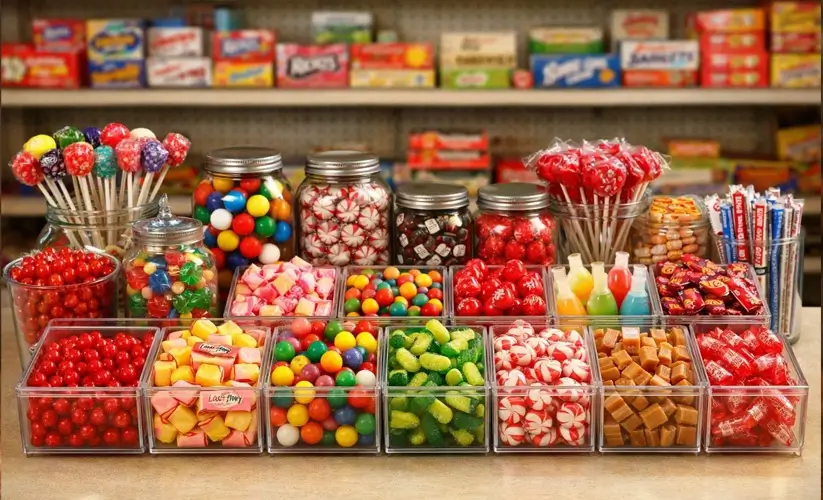
What Penny Candy Represented
When people ask “Whatever happened to penny candy?” they’re asking about more than economics. They’re asking about a kind of America that no longer exists:
- Democratic access: A penny was accessible across class lines. Every child could participate equally.
- Community retail: Corner stores were locally owned, locally controlled, and locally embedded.
- Autonomous decisions: Kids made their own purchasing choices, exercising real agency.
- Personal relationships: The shopkeeper-customer relationship was human and specific.
- Simple business model: A shop owner with modest capital could open a store and build wealth.
Modern Penny Candy
Penny candy hasn’t completely disappeared. Modern “penny candy” is primarily found in specialty retailers and online shops that position it as nostalgic/retro product. Modern retro candy typically costs 25–50 cents per piece—premium nostalgia rather than affordable treat. Compare British penny sweets with American penny candy and discover how the two traditions differed.
Movie theaters remain a context where bulk candy is available (though at theatrical prices). Some American neighborhoods are experiencing modest corner store revival as young people return to urban centers. Online retailers have created a market for vintage penny candy, enabling customers to control their assortments and relive the experience—albeit through mail delivery rather than neighborhood access.
Create Your Own Penny Candy
The best way to recapture penny candy nostalgia is to make it yourself. We offer several classic recipes:
- 1950s Homemade Penny Candy Recipe — Master traditional taffy and hard candies
- Homemade Wax Bottle Candy (1950s Recipe) — Recreate this beloved classic
- Homemade Penny Candy Jar Mix Recipe — Fill your own 2-gallon jar with assorted homemade treats
These recipes capture the authentic flavors and experiences of penny candy’s golden era while allowing you to customize selections and share with family and friends.
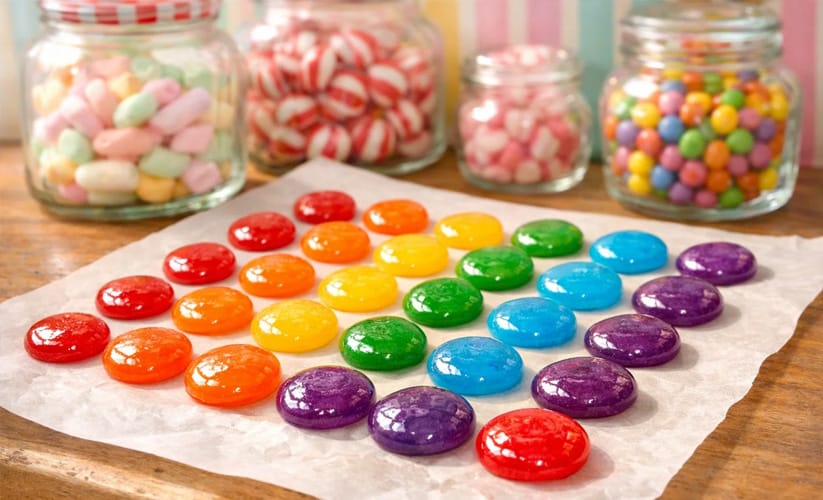
The Enduring American Story
Penny candy was never just about candy. It represented accessibility, community, childhood autonomy, and a kind of America that existed for roughly a century—from the 1890s through the 1990s. During that century, penny candy meant that joy, pleasure, and choice weren’t limited by wealth or status. Every kid with one penny could experience genuine joy.
The enduring nostalgia for penny candy reveals our deep hunger for accessibility, community, and authenticity—for a version of America where joy was affordable, community was neighborhood-centered, and childhood included real agency and choice. Whether or not penny candy literally returns, the yearning it represents remains vital and real.
Explore the guides above to dive deeper into each era, discover recipes to recreate these classic treats, or watch vintage candy content on YouTube to see penny candy from America’s golden era.
Frequently Asked Questions (FAQs)

What is penny candy?
Inexpensive, individually-wrapped candies sold for just a penny or a few cents, popular from the 1800s through the 1980s. These treats represented democratic, affordable joy accessible to every child with pocket money.
What was the first wrapped penny candy?
The Tootsie Roll (1896) was the first individually-wrapped penny candy in America, revolutionizing the industry through enabling mass production and distribution.
When was the golden age?
The 1950s–1980s, with peak popularity during the 1950s–70s, when corner stores on nearly every block featured iconic glass jars of colorful sweets.
Why did it disappear?
Inflation, retail consolidation, corporate preference for pre-packaged goods, and modern regulatory requirements made bulk penny candy economically unsustainable by the 1990s.
Can I still find penny candy?
Yes, through specialty retailers, online shops, and some independent sweet shops—though modern “retro candy” costs 25–50 cents, reflecting inflation and premium nostalgic positioning.