Bacon Grease Sandwich: A Depression-Era Testament to Resourcefulness
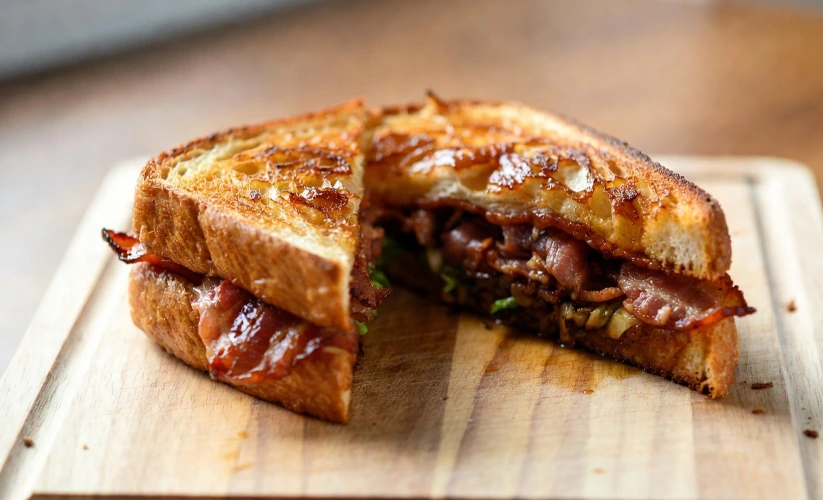
Bacon Grease Sandwich – A Testament to Making Something from Nothing
This Depression-era sandwich emerged when bacon itself was a luxury most families couldn’t afford, but the precious grease was carefully saved in a tin by the stove, treated as the valuable commodity it truly was. Mothers spread warm bacon grease on bread, and the rendered fat carried all the smoky, salty flavor of bacon without the cost, providing satisfaction and nourishment in ways that seemed almost miraculous to hungry children. The taste was unmistakably there—rich, smoky, and deeply savory—even though actual bacon was absent from the sandwich. Farm families who raised hogs knew this sandwich well, stretching every single bit of the animal through hard times and understanding that nothing valuable should ever be wasted.
What began as necessity and frugality became a taste some never forgot, a flavor memory so powerful that those who grew up eating bacon grease sandwiches still crave them decades later. This sandwich stands as perhaps the purest example of Depression-era cooking: complete satisfaction derived from the most humble materials, transformed through understanding and care into something genuinely delicious.
Bacon Grease Sandwich: Quick Reference
Ingredients You’ll Need
For the Sandwich:
You’ll need 2 slices of white bread or homemade bread, 2-3 tablespoons of bacon grease that’s slightly warm and soft, a pinch of salt (optional), and a pinch of black pepper (optional). The quality and freshness of the bacon grease matters more than anything else in this recipe—it should smell distinctly smoky and appetizing, carrying the unmistakable aroma of rendered pork fat.
Optional Additions:
Some families enjoyed adding a tiny crumble of crispy bacon bits if they had them, though this addition moves away from the classic Depression-era version. Others preferred their sandwiches with just a whisper of salt and pepper, while some added nothing at all, letting the bacon grease’s natural flavor speak for itself. A few modern variations include adding sliced tomato or lettuce, though these additions change the sandwich’s fundamental character.
Understanding Bacon Grease Sandwich: History and Heritage
To understand the bacon grease sandwich is to understand not just an era but a mindset—a approach to cooking and eating that viewed every component of every ingredient as precious and worthy of careful use. This sandwich represents Depression-era resourcefulness at its most essential, stripped of any pretense, serving as a direct window into how Americans survived when money disappeared and food became uncertain.
How to Make Bacon Grease Sandwich
While this recipe requires absolutely no cooking, the specific steps matter and determine whether your sandwich reaches its full potential.
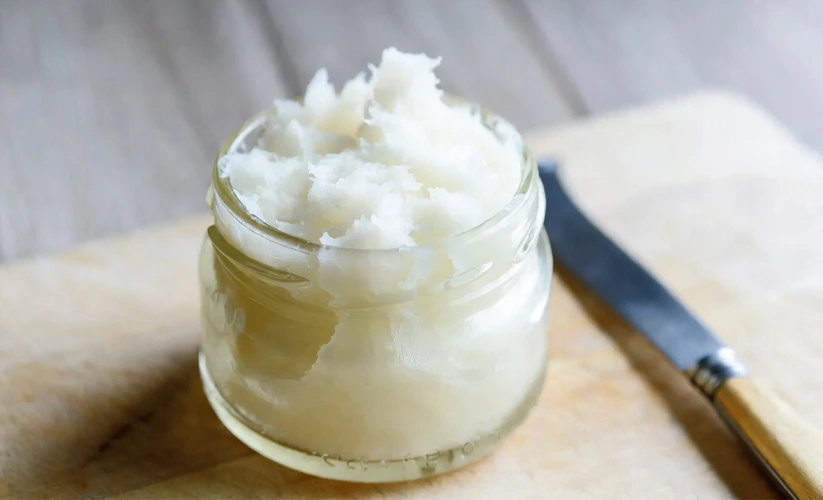
Step 1: Prepare Your Bacon Grease
Remove the bacon grease from its storage container and let it soften slightly at room temperature until it reaches a spreadable consistency but isn’t liquid. If your bacon grease has been refrigerated or stored in a cool place, it will be solidified and too firm to spread smoothly. Room temperature is essential—the fat should yield to your knife but maintain enough structure that it coats the bread rather than immediately soaking through. If you need to speed up this process slightly, you can hold the container in your hands for a moment, using your body heat to warm it gently.
Step 2: Lay Out Your Bread
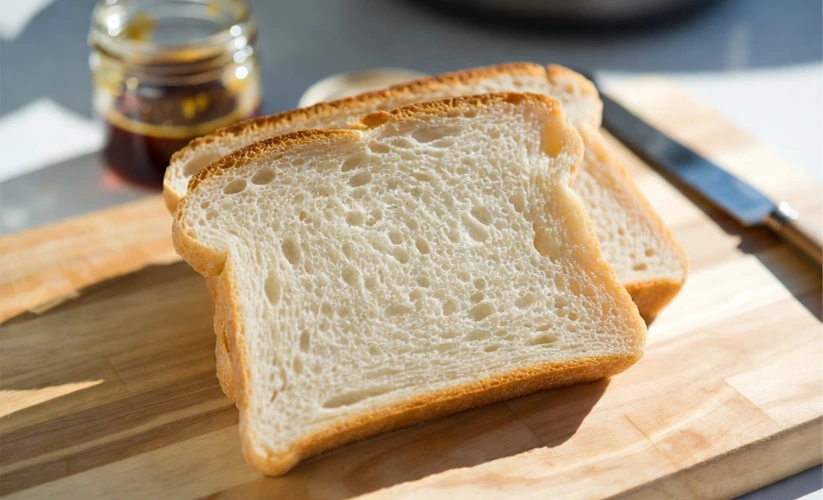
Lay out the two slices of bread on a clean work surface. Use fresh bread if possible—whether store-bought white bread, homemade bread, or any bread you prefer. The bread should be soft enough to accept the grease easily but structured enough to hold together as a sandwich. Day-old bread can work, though fresh bread accepts the grease more pleasantly.
Step 3: Spread the Bacon Grease
Using a butter knife, spread a generous layer of bacon grease on one slice of bread, covering it edge to edge. Don’t be shy with the grease—this is where the flavor comes from. Apply enough so that every bite of bread will have adequate fat distributed throughout. The layer should be visibly generous, with the grease creating a smooth, even coating across the bread’s surface.

Step 4: Add Seasoning (Optional)
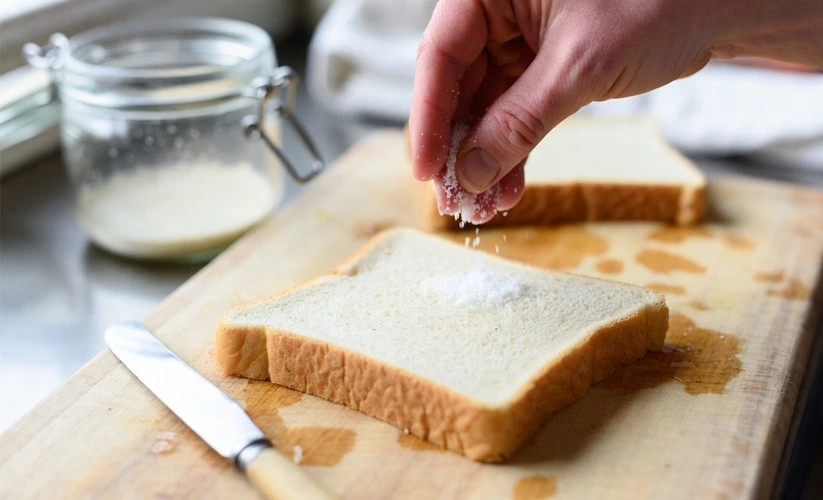
If desired, sprinkle a tiny pinch of salt over the greased surface. Salt heightens bacon flavor and creates additional depth. However, bacon grease already contains considerable salt, so go easy—just the merest whisper of additional salt if you want it. Some people prefer no additional salt at all, letting the bacon grease’s natural saltiness be sufficient.
Step 5: Add Black Pepper (Optional)
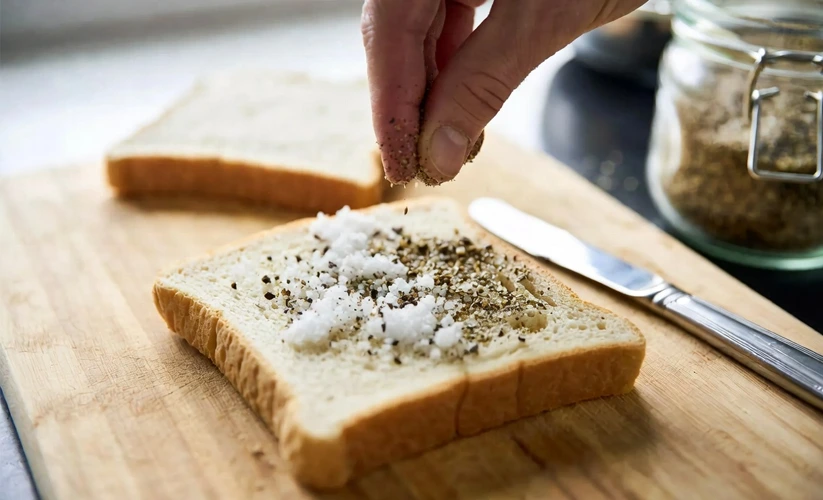
Add a pinch of black pepper if you like extra flavor. Freshly cracked pepper works beautifully with bacon grease, adding a subtle spice that complements the smokiness. Again, just a light dusting—enough for flavor, not enough to be prominent. Some people prefer their sandwiches with no additions, letting the bacon grease speak for itself.
Step 6: Assemble the Sandwich
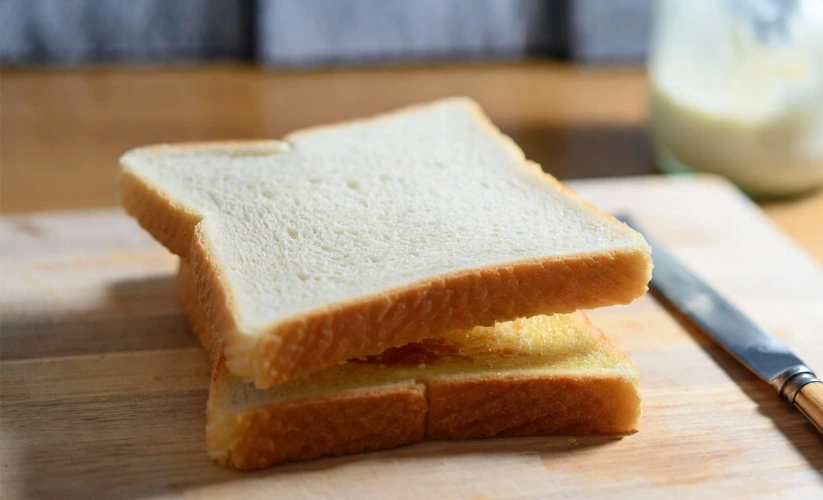
Place the second slice of bread on top to form a sandwich. The grease-covered slice should be on the bottom, with the plain slice of bread on top. You can have the grease-side facing up if you prefer, though traditional preparation often had the grease on the inside where it wouldn’t transfer to your hands while eating.
Step 7: Press Gently
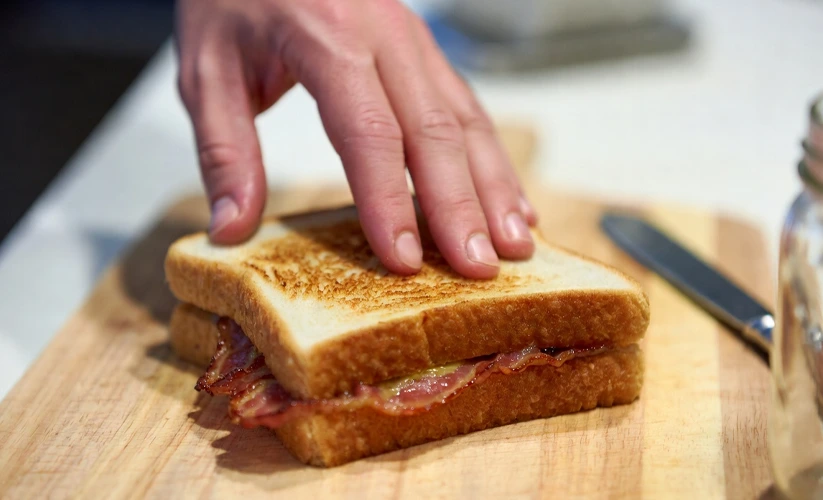
Press down gently so the slices stick together. This isn’t forceful compression—just enough pressure to ensure the sandwich holds as a unified unit. The grease acts partially as an adhesive, helping the slices bond slightly.
Step 8: Cut and Serve
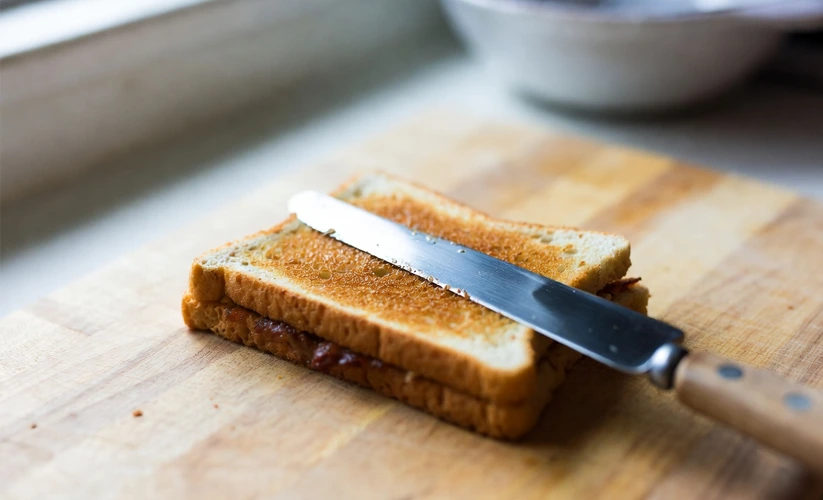
Cut diagonally if desired, though this is optional. Some people find the diagonal cut makes the sandwich easier to handle and creates a more appealing presentation. Others prefer eating it whole. Serve immediately while the bacon grease is still soft and flavorful.
Pro Tips for Perfect Bacon Grease Sandwich
Temperature Is Everything
The bacon grease should be soft enough to spread easily but not so warm that it soaks through the bread immediately. Room temperature or slightly warm is perfect. If your grease is too cold, it will tear the bread and refuse to spread smoothly. If it’s too hot, it will soak right through, creating an unpleasantly soggy sandwich. The ideal consistency is when the grease yields easily to knife pressure but maintains enough structure to coat rather than penetrate.
Use Fresh Bacon Grease
The quality and freshness of your bacon grease matters enormously. Fresh bacon grease smells distinctly smoky and appetizing. Old grease that’s been stored too long may develop off-flavors or rancidity. If your bacon grease smells anything other than pleasant and smoky, don’t use it. Using questionable grease will make your sandwich unpleasant. Always use grease you’re confident is fresh and properly stored.
Store Bacon Grease Properly
Keep your bacon grease in a covered container in a cool place—traditionally, a tin kept by the stove worked perfectly because it allowed grease to solidify while staying accessible. Modern kitchens might use the refrigerator, though this will solidify the grease completely and require warming before use. Some people keep a small amount at room temperature for regular use and store larger quantities in the refrigerator for longer-term storage.
Choose Quality Bread
The bread you use matters. Fresh, soft bread accepts the grease pleasantly and creates a more enjoyable eating experience. Hard, stale bread will tear or crumble when you try to spread grease on it. For best results, use bread you genuinely enjoy eating, as it will be the primary flavor component outside of the grease itself.
Don’t Overcomplicate
The beauty of this sandwich lies in its simplicity. Resist the urge to add too many additional ingredients. Let the bacon grease be the star. If you want to add salt and pepper, fine—but keep additions minimal. This sandwich’s power comes from its purity, from the way a single ingredient transforms simple bread into something satisfying.
Eat Immediately
The ideal moment to eat your bacon grease sandwich is immediately after assembly. As the sandwich sits, the grease gradually soaks into the bread and solidifies, changing the texture and reducing the eating experience. For maximum enjoyment, assemble and eat right away while the grease is still soft and flavorful.
Presentation and Ritual
Set your sandwich on a proper plate rather than eating it directly from the cutting board. Take a moment to appreciate what you’re eating and the history it represents. This simple ritual honors the generations who created and sustained this recipe through difficult times. Pour yourself a glass of cold milk or prepare a cup of hot coffee to accompany your sandwich, making it a small, intentional experience rather than rushed fuel.
Easy Variations to Try
With Crispy Bacon Bits
If you happen to have crispy bacon or bacon bits available, crumble some and add it to your sandwich. This transforms the dish from pure grease to something containing actual bacon, moving it away from the classic Depression-era version but creating something heartier and more substantial for modern palates.
With Salt and Pepper
Some people enjoy a generous sprinkling of freshly cracked black pepper on their bacon grease sandwich, creating additional flavor complexity. Others prefer their sandwiches with just a whisper of salt and nothing else. Experiment to find your preference.
With Tomato
A thin slice of fresh tomato between the grease and the top bread slice adds acidity and freshness that complements the rich, smoky grease. This variation bridges the classic Depression-era sandwich with more modern sensibilities about balanced meals.
With Lettuce
Some people enjoy adding crisp lettuce or other greens, creating additional texture and nutritional value. This moves away from traditional preparation but creates a more complete sandwich by modern standards.
With Onion
A paper-thin slice of sharp onion adds bite and complexity without overwhelming the bacon grease flavor. This subtle addition works well for those who enjoy more layered flavors.
With Hot Sauce or Condiments
A tiny bit of vinegar-based hot sauce or mustard can complement bacon grease nicely, adding additional flavor dimensions. Keep additions minimal so the grease remains the primary flavor.
Frequently Asked Questions
What is a bacon grease sandwich?
A bacon grease sandwich is simply two slices of bread spread with bacon grease—rendered pork fat infused with smoky, salty flavor. It’s a Depression-era and farm tradition that represents resourcefulness and the ability to create satisfaction from humble ingredients.
Why did people eat bacon grease sandwiches?
People ate bacon grease sandwiches primarily because bacon grease was available and affordable when actual meat was scarce or nonexistent. The grease carried bacon’s flavor, providing the taste of meat without the cost. Farm families made them as a practical use of abundant rendered fat. The combination was genuinely satisfying and delicious.
Is bacon grease sandwich safe to eat?
Yes, bacon grease sandwich is completely safe to eat when made with fresh, properly stored bacon grease. Rendered pork fat is shelf-stable and doesn’t spoil easily if stored properly in a cool place. As long as your bacon grease smells fresh and smoky, it’s safe to consume.
Did people eat bacon grease sandwiches in the past?
Yes, absolutely. Bacon grease sandwiches appear throughout Depression-era reminiscences, farm journals, and oral histories. Rural families and farm workers ate them regularly. During the Depression, they became more widespread as urban families adapted the recipe to their circumstances, using bacon grease as a way to stretch limited resources and add flavor to plain bread.
What should I drink with this?
Cold milk pairs beautifully with bacon grease sandwich, providing cool, creamy refreshment that complements the rich, smoky grease. Hot coffee also works excellently. Tea is another good option. The beverage choice is less important than taking time to enjoy your sandwich mindfully.
Can I make this ahead?
This sandwich is best eaten immediately after assembly. As it sits, the grease gradually soaks into the bread and solidifies as it cools, changing the texture and reducing enjoyment. For best results, assemble and eat right away while the grease is still soft and flavorful.
How should I store bacon grease?
Keep bacon grease in a covered container in a cool place—either at room temperature (if you’ll use it soon) or in the refrigerator for longer storage. Traditional storage used a tin kept by the stove, which allowed grease to solidify while staying accessible. Properly stored bacon grease keeps for months without spoiling.
What if my bacon grease is too hard?
If your bacon grease is too solidified to spread, warm it slightly at room temperature or hold the container in your hands for a moment, using your body heat to soften it. You want it soft enough to spread smoothly but still structured enough to coat rather than soak through the bread.
Can I use vegetable oil instead?
No, vegetable oil won’t work. Bacon grease’s specific flavor—the smoky, salty taste that comes from rendered pork fat—is essential to this sandwich. Vegetable oil lacks this flavor entirely. The sandwich only works because of the bacon grease’s distinct taste.
Is this really poor people food?
Historically, yes—bacon grease sandwiches were eaten by people with limited resources who needed to stretch every ingredient. However, the sandwich also has legitimate farm tradition behind it, made by families who raised hogs and had abundant rendered fat. Today, some people eat them by choice, appreciating the authentic flavor and the connection to food history.
Conclusion
This classic bacon grease sandwich delivers genuine Depression-era comfort—a food that delights through its remarkable ability to create satisfaction from the simplest materials. The combination of rendered pork fat with smoky, salty flavor spread on plain bread creates memorable moments and genuine satisfaction. Whether you’re seeking authentic historical food experience, wanting to understand how your ancestors ate and survived, or simply craving something genuinely delicious and easy, bacon grease sandwich delivers perfect results.
Ready to experience this fundamental aspect of American food history? Gather simple ingredients and prepare this treasured sandwich. In just three minutes, you’ll have a classic that tastes like history, resourcefulness, and home—a direct connection to generations of Americans who understood that greatest satisfaction often comes from making something extraordinary from what little you have.
Related Recipes and Resources
Explore more beloved vintage comfort foods that celebrate simplicity and resourcefulness. Don’t miss our recipe for Corn Pudding, another Depression-era favorite that transforms simple ingredients into genuine comfort. For bread to complement your sandwiches, our Dinner Rolls Recipe showcases how vintage cooks created fresh, satisfying bread from basic pantry staples.
For video explorations of vintage American cooking and the stories behind these beloved recipes, visit Vintage Life of USA on YouTube, where food traditions come to life through cooking demonstrations and historical context that brings these cherished recipes into your modern kitchen.