Buttered Peas and Carrots Recipe – Easy Classic Side Dish
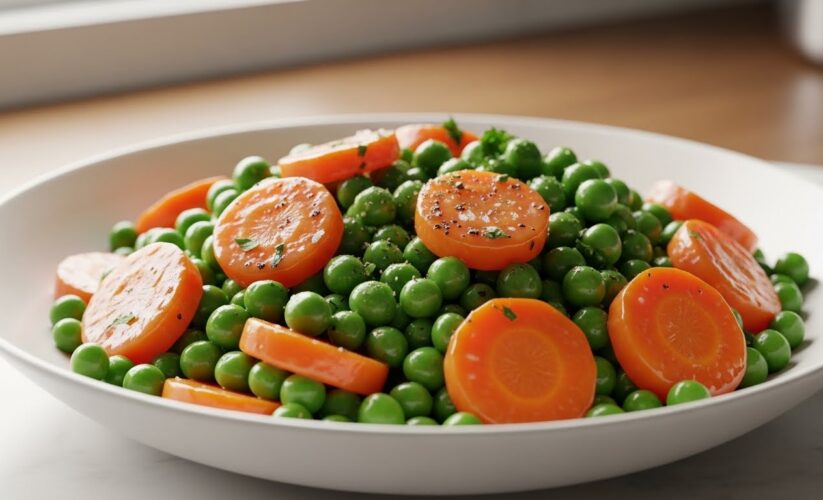
This colorful combination of vegetables has brightened dinner plates for generations, from family dinners to holiday tables to children’s lunch boxes. The simple preparation lets the natural sweetness of the vegetables shine through without complication. Buttered peas and carrots represents comfort food in its most honest form—wholesome vegetables prepared with minimal fuss and maximum flavor. Whether you’re cooking for a busy weeknight, preparing comfort food for someone feeling under the weather, or planning a family meal, this easy homemade side dish delivers satisfying simplicity every single time.
Buttered Peas and Carrots: Quick Reference
Ingredients You’ll Need
Main Ingredients:
- 2 cups fresh or frozen peas
- 2 cups sliced carrots (about 4 medium carrots)
- 2 tablespoons butter
- 1/2 teaspoon salt
- 1/4 teaspoon black pepper
Optional Additions:
- 1 tablespoon fresh mint or 1 teaspoon dried mint
- 1 teaspoon sugar (if using fresh peas)
- 1/2 teaspoon garlic powder
- 1/4 teaspoon thyme
- 2 tablespoons fresh parsley, chopped
Why Peas and Carrots Became an American Classic
Peas and carrots have been paired together in American kitchens for generations, representing the perfect marriage of complementary vegetables. Carrots provide earthy sweetness and substantial texture, while peas add delicate flavor and bright color. The combination became especially popular in the 1950s when frozen vegetables made it possible to enjoy this colorful side dish even when fresh vegetables weren’t in season. Suddenly, families could have nutritious, flavorful vegetables available year-round instead of only during harvest months.
Before frozen vegetables existed, this side dish appeared most frequently during late spring and early summer when both vegetables reached peak season simultaneously. Home cooks celebrated this brief window of availability by preparing this simple combination frequently. The tradition continued through generations, even as technology changed. Today, the ease and reliability of this recipe make it as popular as ever—a trusted standard that works every single time.
What Makes This Buttered Peas and Carrots Special
Unlike more complicated vegetable dishes laden with heavy sauces or excessive seasonings, this recipe respects the vegetables themselves. The butter enhances without overwhelming. The salt and pepper season without dominating. Optional mint adds freshness without taking over. This restraint allows the natural sweetness and tender texture of the vegetables to become the star.
The cooking method is straightforward and forgiving. You boil carrots first because they require more time to become tender, then add the faster-cooking peas. This ensures both vegetables finish simultaneously with perfect texture. The result is vegetables that are tender but not mushy, flavorful but not overseasoned, satisfying but light enough to balance any main dish.
How to Make Buttered Peas and Carrots
Step 1: Prepare the Carrots
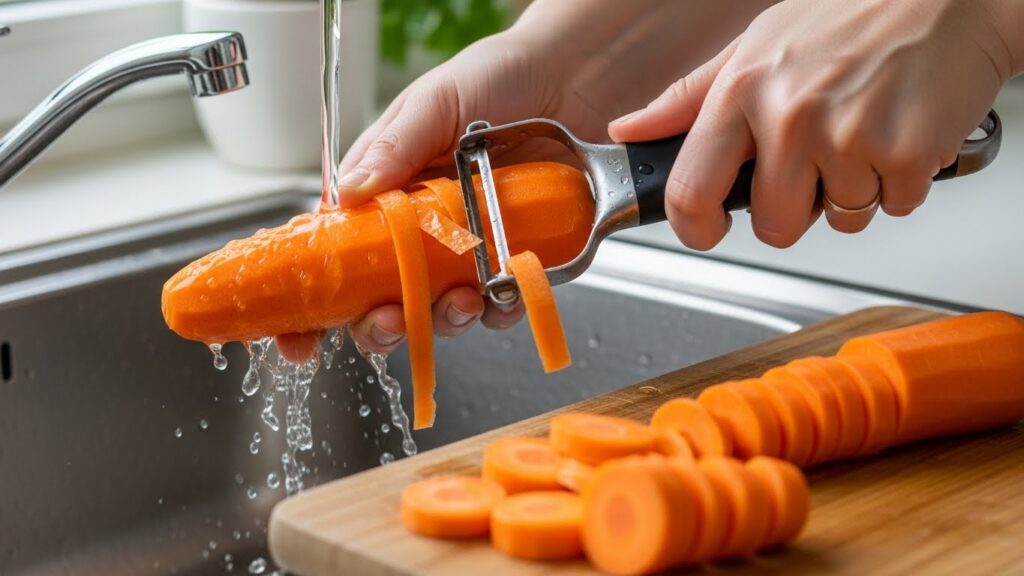
If using fresh carrots, wash them thoroughly under cool running water. Peel with a vegetable peeler, removing the thin outer skin. Slice peeled carrots into 1/4-inch rounds, trying to keep thickness relatively consistent so they cook evenly. If using baby carrots or pre-cut frozen carrots, you can skip this step and proceed directly to cooking. The key is uniform size for even cooking.
Step 2: Cook the Carrots
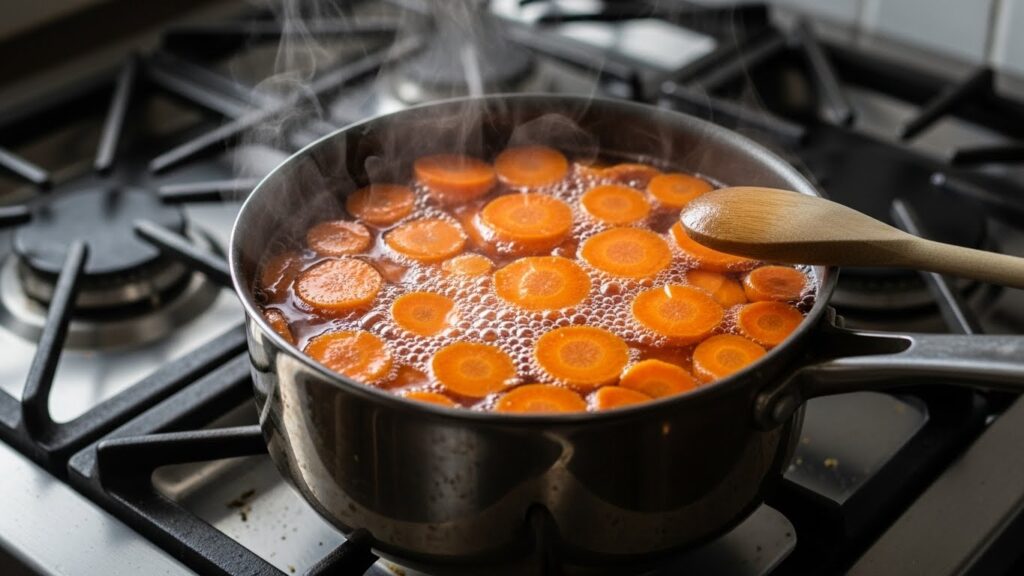
Place sliced carrots in a medium saucepan and cover them with water, adding enough to cover by about an inch. Bring to a boil over medium-high heat. Once boiling, reduce heat to medium and cook for approximately 5 minutes. The carrots should be starting to become tender but still have some firmness. Don’t cook them completely at this stage—they’ll continue softening when peas are added.
Step 3: Add the Peas
Add the peas to the simmering carrots. If using fresh peas, add the optional teaspoon of sugar now, which enhances their natural sweetness. Continue cooking for another 3 to 5 minutes until both vegetables are tender. Fresh vegetables typically need closer to 5 minutes, while frozen vegetables require only 3 minutes since they’re already partially cooked.

Step 4: Test for Doneness
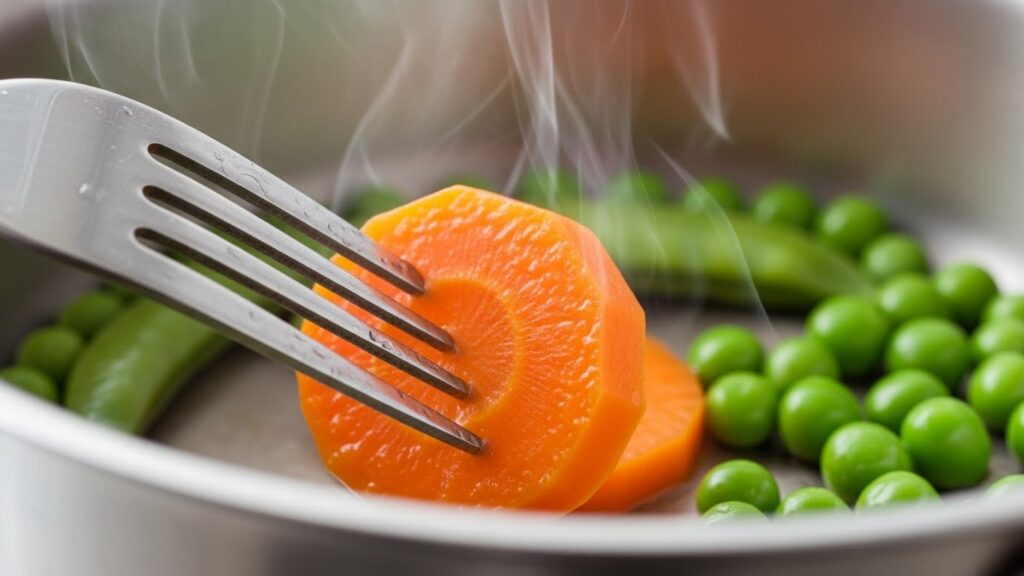
Pierce a carrot slice with a fork to test doneness. It should be tender but still hold its shape. Peas should be soft and yielding but not mushy. The vegetables should maintain their color and texture, not break apart or become grayish from overcooking.
Step 5: Drain Thoroughly
Pour the vegetables into a colander and drain well, allowing all excess water to run off. Return the drained vegetables to the warm saucepan over low heat.

Step 6: Add Butter and Seasonings
Add butter to the warm vegetables, along with salt and pepper. If using optional mint or other seasonings, add them now. Toss gently but thoroughly, coating every piece with melted butter. The residual heat melts the butter evenly, ensuring every vegetable is well-coated. This gentle tossing takes about one minute.

Step 7: Serve Immediately
Transfer the buttered vegetables to a serving dish and serve hot. The butter will continue coating the vegetables as they rest, ensuring every bite has rich, buttery flavor.

Pro Tips for Perfect Buttered Peas and Carrots
Choose Fresh-Looking Vegetables: If using fresh carrots, select ones that feel firm and look bright orange without soft spots. Fresh carrots have noticeably better flavor than older ones.
Keep Consistent Size: The more uniform your carrot slices are, the more evenly they’ll cook. Thick and thin pieces cook at different rates, resulting in some pieces mushy while others remain firm.
Don’t Overcook: Overcooked vegetables become mushy and lose their appealing color and flavor. Better to undercook slightly—they’ll soften from residual heat—than to overcook them.
Use Quality Butter: Since butter is such a prominent flavoring component, quality matters. Fresh, flavorful butter makes a noticeable difference compared to margarine or lower-quality products.
Season to Taste: Adjust salt and pepper based on your preferences and what else you’re serving. If the main dish is highly seasoned, you might use less. If serving alongside bland proteins, you might increase salt slightly.
Consider Cooking Liquid: For richer flavor, cook carrots in chicken or vegetable broth instead of water. This adds subtle depth that makes the simple dish taste more sophisticated.
Making Buttered Peas and Carrots Ahead
While this dish is best served immediately after cooking, you can prepare it ahead for quick reheating. Cook the vegetables until just tender, drain well, and store in an airtight container in the refrigerator for up to three days. Before serving, reheat gently on the stovetop over low heat with a splash of water or additional butter to restore creaminess and prevent sticking.
Alternatively, you can prep all ingredients in advance—peel and slice carrots, measure out peas, portion butter into the pan—so that actual cooking takes just minutes when you’re ready to eat. This makes this side dish perfect for busy weeknights when you need quality vegetables without last-minute stress.
Are Peas and Carrots Healthy?
Absolutely. This is genuinely nutritious comfort food. Carrots are excellent sources of beta-carotene, fiber, and vitamins. Peas provide protein, fiber, and important vitamins and minerals. Together, they create a vegetable combination that’s nutritionally balanced and genuinely good for you.
The butter adds fat, but in reasonable amounts—just 2 tablespoons divided among 6 servings means about 1 teaspoon of butter per serving. This is enough to provide satiety and improve nutrient absorption without being excessive. Compared to cream-based vegetable dishes, this is a relatively light preparation that tastes indulgent without being unhealthy.
Can Buttered Peas and Carrots Be Reheated?
Yes, it reheats beautifully. Store leftovers in an airtight container in the refrigerator for up to three days. Reheat gently on the stovetop over low heat with a splash of water to prevent sticking and restore some moisture. You can also reheat in the microwave, covered, in 1-minute increments until warmed through. Add a small pat of butter when reheating to restore richness that may have been lost during storage.
Easy Variations to Try
Mint Garden Fresh: Add 1 tablespoon fresh mint or 1 teaspoon dried mint to create an herbaceous version that adds sophistication and freshness.
Thyme Flavored: Include 1/4 teaspoon thyme for earthy, classic herb flavor that pairs beautifully with both vegetables.
Garlic Butter Version: Add 1/2 teaspoon garlic powder or fresh minced garlic to the butter for savory depth without overwhelming the delicate vegetables.
Parsley Brightened: Finish with 2 tablespoons fresh chopped parsley for color and subtle herbal flavor that makes it look restaurant-quality.
Brown Butter Style: Cook the butter in a small skillet until it turns light brown and nutty before tossing with vegetables for more sophisticated, complex flavor.
Creamy Addition: Stir in 2 tablespoons cream or sour cream after cooking for a richer texture that transforms this into a creamier side dish.
Quick Side Dish: Use frozen pre-sliced carrots and peas to reduce prep and cooking time to just 10 minutes total when you’re in a hurry.
Lemon Brightened: Add a squeeze of fresh lemon juice and a pinch of lemon zest after cooking for brightness that cuts through the butter richness.
Buttered Peas and Carrots for Different Needs
For Kids: This simple, mildly flavored version appeals to children more readily than heavily seasoned vegetables. The natural sweetness of both vegetables makes this kid-friendly without being boring.
For Beginners: This recipe is genuinely foolproof. There’s no room for error—just boil two vegetables and add butter. It’s a perfect introduction to cooking for anyone learning basic kitchen skills.
Weeknight Dinner: This side dish cooks in just 20 minutes total, making it perfect for busy evenings when you need wholesome vegetables without time-intensive preparation.
Comfort Food: The combination of tender vegetables and buttery richness provides the satisfaction people crave in comfort food while being genuinely nourishing.
No Garlic: This recipe contains no garlic, making it suitable for people avoiding it or allergic to it, unlike many modern vegetable recipes.
Buttered Peas and Carrots Paired with Other Dishes
This versatile side complements almost any main dish beautifully. Serve alongside roasted chicken, grilled fish, pork chops, or meatloaf. It pairs wonderfully with ham or turkey, especially during holiday meals. The mild, buttery vegetable combination balances both light proteins and rich, heavy main courses.
For complete meal planning, explore our collection of comfort food and traditional dishes. Try our old-fashioned oatmeal raisins brown sugar recipe for breakfast, buttermilk pancakes nutrition recipe for weekend mornings, and peach cobbler recipe for dessert. Browse our full vegetable dishes collection for more side dish options.
Frequently Asked Questions About Buttered Peas and Carrots
How long to cook peas and carrots?
Carrots typically require 5 minutes of cooking before peas are added, then peas cook for an additional 3-5 minutes depending on whether they’re fresh or frozen. Total cooking time is usually 10-15 minutes.
Can you use frozen peas and carrots?
Absolutely. Frozen vegetables work beautifully in this recipe. They’re picked at peak ripeness and frozen immediately, preserving nutrition and flavor. Use them directly without thawing for best results.
Are peas and carrots healthy?
Yes, this is genuinely nutritious. Carrots provide beta-carotene and fiber. Peas add protein, fiber, and important vitamins. The butter adds richness without excessive fat when divided among servings.
Can buttered peas and carrots be reheated?
Yes, reheat gently on the stovetop over low heat with a splash of water, or microwave covered in 1-minute increments. Add a small pat of butter when reheating to restore creaminess.
How to make buttered peas and carrots?
Boil carrot slices for 5 minutes, add peas and cook 3-5 minutes more until tender, drain well, then toss with butter, salt, and pepper until coated.
Can I cook them in broth instead of water?
Yes, cooking in chicken or vegetable broth instead of water adds subtle depth and flavor that makes the simple dish taste more sophisticated.
What if my vegetables are mushy?
You likely overcooked them. Next time, reduce cooking time by a minute or two. Vegetables continue softening from residual heat after cooking stops.
Can I add other vegetables?
Yes, corn, green beans, or peas work well with carrots, though cooking times may vary with different vegetables.
Is this dish good for meal prep?
You can prep ingredients ahead and cook just before serving for freshest flavor, or cook ahead and reheat gently when needed.
Why use butter instead of oil?
Butter provides rich flavor and helps coat vegetables evenly. Oil works but doesn’t provide the same flavor complexity and richness.
Why This Recipe Endures
Buttered peas and carrots represents something fundamental about American home cooking—nutritious vegetables prepared simply and honestly. The recipe has remained essentially unchanged for generations because it’s already perfect. Children grow up eating this, then prepare it for their own children, creating continuity and tradition. The simplicity means almost anyone can make it successfully, yet the flavors satisfy even sophisticated palates.
For more classic recipes that celebrate simple, wholesome cooking traditions, explore our collection at Nostalgic Eats. Subscribe to our Vintage Life of USA YouTube channel for more recipes and stories about the food that shaped American family tables and taught generations how to cook.
Conclusion
This buttered peas and carrots recipe proves that simple preparations often create the most satisfying results. Tender vegetables, rich butter, and basic seasonings combine to create a side dish that’s simultaneously humble and special. Whether you’re cooking for yourself, your family, or a gathering of friends, you’ll understand why this classic has remained a kitchen staple for nearly a century. Ready to make it? Gather fresh or frozen vegetables, butter, salt, and pepper. In just 20 minutes, you’ll have a homemade buttered peas and carrots side that tastes like comfort and feels like home.