Cornbread and Buttermilk Sandwich: A Southern Tradition of Resourcefulness
Cornbread and Buttermilk Sandwich – A Southern Heritage of Simple Satisfaction
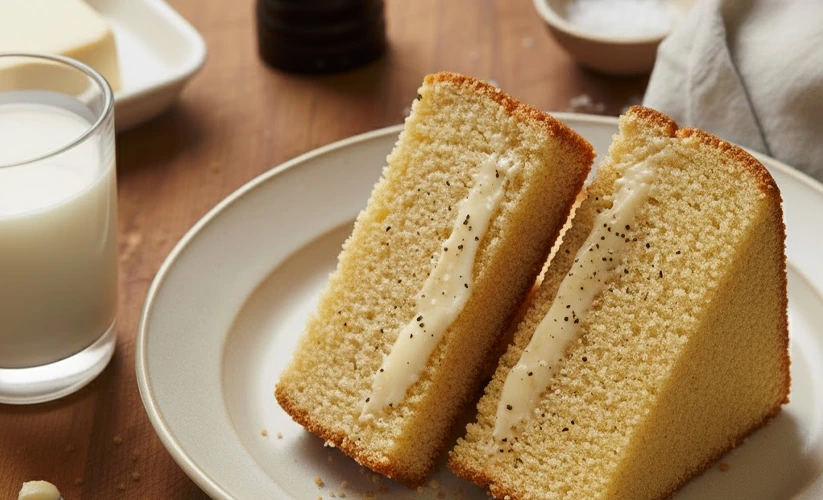
This Southern tradition turned simple cornbread into a satisfying sandwich when meat and cheese were scarce, transforming humble pantry staples into a meal that nourished families through hard times. Families split thick slices of day-old cornbread, spread them with soft butter, and stacked them together for a humble but genuinely filling meal that provided lasting satisfaction. Some cooks brushed the cornbread with cold buttermilk before buttering to add moisture and tang, creating layers of flavor that made this modest sandwich something worth anticipating.
The slightly sweet corn flavor paired perfectly with creamy butter, while the dense texture kept workers satisfied through long days of labor. What started as Depression-era resourcefulness became a beloved taste of home, passed down through generations and remembered with deep affection by those who grew up enjoying it.
Cornbread and Buttermilk Sandwich: Quick Reference
Ingredients You’ll Need
For the Sandwich:
You’ll need 2 thick slices of day-old cornbread, about 1 inch thick each, 2 tablespoons of butter softened to room temperature, and 2 tablespoons of cold buttermilk. A pinch of salt is optional but traditional in many Southern families.
Optional Additions:
Some families enjoyed adding a touch of honey drizzled between the slices for subtle sweetness, while others preferred a light sprinkle of paprika or black pepper for additional flavor. A few regional variations included crumbled crispy bacon or a thin slice of sharp cheese, though these additions move away from the classic Depression-era version. Some cooks added dried herbs like thyme or a whisper of garlic powder to their butter before spreading for extra depth.
Understanding Cornbread and Buttermilk: History and Heritage
To understand the cornbread and buttermilk sandwich is to understand the deep resourcefulness of Southern families and the way they transformed humble ingredients into comfort and sustenance. This recipe emerged not from celebration but from necessity, yet it carries within it the ingenuity and love of cooks who understood how to make something beautiful from what little they had available.
Modern Nostalgia and Family Memory
Today, the cornbread and buttermilk sandwich exists primarily in memory and the hearts of those who grew up eating it. For many Southerners, this simple sandwich represents something profound: a connection to grandmothers’ kitchens, to ancestors who made something nourishing from very little, to times when food meant more than mere calories. The tang of buttermilk, the slightly sweet corn flavor, the richness of butter—these tastes carry enormous emotional weight, triggering memories of safety, family togetherness, and love expressed through food.
How to Make Cornbread and Buttermilk Sandwich
While this recipe requires no specialized technique, the specific steps matter significantly and separate an excellent sandwich from a merely adequate one.
Step 1: Select Your Cornbread
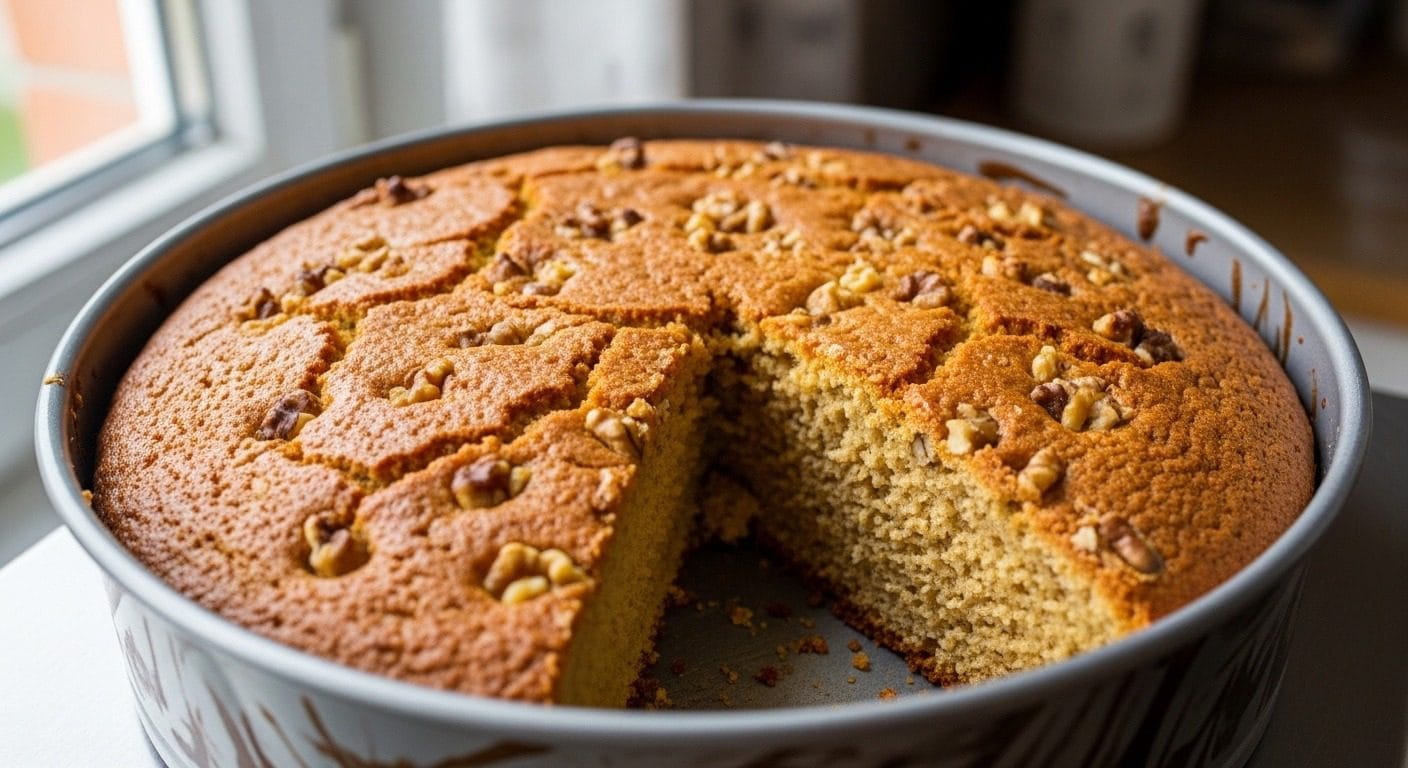
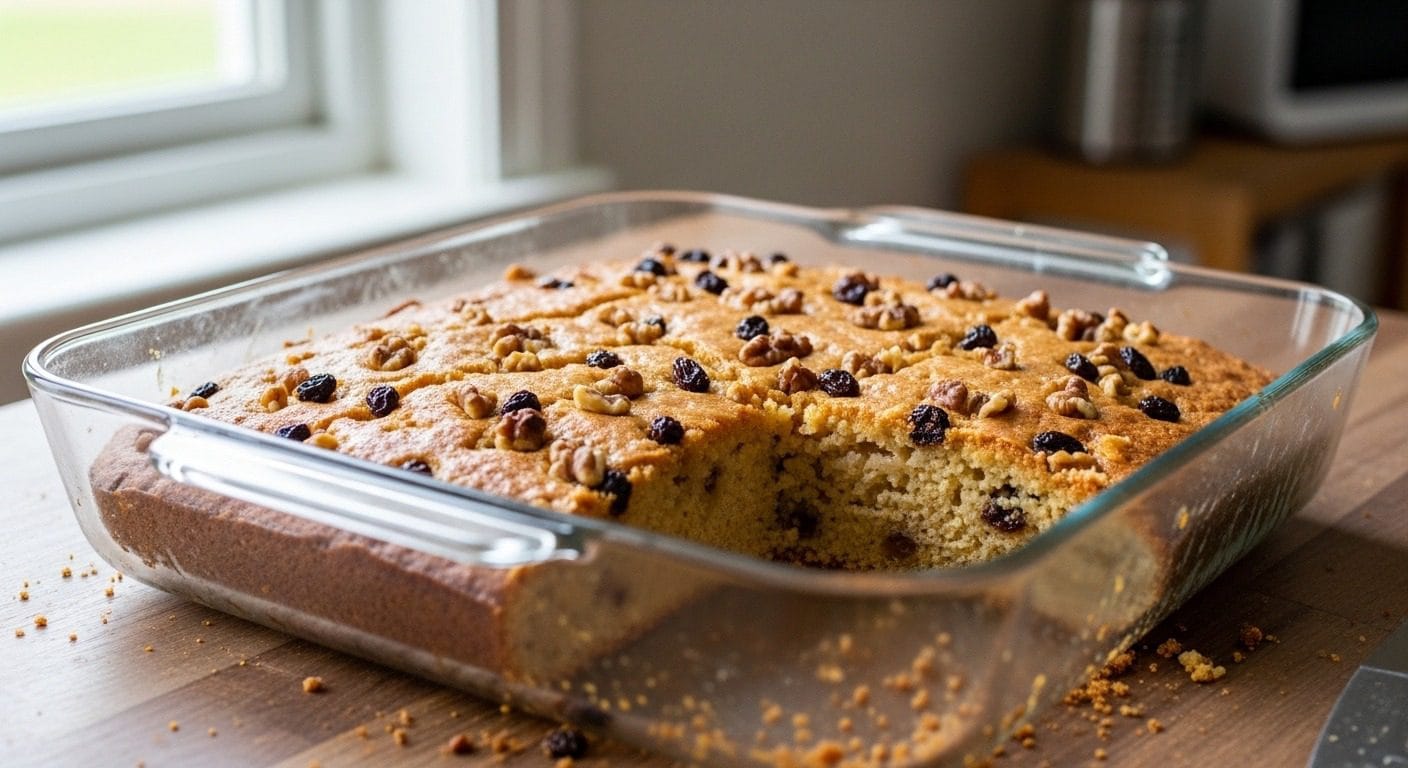
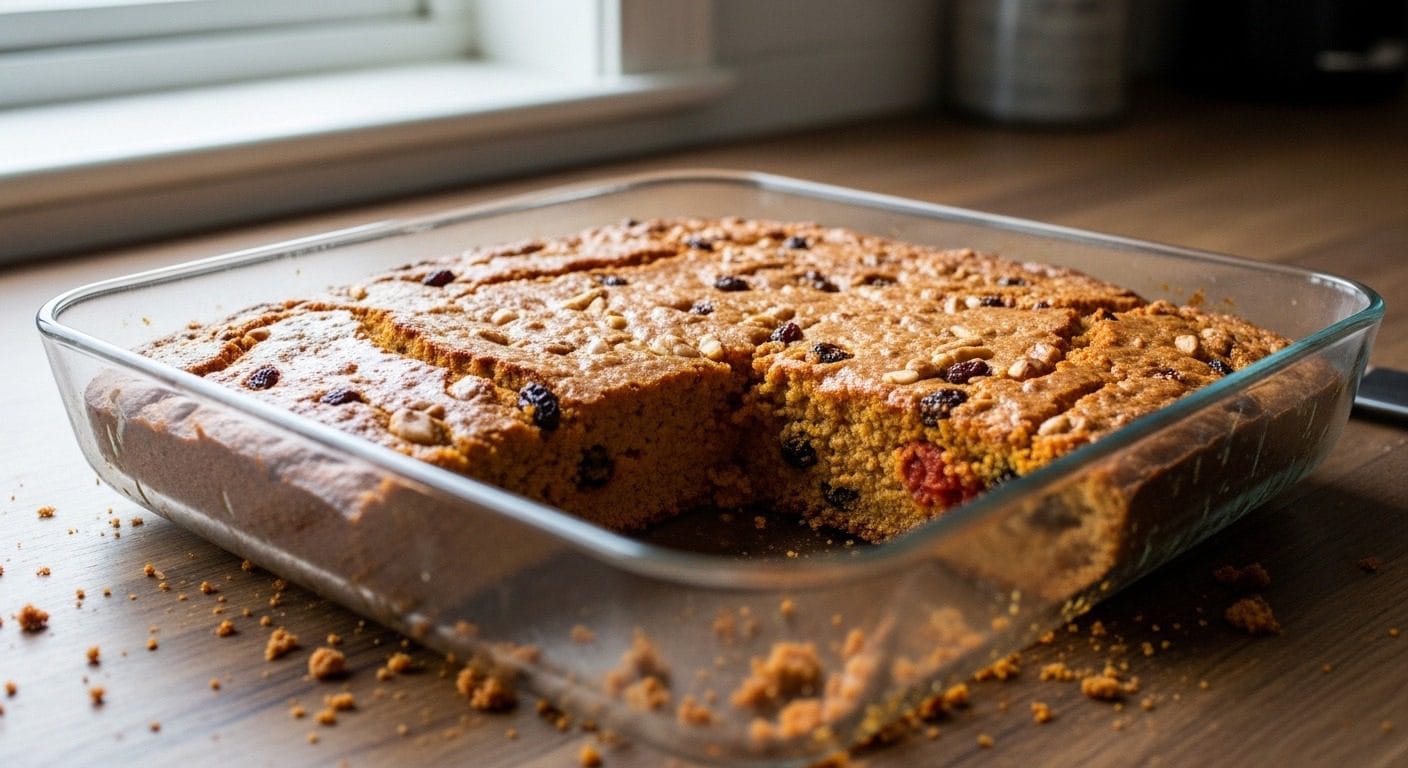
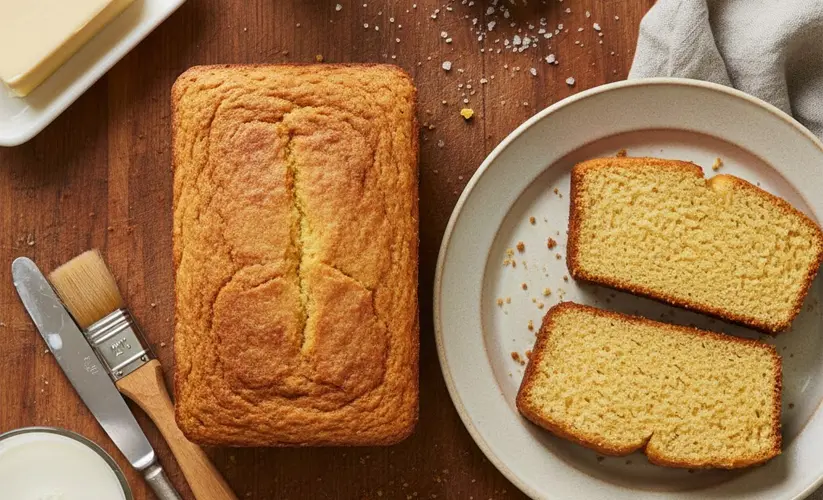
Cut two thick slices from a block of day-old cornbread, about 1 inch thick each. Day-old cornbread is essential—it provides the firm structure necessary for a successful sandwich. Fresh, warm cornbread will crumble and fall apart when you try to butter it and press it into a sandwich. If your cornbread is only a few hours old, let it sit overnight in a bread box or wrapped loosely on your counter to firm up properly.
Step 2: Prepare the Buttermilk Brush
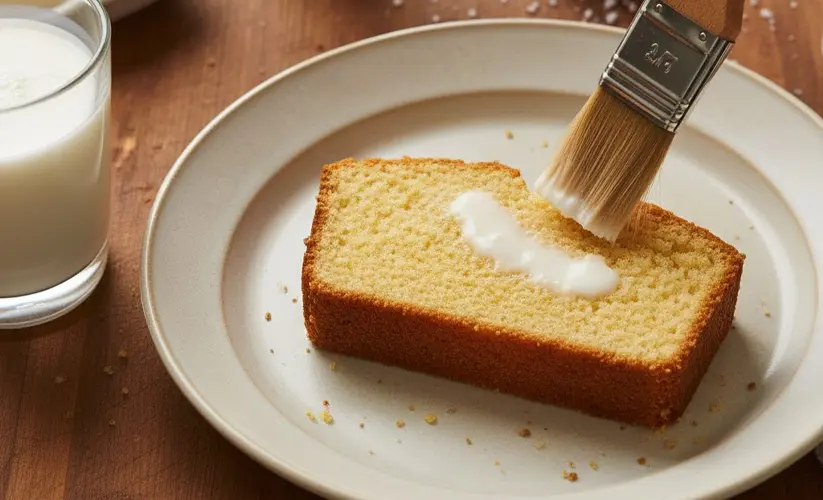
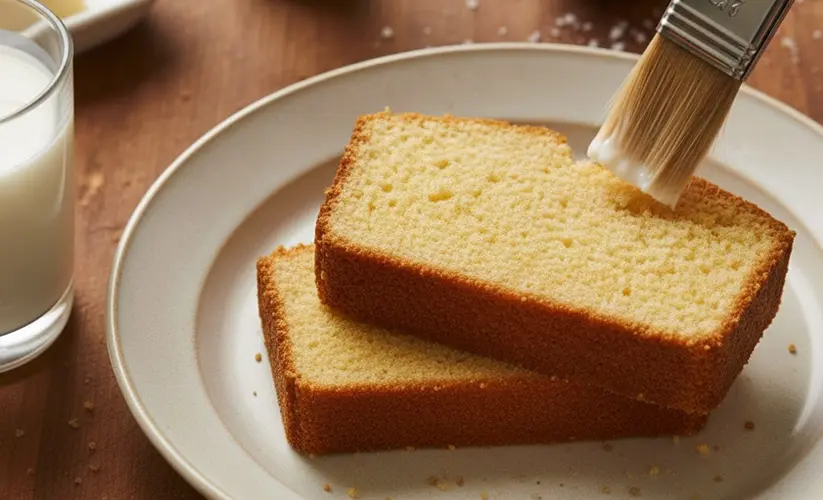
If the cornbread is very dry or seems like it might be crumbly when you bite into it, have your cold buttermilk ready. Use a pastry brush or the back of a spoon to lightly brush each slice of cornbread with cold buttermilk, applying just enough to dampen the surface without saturating it. You want to add moisture, not make the cornbread wet.
Step 3: Allow Buttermilk to Soak
Let the buttermilk soak into the cornbread for 1-2 minutes. This pause allows the liquid to distribute throughout the cornbread’s structure, adding moisture and tang while maintaining the bread’s structural integrity. Don’t skip this step—it transforms the texture of your finished sandwich.
Step 4: Spread the Butter
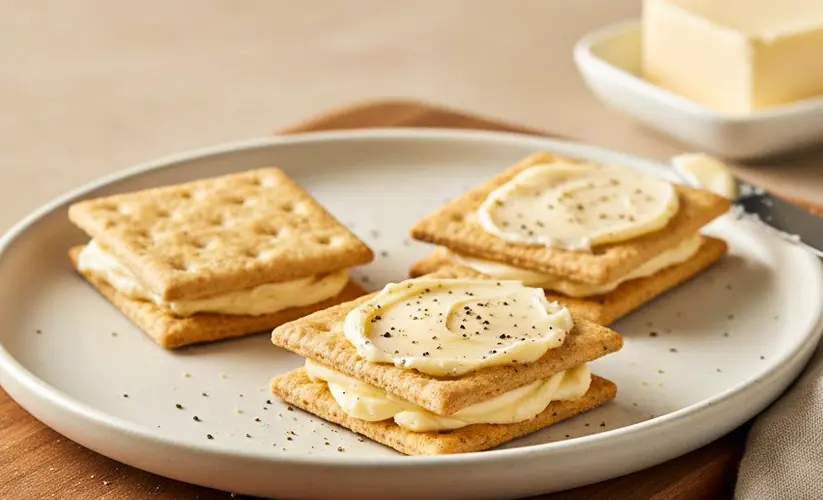
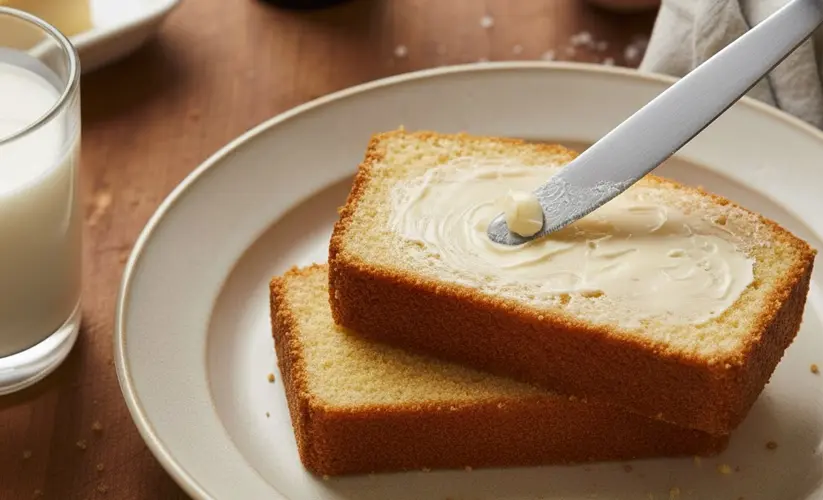
Using a butter knife, spread a generous layer of softened butter on one side of each cornbread slice. The butter should be soft enough to spread smoothly without tearing the cornbread, but still hold its shape. Apply enough butter to coat the entire surface generously—this is where the richness comes from. Don’t be shy with the butter; this sandwich’s appeal depends on adequate butter distribution.
Step 5: Add Optional Seasoning
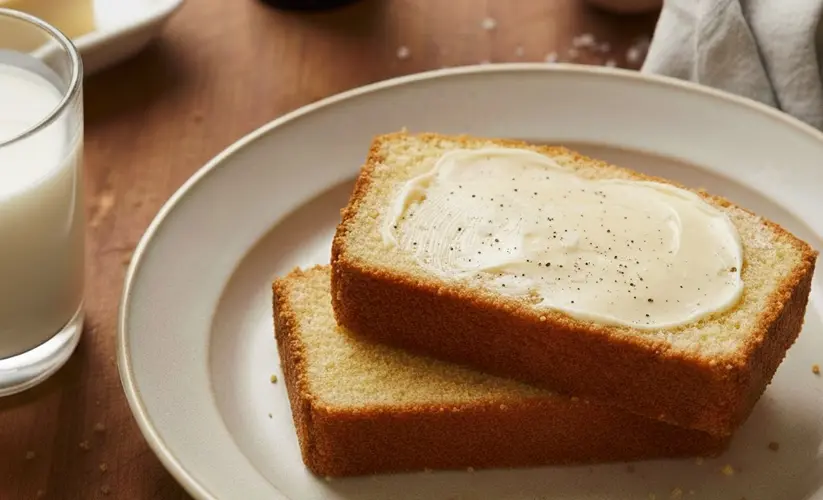
If desired, sprinkle a tiny pinch of salt over the buttered surfaces of both slices. Salt heightens the corn flavor and balances the richness of butter. Some families preferred their sandwiches plain, while others enjoyed this subtle enhancement. This is where you might also add black pepper if that appeals to you, though traditional preparation usually keeps seasonings minimal.
Step 6: Assemble the Sandwich
Place one slice butter-side up on a plate. Top with the second slice, butter-side down, to form a sandwich. The butter-side-down placement ensures the buttered surfaces meet in the middle, with the cornbread’s exterior on the outside of the sandwich. This traditional arrangement makes for easier handling.
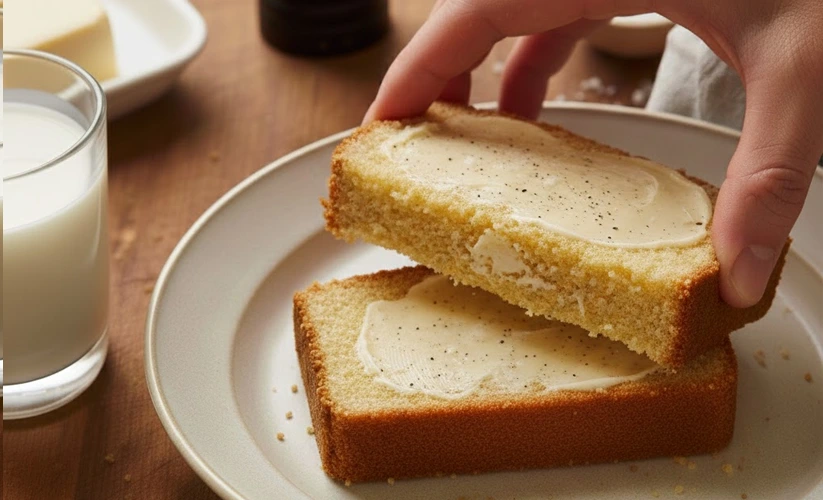
Step 7: Press Gently
Press down gently to help the slices stick together. This isn’t a forceful compression—just enough pressure to ensure the sandwich holds together as a unit. The butter acts as an adhesive, helping the two slices bond.
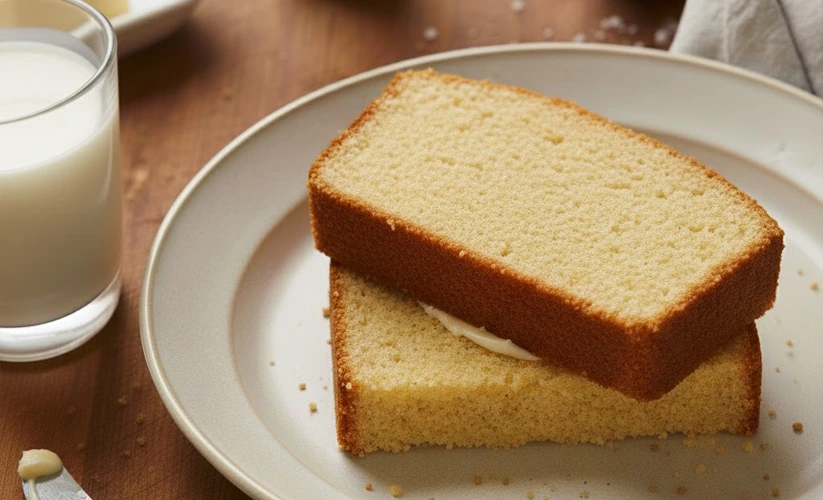
Step 8: Cut and Serve
Cut the sandwich in half diagonally if desired. Some people prefer eating it whole, while others find the diagonal cut makes for easier handling and a more appealing presentation. Serve immediately on a plate while the butter is still soft and the flavors are at their brightest.
Pro Tips for Perfect Cornbread and Buttermilk Sandwich
Use Day-Old Cornbread Rather Than Fresh
This is the single most important tip for success. Day-old cornbread is firmer and holds together better as a sandwich without crumbling apart when you bite into it. Fresh cornbread, tender and warm from the oven, lacks the structure necessary for a successful sandwich. If you don’t have day-old cornbread, wrap fresh cornbread loosely and let it sit overnight on your counter to firm up properly before making your sandwich.
Soften Your Butter Properly
Butter that’s too cold will tear the cornbread and spread unevenly. Butter that’s too warm will soak into the bread unpleasantly rather than staying on the surface where you want it. Remove butter from the refrigerator 10-15 minutes before you plan to make your sandwich. Test it by pressing gently—it should yield easily without spreading everywhere. If you’re short on time, cut the butter into small pieces to soften faster.
Don’t Skip the Buttermilk Brush
While technically optional, brushing the cornbread with cold buttermilk transforms the sandwich from adequately satisfying to genuinely delicious. The buttermilk adds moisture that prevents dryness, contributes tang that brightens flavors, and creates a more pleasant texture. This small step takes less than a minute but makes a significant difference in the final result.
Allow Buttermilk to Soak
After brushing your cornbread slices with buttermilk, take a moment to let it soak in. This pause—just 1-2 minutes—allows the liquid to distribute throughout the cornbread’s structure rather than sitting only on the surface. This distribution ensures even moisture and flavor throughout your sandwich.
Choose Quality Butter
Real butter makes a noticeable difference in this simple sandwich. Look for butter made from cream only, with no added ingredients. The cleaner the butter’s ingredient list, the better your sandwich will taste. Margarine or butter substitutes will function but lack the flavor and richness that make this sandwich special. Since butter is the primary flavor component, its quality matters enormously.
Serve Immediately
The ideal moment to eat your cornbread and buttermilk sandwich is immediately after assembly. The butter will still be soft, the cornbread will be at optimal texture, and all the flavors will be at their brightest. Set it on a plate and enjoy it with intention rather than rushing. This isn’t fuel to eat while doing something else—it’s an experience to be savored.
Presentation Honors Tradition
Set your sandwich on a proper plate rather than eating it directly from the cutting board. Pour yourself a glass of cold milk or prepare a cup of hot coffee to accompany it. Take a moment to appreciate what you’re eating and the tradition it represents. This simple ritual honors the generations who created and sustained this recipe.
Easy Variations to Try
The Sweet Version
Drizzle a touch of honey between the buttered slices for subtle sweetness that complements the corn flavor. This variation creates something between a savory sandwich and a light dessert, suitable for those who prefer their food leaning toward the sweet side.
With Crispy Bacon
Crumble some crispy bacon and scatter it between the buttered slices for added protein and smoky flavor. This transforms the sandwich from a light snack into something more substantial, suitable for a heartier meal.
The Herbed Butter Version
Mix dried herbs like thyme or oregano directly into your softened butter before spreading. This creates an herbed butter that elevates the cornbread without overwhelming it, adding subtle complexity that respects the original.
With Sharp Cheese
Add a thin slice of sharp cheddar cheese between the buttered slices. The cheese melts slightly from the butter’s warmth, creating a more filling sandwich that bridges the classic version with more elaborate variations.
The Spiced Interpretation
Add a tiny pinch of paprika or cayenne pepper to the butter before spreading, or dust the finished sandwich with spice. This adds warmth and subtle complexity without fundamentally changing the sandwich’s character.
With Fresh Herbs
Some modern cooks enjoy adding finely minced fresh chives or parsley between the slices. This adds a fresh note that complements cornbread’s sweetness, though it moves away from traditional preparation.
Frequently Asked Questions
What is a cornbread and buttermilk sandwich?
A cornbread and buttermilk sandwich is simply two slices of day-old cornbread with butter and often a light brush of buttermilk between them. It’s a Southern tradition and Depression-era favorite that represents resourcefulness and the satisfaction found in simple, quality ingredients combined with intention and respect.
Why do southerners eat cornbread with buttermilk?
The slight tang of buttermilk brightens cornbread’s flavor while adding moisture that prevents dryness. This combination was practical for families who had access to both cornmeal and buttermilk, making it an economical and delicious choice that became deeply embedded in Southern food culture.
Is cornbread and buttermilk sandwich healthy?
This sandwich provides carbohydrates from cornbread and fat from butter, creating a calorie-dense but not particularly nutrient-dense snack. It’s best enjoyed occasionally as part of a varied diet rather than as a primary source of nutrition, though it was historically essential for workers needing sustained energy.
Is cornbread and buttermilk a depression era food?
Yes, absolutely. This sandwich appears throughout Depression-era memories and oral histories. When families faced food scarcity, this combination represented accessible satisfaction that could be produced with minimal resources. What had been a regional Southern tradition became widespread as families across all regions discovered its value.
Can I use fresh cornbread?
Fresh, warm cornbread will crumble and fall apart when you try to butter it and press it into a sandwich. Day-old cornbread develops a firmer structure that holds together properly. If you only have fresh cornbread, wrap it loosely and let it sit overnight before making your sandwich.
What should I drink with this?
Cold milk pairs beautifully with this sandwich, providing refreshment that complements the richness of butter and the sweetness of corn. Hot coffee or tea also works well. The beverage choice is less important than taking time to enjoy your sandwich mindfully.
Can I make this ahead?
This sandwich is best eaten immediately after assembly. If you must store it, wrap it tightly and refrigerate for up to one day, though the texture will soften considerably and the cornbread may become stale. For best results, keep components separate and assemble just before eating.
Why is day-old cornbread important?
Day-old cornbread is firmer and holds together better as a sandwich. Fresh cornbread lacks the structural integrity necessary to support butter and gentle pressure without crumbling. The overnight sitting period allows cornbread to develop the firmness essential for successful sandwich-making.
Can I add cheese to this?
While not traditional to the Depression-era version, a thin slice of sharp cheddar cheese can work well between the buttered slices. The cheese melts slightly from the butter’s warmth, creating a more substantial sandwich that some people enjoy, though purists prefer the classic version.
What’s the nutritional content?
A typical cornbread and buttermilk sandwich contains approximately 200-250 calories, mostly from fat and carbohydrates. Exact amounts vary depending on cornbread size, butter quantity, and specific ingredients used. It’s a calorie-dense but satisfying snack.
Conclusion
This classic cornbread and buttermilk sandwich delivers genuine Southern comfort—a dessert that delights through both its simplicity and its satisfaction. The combination of slightly sweet cornbread with tang of buttermilk and richness of butter creates memorable moments and genuine satisfaction. Whether you’re seeking warm comfort, wanting to share a nostalgic snack with family, or simply craving something genuinely delicious and easy, cornbread and buttermilk sandwich delivers perfect results every single time.
Ready to experience the charm of this Southern tradition? Gather simple quality ingredients and prepare this treasured sandwich. In just five minutes, you’ll have a classic that tastes like warmth, memory, and home—a direct connection to generations of Southern families who understood that the greatest satisfaction often comes from the simplest sources.
Related Recipes and Resources
Explore more beloved vintage comfort foods that celebrate simplicity and Southern resourcefulness. Don’t miss our recipe for Buttermilk Biscuits, another Southern staple that transforms simple ingredients into genuine comfort. For something sweet that celebrates buttermilk’s culinary magic, our Buttermilk Pie Recipe showcases how vintage Southern bakers created dessert magic from humble pantry staples.
For video explorations of vintage American cooking and the stories behind these beloved recipes, visit Vintage Life of USA on YouTube, where food traditions come to life through cooking demonstrations and historical context that brings these cherished recipes into your modern kitchen.