Cracker and Lard Sandwich: A Depression-Era Staple of Necessity and Survival
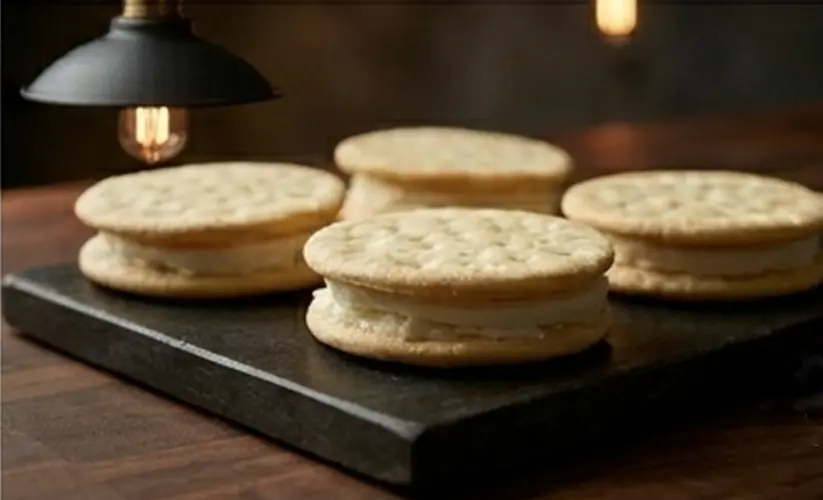
Cracker and Lard Sandwich – A Testament to Making Do When There Is Nothing Else
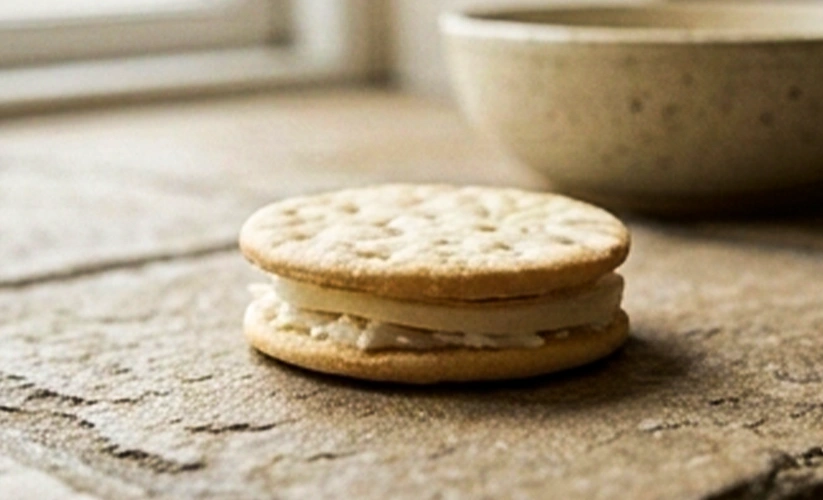
This Depression-era sandwich became a staple when butter disappeared from most kitchens and lard was all that remained, becoming the default filling for millions of lunch pails and kitchen tables across America. Families who butchered their own hogs rendered every bit of fat into snowy white lard, storing it in crocks and using it sparingly throughout the year for cooking, baking, and as filling for sandwiches. Mothers spread the soft lard between crackers, creating a sandwich that was plain but surprisingly satisfying in ways that transcended its humble appearance.
The salt from the crackers enhanced the mild pork flavor, creating a savory combination that worked despite its simplicity, and the fat provided much-needed calories during lean times when energy came at a premium. Children packed these in their lunch pails without complaint, knowing it meant their family was making do, that resources were being stretched carefully, that this meal represented survival and resourcefulness. This sandwich represents perhaps the most straightforward expression of Depression-era cooking philosophy: using what you have, respecting every ingredient, and creating genuine sustenance from the most basic materials available.
Cracker and Lard Sandwich: Quick Reference
Ingredients You’ll Need
For the Sandwiches:
You’ll need 6-8 saltine crackers or soda crackers, 2-3 tablespoons of lard softened to room temperature, a pinch of salt (optional), and a pinch of black pepper (optional). Real rendered lard is essential—not vegetable shortening or other substitutes, but genuine pork lard rendered from hog fat. The quality and freshness of the lard matters enormously in this simple sandwich where lard is the primary flavor component.
Optional Additions:
Some families enjoyed sprinkling a tiny pinch of salt over their lard before adding the top cracker, heightening the lard’s subtle flavor. Others preferred a crack of black pepper for slight spice. A few variations included a whisper of dried sage or thyme if these herbs were available, though such additions represented luxuries most Depression-era families couldn’t afford. Some people enjoyed adding a paper-thin slice of onion between the lard and top cracker for additional flavor and moisture.
Understanding Cracker and Lard Sandwich: History and Heritage
To understand the cracker and lard sandwich is to understand the economic devastation of the Great Depression and how ordinary American families adapted to circumstances that seemed designed to destroy them.
The Hog-Rendering Tradition
For centuries, American farm families understood that hogs represented incredible value. A single hog could provide meat, lard, organs, and other products that sustained a family for months. The annual hog-killing represented one of the year’s most important events—a process that transformed one animal into dozens of products designed to nourish families through winter and beyond. Rendering lard was central to this process. Fat deposits and meat scraps were carefully heated until the fat melted, then strained and cooled into snowy white lard that could be stored in crocks, in cellars, in cool places where it remained shelf-stable for months.
This rendered lard served multiple purposes. It was cooking fat for frying and baking. It was shortening for pie crusts and biscuits. It was preservation medium for storing other foods. And it was food itself—spread on bread, it provided calories, fat-soluble vitamins, and the subtle savory flavor of rendered pork. Families who understood hog-raising and rendering understood that lard was precious and should be used carefully to extend as far as possible.
How to Make Cracker and Lard Sandwich
While this recipe requires no cooking, the specific steps matter and determine whether your sandwich reaches its potential.
Step 1: Prepare Your Lard
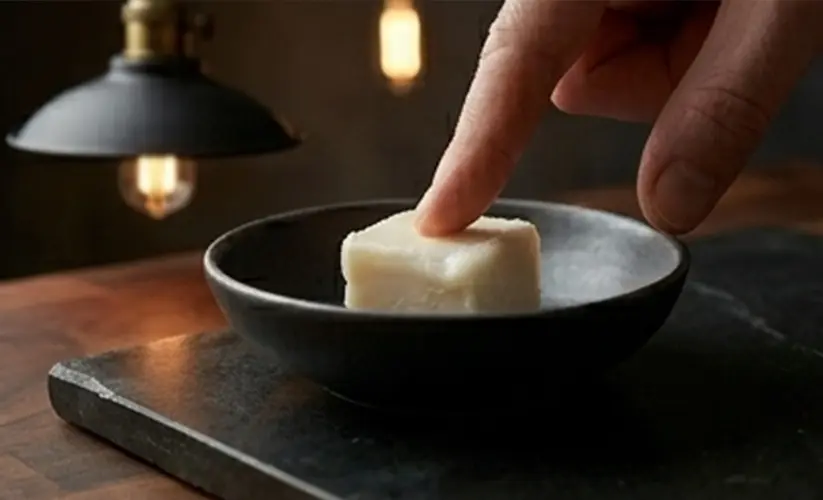
Remove the lard from the refrigerator and let it soften at room temperature for 15-20 minutes until it reaches a spreadable consistency. Lard that’s too cold will tear crackers and spread unevenly. Lard that’s too warm will soak through crackers excessively. Room temperature lard should be soft enough to spread smoothly with a butter knife without excessive pressure, but still structured enough to coat rather than penetrate immediately. Test the lard by pressing gently—it should yield easily without smearing everywhere.
Step 2: Lay Out Your Crackers
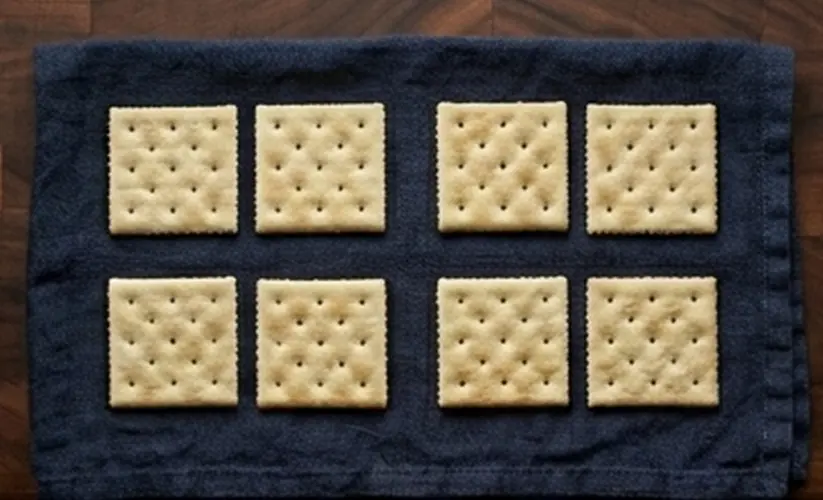
Lay out the crackers on a clean work surface, arranging them in pairs. You’re making 3-4 sandwiches, so organize your crackers accordingly. This preparation step ensures you work efficiently and don’t run short of materials partway through.
Step 3: Spread the Lard
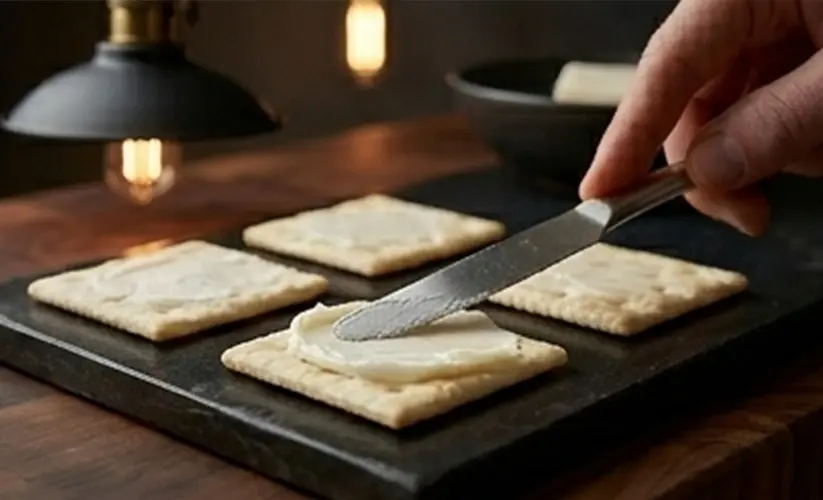
Using a butter knife, spread a generous layer of softened lard on one cracker from each pair. The layer should be complete, covering the entire cracker surface, but still relatively thin. During the Depression, lard was rationed and stretched to fill multiple sandwiches. The traditional approach used generous but not excessive spreading—enough to coat thoroughly without waste.
Step 4: Add Salt (Optional)
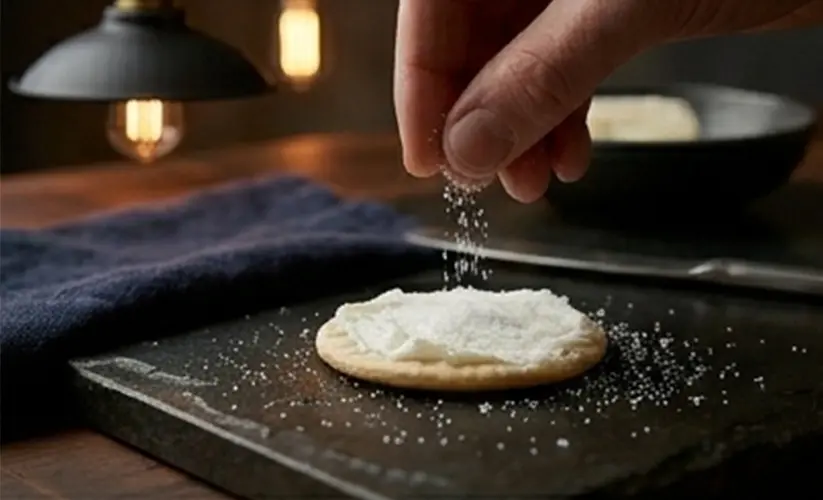
If desired, sprinkle a tiny pinch of salt over the lard for extra flavor. Salt heightens the lard’s subtle savory notes and creates additional depth. However, saltine crackers already contain considerable salt, so additional salt should be minimal—just a whisper to enhance rather than oversalt the sandwich. Some families preferred no additional salt, letting the crackers provide sufficient seasoning.
Step 5: Add Black Pepper (Optional)
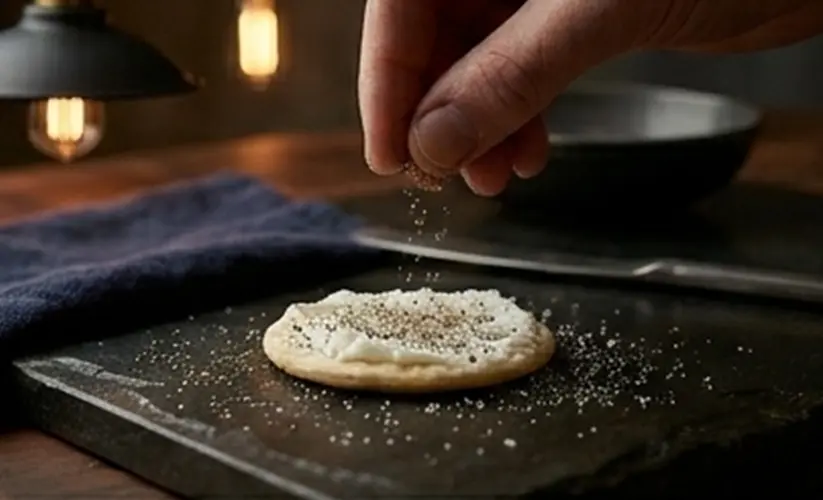
Add a pinch of black pepper if you prefer a bit of spice. Freshly cracked pepper works beautifully with lard, adding subtle complexity. Again, use restraint—just enough for flavor, not enough to be prominent. Some people prefer their crackers and lard sandwiches with no additions, letting the combination speak for itself.
Step 6: Assemble the Sandwiches
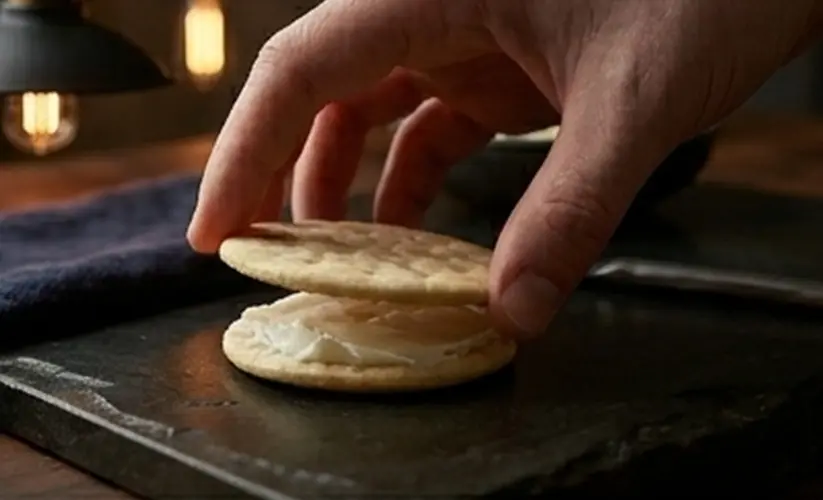
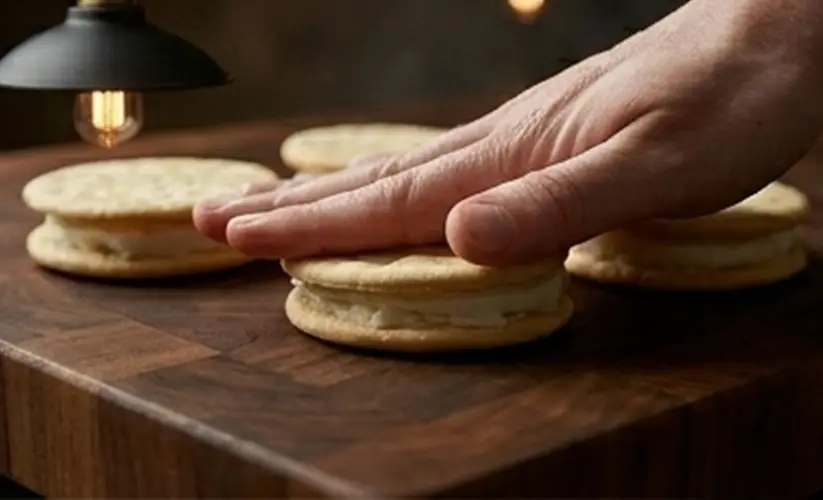
Place the second cracker on top of each lard-spread cracker to form sandwiches. The lard acts as a gentle adhesive, helping the crackers bond slightly.
Step 7: Press Gently
Press down gently so the crackers stick together but don’t break. This isn’t forceful compression—just enough pressure to ensure the sandwich holds as a unified unit. Delicate crackers break easily under excessive pressure, so restraint is essential.
Step 8: Serve Immediately
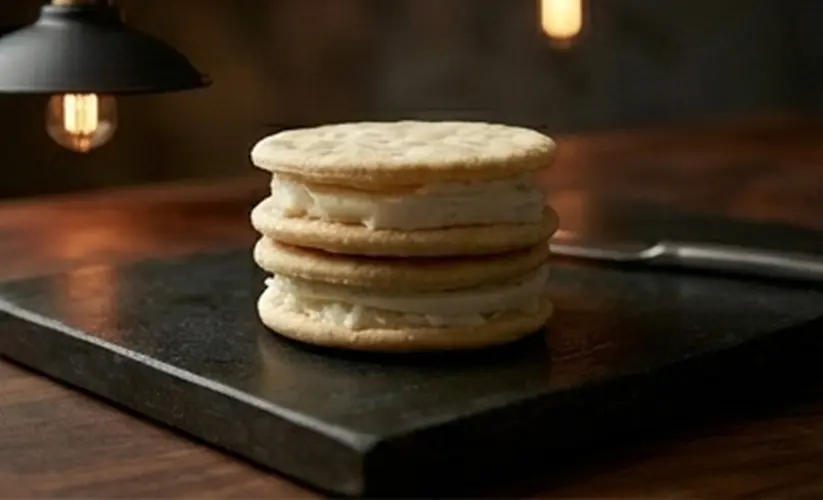
Serve immediately while the crackers are still crisp. As sandwiches sit, the crackers gradually absorb moisture from the lard and begin losing their crispness. For maximum enjoyment, eat right away while crackers still provide satisfying crunch.
Pro Tips for Perfect Cracker and Lard Sandwich
Use Real Rendered Lard
This is absolutely essential. Real rendered pork lard provides authentic flavor and texture that vegetable shortening or other substitutes cannot replicate. Look for lard made from rendered pork fat only, with no additives. If you can find home-rendered lard, even better. The difference between authentic lard and substitutes is noticeable and significant.
Temperature Control Matters
Lard that’s too cold will tear crackers and refuse to spread smoothly, creating frustration and broken crackers. Lard that’s too warm will soak through crackers excessively, making them soggy rather than providing the textural contrast that makes the sandwich appealing. Find the sweet spot—soft enough to spread but still structured. If short on time, cut lard into small pieces; these soften faster than a larger portion.
Choose Quality Crackers
The crackers are your primary texture component and provide the salt that enhances lard flavor. Quality matters. Cheap crackers often taste bland and stale. Premium crackers provide better flavor and crispness. During the Depression, families used whatever crackers they could afford, but if you have a choice, select crackers you genuinely enjoy eating.
Don’t Overspreading
Resist the urge to use excessive lard. While lard provides essential calories and satiation, too much creates an unpleasantly greasy sandwich that soaks through crackers. The goal is generous but disciplined spreading—enough to coat thoroughly, but not so much that the sandwich becomes unpleasant to hold and eat.
Spread Evenly
Uneven spreading creates some parts of the sandwich that are too rich and others that are too plain. Take a moment to ensure the lard distributes across the entire cracker surface. Even distribution creates a more consistent and satisfying eating experience.
Eat Immediately
These sandwiches are best eaten immediately after assembly. As they sit, crackers absorb moisture and lose their crispness. The sandwich’s appeal depends on textural contrast, which deteriorates quickly. Make only what you’ll eat right away rather than assembling ahead.
Respect the History
These sandwiches represent Depression-era survival. Making and eating them mindfully honors that history and the people who sustained themselves on them. Take a moment to appreciate what you’re eating and the resilience these sandwiches represent before consuming.
Easy Variations to Try
With Onion Slices
Paper-thin slices of raw onion between the lard and top cracker add flavor, slight moisture, and nutrition. Onion provides tartness that complements lard’s richness. This variation represents a slight enhancement beyond strict Depression-era minimalism.
With Mustard
A tiny bit of mustard—if available—provides acidity and complexity that complements lard beautifully. This addition represents availability of condiments that many Depression-era families couldn’t afford.
With Herbs
A whisper of dried sage, thyme, or oregano mixed into the lard before spreading creates herbed lard that’s more interesting than plain. This variation represents a luxury enhancement beyond traditional preparation.
With Pepper
Increased black pepper beyond the minimal suggested amount creates more pronounced spice. Some people enjoy significant pepper flavor with their lard, though traditional preparation was typically minimal.
With Paprika
A tiny pinch of paprika adds warmth and color without overwhelming the sandwich. This represents a regional variation from certain areas where paprika was accessible.
With Pickle
A paper-thin slice of pickle or pickled vegetable adds acid and complexity. This variation represents modern adaptation, moving away from traditional preparation but creating interesting flavor contrasts.
Softer Cracker Base
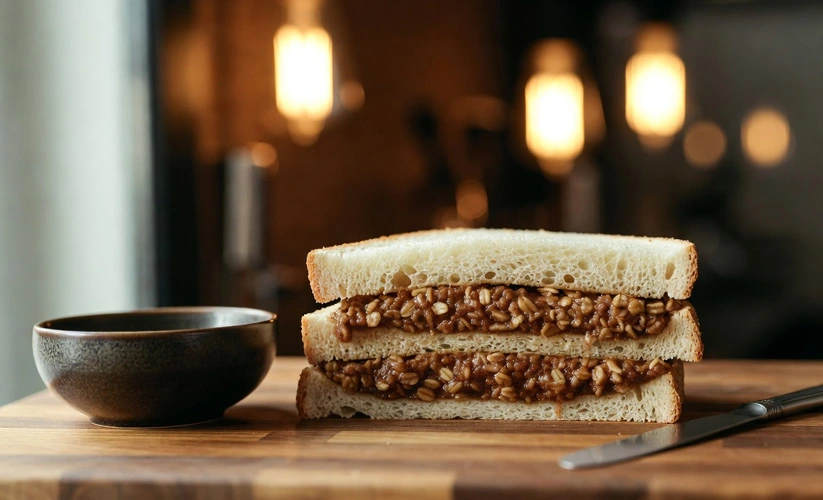
Some people prefer using softer crackers or even bread instead of hard crackers. While this changes the sandwich’s character, it creates a more palatable result for modern palates unaccustomed to hard crackers.
Frequently Asked Questions
What is a cracker and lard sandwich?
A cracker and lard sandwich is simply two saltine or soda crackers spread with softened lard, sometimes with salt and pepper. It’s a Depression-era food representing resourcefulness and the ability to create sustenance from minimal ingredients when circumstances were desperate.
Did people really eat crackers and lard?
Yes, absolutely. Cracker and lard sandwiches appear throughout Depression-era reminiscences, oral histories, and food journals. Both rural families with their own hogs and urban families with stored or purchased lard ate them regularly. They were standard lunch-box fare, particularly for children and workers needing sustaining food.
Why was lard eaten with crackers?
Lard was eaten with crackers because the combination was practical, affordable, and genuinely satisfying. Crackers provided carbohydrates and salt that enhanced lard’s flavor. Lard provided calories and fat that created satiation. Together, they created a meal that was filling and sustained people through long work shifts.
What does a cracker and lard sandwich taste like?
A cracker and lard sandwich tastes savory and rich. The lard carries subtle pork flavor that complements the crackers’ salt. The combination is not unpleasant—it’s genuinely satisfying for those accustomed to humble food. To modern palates unused to eating pure lard, it might initially seem unusual, but many find it surprisingly pleasant once they approach it with understanding.
Is lard the same as shortening?
No, lard and shortening are different. Lard is rendered pork fat. Shortening is typically vegetable-based and often contains additives. Lard carries subtle flavor; shortening is relatively flavorless. For this sandwich, real lard provides authentic flavor that shortening cannot replicate.
How was lard made historically?
Lard was made by rendering—slowly heating pork fat until it melted, then straining and cooling it. Families typically made lard during hog-killing season, rendering the fat in large batches and storing it in crocks or tins. This process produced snowy white lard that could be stored for months in cool places without spoiling.
Can I buy lard today?
Yes, lard is available at most grocery stores, typically in the baking section. Look for rendered pork lard with no additives. Some people make their own or source it from butchers or farmers’ markets for premium quality. Home-rendered lard tastes better than store-bought but requires time and effort to produce.
Is cracker and lard sandwich healthy?
Cracker and lard sandwich is calorie-dense, primarily from fat, with carbohydrates from crackers. It’s not nutrient-dense by modern standards and shouldn’t be a dietary staple. However, it’s not “unhealthy” in absolute terms—it’s simply food from a specific historical moment when calories and fat were precious and survival was the primary nutritional goal.
Why don’t people eat these anymore?
As food security improved and ingredient variety increased, cracker and lard sandwiches disappeared from most American tables. They represent Depression-era circumstances that most people want to forget. Yet for those interested in food history or wanting to understand their ancestors’ experiences, they remain relevant and interesting.
What should I drink with this?
Water was historically the primary beverage available during the Depression. Today, cold milk complements this sandwich beautifully, providing cool refreshment against the richness. Coffee or tea also work well. The beverage choice is less important than approaching the sandwich mindfully rather than rushing.
Conclusion
This classic cracker and lard sandwich delivers genuine Depression-era authenticity—a food that sustained millions of Americans through their nation’s greatest economic crisis. The combination of crisp crackers with soft, savory lard creates genuine satisfaction and represents resourcefulness at its most essential. Whether you’re seeking authentic historical food experience, wanting to understand how your ancestors survived impossible circumstances, or simply craving connection to American food history, cracker and lard sandwich offers direct access to that past. Ready to experience this fundamental aspect of Depression-era survival? Gather simple ingredients and prepare these treasured sandwiches.
In just five minutes, you’ll have a classic that tastes like history, resilience, and survival—a direct connection to generations of Americans who faced unimaginable hardship yet persisted, creating nourishment from minimal resources and teaching us profound lessons about resourcefulness, resilience, and the human capacity to adapt and survive when everything else is stripped away.
Related Recipes and Resources
Explore more beloved vintage comfort foods that celebrate simplicity and resourcefulness. Don’t miss our recipe for Potato Soup, another Depression-era favorite that transforms humble ingredients into genuine comfort and nourishment. For something featuring the pork that provided lard and meat for so many Depression-era families, our Pork Chops with Apples and Onions Recipe showcases how vintage cooks created satisfying meals from affordable ingredients.
For video explorations of vintage American cooking and the stories behind these beloved recipes, visit Vintage Life of USA on YouTube, where food traditions come to life through cooking demonstrations and historical context that brings these cherished recipes and the resourcefulness they represent into your modern kitchen.