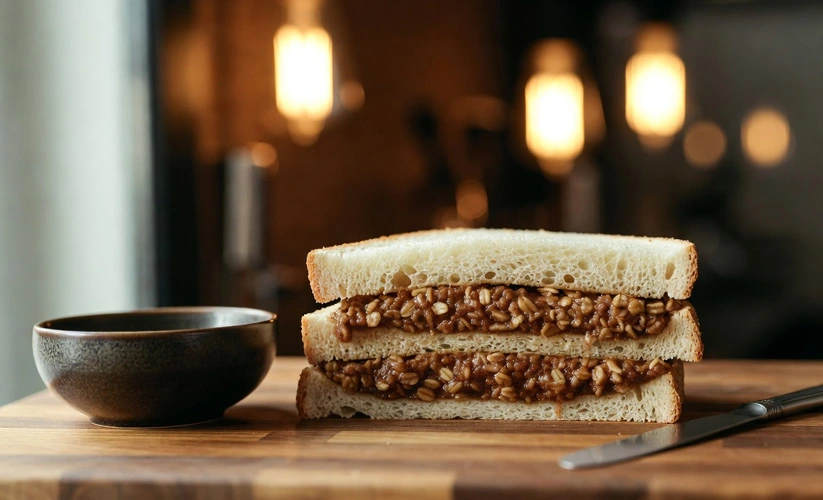
Depression-Era Brownie Secrets: History, Survival Cooking, and Timeless Lessons for Budget Bakers
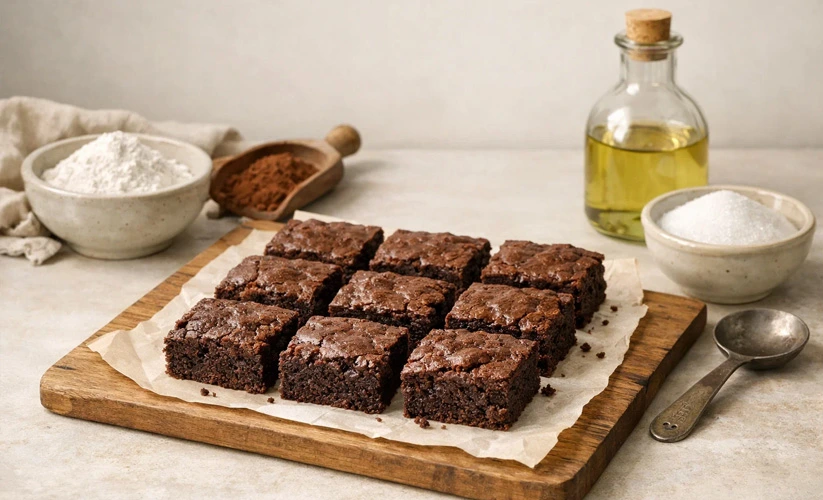
Depression-Era Brownie Secrets: History, Survival Cooking, and Timeless Lessons for Budget Bakers
When the stock market crashed in 1929, few Americans could have predicted that the Great Depression would teach an entire generation some of the most ingenious cooking tricks ever devised. While many people today think of Depression-era cooking as bland or boring, the reality was far different. Home bakers during the 1930s and 1940s became alchemists, transforming meager ingredients into satisfying desserts through resourcefulness and creativity. Brownies, in particular, became a symbol of this ingenuity. A betty crocker recipes for brownies would not arrive until the 1950s, but that did not stop Depression-era families from enjoying chocolate brownies throughout the hardest economic times in American history. This is the story of how Depression-era brownie secrets became timeless baking lessons that still apply today — not out of necessity, but out of respect for what our ancestors accomplished with so little.
The Context: Why Depression-Era Brownie Secrets Matter
To understand Depression-era brownie secrets, we first need to understand what made chocolate such a luxury during the Great Depression. Cocoa powder and chocolate were expensive. Butter was rationed or unaffordable. Eggs were scarce. Families who wanted to bake brownies had to get creative or go without. For many American families, going without was not an option. Brownies represented comfort, normalcy, and a small act of rebellion against hard times. They said, “We may not have much, but we can still have chocolate.”
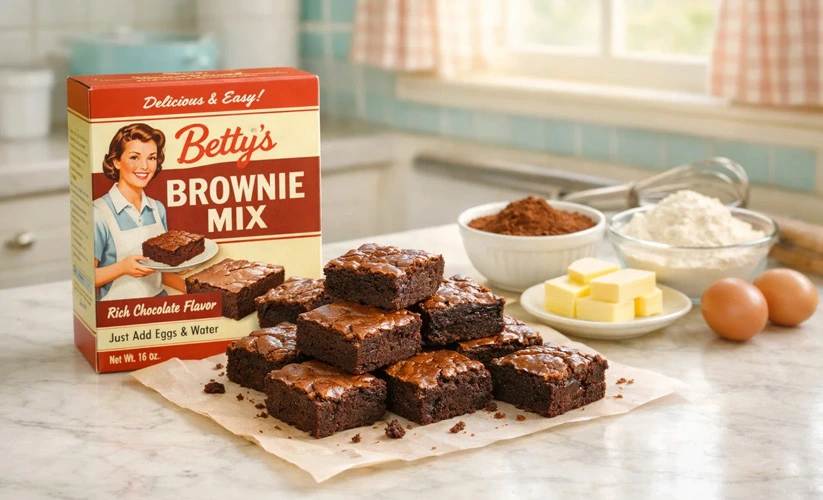
The betty crocker recipe for brownies would eventually standardize brownie baking, making it more accessible and consistent. To understand exactly how that formula was built, the Betty Crocker brownie mix ingredients guide breaks down every component in detail. But long before Betty Crocker arrived on the scene with her convenient mix, Depression-era home bakers had already figured out how to make delicious brownies with whatever they had on hand. These secrets worked then because they had to. They work now because they are genuinely good.
The Original Depression-Era Brownie Challenge
Imagine opening your pantry in 1932 with the ingredients you needed to make brownies and seeing… very little. This was the reality for millions of American families. The challenges they faced were real:
Butter was expensive or unavailable. Families might use lard, shortening, or even bacon grease instead.
Eggs were precious. A single egg might be rationed among several people or reserved for the most important meals.
Chocolate was a luxury. Cocoa powder was expensive, and whole chocolate bars were sometimes impossible to find.
Sugar had to be stretched. Sometimes honey, molasses, or corn syrup replaced sugar entirely.
Milk was rationed. Many recipes that called for milk had to be adapted to use water.
Yet despite these obstacles, home bakers persisted. The betty crocker recipe for brownies that we know today is a luxury compared to what Depression-era bakers worked with. And remarkably, the solutions they discovered are often superior to the standard approaches.
Secret #1: Using Oil Instead of Butter
One of the most important Depression-era brownie secrets was the realization that oil could replace butter. This was not a choice made for health reasons — it was made out of necessity. During the Depression, vegetable oil was often more available and cheaper than butter. What bakers discovered, by accident, was that oil-based brownies are often fudgier and more moist than butter-based brownies.
The science behind this is simple: butter contains water and milk solids, while oil does not. Oil-based brownies brown less quickly and stay moist longer. By the time Betty Crocker recipe for brownies arrived, this principle had already been well-established by Depression-era home bakers.
How to apply this today: If you want to make brownies fudgier, use oil instead of butter. If you want to make brownies more cake-like, use butter. This secret, born from necessity, is now used intentionally by bakers who want specific textures.
Secret #2: Egg Substitutions and Rationing
Eggs were among the most carefully guarded ingredients during the Depression. A family might have chickens that produced a few eggs per day, and those eggs had to be stretched across an entire household. Depression-era bakers became experts at using fewer eggs, or sometimes no eggs at all, in their brownies.
Some Depression-era brownie recipes used:
Vinegar and baking soda: The acid in vinegar reacts with baking soda to create lift, mimicking the role of an egg.
Applesauce: Unsweetened applesauce adds moisture and helps bind ingredients, reducing the need for eggs.
Water and flour paste: Some recipes combined flour and water to create a slurry that acted as a binder.
Mashed potatoes: This sounds unusual to modern ears, but Depression-era bakers used mashed potatoes to add moisture and texture without using eggs.
The betty crocker recipe for brownies assumes one or two eggs, but Depression-era versions often worked with zero. This is not merely historical trivia — modern bakers managing egg allergies or vegan diets use these very same techniques.
Secret #3: Stretching Chocolate and Cocoa
During the Depression, a square of unsweetened chocolate was as precious as gold. Home bakers learned to make it stretch further through several clever techniques:
Mixing cocoa with flour: Some Depression-era brownie recipes combined cocoa powder with flour to extend the chocolate flavor across a larger volume of batter.
Using coffee: Adding brewed coffee or coffee powder intensified chocolate flavor, meaning bakers could use less actual chocolate.
Adding molasses: Molasses provided depth and richness that made a little chocolate go a long way.
Reducing sugar strategically: By adjusting sugar content, bakers could make chocolate flavors seem more prominent without using more chocolate.
These techniques actually improve brownie flavor in modern recipes. The betty crocker recipe for brownies uses both cocoa powder and palm oil to create richness without using expensive chocolate, a principle that echoes Depression-era wisdom.
Secret #4: Sugar Substitutions and Sweetening Strategies
Sugar was rationed and expensive during the Great Depression. Families had to get creative with sweetening their baked goods. Depression-era brownie secrets included:
Honey: Local honey was often more available than refined sugar and added moisture to brownies.
Molasses: Dark molasses provided both sweetness and a rich, complex flavor that made other ingredients taste more substantial.
Corn syrup: Light corn syrup could stretch sugar further and created a fudgier texture.
Combining multiple sweeteners: Rather than relying on one sugar source, Depression-era bakers mixed several, creating more interesting flavor profiles.
The betty crocker recipe for brownies uses a blend of sugar and corn syrup, reflecting principles learned during Depression-era baking. This combination creates that signature fudgy texture that made Betty Crocker brownies so popular.
The Nutritional Reality: Understanding Depression-Era Brownie Stats
It is worth noting the nutritional profile of Depression-era brownies compared to modern versions. When someone asks “how many calories are in a brownie,” the answer depended heavily on which type of brownie they were eating. Depression-era brownies, made with oil and fewer eggs, often had different macronutrient profiles than modern brownies. For a side-by-side look at how homemade and box mix brownies compare nutritionally today, this brownie calories homemade vs box mix comparison is a helpful reference.
Depression-era brownie nutrition (estimated for one piece from a 9×13 pan, oil-based):
Calories: 150-180 (generally fewer than butter-based versions)
- Fat: 8-10g (mostly from oil)
- Carbs: 20-24g
- Protein: 2-3g
- Sugar: 15-18g
This is interesting because modern home bakers often choose oil-based brownies intentionally to reduce calories and fat content. The answer to “how many carbs are in a brownie” was different then because the recipes themselves were different — not necessarily lower carb, but structured differently to maximize satisfaction from minimal ingredients.
Secret #5: Maximizing Flavors Without Expensive Ingredients
Perhaps the most sophisticated Depression-era brownie secret was the understanding that flavor could be maximized through technique and strategic ingredient combinations, even without expensive ingredients. This included:
Using vanilla extract strategically: A small amount of vanilla extract could make a brownie taste richer without adding cost.
Adding a pinch of salt: Salt enhanced chocolate flavor and made brownies taste more complex.
Incorporating spices: Small amounts of cinnamon or nutmeg added depth without tasting like spice.
Mixing chocolate with coffee: As mentioned earlier, coffee heightened chocolate perception.
Creating contrast through texture: Crispy edges combined with fudgy centers made brownies seem more luxurious even with humble ingredients.
These techniques show that Depression-era bakers understood baking chemistry intuitively, long before the science was formally taught. The betty crocker recipes for brownie incorporates several of these principles — the salt, the careful chocolate balance, the emulsifiers that create specific textures.
How to Use Depression-Era Brownie Secrets Today
The fascinating part about Depression-era brownie secrets is that they still work beautifully in modern recipes. Whether you are making brownies from scratch or using a betty crocker recipes for brownie, you can apply these techniques:
For Fudgier Brownies
Use oil instead of butter. Reduce the number of eggs. Add a small amount of water to the batter. These Depression-era tricks create the exact texture that modern bakers spend extra money on premium mixes to achieve.
For More Affordable Brownies
Use oil instead of butter. Mix cocoa powder with flour to extend it. Use honey or molasses as part of your sweetener. These techniques genuinely reduce costs without sacrificing quality.
For Better Flavor
Add a small amount of coffee (even instant coffee powder) to deepen chocolate flavor. Add a pinch of cinnamon or nutmeg. Use vanilla extract. These Depression-era secrets make brownies taste more complex and satisfying.
For Dietary Restrictions
Use vinegar and baking soda instead of eggs. Use applesauce instead of oil. Reduce sugar and add molasses for depth. Depression-era bakers had to work around ingredient limitations — modern bakers with allergies or dietary preferences can use the same techniques.
The Nutritional Question Revisited: How Many Calories and Carbs?
Understanding Depression-era brownie secrets helps answer the question “how many calories are in a brownie” more accurately. The answer depends on the recipe. Depression-era oil-based brownies often had slightly fewer calories than rich, butter-based modern brownies. However, they were designed to be satisfying — a small piece provided significant satisfaction.
Similarly, “how many carbs are in a brownie” depended on whether the baker used honey (higher carbs), molasses (slightly lower than refined sugar), or regular sugar. Most Depression-era brownies contained 18-24g of carbs per piece, similar to modern brownies, but with different flavor profiles that made them more satisfying in smaller portions.
The real lesson: Depression-era brownie secrets were not about reducing calories or carbs — they were about maximizing satisfaction from every ingredient. A Depression-era brownie was smaller, richer, and more carefully crafted than a casual modern brownie.
Honoring the Legacy: Depression-Era Wisdom for Modern Times
Depression-era brownie secrets represent something valuable beyond just recipes. They demonstrate human ingenuity, resourcefulness, and the refusal to give up on small comforts during hard times. Every betty crocker recipes for brownies, every modern brownie made with oil instead of butter, every creative egg substitution uses techniques discovered during the Great Depression. Fans of this era of American history will also love Vintage Life of USA on YouTube, a wonderful channel that brings mid-century American home life vividly to life.
These techniques work today not because we are facing the same scarcity, but because they were fundamentally sound. The betty crocker recipes for brownies succeeded because it incorporated principles that Depression-era bakers had already proven. When we use oil for fudginess, add coffee for depth, or use molasses for richness, we are connecting to a century of baking wisdom.
The next time you make brownies, whether from scratch or using a mix, remember that you are drawing on knowledge earned through genuine hardship. These are not just recipes — they are solutions to real problems, tested by millions of home bakers who had no alternative. That is the real magic of Depression-era brownie secrets: they work because they had to.
FREQUENTLY ASKED QUESTIONS
Q1: Did people really make brownies during the Great Depression?
Yes, absolutely. While chocolate was expensive and sometimes hard to find, brownies were still made during the Great Depression, though they looked quite different from modern brownies. Depression-era brownie recipes used whatever ingredients families had available — often oil instead of butter, fewer or no eggs, and less chocolate. The betty crocker recipe for brownies would not arrive until the 1950s, so Depression-era bakers had to develop their own techniques to make chocolate brownies with limited resources.
Q2: What were the main ingredient substitutions in Depression-era brownie recipes?
The main Depression-era brownie substitutions included using oil for butter (which is actually preferable for fudginess), using vinegar and baking soda for eggs, replacing cocoa with a cocoa-flour mixture to extend it, and using honey or molasses instead of sugar. Some bakers even used mashed potatoes for moisture and binding. These substitutions were not just workarounds — many modern bakers intentionally use them today for their flavor and texture benefits.
Q3: Do Depression-era brownie recipes work well today?
Very well. Depression-era brownie recipes can be just as delicious as modern ones, and in some cases superior. The emphasis on maximizing flavor from minimal ingredients meant Depression-era bakers were masters of technique. Using oil instead of butter, adding coffee for depth, and incorporating strategic salt create excellent brownies. Many modern home bakers are rediscovering these techniques intentionally.
Q4: How many calories are in a Depression-era brownie compared to modern brownies?
Depression-era oil-based brownies typically had 150-180 calories per piece (from a 9×13 pan), which is often lower than rich, butter-based modern brownies (240-260 calories). However, Depression-era brownies were designed to be more satisfying in smaller portions due to their intensity of flavor and careful crafting. The difference was quality and satisfaction, not just quantity.
Q5: Can I use Depression-era brownie secrets with a betty crocker recipes for brownies?
Absolutely. You can enhance betty crocker recipes for brownies using Depression-era techniques: use melted butter instead of oil for cakier brownies, or stick with oil for fudgier brownies. Add coffee powder for deeper chocolate flavor. Add a pinch of cinnamon. Use applesauce or mashed banana if you want to reduce eggs. These Depression-era secrets work beautifully with modern mixes to create superior results. For inspiration on classic approaches, this old-fashioned Betty Crocker recipes for brownies is a great starting point.