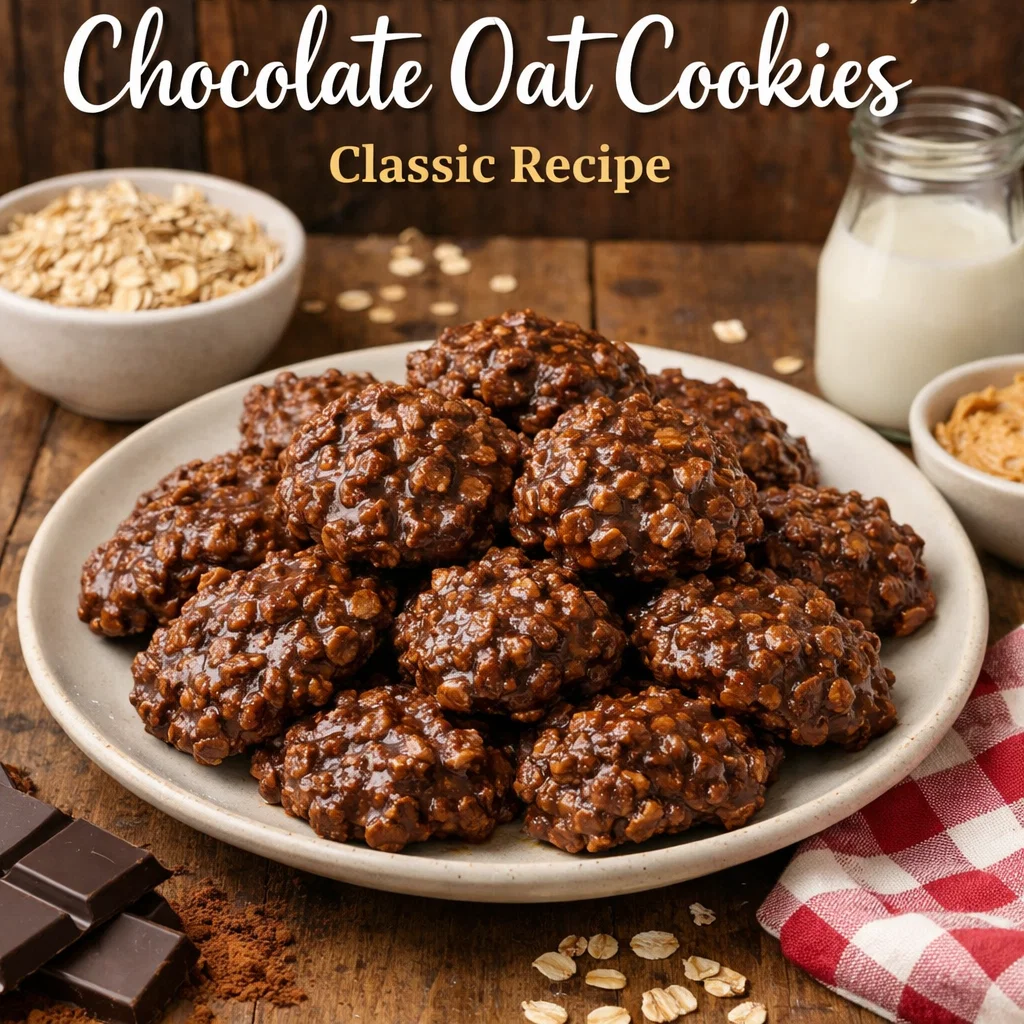
Grandma’s No Bake Chocolate Oat Cookies Classic Recipe
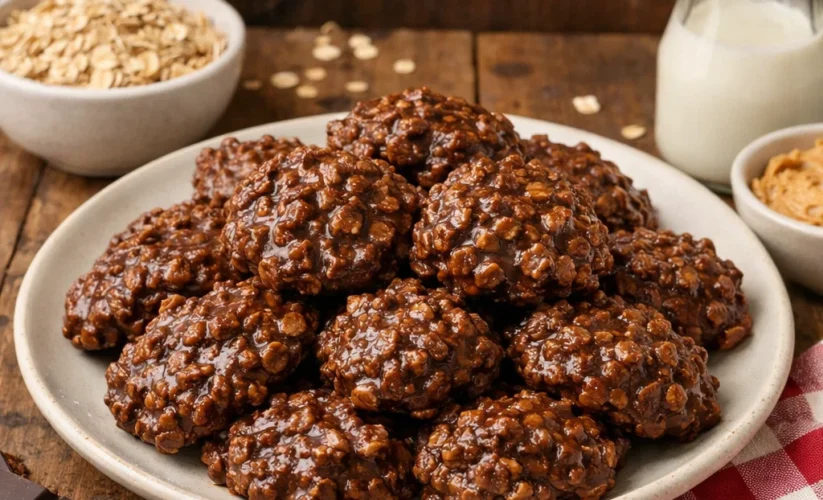
Why Your No Bake Cookies Turn Grainy (And Mine Never Do)
My grandmother made these no bake chocolate oat cookies every summer when it was too hot to turn on the oven — much like this no oven wacky cake that skips baking entirely. I watched her make them hundreds of times before I tried making them myself—and mine turned into a grainy, crumbly disaster.
She took one look at my failed batch and asked, “Did you boil it to exactly 230 degrees?” I had no idea temperature mattered. I thought you just boiled it “for a minute” like the recipe said.
That’s the secret nobody tells you. No bake cookies are essentially fudge, and fudge requires precise temperature control. Too low and they won’t set. Too high and the sugar crystallizes, creating that awful grainy texture.
Once I learned to use a candy thermometer and hit exactly 230°F, my no bake cookies turned out perfect every single time. Chewy, fudgy, chocolatey, and absolutely never grainy.
Quick Recipe Reference
Ingredients You’ll Need
Main Ingredients:
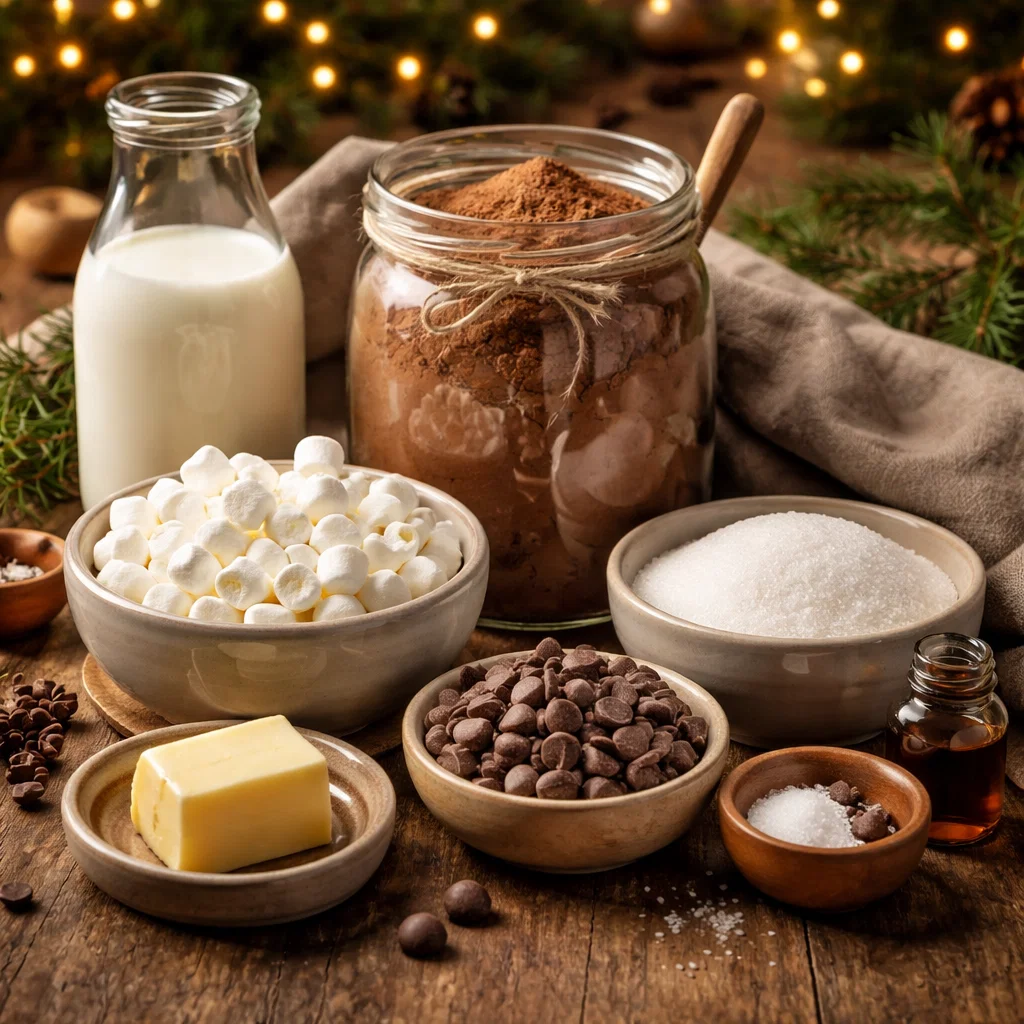
- 2 cups granulated sugar
- ½ cup whole milk
- ½ cup (1 stick) butter
- ¼ cup unsweetened cocoa powder
- ½ cup creamy peanut butter
- 3 cups quick-cooking oats
- 1 teaspoon vanilla extract
- ¼ teaspoon salt
Essential Equipment:
- Candy thermometer (this matters!)
- Heavy-bottomed saucepan
- Wooden spoon
- Wax paper or parchment paper
- Cookie scoop (optional)
Optional Additions:
- ½ cup shredded coconut
- ½ cup chopped pecans
- 1 tablespoon instant coffee (deepens chocolate flavor)
- ½ teaspoon cinnamon
Understanding Why No Bake Cookies Fail
No bake cookies fail for one primary reason: incorrect boiling temperature. These aren’t regular cookies—they’re candy-making disguised as cookies.
When you boil sugar and butter together, you’re creating a sugar syrup. At 230°F, the sugar reaches the “thread stage” where it forms the perfect consistency for holding cookies together. Below 230°F, the syrup stays too liquid and your cookies won’t set. Above 235°F, the sugar begins crystallizing and you get grainy texture.
The boiling time varies based on your stove, altitude, humidity, and pan material. That’s why recipes saying “boil for exactly one minute” cause so many failures. One minute might be perfect in Denver but completely wrong in Miami.
A candy thermometer eliminates all guesswork. When the mixture hits 230°F, you’re done—whether that takes 45 seconds or 3 minutes.
Stirring during the boil causes another major problem. It introduces air bubbles and encourages crystallization. Once your mixture starts boiling, stop stirring completely.
The Science Behind Perfect No Bake Cookies
Understanding the science helps you troubleshoot problems. The sugar and butter mixture creates your “glue.” The cocoa powder adds flavor and helps with texture. The peanut butter contributes fat and acts as an emulsifier. The oats provide structure.
When heated to exactly 230°F, sugar molecules align perfectly to create that fudgy texture. Too cool, and the molecules don’t align at all—your cookies stay gooey. Too hot, and they align too rigidly—your cookies become grainy and crumbly.
Peanut butter serves double duty. Its fat content adds richness, while its proteins help bind everything together. That’s why no bake cookies without peanut butter often fail—you’re missing a crucial structural element.
Quick-cooking oats absorb moisture at just the right rate. Old-fashioned oats are too thick and don’t absorb enough—your cookies stay sticky. Instant oats absorb too much and your cookies become dry.
How to Make No Bake Chocolate Oat Cookies
Step 1: Prepare Your Workspace
Line two baking sheets with wax paper or parchment paper. Set them near your stove—you’ll need to work quickly once the mixture is ready.
Measure all your ingredients before you start cooking. Once you begin, there’s no time to measure anything. Have your candy thermometer ready and tested.
Step 2: Combine Sugar, Milk, Butter, and Cocoa
In a heavy-bottomed saucepan (heavy bottom distributes heat evenly), combine sugar, milk, butter, and cocoa powder. Stir together before you turn on the heat.
Place over medium-high heat. Stir constantly until the butter melts and everything combines smoothly. This takes about 2 minutes.
Step 3: Boil to Exactly 230°F
Once the mixture starts boiling, stop stirring immediately. Clip your candy thermometer to the side of the pan, making sure the bulb doesn’t touch the bottom.
Watch the temperature carefully. The mixture will reach 230°F in 1-3 minutes depending on your stove. The moment it hits 230°F, remove from heat immediately. Don’t let it go higher—even 2-3 degrees makes a difference.
Step 4: Add Peanut Butter and Oats
Remove from heat and immediately add peanut butter, vanilla extract, and salt. Stir vigorously until the peanut butter melts completely and incorporates smoothly, about 30 seconds.
Add the oats all at once. Stir quickly but thoroughly until every oat is coated with the chocolate mixture. Work fast—the mixture starts setting as it cools.
Step 5: Drop Cookies Quickly
Using a cookie scoop or two spoons, drop heaping tablespoons of mixture onto the prepared wax paper. Work as quickly as possible—the mixture thickens rapidly.
Don’t worry about perfect shapes. These are rustic cookies. Slightly imperfect shapes add to their homemade charm.
Step 6: Cool Completely
Let the cookies sit at room temperature for 30 minutes until completely firm. Don’t refrigerate them—rapid cooling can cause condensation and make them sticky.
Once firm, they’re ready to eat. The texture should be fudgy and slightly chewy, not crumbly or grainy.
Pro Tips for Perfect No Bake Cookies
Use a Candy Thermometer: This is non-negotiable. Guessing temperature causes 90% of no bake cookie failures. Digital candy thermometers are cheap and accurate.
Don’t Stir During Boiling: Stirring introduces crystals that make cookies grainy. Once it boils, leave it alone until it reaches temperature.
Work Quickly After Adding Oats: The mixture sets fast. Have your workspace ready before you start cooking so you can drop cookies immediately.
Use Heavy-Bottomed Pan: Thin pans create hot spots that burn the sugar. Heavy pans distribute heat evenly for smooth results.
Measure Oats Correctly: Pack the oats into your measuring cup. Loosely measured oats mean too much liquid—your cookies won’t set.
Room Temperature Setting Works Best: Refrigeration causes condensation. Room temperature cooling creates the ideal texture.
Test Your Thermometer: Boil water and make sure your thermometer reads 212°F at sea level. If it’s off, adjust accordingly.
Troubleshooting Common Problems
Cookies Won’t Harden: You didn’t boil long enough or didn’t reach 230°F. Next time, use a thermometer and boil until it reaches proper temperature.
Cookies Are Grainy and Crumbly: You boiled too long or above 235°F. The sugar crystallized. Use a thermometer to prevent overboiling.
Cookies Are Too Sticky: You added too much milk or didn’t measure oats correctly. Make sure you’re using exact measurements and quick-cooking oats.
Cookies Fell Apart: You stirred during boiling or the mixture cooled too much before you dropped them. Work faster and stop stirring once it boils.
Mixture Seized Up in Pan: You waited too long after adding oats. Next time, have your workspace completely ready before you start cooking.
Easy Variations to Try
Peanut Butter Lovers: Increase peanut butter to ¾ cup for more intense peanut butter flavor that balances the chocolate.
Coconut Addition: Stir in ½ cup shredded coconut with the oats for tropical twist and extra texture.
Espresso Chocolate: Add 1 tablespoon instant coffee powder with the cocoa for deeper, more sophisticated chocolate flavorAdd 1 tablespoon instant coffee powder with the cocoa for deeper, more sophisticated chocolate flavor.
Nutty Crunch: Fold in ½ cup chopped pecans or walnuts for extra crunch and richness.
No Peanut Butter Version: Replace peanut butter with additional ¼ cup butter and increase vanilla to 2 teaspoons. Less traditional but works for allergies.
Cinnamon Spice: Add ½ teaspoon cinnamon with the cocoa for warm, spiced undertones.
Why Quick-Cooking Oats Matter
The type of oats you use makes or breaks no bake cookies. Quick-cooking oats are partially cooked and rolled thinner than old-fashioned oats. This processing means they absorb liquid faster and more completely.
Old-fashioned oats are too thick. They don’t absorb enough moisture in the short time before the mixture sets, leaving you with sticky, gooey cookies that never firm up properly.
Instant oats are too fine. They absorb moisture too quickly and too completely, creating dry, crumbly cookies that fall apart.
Quick-cooking oats hit the perfect middle ground. They absorb just the right amount of moisture in just the right amount of time, creating that ideal chewy-fudgy texture.
If you only have old-fashioned oats, you can pulse them briefly in a food processor to break them down slightly. Don’t turn them into powder—just break them into smaller pieces.
Storage and Shelf Life
Store no bake cookies in an airtight container at room temperature. They stay fresh for up to one week, though they rarely last that long in my house.
Layer them between sheets of wax paper or parchment to prevent sticking. Don’t refrigerate unless your kitchen is extremely hot—refrigeration makes them too hard.
These cookies actually taste better on day two. The flavors meld together and the texture improves slightly as they age.
You can freeze no bake cookies for up to 3 months. Place them in a single layer in a freezer container with wax paper between layers. Thaw at room temperature for 15 minutes before eating.
Frequently Asked Questions
Why did my no bake cookies turn out grainy?
You boiled the mixture too hot or too long, causing sugar crystallization. The mixture needs to reach exactly 230°F, then be removed immediately from heat. Use a candy thermometer for accuracy.
Can I make no bake cookies without a candy thermometer?
It’s possible but risky. Boil for exactly 90 seconds after the mixture reaches a full rolling boil. This works in most conditions but altitude and humidity affect results.
Why won’t my no bake cookies harden?
You didn’t boil long enough or didn’t reach 230°F. The mixture needs to hit proper temperature to create the sugar structure that makes cookies firm up.
Can I use old-fashioned oats instead of quick-cooking?
Not recommended. Old-fashioned oats don’t absorb moisture fast enough, leaving you with sticky cookies that won’t set properly. Quick-cooking oats are essential.
How do I fix no bake cookies that didn’t set?
If they’re still in the pan, return to heat and boil for another 30 seconds, then quickly re-drop them. If already dropped, there’s unfortunately no fix.
Can I make no bake cookies without peanut butter?
Yes, but replace it with ¼ cup additional butter for proper fat content. The texture will be slightly different but still delicious. Some families prefer this version.
Conclusion
Grandma’s no bake chocolate oat cookies represent the perfect intersection of simplicity and precision. These classic treats require just a handful of ingredients and no oven, yet they demand careful attention to temperature for perfect results. The secret that separates successful batches from grainy disasters is hitting exactly 230°F during boiling—a detail most recipes gloss over.
Once you understand that these cookies are essentially quick fudge rather than traditional cookies, everything makes sense. The candy thermometer becomes your best friend, and failures become victories. Whether you’re avoiding a hot kitchen in summer, need a quick dessert for unexpected guests, or want to teach kids about candy-making science, while exploring how vintage American kitchens actually worked. These no bake cookies deliver reliable deliciousness. Ready to make cookies that actually set up properly? Grab your candy thermometer, measure your ingredients precisely, and discover why grandma’s batch always turned out perfect while everyone else’s failed. In just forty minutes from start to finish, you’ll have chewy, fudgy cookies that prove sometimes the simplest recipes require the most precision.