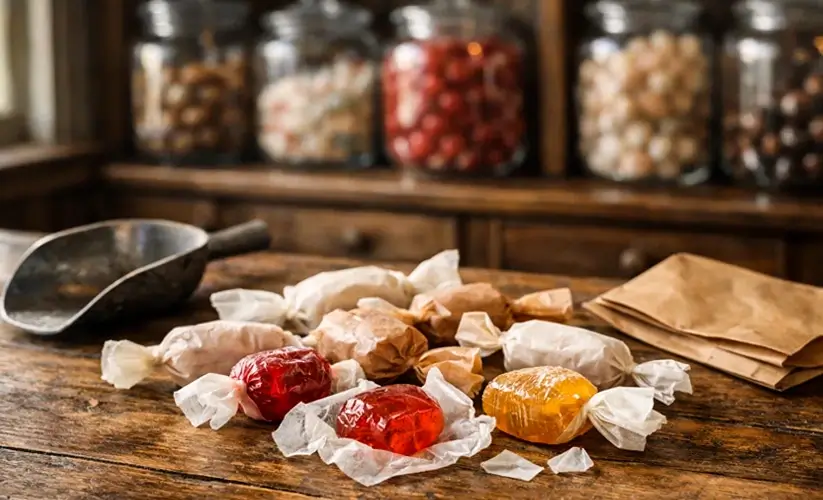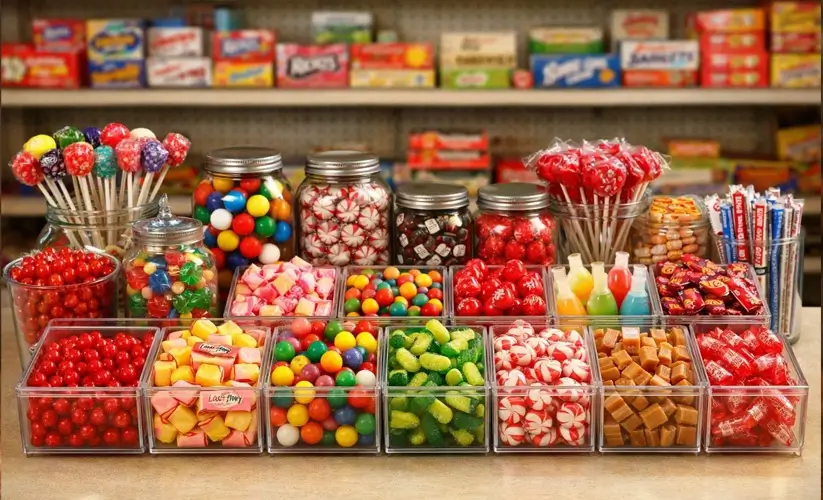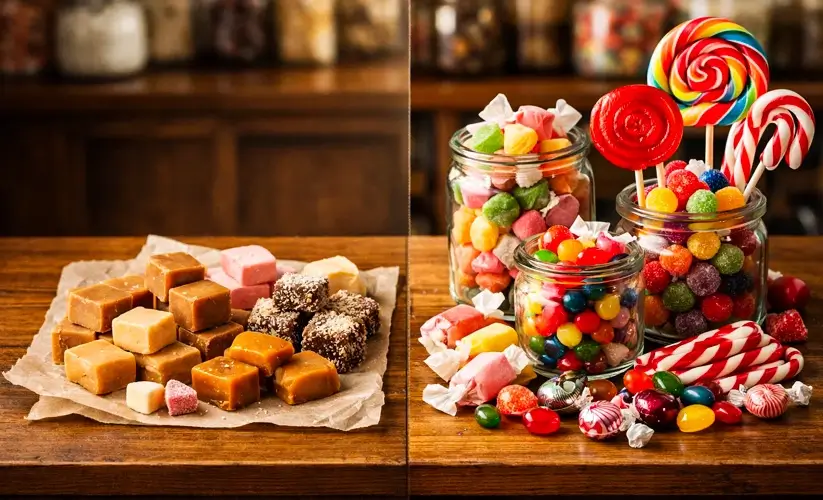
1950s Penny Candy Recipe: DIY Homemade Penny Sweets from the Golden Era
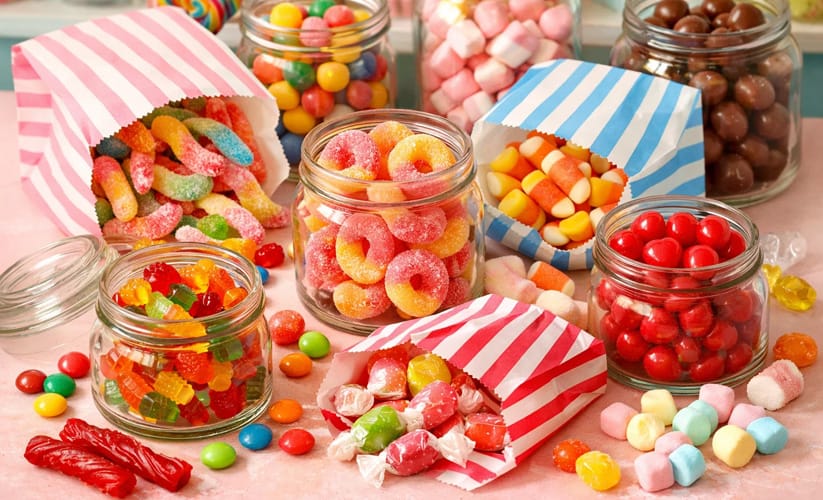
1950s Penny Candy Recipe: DIY Homemade Penny Sweets from the Golden Era
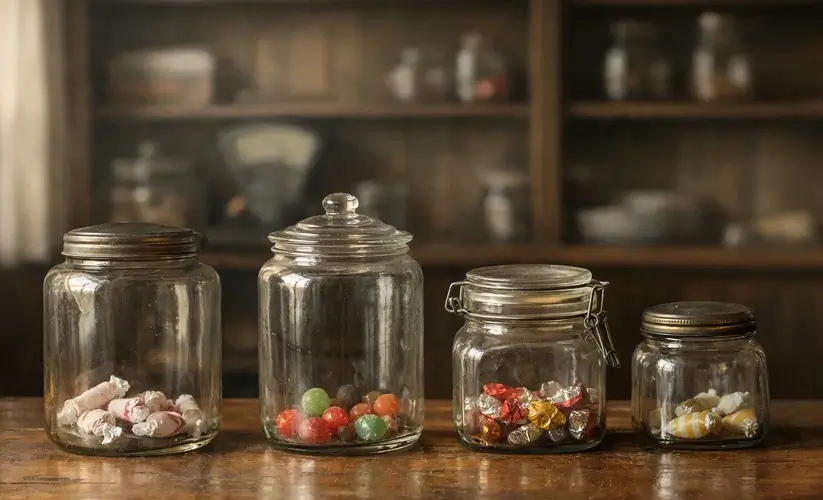
Penny sweets from the 1950s represent a cherished chapter in American candy history when children could purchase genuine treats for just one penny. These affordable penny candy from the 50s and 60s captured the imagination of young candy lovers everywhere, offering simple pleasures that defined childhood joy and made indulgence accessible to every child regardless of economic background. The 1950s penny candy era stands out as a golden age when penny sweets made genuine treats affordable for all, creating lasting memories of corner store visits and pocket money spent wisely.
Creating homemade penny sweets allows you to recreate this authentic vintage penny candy experience while honoring the traditions and techniques that made penny candy from the 50s and 60s so beloved. This comprehensive guide teaches you how to make authentic penny sweets from scratch using traditional methods, simple ingredients, and the candy-making wisdom that defined the golden era of penny candy. Whether you’re nostalgic for genuine penny candy from your childhood or introducing younger generations to this iconic American tradition, homemade penny sweets offer an affordable, meaningful connection to the past.
Preparation & Cooking Information
Ingredients for Homemade 1950s Penny Sweets
Candy Base Ingredients:
- 2 cups granulated sugar (400g)
- 3/4 cup light corn syrup (255g)
- 3/4 cup water (180ml)
- 1/4 teaspoon cream of tartar (prevents crystallization)
- 1/4 cup butter (57g)
- 1/2 teaspoon vanilla extract
- 1/4 teaspoon food-grade flavoring oil (cherry, lemon, lime, or orange—classic 1950s penny candy flavors )
- 2-3 drops food coloring matching chosen flavor
- 1/4 teaspoon salt
Optional Finishing:
- Powdered sugar for dusting (gives authentic penny candy appearance)
Equipment:
- Parchment paper
- Candy thermometer
- Medium saucepan with thick bottom
- Wooden spoon
Complete 7-Step Recipe Instructions
Step 1: Prepare Your Workspace Prepare workspace by lining a baking sheet with parchment paper. Gather candy thermometer, medium saucepan, wooden spoon, and all measured ingredients. Have flavoring oil and food coloring ready near your workspace. This preparation ensures smooth penny candy production without interruptions, just like candy makers did in the 1950s penny candy era.
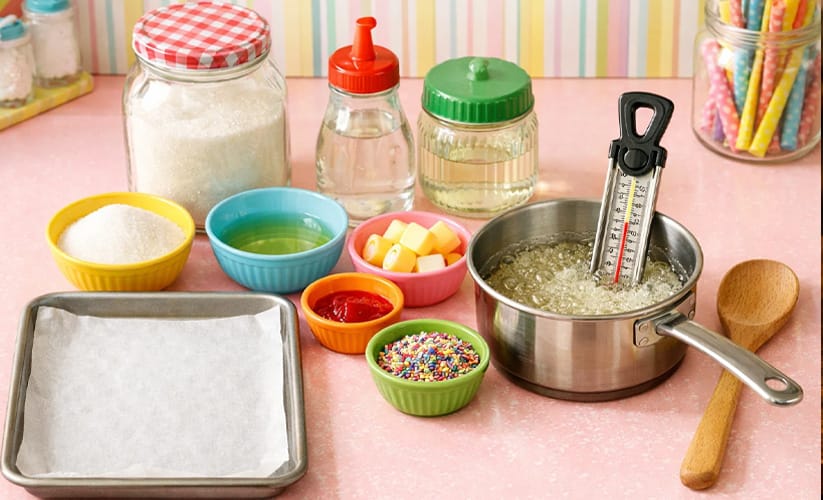
Step 2: Combine Ingredients and Heat In medium saucepan with thick bottom, combine 2 cups sugar, 3/4 cup corn syrup, 3/4 cup water, and 1/4 teaspoon cream of tartar. Stir over medium heat until sugar dissolves completely, about 3-4 minutes. Cream of tartar prevents crystallization in authentic penny candy. Insert candy thermometer and stop stirring completely.
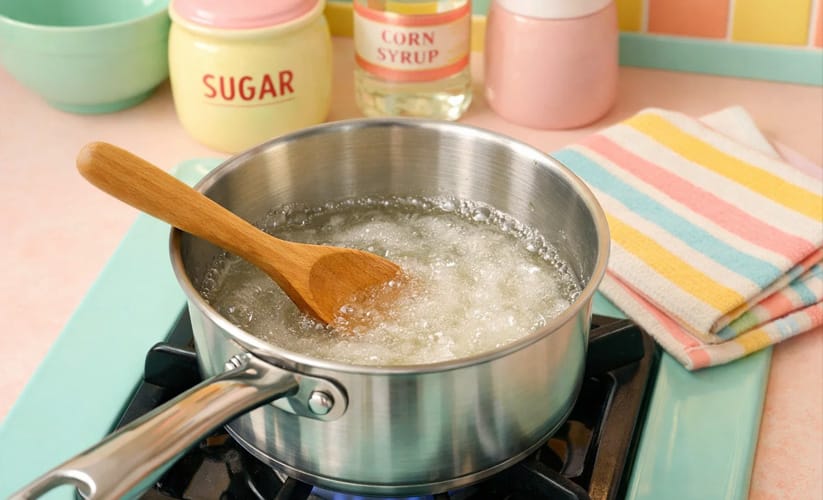
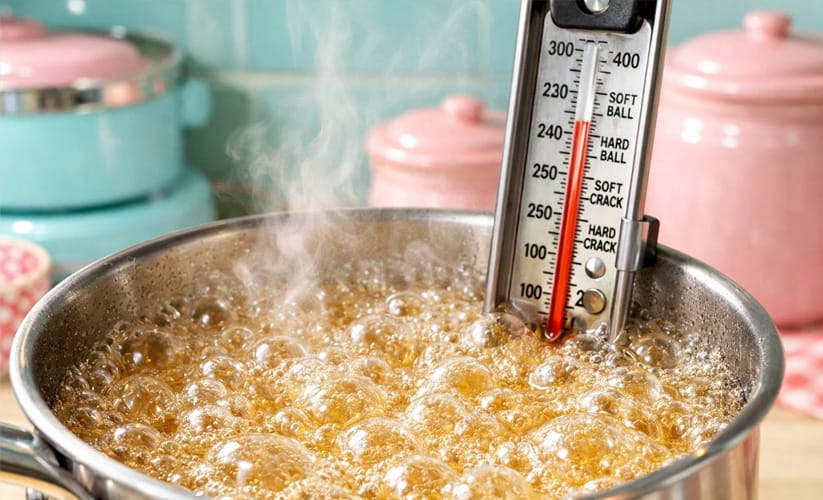
Step 3: Cook to Hard-Crack Stage Increase heat to medium-high and cook undisturbed until thermometer reaches 300-310°F (hard-crack stage), approximately 10-15 minutes. Watch as syrup transforms from clear to pale golden amber. This is the temperature that created perfect penny sweets in the 1950s penny candy shops. Do not stir or disturb the mixture..
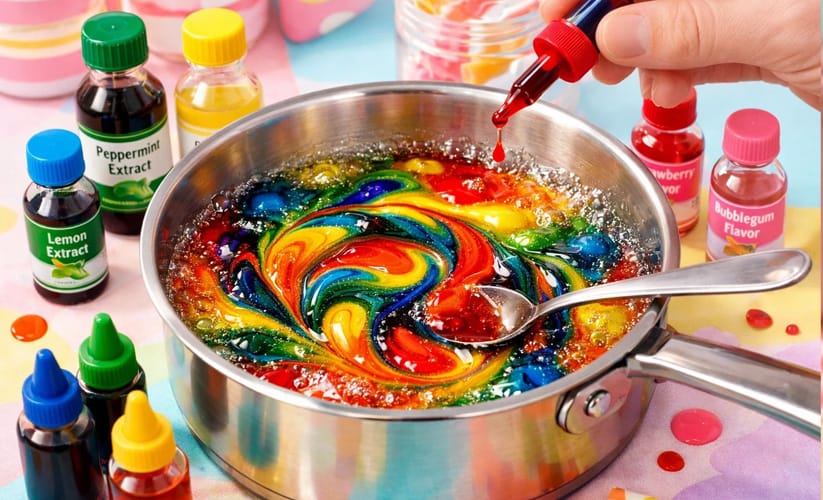
Step 4: Add Flavoring and Color Remove saucepan from heat immediately at 300-310°F. Quickly add 1/4 cup butter, 1/2 teaspoon vanilla extract, 1/4 teaspoon flavoring oil (cherry, lemon, lime, or orange), 2-3 drops food coloring, and 1/4 teaspoon salt. Stir gently for 30 seconds only. Your authentic penny sweets mixture is now ready for shaping.
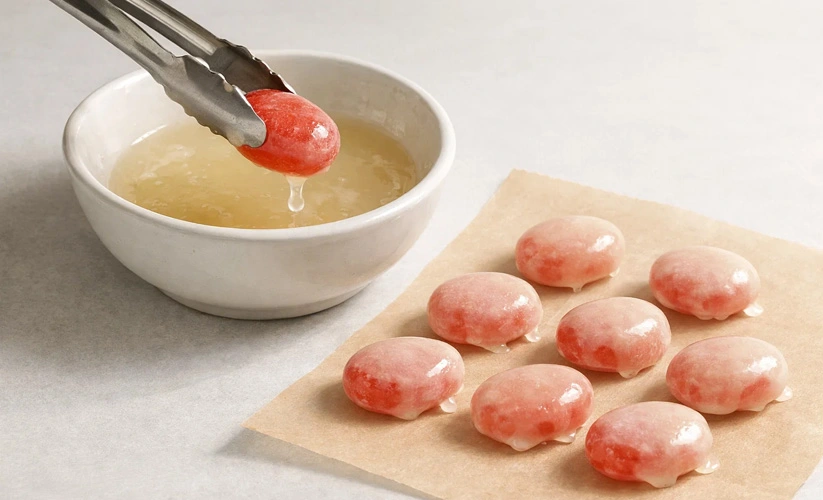
Step 5: Drop Penny Sweets onto Parchment Working quickly while mixture is still pourable, drop small spoonfuls onto parchment paper, creating 24-32 small pieces of penny candy from the 50s and 60s. Space pieces 1-2 inches apart. Work fast—the mixture hardens quickly as it cools. This mimics how penny candy makers created affordable penny sweets for children.
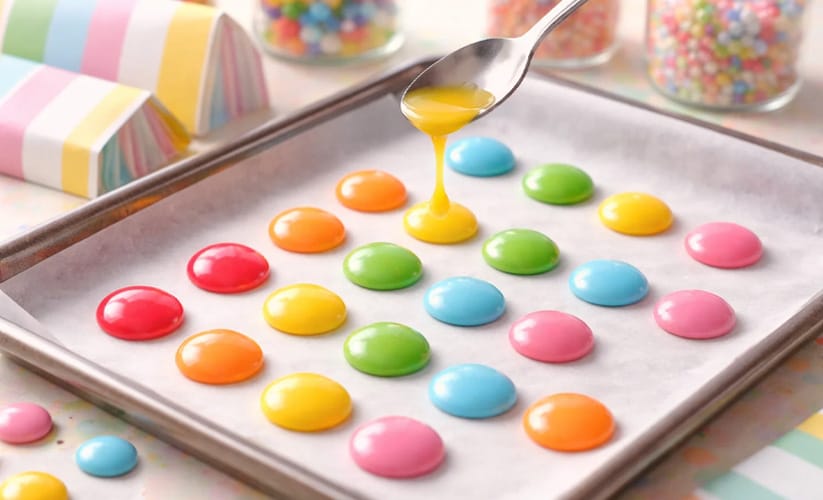
Step 6: Cool Completely at Room Temperature Allow penny sweets to cool completely at room temperature for 30-45 minutes until completely hardened. Do not refrigerate during this stage. Once hardened, you can dust with powdered sugar for authentic 1950s penny candy appearance. This creates that classic vintage penny candy look from the golden era.
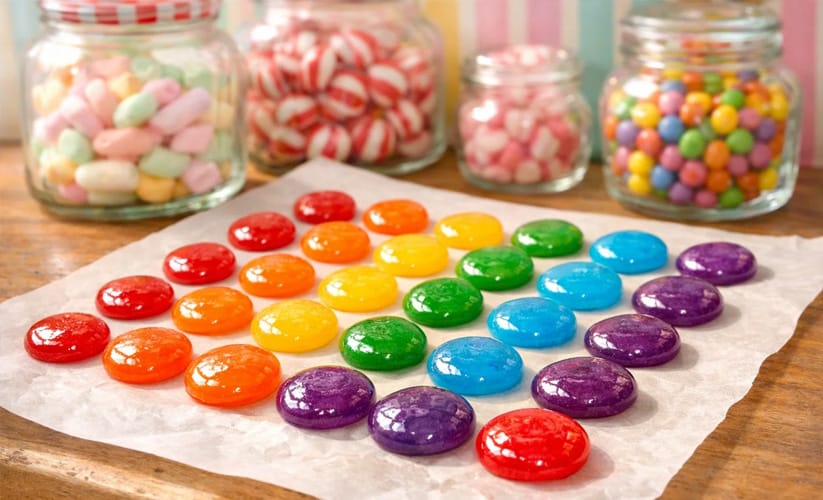
Step 7: Store and Enjoy Store finished penny sweets in airtight container at room temperature for up to 2 weeks. Each piece represents authentic penny candy from the 50s and 60s era. Enjoy your homemade penny candy, appreciating the simple pleasures that made penny sweets so beloved by children everywhere.
Pro Tips for Perfect Penny Sweets
Temperature Control is Critical: Use a reliable candy thermometer. Hard-crack stage (300-310°F) creates perfect penny candy texture. This temperature was crucial in the 1950s penny candy shops that made these sweets affordable for children.
Never Stir After Boiling: Stirring after boiling begins causes crystallization, ruining penny sweets texture. Let mixture cook undisturbed until reaching target temperature, honoring traditional penny candy-making techniques.
Cream of Tartar Prevents Crystallization: This ingredient is essential for smooth penny candy. This secret ingredient helped 1950s penny candy makers create perfect penny sweets consistently.
Work Quickly During Shaping: The mixture hardens fast. Have parchment paper ready and work quickly to shape all pieces before the mixture becomes too hard to drop.
Authentic Flavor Choices: Classic penny candy from the 50s and 60s featured cherry, lemon, lime, and orange. These simple, pure flavors defined the 1950s penny candy era.
Powdered Sugar Finish: Dusting finished penny sweets with powdered sugar creates authentic appearance of vintage penny candy from the 50s and 60s.
Proper Storage: Keep penny sweets in airtight container at room temperature away from humidity. This preserves the texture and keeps penny candy fresh for up to 2 weeks.
Nutritional Information Per Piece of Penny Sweets
- Calories: 65 calories per piece
- Total Fat: 0.5g
- Carbohydrates: 16g
- Sugars: 15g
- Protein: 0g
- Sodium: 10mg
- Fiber: 0g
Penny sweets are pure sugar treats, best enjoyed occasionally as nostalgic indulgence representing the 1950s penny candy era. The small portion size naturally encourages moderation while capturing the authentic penny candy from the 50s and 60s experience.
Frequently Asked Questions About 1950s Penny Sweets
Q1: What are penny sweets from the 1950s penny candy era? Penny sweets were affordable candies sold for one penny during the 1950s penny candy era. These penny candy from the 50s and 60s included hard candies, taffy, lollipops, and wax bottles. Penny sweets made candy accessible to every child, creating cherished memories of the golden era of penny candy culture. Curious about British traditions? See how they compare in our penny sweets vs penny candy guide.
Q2: How much did penny candy from the 50s and 60s actually cost? Authentic penny candy from the 50s and 60s typically cost just one penny, making penny sweets the most affordable treat available. During this 1950s penny candy era, children could buy multiple penny candy items with pocket money. This affordability defined the penny candy from the 50s and 60s experience uniquely.
Q3: What flavors were popular for penny sweets in the 1950s? Popular penny candy from the 50s and 60s flavors included cherry, lemon, lime, orange, and grape. These penny sweets offered simple, pure flavors that defined the 1950s penny candy era. Modern homemade penny candy can recreate these classic penny candy flavors from the golden era. For even more variety, try our homemade penny candy jar mix recipe.
Q4: Why are penny sweets nostalgic for so many people? Penny candy from the 50s and 60s represents cherished childhood memories when simple pleasures brought genuine joy. The 1950s penny candy era created lasting nostalgia for penny sweets because they were affordable, accessible, and represented innocent childhood fun. Penny candy from the 50s and 60s holds special meaning in American candy history.
Q5: How do I store homemade penny sweets long-term? Store homemade penny sweets in airtight containers at room temperature for up to 2 weeks. Keep penny candy from the 50s and 60s away from humidity. For extended storage, freeze in airtight containers for up to one month. Thaw at room temperature before enjoying your vintage penny candy.
Conclusion
Creating homemade penny sweets from scratch offers more than just a tasty treat—it provides a meaningful connection to American candy history, childhood nostalgia, and the resourcefulness of an earlier era. This authentic 1950s penny candy recipe proves that the simple pleasures of the golden era can be recreated at home using basic ingredients and traditional techniques. Penny candy from the 50s and 60s represented affordable indulgence during an era when penny sweets brought genuine joy to children everywhere. Whether you’re nostalgic for authentic penny candy from your own childhood or introducing younger generations to this iconic American tradition, homemade penny sweets offer an affordable, meaningful, and deeply rewarding experience.
The combination of hands-on candy-making, flavor customization, and authentic nostalgia makes homemade penny sweets a worthwhile project that honors the simplicity and joy of vintage penny candy culture. For a fun visual journey back to the golden era, explore this vintage candy history playlist on YouTube. Master this recipe, experiment with classic 1950s penny candy flavors, and rediscover why penny candy from the 50s and 60s captivated childhoods for generations. These simple pieces of candy represent more than confections—they represent cherished memories, affordable childhood pleasures, and the timeless appeal of penny sweets that defined American childhood for over a century. Create your own penny candy from the 50s and 60s today and celebrate the golden era of penny candy through homemade penny sweets. Discover more nostalgic candy recipes and history at NostalgicEats.com.