Potato Bread Recipe: Soft, Fluffy Homemade Loaf

The warm, yeasty scent filling your kitchen, the golden crust crackling as it cools—that’s the magic of homemade potato bread. Born from Depression-era resourcefulness when cooks used every scrap, this bread transforms leftover mashed potatoes into tender, pillowy loaves that stay fresh days longer than ordinary bread. The secret? Those potatoes add moisture and a subtle sweetness while creating the most tender texture you’ll ever slice. One bite of toast slathered with butter, and you’ll understand why grandmothers guarded this recipe like treasure.
Recipe Quick Stats
Potato Bread: At-a-Glance
Ingredients You’ll Need
Main Ingredients:
- 1 cup mashed potatoes (plain, no milk or butter added)
- 1 cup potato water (cooking liquid from boiled potatoes), cooled to lukewarm
- 2 tablespoons sugar
- 2 tablespoons shortening or butter, softened
- 2 teaspoons salt
- 1 package active dry yeast (2¼ teaspoons)
- ¼ cup warm water (105-115°F)
- 5½ to 6 cups all-purpose flour
How to Make Potato Bread Recipe
Preparing the Yeast
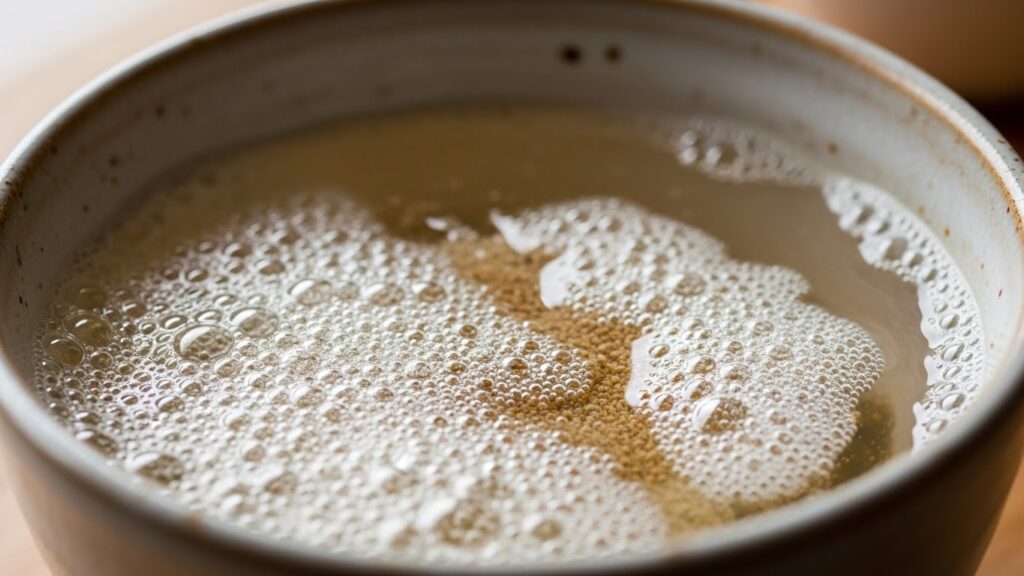
Step 1: In a small bowl, sprinkle yeast over ¼ cup warm water. The temperature matters—too hot kills the yeast, too cool and it won’t activate. Let stand until foamy and bubbly on top, about 5-10 minutes. This proves your yeast is alive and ready to work.
Mixing the Dough
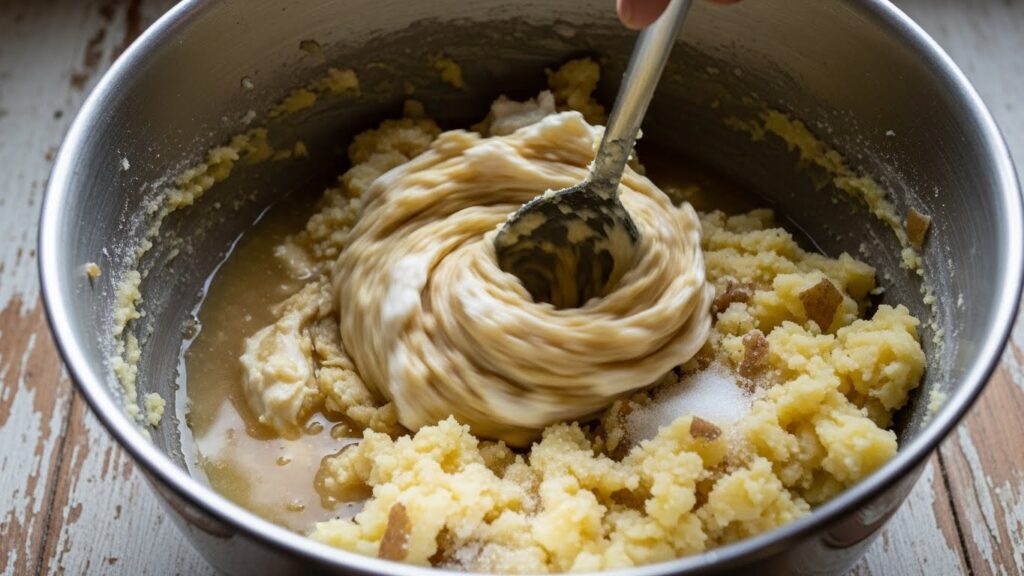
Step 2: In a large mixing bowl, combine mashed potatoes, lukewarm potato water, sugar, softened shortening, and salt. Stir vigorously until well blended. The mixture will look lumpy and slightly separated—this is normal.
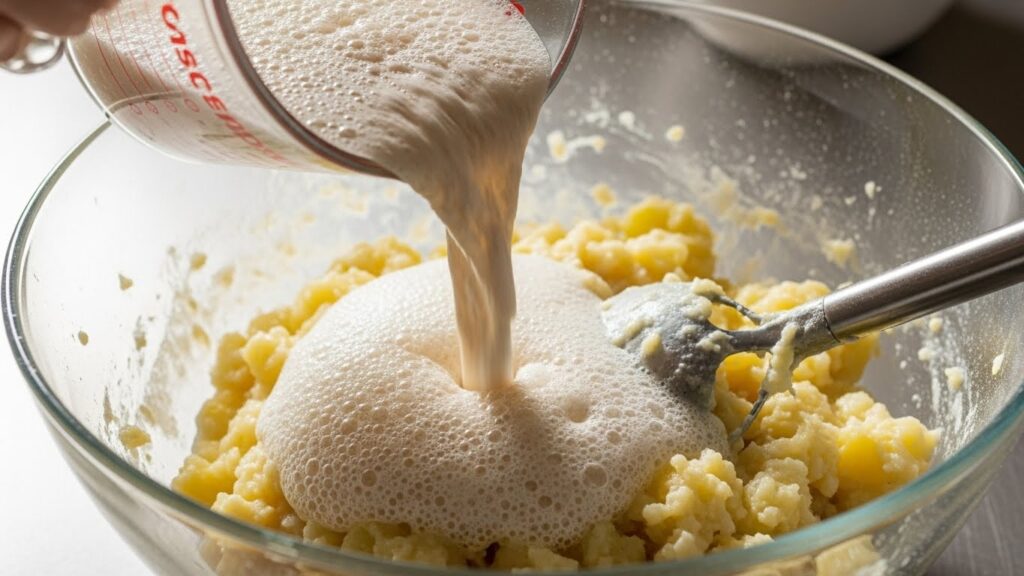
Step 3: Pour in the foamy yeast mixture and stir thoroughly. The potato mixture should be lukewarm, not hot, or it will kill the yeast.
Step 4: Add flour one cup at a time, stirring after each addition. After about 4 cups, the dough will become too thick to stir. Add remaining flour gradually until dough pulls away from the bowl sides and forms a shaggy mass. You may not need all the flour—stop when the dough is slightly sticky but manageable.

Kneading and First Rise
Step 5: Turn dough onto a generously floured surface. Knead for 8-10 minutes, pushing the dough away with the heels of your hands, folding it back, and turning it a quarter turn. Add small amounts of flour if it sticks, but resist adding too much—potato bread should remain slightly tacky. The dough is ready when it becomes smooth, elastic, and springs back when poked.

Step 6: Place dough in a greased bowl, turning once to coat all sides. Cover with a clean kitchen towel or plastic wrap and set in a warm, draft-free spot. Let rise until doubled in size, about 1 hour. To test, poke two fingers into the dough—if the indentations remain, it’s ready.

Shaping and Second Rise
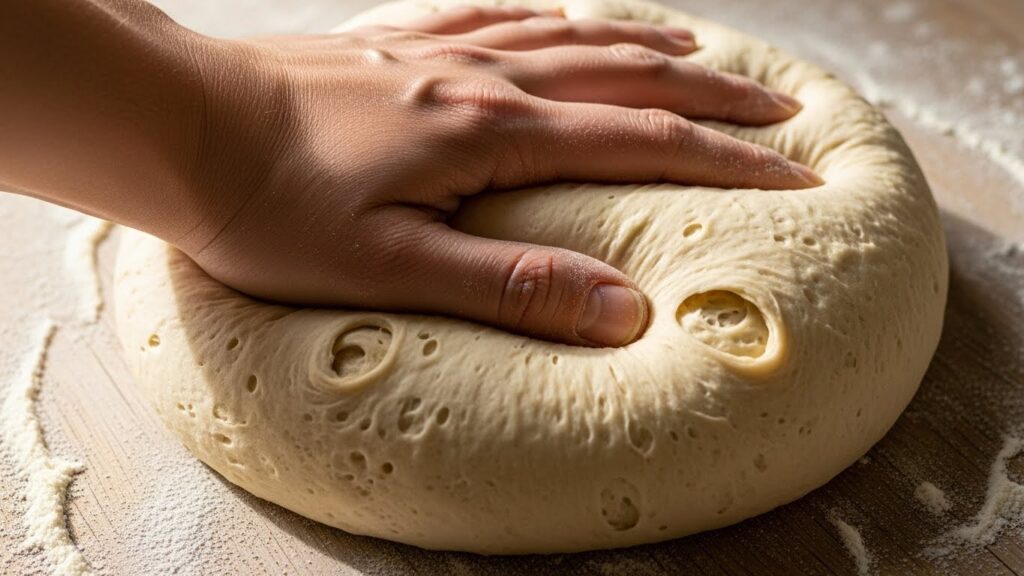
Step 7: Punch down the risen dough with your fist to release air bubbles. Turn it out onto a lightly floured surface and divide in half using a bench scraper or knife.
Step 8: Shape each half into a loaf by flattening it into a rectangle roughly 9 inches wide. Roll tightly from the short end, pinching the seam closed. Tuck the ends under and pinch to seal. Place each loaf seam-side down in a greased 9×5-inch loaf pan.
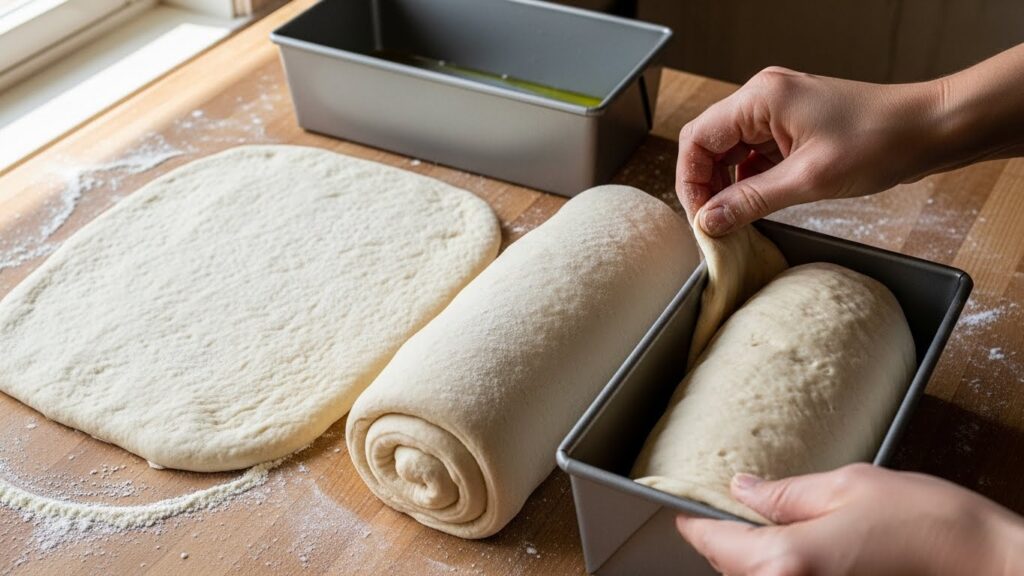
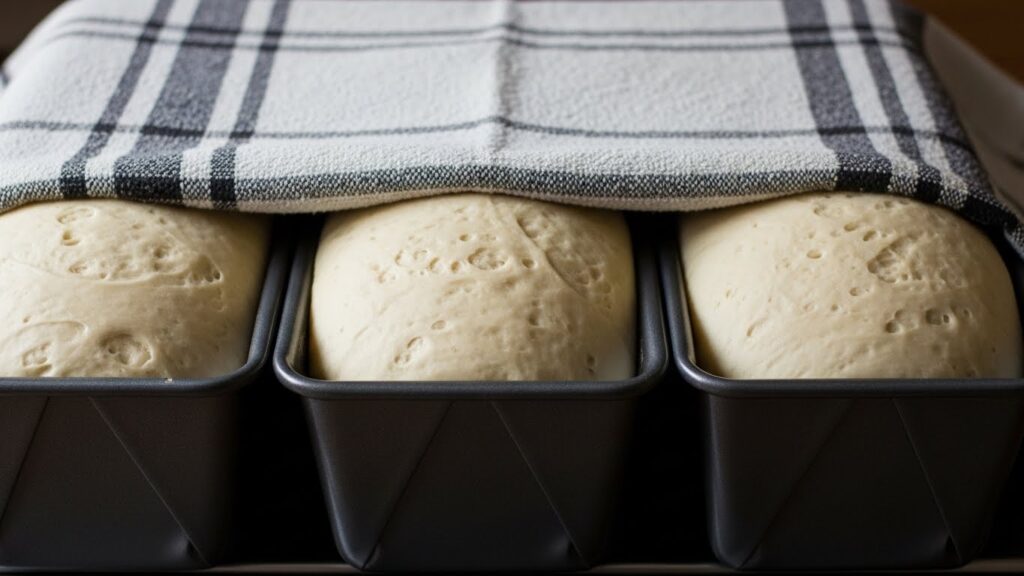
Step 9: Cover loaves with a towel and let rise in a warm place until doubled, about 45 minutes. The dough should dome about 1 inch above the pan rims. This second rise creates the light, airy texture.
Baking
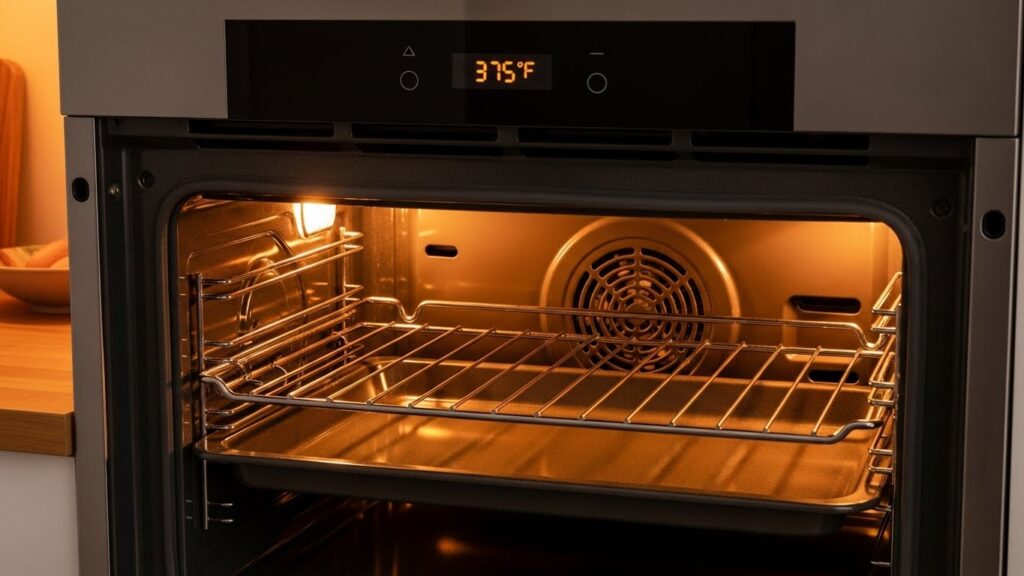
Step 10: About 15 minutes before the second rise finishes, preheat oven to 375°F. Position the rack in the lower third of the oven for even browning.
Step 11: Bake loaves for 30-35 minutes until deep golden brown on top. The internal temperature should reach 190-200°F when tested with an instant-read thermometer. Tap the bottom of a loaf—it should sound hollow.
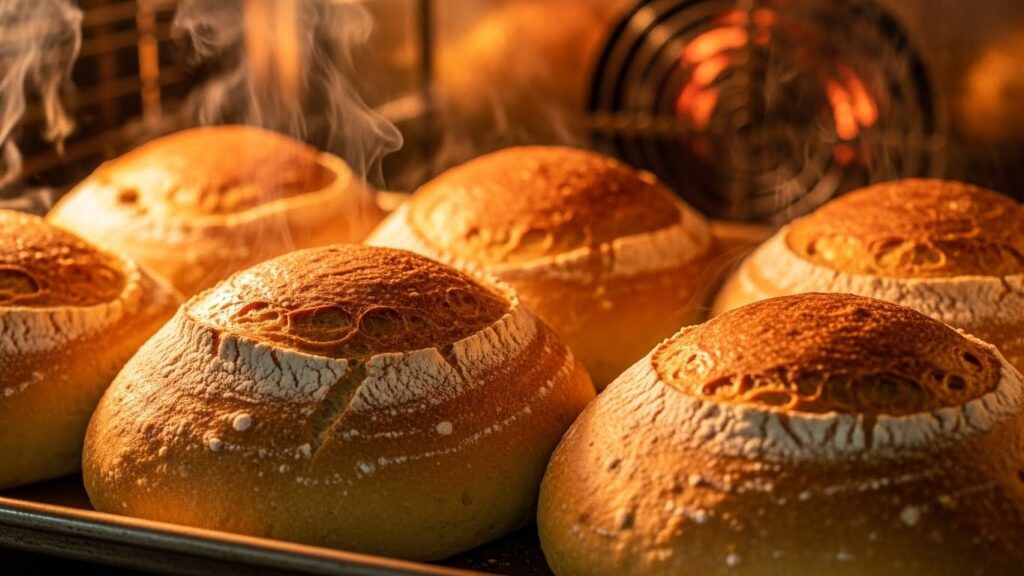
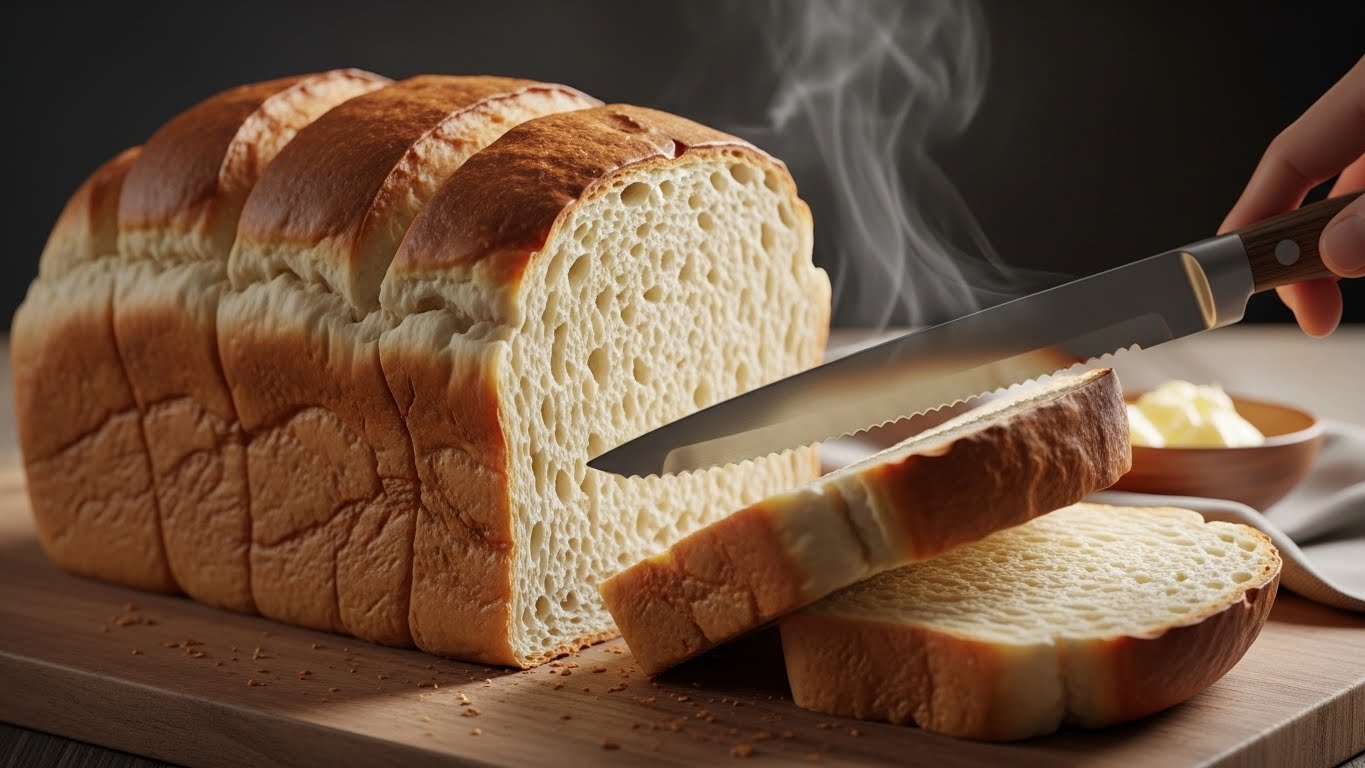
Step 12: Remove from pans immediately and transfer to wire racks. The crust will soften if left in the pans. Let cool at least 20 minutes before slicing—cutting warm bread compresses the texture.
Why This Is an Easy Potato Bread Recipe
Unlike artisan breads that demand precise temperatures and timing, potato bread forgives beginner mistakes. The potatoes add moisture that prevents the dough from drying out if you add slightly too much flour. The straightforward mixing method requires no special equipment—just a bowl and your hands. The dough is pleasant to work with, not tough or resistant. Even if your shaping isn’t perfect, the bread still bakes up beautifully. This recipe uses basic pantry ingredients and transforms leftovers into something better than what you’d buy at the store.
What Is Potato Bread?
Potato bread is yeast-leavened bread enriched with mashed potatoes and the starchy water from boiling them. The potatoes don’t make the bread taste like potatoes—instead, they add moisture, create an incredibly tender crumb, and extend freshness. The starch in potatoes helps the bread stay supple for days, while the moisture prevents it from going stale quickly. This bread became popular during hard times when resourceful cooks stretched flour supplies and used every ingredient available.
Does Potato Bread Taste Different?
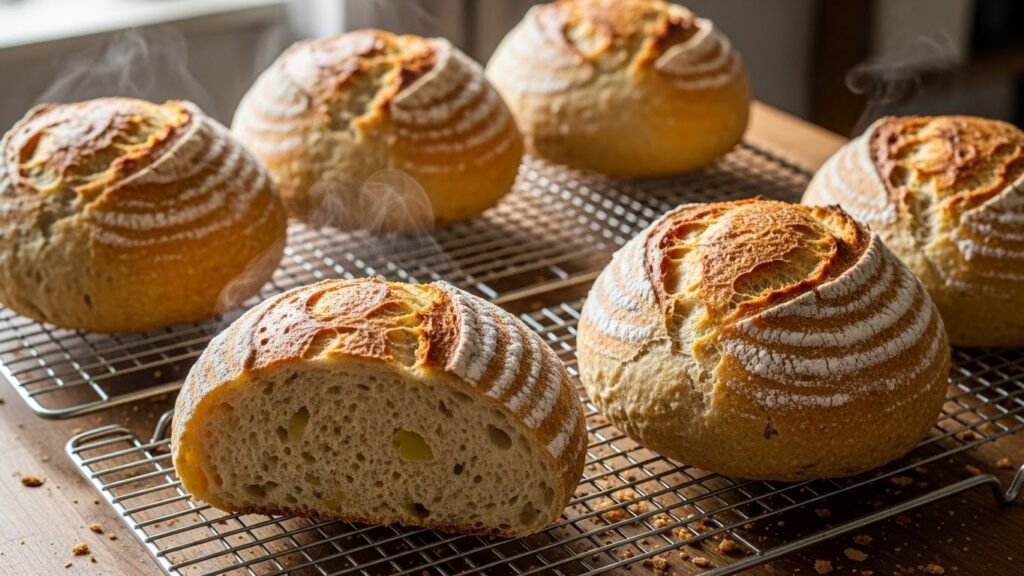
The flavor is subtly sweeter and richer than plain white bread, with a hint of earthiness that isn’t identifiable as potato. The texture stands out more—it’s remarkably tender with a fine crumb that tears perfectly. The crust develops a beautiful golden color and slightly chewy texture that contrasts wonderfully with the pillowy interior.
Simple Recipe Tips
1: Save potato water specifically for bread-making. It contains valuable starch and flavor that boosts the bread’s texture. Let it cool to lukewarm before using—you should be able to hold your finger in it comfortably.
2: Use plain mashed potatoes without added milk, butter, or seasonings. Leftover mashed potatoes work if they’re plain. If using fresh, simply boil peeled potatoes until tender, drain (saving the water), and mash thoroughly until smooth.
3: The dough should feel slightly sticky after kneading. Resist the urge to add excessive flour. Sticky dough creates tender bread, while too much flour makes it dense.
Mistake to Avoid: Don’t rush the rising times. Fully risen dough is crucial for light, airy bread. Underproofed bread comes out dense and heavy.
Old Fashioned Potato Bread: A Depression-Era Classic
During the 1930s, when families stretched every penny, creative cooks discovered that adding potatoes made flour go further while improving bread quality. Farm women boiled potatoes for dinner, saved the cooking water, and used both in the next day’s bread. The bread stayed fresh through the week without refrigeration, reducing waste. This recipe represents American ingenuity, turning scarcity into something delicious that’s still worth making today.
How to Make Potato Bread at Home Successfully
Success starts with proper yeast activation—that foamy proof in Step 1 confirms your yeast is working. Use lukewarm liquids throughout; hot liquids kill yeast while cold liquids slow it down dramatically. Create a warm rising environment by placing the bowl near a warm oven, on top of the refrigerator, or in an oven with just the light on. Knead until the dough passes the windowpane test—stretch a small piece and it should form a thin, translucent membrane without tearing. Don’t skip the second rise; it’s essential for proper texture. Finally, resist slicing too soon—warm bread compresses and becomes gummy.
Potato Bread Without Milk: Why It Works
This recipe contains no milk, making it dairy-free friendly when you use shortening instead of butter. The potato and potato water provide all the moisture and richness milk would normally contribute. The result is bread that’s just as tender and flavorful without any dairy products. This makes it suitable for those avoiding lactose while maintaining the traditional texture and taste that made this bread a staple.
Perfect Pairings
The mild, slightly sweet flavor makes this bread extraordinarily versatile. It creates superior sandwiches—try it with our grandma’s chicken noodle soup for dunking. The tender texture handles hearty fillings without falling apart. Toast it for breakfast with butter and jam, or use it for French toast where it soaks up egg mixture perfectly without getting soggy. It pairs beautifully with homemade tomato soup for a comforting lunch. The neutral flavor also makes it ideal for everything from peanut butter to deli meats.
Serving Suggestions
Serve warm slices with butter melting into the crumb. For breakfast, toast until golden and top with jam or honey. Make classic sandwiches where the tender texture doesn’t compete with fillings. Use day-old slices for exceptional grilled cheese—the potato content creates a crispy exterior while keeping the inside pillowy. Cut thick slices for serving alongside soups and stews, perfect for soaking up every drop. The bread also makes outstanding bread pudding or stuffing when it’s a few days old.
Storage and Leftover Advice
This bread stays fresh longer than regular bread due to the potato content. Store completely cooled loaves in a bread box or paper bag at room temperature for up to 4 days—the crust stays slightly crisp while the interior remains tender. For longer storage, slice the bread and freeze in resealable bags for up to 3 months. Remove slices as needed and toast directly from frozen, or thaw at room temperature for 15 minutes. Don’t refrigerate bread—it accelerates staling and makes the texture dry and crumbly. If the bread starts going stale, toast it or make French toast, bread crumbs, or croutons.
Is Potato Bread Healthier Than White Bread?
Potato bread offers slightly more nutrients than plain white bread, including potassium and vitamin C from the potatoes. It typically has a similar calorie count per slice but provides more fiber and minerals. The higher moisture content means you feel satisfied with less, potentially reducing overall intake. While it’s not a health food, it’s a better choice than standard commercial white bread, especially when homemade with quality ingredients. The lack of preservatives and additives also makes it a cleaner option for those concerned about processed foods.
Frequently Asked Questions
1. Can I use instant mashed potatoes?
Fresh or leftover mashed potatoes work best. Instant potatoes lack the moisture and texture needed, often resulting in dense bread. If you must use them, reconstitute with less water than package directions suggest.
2. What if I don’t have potato water?
Use plain lukewarm water. The bread will still turn out well, though it won’t have quite the same tender texture. The potato water contributes extra starch that improves the crumb.
3. Why use potatoes in bread?
Potatoes add moisture that keeps bread tender for days longer than regular bread. They contribute starch that creates a fine crumb and slightly sweet flavor. The moisture also helps the bread stay fresh without preservatives.
4. Can I make this in a bread machine?
Yes, but results vary by machine. Add ingredients in the order your machine’s manual recommends (usually liquids first, then dry ingredients, with yeast last). Use the basic white bread setting. The texture may differ slightly from hand-kneaded loaves.
5. Can I make potato dinner rolls instead?
Absolutely. After the first rise, divide dough into 24 pieces and shape into rolls. Place on greased baking sheets, let rise 30 minutes, and bake at 375°F for 15-18 minutes.
6. My dough isn’t rising. What happened?
Check your yeast expiration date—old yeast won’t activate. Ensure your liquids were lukewarm, not hot or cold. The rising environment should be warm and draft-free, between 75-85°F.
7. Can I use bread flour instead of all-purpose?
Yes, but you’ll need slightly less—start with 5 cups and add more as needed. Bread flour creates a slightly chewier texture. All-purpose flour produces a more tender crumb that’s traditional for potato bread.
A Note from the Author
Potato bread connects us to resourceful cooks who transformed simple ingredients into comfort. Every slice carries the wisdom of grandmothers who knew that nothing should go to waste and that the best foods come from making the most of what you have. This bread isn’t just about potatoes—it’s about creating something warm and nourishing that brings people together. For more classic American recipes and the stories behind them, visit our breads and biscuits collection and subscribe to our Vintage Life of USA YouTube channel.
Conclusion
This tender homemade potato bread proves that some of the best recipes come from making the most of what you have. Using leftover mashed potatoes and the water from boiling them creates loaves that stay fresh longer, taste better, and provide more satisfaction than store-bought bread. The straightforward method works for beginners while the results impress everyone. Whether you’re drawn to the resourcefulness of old fashioned baking or simply want the best sandwich bread you’ve ever tasted, this potato bread from scratch delivers on every level. Make a batch this weekend and discover why this Depression-era classic deserves a place in your regular rotation.
Ready to transform leftover potatoes into bakery-quality bread? The tender texture and subtle sweetness will make this your new favorite homemade loaf. Find more nostalgic recipes at NostalgicEats.com!