Potato Sandwich: A Working-Class Heritage of Simple Sustenance
This working-class sandwich emerged from British and Irish immigrant kitchens, where potatoes were plentiful and meat was not, reflecting the agricultural realities and economic circumstances that shaped immigrant communities in America. Mothers mashed leftover boiled potatoes, seasoned them simply with salt and pepper, then spread the creamy mixture between slices of bread for a filling meal that could sustain working families through their difficult lives. The starch-on-starch combination might have seemed odd to outsiders observing from positions of relative privilege, but it kept laborers satisfied through long shifts and growing children full until supper, providing genuine nourishment and satisfaction despite its humble appearance.
Potato Sandwich: Quick Reference
Ingredients You’ll Need
For the Sandwich:
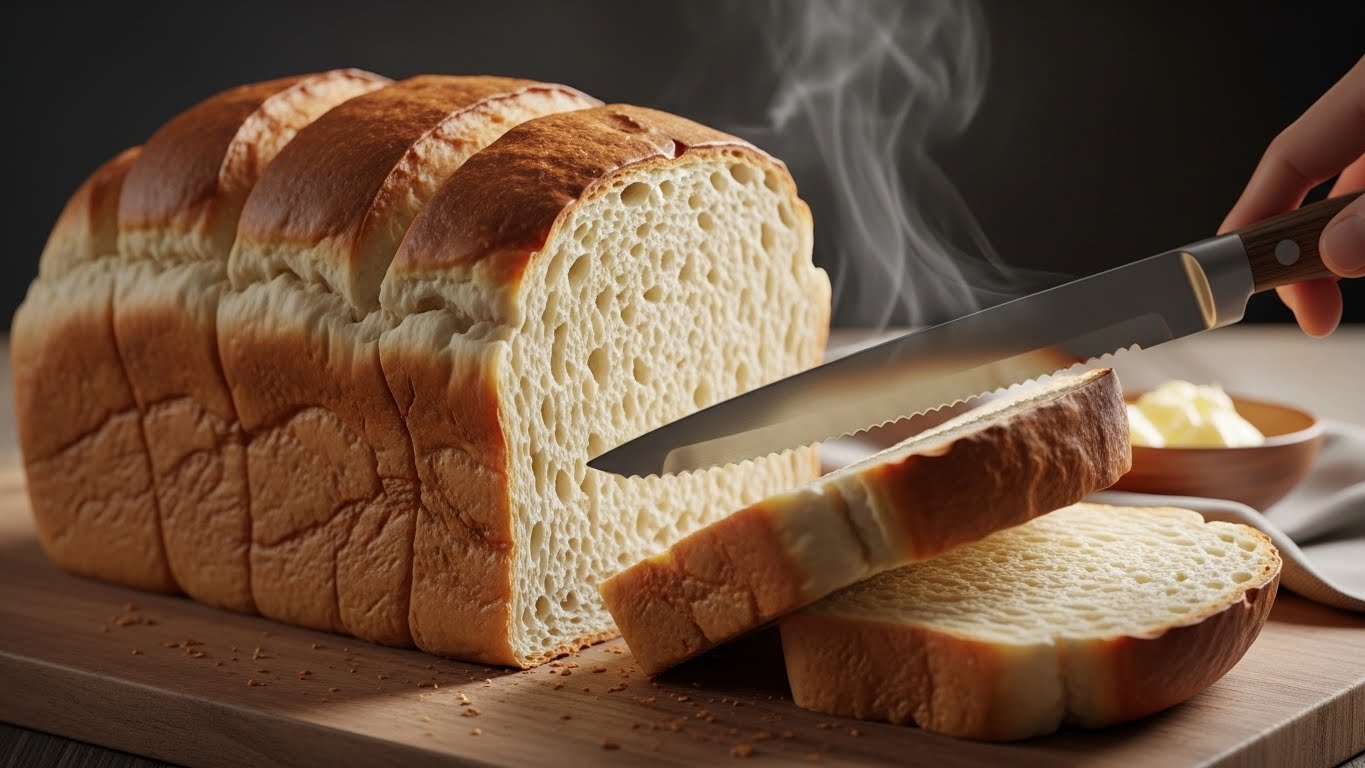
You’ll need 2 slices of white bread or homemade bread, ½ cup of mashed potatoes (cold or room temperature), 1 tablespoon of butter (softened and optional), salt to taste, black pepper to taste, and 1 tablespoon of mayonnaise (optional). The mashed potatoes should be smooth and creamy, properly seasoned to carry flavor without requiring additional ingredients.
Optional Additions:
Some families enjoyed adding a tablespoon of softened butter to their mashed potatoes for additional richness and moisture. Others preferred keeping the filling plain, allowing the potatoes’ natural creaminess to provide the necessary texture. A thin layer of mayonnaise on the bread before spreading potatoes could add richness and help prevent sogginess, though this represented a luxury many families couldn’t afford. Some modern variations include adding crispy bacon bits, sliced tomato, or lettuce, though these additions move away from traditional working-class preparation.
Understanding Potato Sandwich: History and Heritage
To understand the potato sandwich is to understand immigration, working-class life, and how families transformed limited resources into sustenance and comfort across generations.
The Irish and British Immigrant Tradition
Irish and British immigrants arriving in America brought with them centuries of potato-based food traditions. Potatoes represented affordable nutrition—a crop that produced enormous quantities of food from minimal space, required relatively simple cultivation, and provided complete nutrition when combined with other foods. For Irish families particularly, potatoes represented survival itself. The crop’s abundance and affordability made it central to Irish working-class diet long before immigration to America.
When Irish and British families arrived in America and established themselves in working-class communities, they continued their potato-based traditions, adapting recipes to available ingredients and circumstances. The potato sandwich emerged from this adaptation—a way to transform leftover boiled potatoes into lunch or supper without requiring additional cooking or expensive ingredients. The sandwich represented not deprivation but rather the normal, expected food of working-class communities.
How to Make Potato Sandwich
While this recipe requires no cooking (assuming you have leftover potatoes), the specific steps matter and determine the sandwich’s quality.
Step 1: Prepare Your Mashed Potatoes
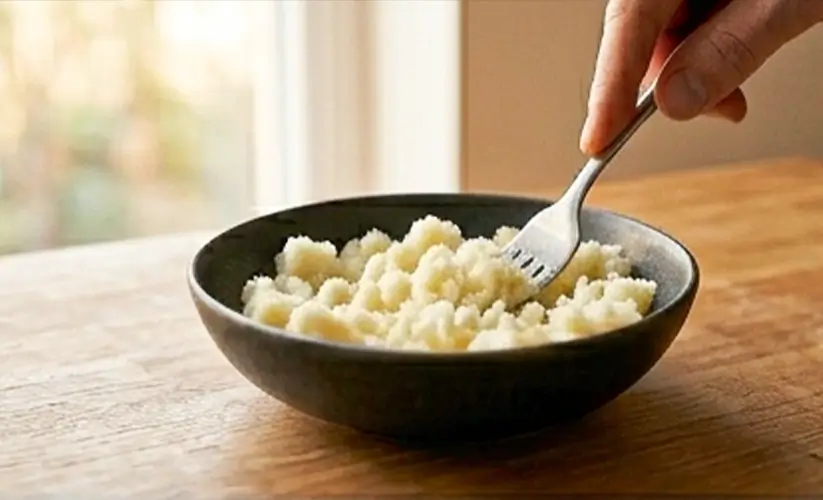
If using leftover boiled potatoes, mash them thoroughly with a fork until smooth and creamy. The potatoes should have no lumps—complete smoothness creates the best spreading consistency and most pleasant eating experience. If your mashed potatoes are stiff or dry, you can add a tiny amount of water or milk to improve consistency, though this should be minimal to avoid making the filling too wet.
For best results, use potatoes that have been boiled and allowed to cool completely. Cold or room-temperature mashed potatoes spread more easily than warm ones and hold together better when assembled into a sandwich. Warm potatoes can make bread soggy if spread immediately, so cooling them first improves the final result.
Step 2: Season Your Potatoes
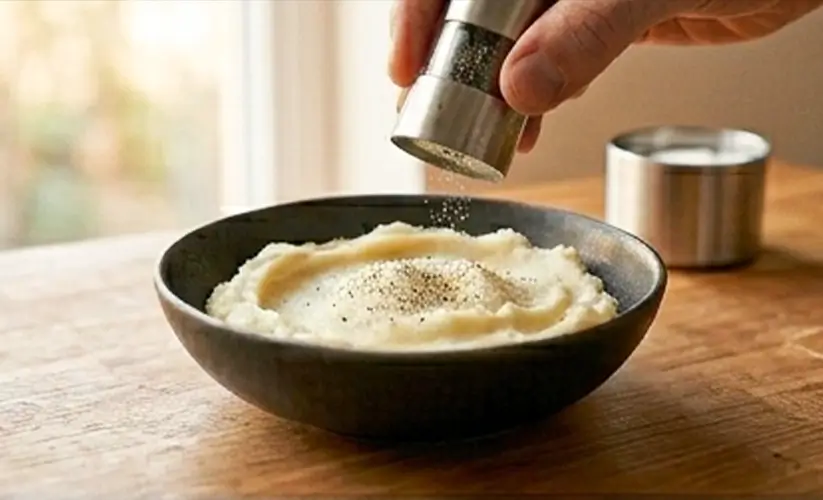
Season the mashed potatoes with salt and black pepper to taste, mixing well. Taste as you go, adjusting seasoning until the potatoes taste genuinely flavorful. Don’t under-season—the potatoes should taste delicious on their own, not bland. The seasoning should be noticeable but not overpowering.
Different potatoes have different flavor profiles. Waxy potatoes (like red potatoes) have different character than starchy varieties (like Russets). You may need to adjust seasoning based on the potato type you’re using. Trust your palate and season to your preference.
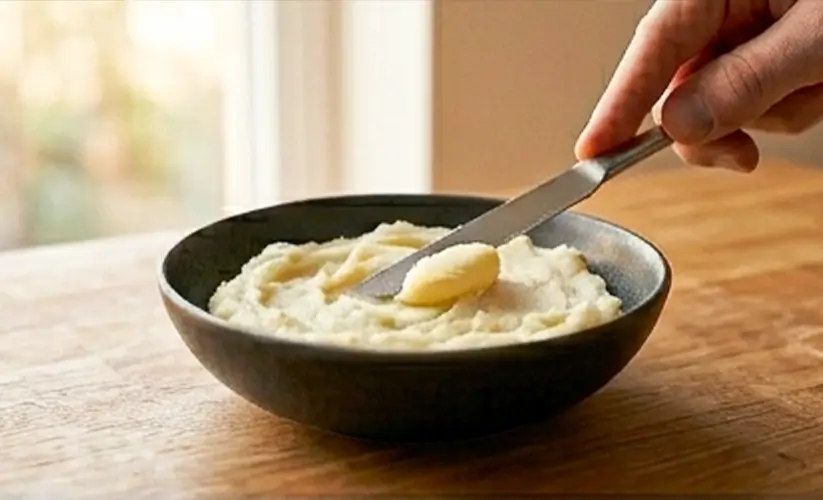
Step 3: Add Butter (Optional)
If desired, stir a tablespoon of softened butter into the mashed potatoes for extra richness and additional moisture. The butter should be soft enough to incorporate smoothly without leaving lumps. Thoroughly mix the butter throughout the mashed potatoes for even distribution.
This step is optional. Some families added butter when available and affordable; others kept the filling plain. Both approaches work well. The addition of butter creates richer, more luxurious filling but isn’t necessary for a satisfying sandwich.
Step 4: Lay Out Your Bread
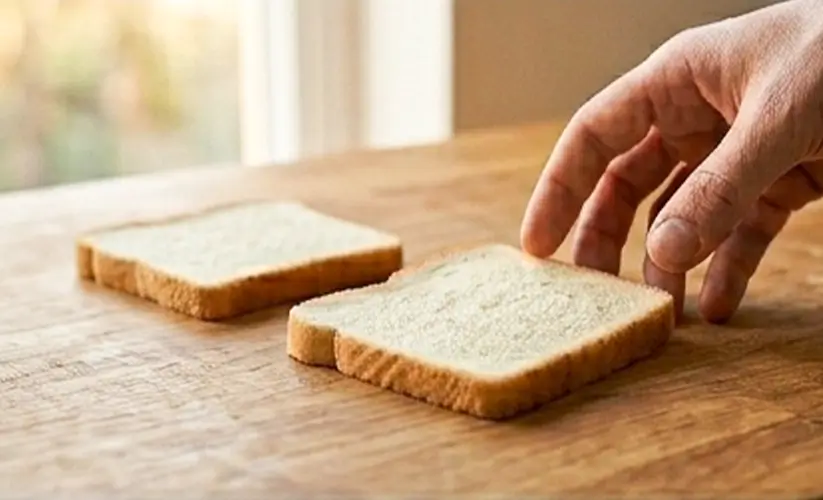
Lay out the two slices of bread on a clean work surface. Use bread you enjoy eating—whether store-bought white bread, whole wheat, or homemade. The bread is the structural component of the sandwich, so its quality matters to the overall eating experience.
Step 5: Add Mayonnaise (Optional)
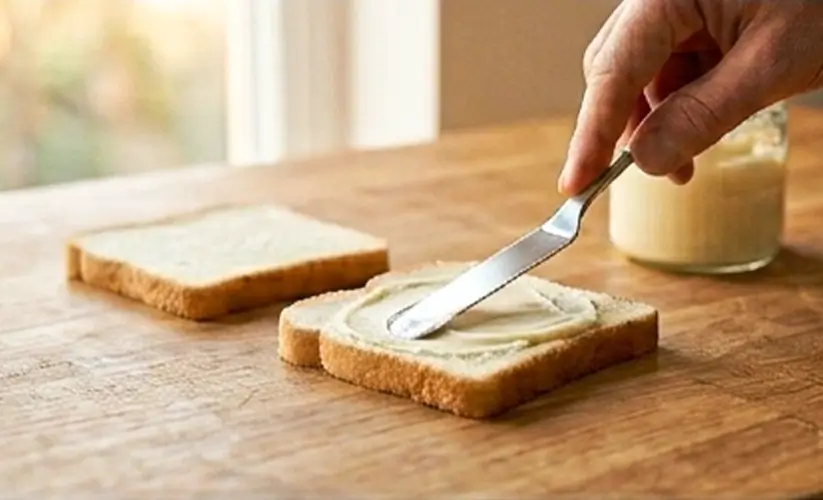
If using mayonnaise, spread a thin layer on one or both slices of bread. Mayonnaise adds richness and helps prevent the bread from becoming soggy by creating a moisture barrier. However, this represents an optional addition—many traditional potato sandwiches had no mayonnaise at all. Use mayonnaise only if you have it available and prefer its contribution.
Step 6: Spread the Mashed Potatoes
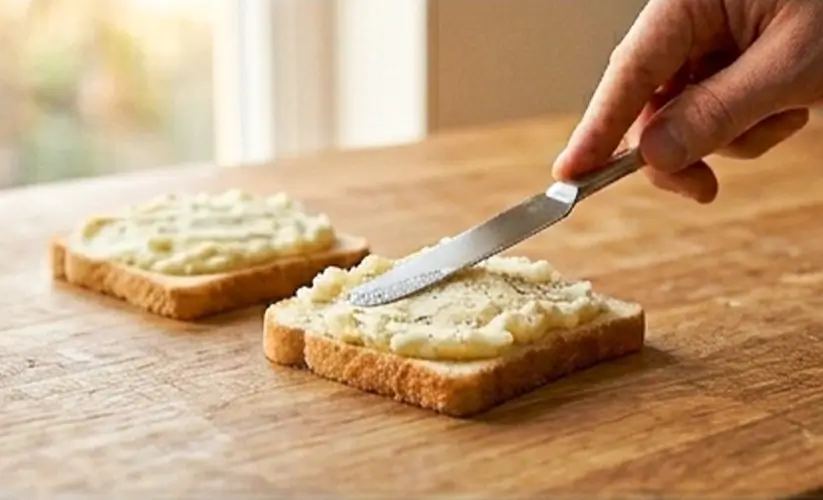
Spread the seasoned mashed potatoes generously on one slice of bread, covering it edge to edge. The layer should be thick enough to provide substantial filling but not so thick that the sandwich becomes difficult to hold and eat. Aim for approximately ¼ inch thickness—visible filling but not excessive.
Use a butter knife to spread evenly, ensuring the potatoes distribute across the entire bread surface. Even distribution creates a more satisfying eating experience where every bite contains adequate filling.
Step 7: Assemble the Sandwich
Place the second slice of bread on top to form a sandwich. If you applied mayonnaise to both slices, that slice goes on top. If you applied it to only one slice, place that slice potatoes-down so the mayonnaise touches the potatoes.
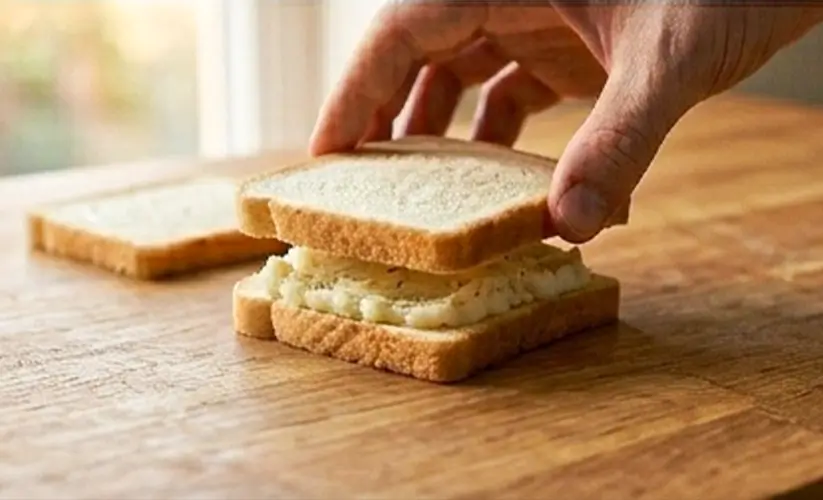
Step 8: Press Gently
Press down gently so the slices stick together. Don’t apply excessive pressure—just enough to ensure the sandwich holds as a unified unit. Gentle pressing distributes the filling evenly between bread slices.
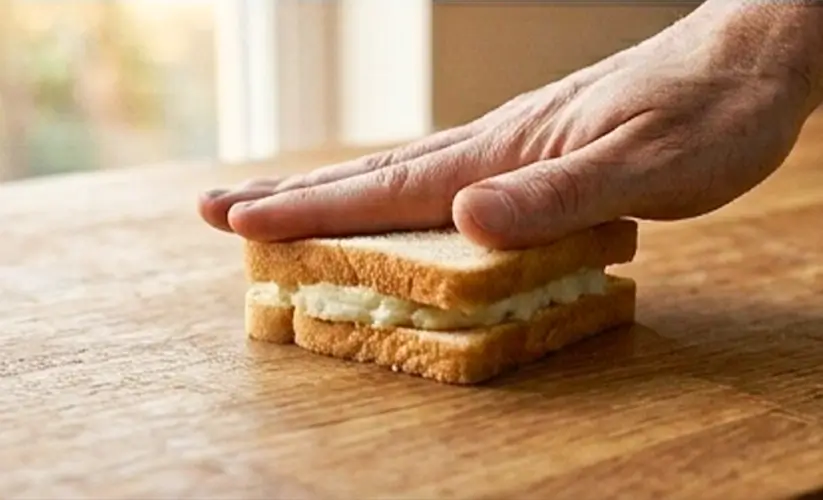
Step 9: Cut and Serve
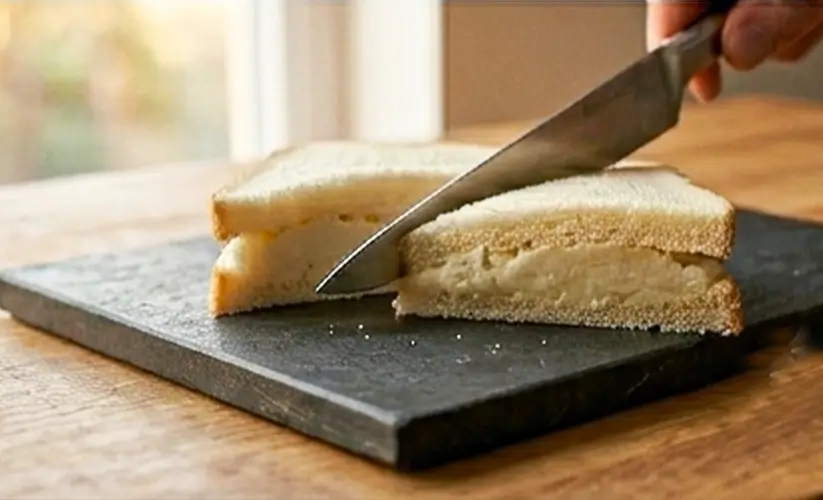
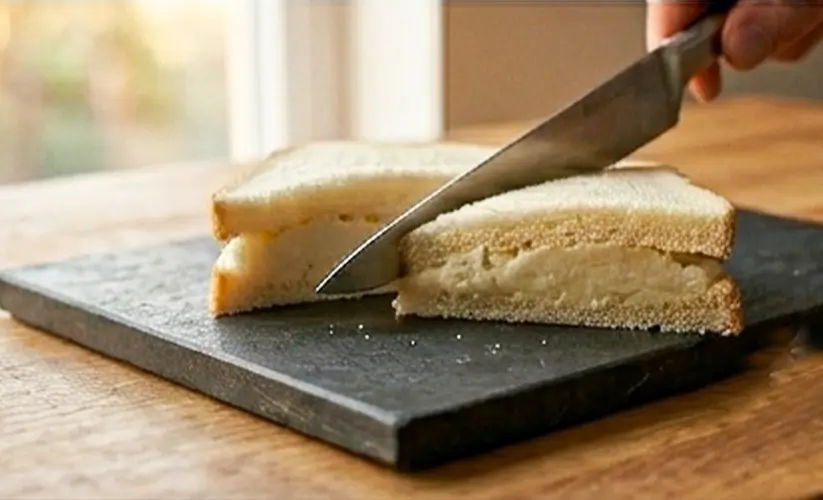
Cut diagonally in half if desired, though this is optional. Some people find the diagonal cut makes the sandwich easier to handle and creates more appealing presentation. Others prefer eating it whole. Serve immediately at room temperature or cold, depending on your preference.
Pro Tips for Perfect Potato Sandwich
Use Cold Mashed Potatoes
Cold mashed potatoes work best for spreading and holding together. Warm potatoes can make bread soggy and spread unevenly. If you have hot mashed potatoes, allow them to cool completely before making your sandwich. This extra step takes minimal time and significantly improves the result.
Season Generously
Don’t under-season your mashed potatoes. They should taste genuinely flavorful on their own, not bland. Salt and pepper should be noticeable but not overpowering. Taste as you season, adjusting until you’re satisfied. Remember that unseasoned potatoes will taste disappointing in the finished sandwich.
Mash Thoroughly
Lumpy mashed potatoes don’t spread smoothly and create inconsistent eating experience. Take time to mash thoroughly until smooth and creamy. This ensures even spreading and pleasant texture throughout the sandwich.
Spread Evenly
Uneven spreading creates parts of the sandwich with too much filling and parts with too little. Take a moment to ensure the potatoes distribute across the entire bread surface. Even distribution creates more satisfying and consistent eating experience.
Choose Quality Bread
The bread is structural component and contributes to overall eating experience. Choose bread you genuinely enjoy eating. Fresh, soft bread spreads more easily than stale bread and creates more pleasant eating experience. If using homemade bread, even better—the superior flavor and texture will enhance your sandwich.
Don’t Overspreading
Resist the urge to use excessive filling. Too much mashed potato makes the sandwich difficult to hold and eat. The filling should be visible and substantial but not excessive. Aim for approximately ¼ inch thickness.
Prepare Just Before Eating
These sandwiches are best eaten immediately after assembly. As they sit, the bread gradually absorbs moisture from the potatoes and begins losing its structure. Make your sandwich just before eating for best texture and eating experience.
Consider Accompaniments
Cold milk complements potato sandwich beautifully, providing cool refreshment. Hot tea or coffee also work well. Some people enjoy eating potato sandwiches with a side of pickled vegetables or simple salad for additional nutrition and flavor contrast.
Easy Variations to Try
With Crispy Bacon
Crumble crispy bacon and add to the mashed potatoes before spreading, or layer thin bacon slices between the potatoes and bread. This adds protein, smoky flavor, and textural interest. While not traditional to working-class preparation, this variation appeals to modern palates.
With Cheese
Add a thin slice of sharp cheddar cheese to the sandwich. The cheese complements potatoes beautifully, adding richness and flavor. This variation moves toward more elaborate sandwich but remains simple and accessible.
With Tomato
Layer thin tomato slices on the bread before spreading potatoes, or add tomato slices on top of the potatoes before closing the sandwich. Tomato’s acidity complements potatoes’ richness, creating flavor balance.
With Lettuce
Add crisp lettuce leaves for texture contrast and mild flavor. Lettuce provides additional nutrition and creates more substantial sandwich without changing potatoes’ fundamental character.
With Onion
Paper-thin slices of sharp onion mixed into the mashed potatoes add bite and complexity. Alternatively, layer raw onion slices in the finished sandwich for pronounced onion flavor.
With Herbs
Mix fresh or dried herbs (such as chives, parsley, or thyme) into the mashed potatoes before spreading. Herbs add freshness and complexity, transforming basic potatoes into something more interesting.
With Gravy
Some families enjoyed adding a small amount of gravy to their mashed potatoes before spreading in the sandwich. This adds moisture and richness, though it represents a variation requiring additional preparation.
Warm Version
Serve the sandwich warm rather than cold. The mashed potatoes remain at room temperature or slightly warmed, creating different eating experience than chilled version. Some people prefer warm; others prefer cold. Both work well.
Frequently Asked Questions
What is a potato sandwich?
A potato sandwich is two slices of bread filled with seasoned mashed potatoes. It’s a working-class and immigrant food representing resourcefulness and the ability to create satisfying meals from simple, inexpensive ingredients.
Is potato sandwich healthy?
Potato sandwich provides carbohydrates from both bread and potatoes, creating complete protein when combined. It’s relatively low in fat and provides genuine nutrition. By modern nutritional standards, it’s not nutrient-dense enough to be a primary meal but represents perfectly acceptable food that sustained working people for generations.
Why do people eat potato sandwiches?
People eat potato sandwiches because they’re inexpensive, filling, easy to prepare, and genuinely satisfying. Historically, working-class families ate them because they provided affordable nutrition that sustained people through labor-intensive work. Today, people eat them for nostalgia, to understand food history, or simply because they enjoy the genuine, humble flavors.
What goes in a potato sandwich?
Traditionally, potato sandwiches contain only mashed potatoes, bread, salt, and pepper. Some variations include butter stirred into the potatoes, mayonnaise on the bread, or additional seasonings. Modern variations might include bacon, cheese, tomato, or lettuce, though these move away from traditional working-class preparation.
Are potato sandwiches still eaten?
Yes, potato sandwiches remain common in certain communities, particularly areas with strong Irish or British heritage. They appear on some restaurant menus as heritage food or comfort food. Many people eat them for nostalgia or historical interest. They’re experiencing renewed appreciation as part of working-class food history interest.
Is potato sandwich poor man’s food?
Yes, historically potato sandwiches were affordable working-class food created by families with limited resources. However, the term “poor man’s food” can be misleading—it suggests deprivation when actually these sandwiches represent resourcefulness, heritage, and the authentic food of working people. They were created with intention and care, not out of shame but out of necessity.
How long do leftover potato sandwiches keep?
Wrap tightly in wax paper or plastic wrap and refrigerate for up to one day. The bread may become slightly soft, but the sandwich will still be satisfying. Don’t leave unrefrigerated for extended periods, as the filling contains potatoes which can develop bacteria if left at room temperature too long.
Can I freeze potato sandwiches?
Freezing is not recommended. The bread becomes tough and unpleasant after thawing. The mashed potato filling becomes grainy and loses quality. For best results, eat the sandwich fresh or refrigerate and consume within one day.
What if I don’t have leftover potatoes?
You can boil potatoes specifically for making sandwiches. Boil potatoes until tender, drain well, allow to cool completely, then mash and season. This requires minimal time and effort—approximately 20-30 minutes total including boiling time.
What bread works best?
White bread, whole wheat bread, and homemade bread all work well. Choose bread you genuinely enjoy eating. Softer bread spreads more easily than dense varieties. Fresh bread creates more pleasant experience than stale bread. The bread choice reflects personal preference.
Conclusion
This classic potato sandwich delivers genuine working-class comfort—a food that sustained immigrant families and working-class communities for generations. The combination of simple bread and seasoned mashed potatoes creates satisfying, affordable nourishment that has proven itself across generations and circumstances. Whether you’re seeking authentic working-class food experience, wanting to understand immigrant culinary traditions, or simply craving something genuinely delicious and easy, potato sandwich delivers perfect results. Ready to experience this fundamental aspect of working-class food heritage? Gather simple ingredients and prepare this treasured sandwich. In just five minutes, you’ll have a classic that tastes like history, resourcefulness, and home—a direct connection to generations of working people who created nourishment and satisfaction from humble ingredients and teaching us that genuine comfort often comes from the simplest sources.
Related Recipes and Resources
Explore more beloved vintage comfort foods that celebrate simplicity and working-class heritage. Don’t miss our recipe for Scalloped Tomatoes, another working-class favorite that transforms humble vegetables into genuine comfort. For something sweet that celebrates the resourcefulness of immigrant kitchens, our Rhubarb Pie Recipe showcases how vintage cooks created dessert magic from what gardens and simple ingredients provided.
For video explorations of vintage American cooking and the stories behind these beloved recipes, visit Vintage Life of USA on YouTube, where food traditions come to life through cooking demonstrations and historical context that brings these cherished recipes and the working-class heritage they represent into your modern kitchen.