Saltine and Butter Sandwich: A Humble Tribute to Appalachian Resourcefulness
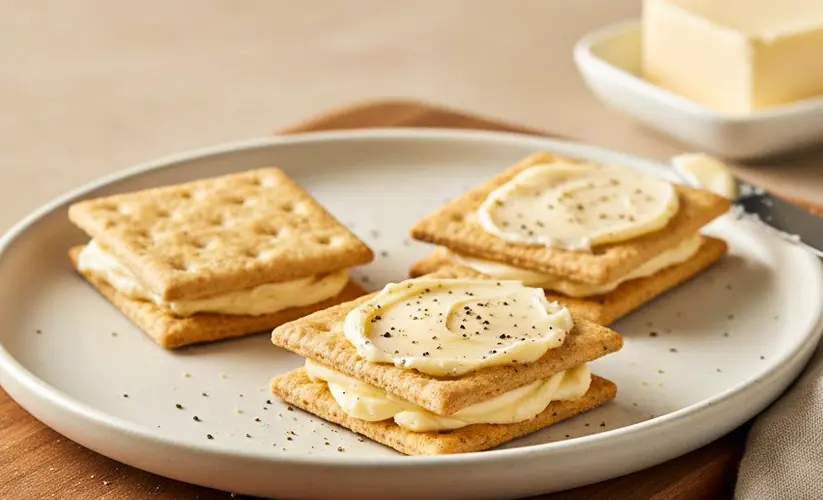
Saltine and Butter Sandwich – A Humble Treasure from Appalachian Kitchens
From the coal mining regions of Appalachia to Depression-era kitchen tables across America, the humble saltine and butter sandwich stands as a monument to resourcefulness and the pure satisfaction found in simple things. This modest creation—nothing more than crisp saltine crackers and soft butter—nourished generations of miners heading into the darkness, schoolchildren opening their lunch pails, and families stretching limited groceries through another week. What might appear to be mere deprivation transformed, through the alchemy of Appalachian ingenuity, into a comfort food that transcends its humble origins and reminds us that the greatest joys often come from the simplest combinations.
Saltine and Butter Sandwich: Quick Reference
For the Sandwich:
You’ll need 6-8 saltine crackers (about one-half of a sleeve), 2-3 tablespoons of unsalted butter softened to room temperature, and sea salt and freshly cracked black pepper to taste, though both are optional and included more out of tradition than necessity.
Optional Additions:
Some families enjoyed a dash of paprika on their crackers, while others preferred fresh herbs like dried thyme or oregano. Finely minced chives offer a subtle onion flavor, and garlic powder can add savory complexity. These additions reflect how families personalized this basic recipe based on what they had in their pantries and their individual preferences.
Understanding Saltine and Butter: History and Heritage
To understand the saltine and butter sandwich is to understand the resourcefulness of Appalachian families and the ingenuity born from necessity during America’s hardest economic times. This recipe isn’t one that appears in celebrated cookbooks or on restaurant menus, yet it fed millions of Americans through decades of economic struggle and continues to provide comfort to those who grew up with it.
The Appalachian Connection
The mountains of Kentucky, West Virginia, eastern Tennessee, and surrounding regions developed a distinctive food culture shaped by isolation, agricultural limitations, and the prevalence of coal mining. Families in these regions became masters of stretching every resource. Mining companies paid in scrip—company-issued currency good only at company stores—which limited what families could purchase. Staple pantry items like saltine crackers and butter represented affordable luxury. Mothers understood that spreading soft butter between crisp crackers created something greater than the sum of its parts: a satisfying snack that could quiet hungry bellies before dinner, fill a child’s lunch pail, or provide sustenance for a miner before his shift deep underground.
The Appalachian food tradition teaches a fundamental lesson about cooking: respect for ingredients and intentionality matter more than abundance or complexity. A mother spreading butter on saltines wasn’t creating a lesser version of a fancier snack—she was creating exactly what she intended, what her family needed, and what brought genuine satisfaction to the table.
The Depression Era and Beyond
The Great Depression elevated this simple combination from regional specialty to national necessity. Across America, families with nearly empty cupboards discovered that saltines and butter could create genuine satisfaction. Unlike bread, which required yeast, rising time, and fuel to bake, saltines simply existed in a box on the shelf—shelf-stable, inexpensive, and reliable. Butter, when available, added richness and flavor that transformed the cracker from a mere vehicle for soup into a complete snack experience. Food historians note that this sandwich, along with similar Depression-era creations, represents a profound shift in how Americans understood food security and creativity under constraint.
The School Lunch Tradition
Through the mid-20th century, saltine and butter sandwiches remained common lunch pail fare. Rural schoolchildren, especially those from lower-income families, opened their metal lunch boxes to find these simple treasures wrapped in wax paper. The saltines provided lasting satiety, and the butter added enough fat to sustain energy through a full school day. Teachers and school administrators recognized the nutritional value of this combination—crackers provided carbohydrates for energy, butter provided fat-soluble vitamins and calories—making it an economically sensible choice for families buying lunch supplies on tight budgets.
How to Make Saltine and Butter Sandwich
While this recipe requires no specialized technique, the small details matter tremendously and separate a perfect snack from a merely adequate one.
Step 1: Prepare Your Butter
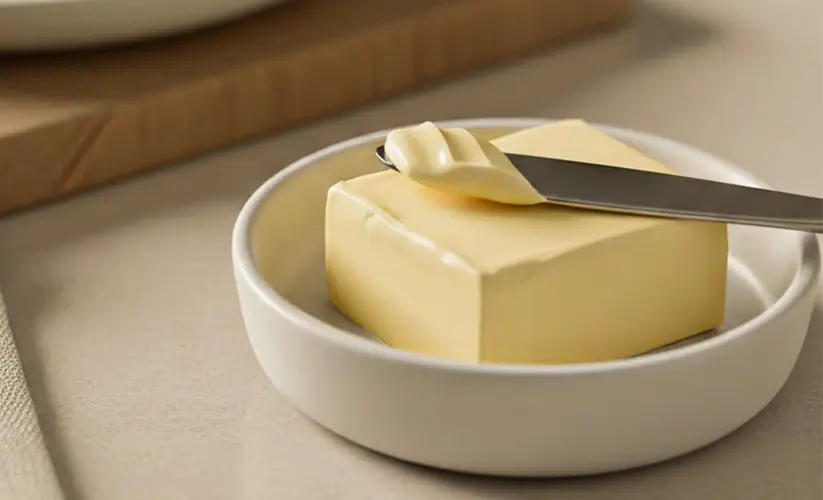
Remove your butter from the refrigerator 10-15 minutes before you plan to make the sandwich. It should be softened to the point where it yields easily to the pressure of a butter knife but still holds its shape. This is crucial—cold butter will tear the delicate saltine crackers, making them crumble and break apart, while melted butter will saturate them unpleasantly, creating a soggy, undesirable texture. You’re aiming for that perfect middle ground where butter is spreadable but still structured.
Step 2: Select Your Saltines
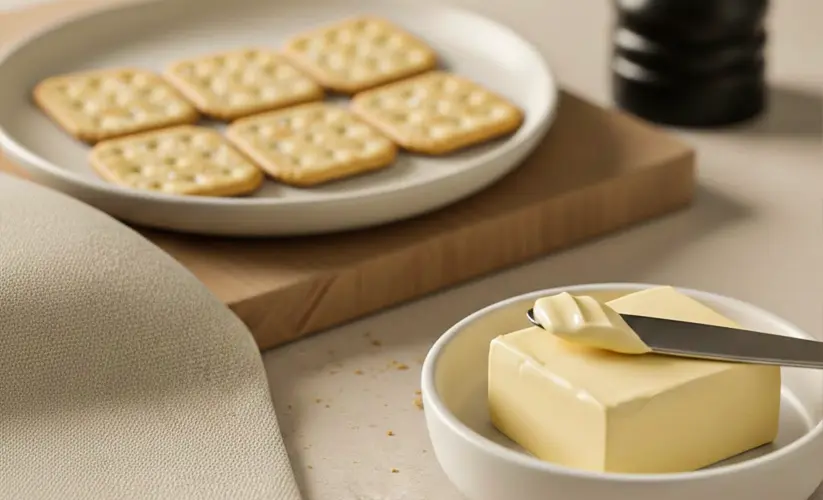
Pour approximately 6-8 saltines onto a clean plate or cutting board. You can eat them in pairs with butter sandwiched between them or arrange them individually for open-faced crackers. The paired approach is more traditionally “sandwich-like,” creating a portable snack that’s easy to handle, while the open-faced approach allows you to taste each cracker individually and see the butter distribution clearly.
Step 3: Spread the Butter
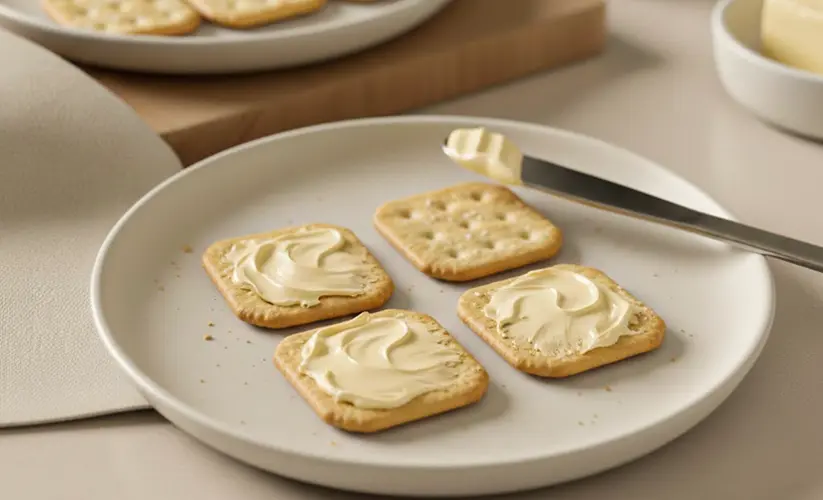
Using a butter knife, spread approximately one teaspoon to one tablespoon of soft butter onto each saltine, depending on your preference and the size of your cracker. The goal is an even, complete coverage without excessive pooling or bare spots. If you’re making pairs, spread butter on both sides of the middle cracker, or butter just one side and press it together gently. Traditional preparation often involved spreading just one side, creating a simple presentation that was easy to manage and transport.
Step 4: Add Seasoning (Optional)
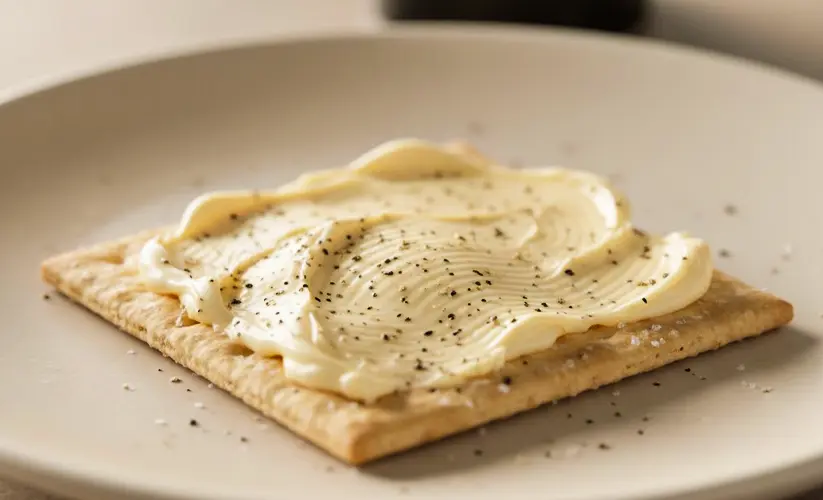
If you’re using black pepper, grind it fresh over the buttered crackers—perhaps three or four turns of the pepper mill per cracker for subtle seasoning. If using salt, use just the slightest pinch to avoid overwhelming the natural saltiness of the cracker. Some families preferred their saltines and butter plain and unadulterated, while others appreciated the additional dimensions that a crack of pepper or a sprinkle of herbs provided.
Step 5: Serve Immediately
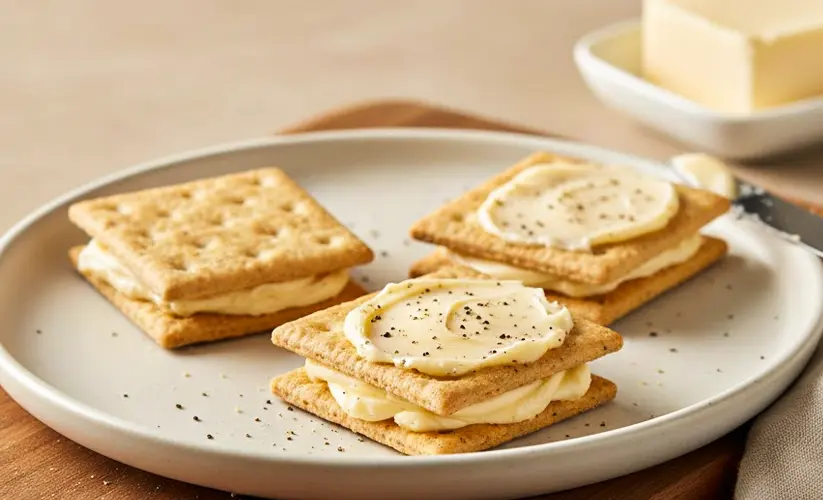
The ideal moment to eat your saltine and butter sandwich is immediately after preparation. The butter will still be soft, the cracker will be at its crispest, and the flavors will be at their brightest. Set them on a plate and enjoy them leisurely, or wrap a few in a napkin for a portable snack that travels well and provides quick sustenance whenever hunger strikes.
Pro Tips for Perfect Saltine and Butter Sandwich
Invest in Quality Butter
This recipe contains so few ingredients that each one matters enormously. Real butter makes a significant difference compared to margarine or butter substitutes. Look for butter made from cream only, with no added gums or stabilizers. Cultured butter—butter made from cream that’s been fermented slightly—adds additional flavor complexity if you can find it at your local market. Since you’re spreading it directly onto the cracker with no other flavors to hide behind, butter quality is paramount and will be immediately noticeable to anyone eating it.
Temperature Control Matters
Butter that’s too cold will tear your crackers and refuse to spread smoothly. Butter that’s too warm will soak into the crackers, making them soggy rather than providing a pleasant contrast. Test the butter by pressing your finger gently into it—you should be able to make a slight indent without butter smearing all over your finger. If you’re short on time, cut your butter into small pieces; these will soften faster than a whole stick removed from the refrigerator all at once.
Timing Is Everything
Don’t assemble these too far ahead of when you plan to eat them. Saltines begin losing their crispness the moment butter touches them as moisture gradually transfers from the butter to the cracker. For immediate consumption, this doesn’t matter—you’ll eat them within seconds. But if you’re packing these for a lunch or planning to have them in 30 minutes, keep the components separate and assemble just before eating for best results and maximum crispness.
Consider Your Saltine Quality
Not all saltines are identical, and the differences matter significantly. Some are thicker and sturdier, while others are thinner and more delicate. Premium saltine brands often offer better flavor and structure than bargain varieties. If your saltines taste cardboard-like or seem to disintegrate when butter touches them, try a different brand. The difference can be significant and will transform your eating experience completely.
Presentation Honors the Food
These may be simple, but they deserve a moment of respect. Set them on a proper plate rather than eating them directly from the box. Pour yourself a glass of cold milk or prepare a cup of tea to accompany your snack. Take a moment to appreciate what you’re eating and where it comes from. This isn’t rushed fuel—it’s a small, intentional ritual celebrating simplicity and resourcefulness.
Easy Variations to Try
With Herbs and Spices
Add finely minced fresh chives or dried herbs like thyme to your softened butter before spreading. Mix the herbs directly into the butter for even distribution throughout. This creates an herbed butter that elevates the crackers without overwhelming them and adds complexity that feels fresh yet respects the original.
The Spiced Version
Some Appalachian families preferred a tiny pinch of paprika or cayenne pepper on their saltines. This adds warmth and subtle complexity without making the snack feel like something different from what it is. The spice should whisper rather than shout, adding nuance rather than transforming the dish entirely.
The Cheese Connection
While not traditional to the Depression-era saltine and butter sandwich, some modern variations involve adding a thin slice of sharp cheddar cheese between two buttered saltines. The cheese melts slightly from the butter’s warmth, creating a more substantial snack that bridges this simple recipe with more elaborate versions.
The Sweet Interpretation
Though unconventional, some people spread butter and then a thin layer of honey or jam on saltines, creating something between a cracker and a dessert. This moves away from the traditional savory presentation but uses the same fundamental technique and celebrates similar pantry resourcefulness.
Different Crackers
Once you understand the principle—crisp cracker plus soft butter equals satisfaction—you can explore other crackers. Oyster crackers create a lighter version with smaller bites, while premium whole wheat crackers create a more substantial variation with added nutrition. However, purists maintain that the classic saltine is irreplaceable for this particular snack.
Frequently Asked Questions
What is a saltine and butter sandwich?
A saltine and butter sandwich is simply salted crackers spread with soft butter. It’s a Depression-era and Appalachian comfort food that represents resourcefulness and satisfaction found in simple, quality ingredients.
Why do people eat saltines with butter?
The salt and fat work together to create compelling flavor that’s deeply pleasurable. For many people, this snack carries emotional and nostalgic weight, connecting them to childhood and family traditions.
Is saltine and butter sandwich healthy?
This snack provides quick carbohydrates and calories but is calorie-dense without being nutrient-dense. It’s best enjoyed occasionally as part of a varied diet.
Is this really a Depression-era food?
Yes, absolutely. The saltine and butter sandwich appears in numerous Depression-era reminiscences and oral histories across America.
Can I make this ahead for lunch?
Assemble no more than 30 minutes before eating. Keep components separate until just before serving to maintain crispness.
What should I drink with this?
Cold milk pairs beautifully with this snack, or enjoy with hot tea or coffee.
Can I use margarine?
You can, though real butter is preferred for authentic flavor and texture.
What’s the nutritional content?
A typical serving contains approximately 150-200 calories, mostly from fat, with minimal fiber and protein.
Why shouldn’t I stir the components?
Keeping ingredients separate until assembly maintains the proper texture of each component and ensures the best eating experience.
How do I know if my butter is the right temperature?
Your butter should be soft enough to spread easily but firm enough to hold its shape. It should never be melted or dripping.
Conclusion
This classic saltine and butter sandwich delivers genuine comfort and satisfaction—a dessert that delights through both its creation and its simplicity. The combination of crisp crackers with rich butter creates memorable moments and genuine satisfaction. Whether you’re seeking warm comfort, wanting to share a nostalgic snack with family, or simply craving something genuinely delicious and easy, saltine and butter sandwich delivers perfect results every single time. Ready to experience the charm? Gather simple quality ingredients and prepare this treasured snack. In just five minutes, you’ll have a classic that tastes like warmth, memory, and home.
Related Recipes and Resources
Explore more beloved vintage comfort foods that celebrate simplicity and resourcefulness. Don’t miss our recipe for Creamed Peas on Toast, another Depression-era favorite that transforms humble ingredients into genuine comfort. For something sweet to complement this savory snack, our Rhubarb Pie Recipe showcases how vintage bakers created dessert magic from what the garden provided.
For video explorations of vintage American cooking and the stories behind these beloved recipes, visit Vintage Life of USA on YouTube, where food traditions come to life through cooking demonstrations and historical context that brings these cherished recipes into your modern kitchen.