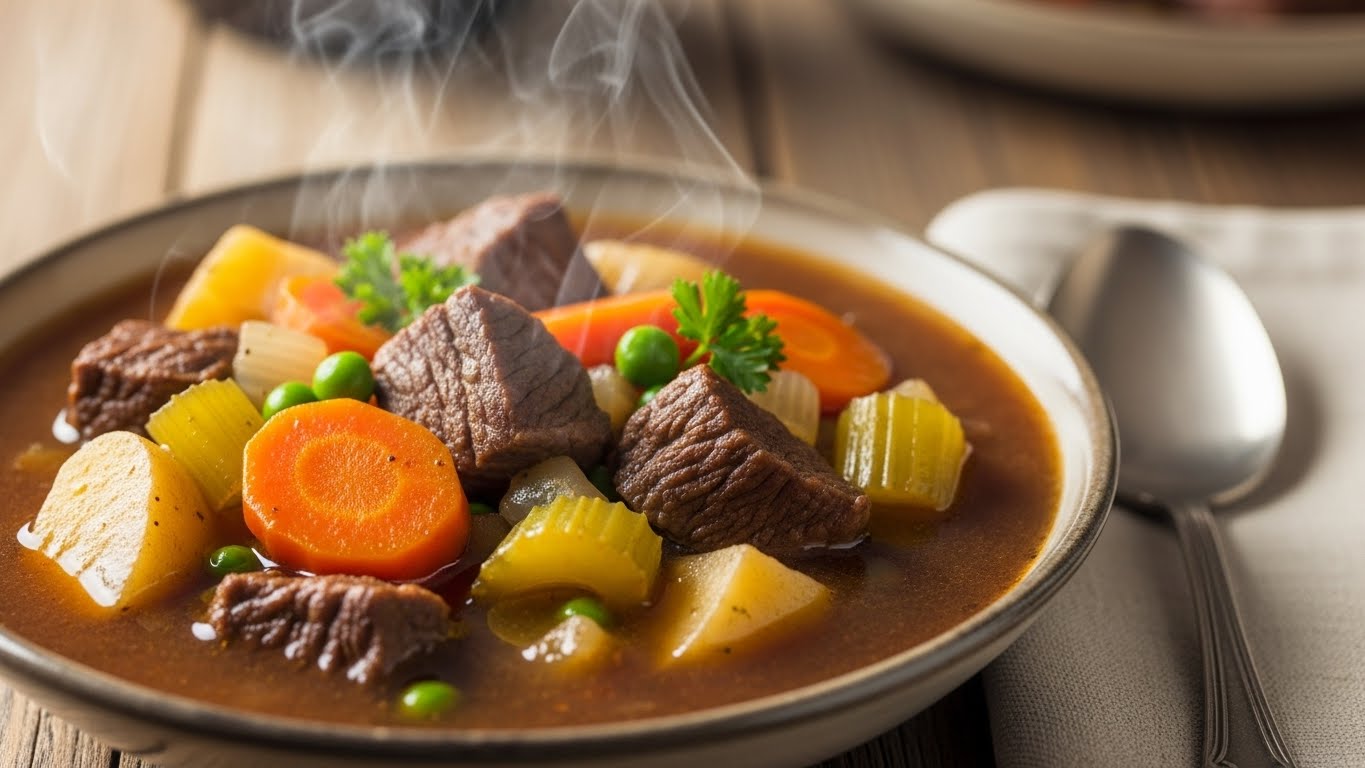
Swiss Steak Recipe – Classic Tender Beef Dinner
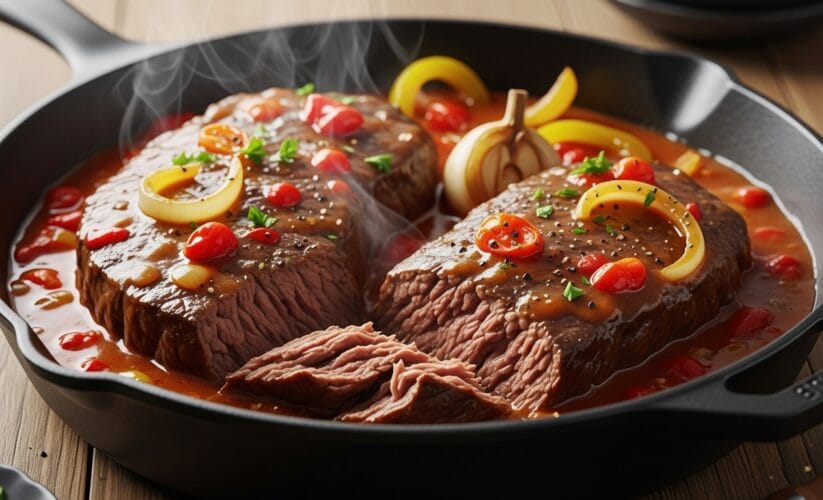
Swiss steak became a popular Sunday dinner in the early 1900s and remained a favorite through the 1960s. Despite its name, this dish is American, not Swiss, and refers to the technique of “swissing” or tenderizing meat by pounding it before cooking. It was an economical way to transform tough, inexpensive cuts into tender, flavorful meals that felt special and elegant. The result is beef so tender it practically melts, bathed in rich tomato gravy with soft vegetables. Whether you’re seeking authentic comfort food from America’s past, wanting to transform budget cuts into something special, or simply craving satisfying slow-cooked meals, this classic Swiss steak delivers perfect results every single time.
Swiss Steak: Quick Reference
Ingredients You’ll Need
Main Ingredients:
- 2 pounds round steak, cut into serving-size pieces
- ¼ cup all-purpose flour
- 1 teaspoon salt
- ½ teaspoon black pepper
- 3 tablespoons vegetable oil
- 2 onions, sliced
- 2 bell peppers (any color), sliced
- 2 cloves garlic, minced
- 2 cups canned tomatoes, with juice (1 14.5-oz can)
- 1 cup beef broth
- 1 tablespoon Worcestershire sauce
- 1 teaspoon dried oregano
- 1 bay leaf
Optional Additions:
- ½ teaspoon paprika in the flour mixture
- ¼ teaspoon red pepper flakes
- 1 tablespoon tomato paste for deeper flavor
- Fresh parsley for garnish
- Pinch of sugar to balance acidity
Understanding Swiss Steak: History and Heritage
Swiss steak emerged as an innovation in American home cooking during the early 20th century. The term “swissing” refers to a technique of pounding meat repeatedly with a mallet to break down tough muscle fibers, making the meat more tender. This technique made it possible to cook tougher, more economical cuts of beef in ways that rivaled expensive steaks. The name likely derives from the pounding technique, though the exact etymology remains unclear.
The dish gained particular popularity during the Depression and post-World War II era when economical cooking was essential. Swiss steak demonstrated that resourcefulness and technique could transform inexpensive ingredients into something genuinely delicious and impressive. The slow, moist cooking method allowed tough cuts to become incredibly tender while absorbing rich flavors from the tomato-based braising liquid.
Swiss steak represents a specific era of American cooking—the early to mid-twentieth century—when Sunday dinners held particular cultural significance and home cooks took pride in transforming simple ingredients into satisfying family meals. The dish appeared regularly on dinner tables across America and achieved almost mythical status as the epitome of home cooking comfort. It remains beloved today precisely because it produces genuinely delicious results using simple techniques and affordable ingredients.
What Makes This Swiss Steak Special
The genius of Swiss steak lies in its transformation of tough meat into something tender and delicious through a combination of techniques. Pounding breaks down muscle fibers mechanically, while the long, slow braising allows collagen to convert to gelatin, creating natural richness. The flour coating, browned on the meat surface, creates flavorful crust and contributes to gravy thickness.
The braising liquid is crucial—tomatoes provide acid that helps tenderize meat while creating flavorful sauce. The beef broth adds savory depth. The Worcestershire sauce contributes umami richness. The onions and peppers caramelize slightly while softening, contributing sweetness and body to the sauce. The extended cooking time allows all these flavors to integrate while the meat becomes so tender it practically falls apart.
The result is beef so tender it requires no knife to cut, swimming in rich, flavorful gravy studded with soft vegetables. This combination of tenderness, flavor, and comfort explains why Swiss steak has remained beloved for over a century despite changing food trends and cooking fashions.
How to Make Swiss Steak
Step 1: Prepare the Meat
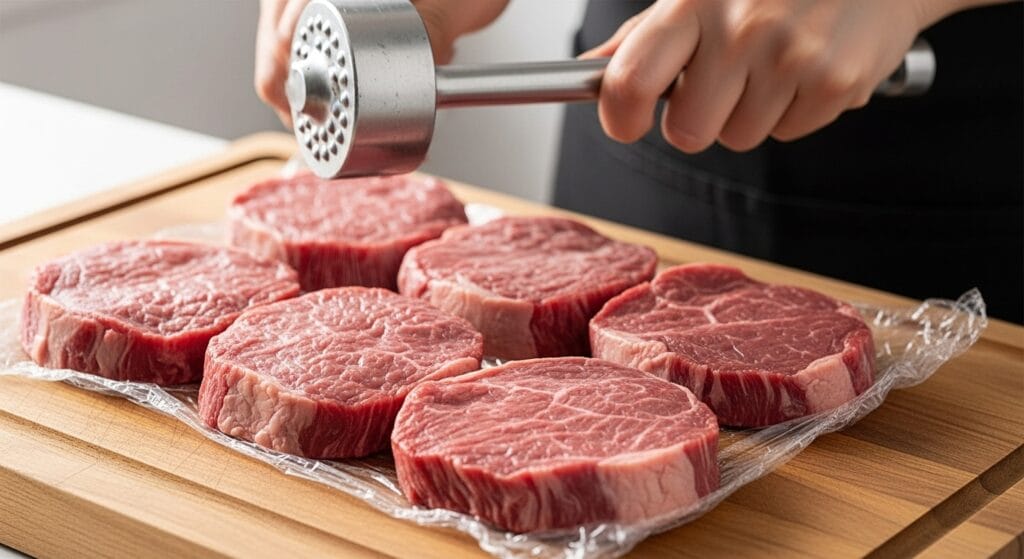
Cut 2 pounds round steak into 6 serving-size pieces, each about 3-4 inches across. Place each piece between two sheets of wax paper or plastic wrap. Using a meat mallet, pound each piece repeatedly with the flat side, breaking down the muscle fibers and tenderizing the meat. Continue until each piece is about ½-inch thick and noticeably tenderized. This pounding is essential—it transforms tough meat into something tender.
Step 2: Dredge in Flour
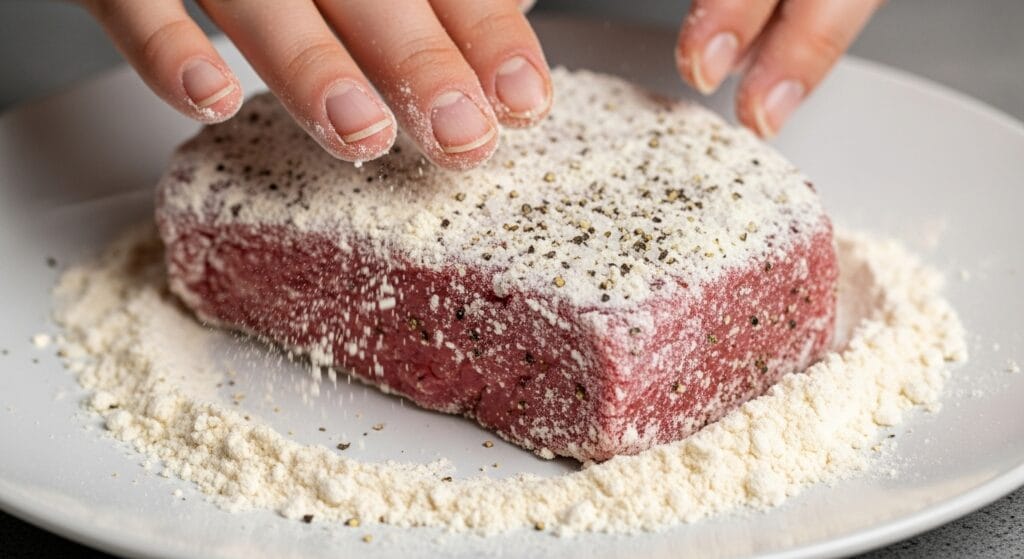
On a shallow plate, mix ¼ cup all-purpose flour, 1 teaspoon salt, and ½ teaspoon black pepper. Dredge each meat piece in the flour mixture, coating both sides thoroughly. Pat gently so the flour adheres. The flour coating creates browning and helps thicken the braising liquid.
Step 3: Brown the Meat
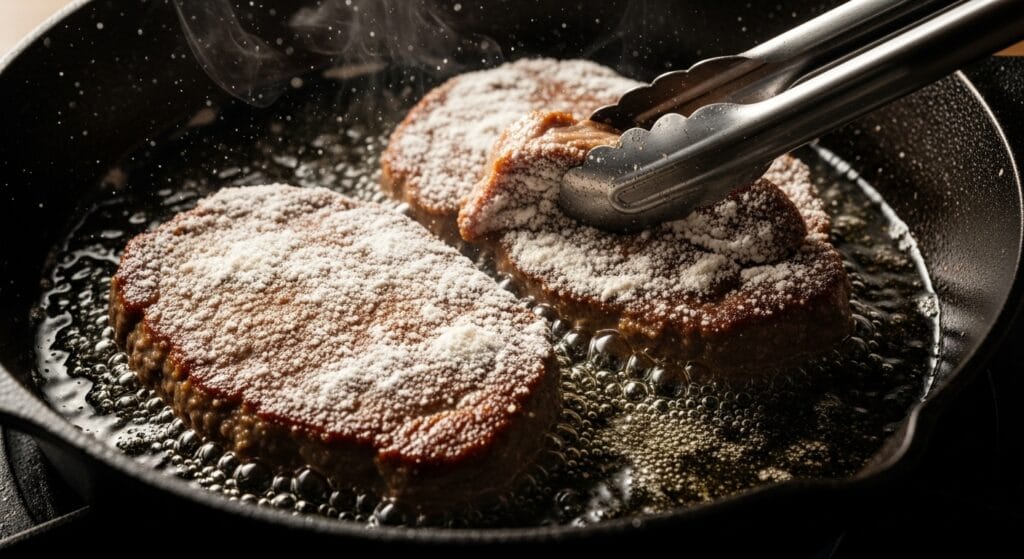
Heat 3 tablespoons vegetable oil in a large skillet or Dutch oven over medium-high heat. Once the oil is hot, carefully place meat pieces in the pan, working in batches if necessary to avoid crowding. Brown for about 3 minutes per side until deeply browned. Don’t move the meat excessively while browning—you want good, even browning. Transfer the browned meat to a clean plate.
Step 4: Sauté the Vegetables
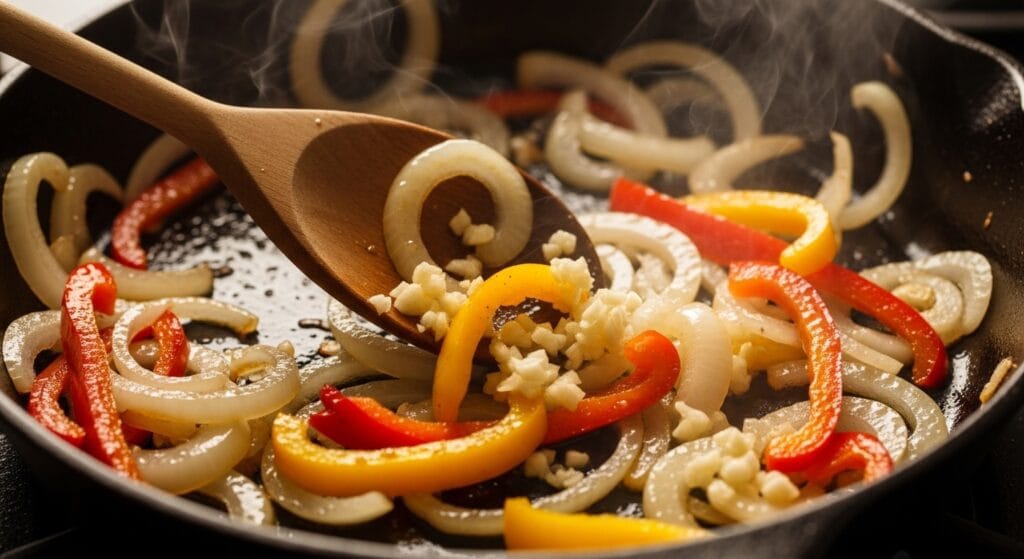
In the same pan with the meat drippings and remaining oil, add 2 sliced onions and 2 sliced bell peppers. Cook, stirring occasionally, for about 5 minutes until they begin softening and the onions become translucent. Add 2 minced garlic cloves and cook for 1 minute more, stirring constantly, until fragrant.
Step 5: Build the Braising Liquid
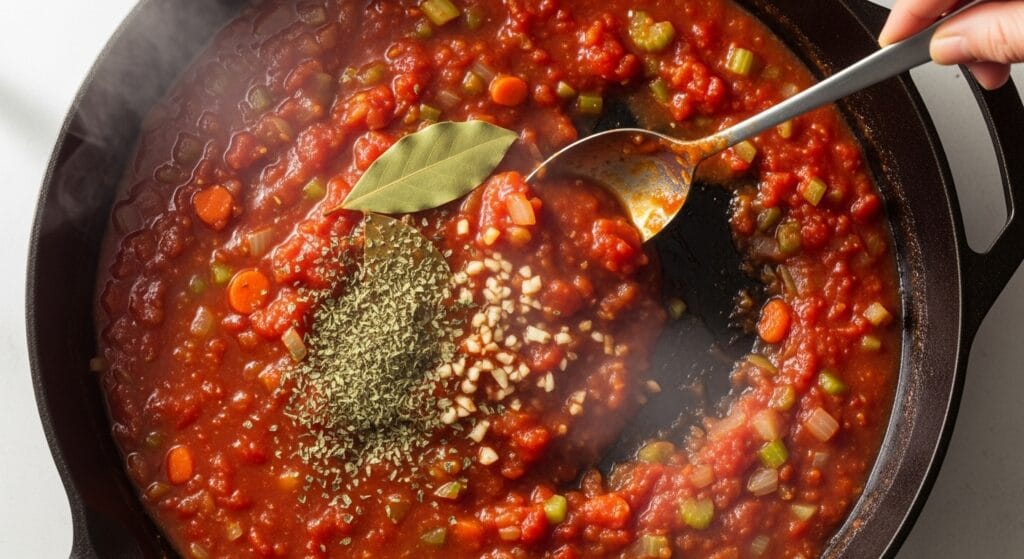
Add 2 cups canned tomatoes with juice (crushing them slightly with a spoon), 1 cup beef broth, 1 tablespoon Worcestershire sauce, 1 teaspoon dried oregano, and 1 bay leaf. Stir everything together thoroughly, scraping up any browned bits from the bottom of the pan—these contain valuable flavor.
Step 6: Return Meat to Pan
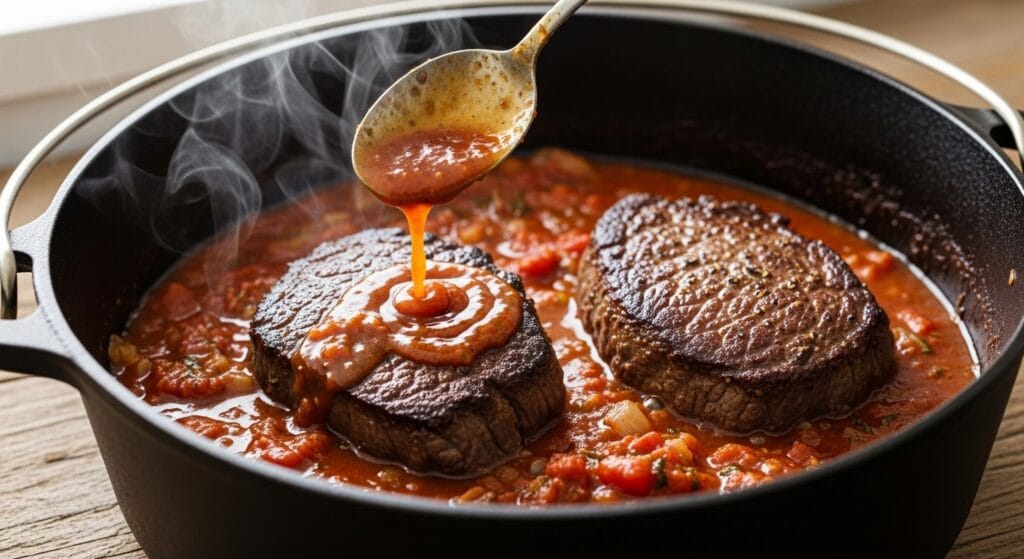
Return the browned meat pieces to the pan, positioning them so they’re partially submerged in the braising liquid. Spoon some of the sauce over each piece. The meat should be mostly covered by the liquid.
Step 7: Simmer Slowly
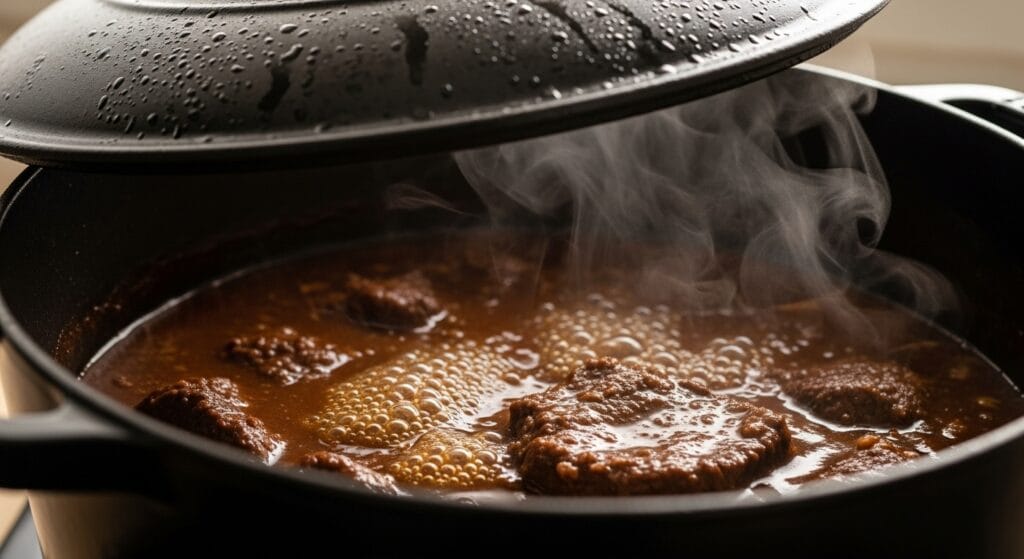
Bring the mixture to a simmer over medium heat. Once simmering, reduce heat to low. Cover with a lid (or partially cover if you prefer slightly thicker sauce) and simmer gently for 1½ to 2 hours until the meat is very tender and nearly falls apart when pressed with a fork. The longer you cook it, the more tender it becomes.
Step 8: Check for Doneness
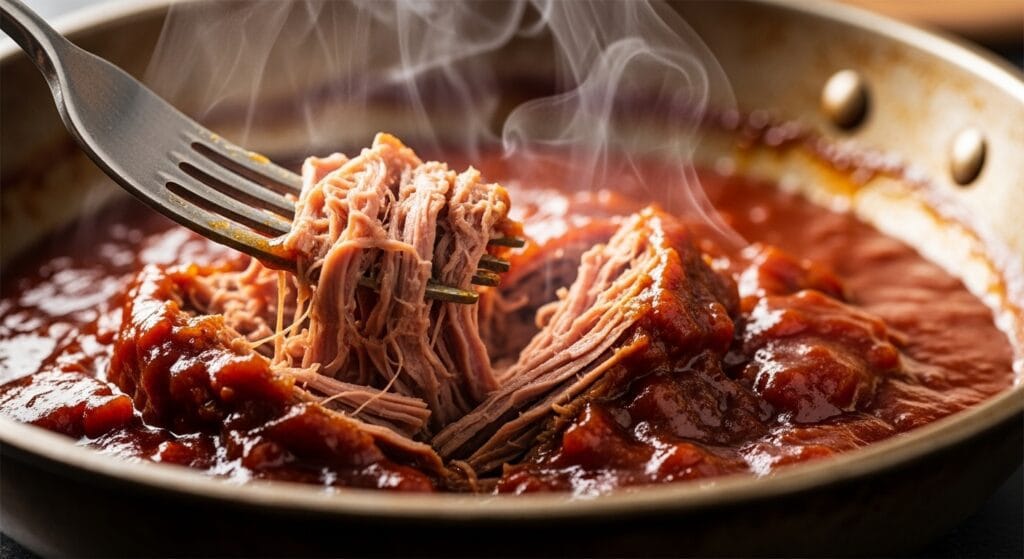
The meat is ready when a fork inserted into a piece meets no resistance and the meat is so tender it practically shreds. The sauce should be slightly thickened and rich-looking, coating a spoon.
Step 9: Remove Bay Leaf and Serve
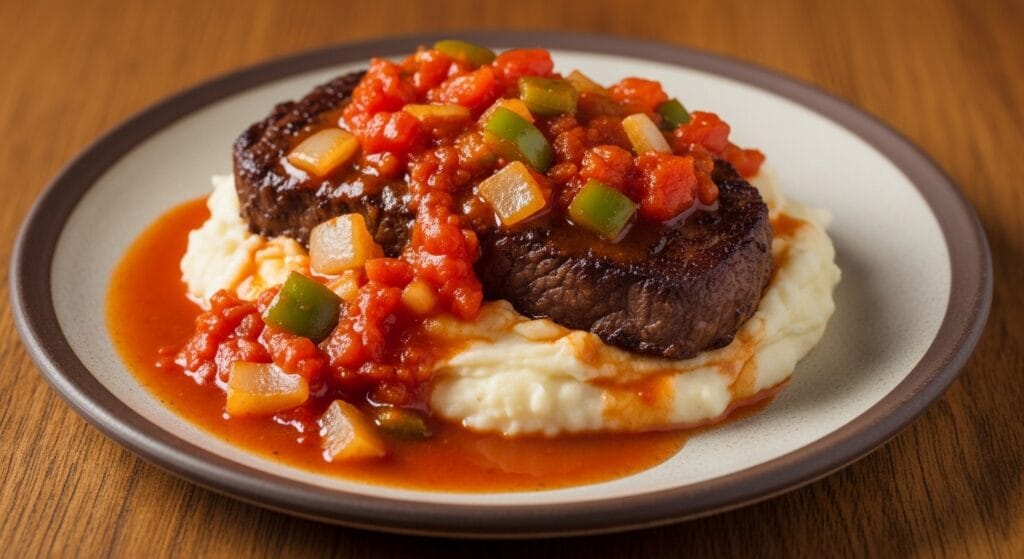
Remove the bay leaf before serving. Taste the sauce and adjust seasonings with additional salt and pepper as needed. Serve over mashed potatoes, egg noodles, or rice to catch all the flavorful sauce.
Pro Tips for Perfect Swiss Steak
Pound Thoroughly: Don’t be timid with the meat mallet. The more thoroughly you pound, the more tender the final result. This step is crucial.
Choose the Right Cut: Round steak is traditional and works beautifully. Avoid premium cuts—tough cuts benefit most from this technique.
Brown Properly: Deep browning creates flavorful crust. Don’t rush this step or the flavor will suffer.
Simmer Gently: Avoid boiling, which toughens meat. Gentle, steady simmering tenderizes and develops flavor.
Don’t Skip the Bay Leaf: It adds subtle depth to the sauce. Remember to remove it before serving.
Slow Cooking Enhances Flavor: The longer you cook it, the more tender and flavorful the result. Don’t rush by cooking at high temperature.
Make It Ahead: Swiss steak actually improves after sitting overnight as flavors integrate fully. Make ahead and reheat gently for best results.
Adjust Sauce Consistency: If sauce is too thin after cooking, simmer uncovered to evaporate excess liquid. If too thick, add broth or water.
Easy Variations to Try
With Paprika: Add ½ teaspoon paprika to the flour mixture for subtle smokiness and color.
Tomato Paste Version: Add 1 tablespoon tomato paste to the braising liquid for deeper, more concentrated tomato flavor.
Spicier Version: Add ¼ teaspoon red pepper flakes to the sauce for gentle heat.
With Carrots: Add 2 cups sliced carrots with the onions and peppers for additional vegetables and sweetness.
Mushroom Swiss Steak: Add 8 ounces sliced mushrooms with the vegetables for earthy depth.
With Sugar Balance: Add a pinch of sugar to the sauce if it seems too acidic from the tomatoes.
Fresh Herb Version: Add 2 tablespoons fresh parsley and 1 tablespoon fresh basil at the end of cooking for brightness.
Wine-Braised: Substitute ½ cup of the beef broth with red wine for more sophisticated flavor.
What Is Swiss Steak
Swiss steak is beef cooked using the “swissing” or pounding technique to tenderize tough cuts. The meat is pounded, browned, then braised slowly in tomato-based sauce with vegetables. The result is incredibly tender beef in rich gravy. Despite its name, the dish is American, originating in early 20th-century home cooking.
Is Swiss Steak Healthy
Swiss steak uses round steak, a lean cut providing protein and iron. The braising method creates natural gravy without added fat. The vegetables contribute fiber, vitamins, and minerals. While not low-calorie or low-fat, it’s made from whole food ingredients without preservatives. Compared to cream-based dishes, it’s relatively healthy. Best served in reasonable portions as part of balanced meals.
How Long Does Swiss Steak Take to Cook
Swiss steak takes about 1½ to 2 hours of simmering to properly tenderize. Total time from start to serving is approximately 2.5 hours when including prep and browning. The extended cooking time is essential for achieving the tender texture that distinguishes Swiss steak.
Can Swiss Steak Be Made Ahead
Yes, Swiss steak actually improves when made ahead. Cool completely, store in the refrigerator for up to 3 days, then reheat gently on the stovetop or in a covered baking dish at low temperature. The flavors integrate more fully overnight, making it taste even better. This makes it excellent for meal planning and make-ahead cooking.
Swiss Steak Paired with Other Dishes
Traditional pairings include creamy mashed potatoes (essential for catching gravy), buttered egg noodles, or rice. Serve alongside simple vegetables like green beans, steamed broccoli, or a fresh green salad for balance. Dinner rolls are perfect for soaking up extra sauce.
For complete meal planning, explore our collection of comfort food classics. Try green bean casserole recipe for a traditional vegetable side, split pea soup recipe for another comfort food option, or browse our Sunday dinners collection for more classic family meal ideas.
Frequently Asked Questions About Swiss Steak
What is swiss steak?
Beef cooked using the “swissing” or pounding technique to tenderize tough cuts. The meat is browned, then braised slowly in tomato-based sauce. American dish despite its name, originating in early 20th century.
How to make swiss steak at home?
Pound round steak to tenderize, dredge in flour, brown in skillet, build tomato braising liquid, return meat to pan, and simmer slowly for 1½-2 hours until very tender.
Swiss steak for beginners?
Easy to prepare with straightforward techniques—pounding, browning, and braising. No special skills required. Great introduction to braising methods.
Is swiss steak healthy?
Uses lean round steak providing protein and iron. Braised in tomato sauce without excess fat. Made from whole food ingredients without preservatives. Relatively healthy in reasonable portions.
How long does swiss steak take to cook?
About 1½-2 hours of simmering after browning and vegetable prep. Total time from start to serving is approximately 2.5 hours.
Can swiss steak be made ahead?
Yes, improves when made ahead. Refrigerate for up to 3 days, then reheat gently. Flavors integrate more fully overnight.
What cut of meat should I use?
Round steak is traditional and works beautifully. Tough cuts benefit most from this technique. Avoid premium cuts which are wasted on this preparation.
Why pound the meat?
Pounding breaks down muscle fibers mechanically, tenderizing the meat before cooking. This is essential for achieving the signature tender texture.
Can I skip the pounding?
Not recommended—pounding is crucial to the dish’s character. The tenderizing effect is essential.
What if my meat is still tough?
Cook longer. The extended cooking time is what makes Swiss steak special. Don’t rush by cooking at high temperature.
Conclusion
This classic Swiss steak recipe delivers authentic American comfort food that represents the best of resourceful home cooking tradition. The technique of pounding transforms tough, economical meat into something incredibly tender and delicious. The long, slow braising in rich tomato sauce creates flavors that develop and deepen over hours of cooking. Whether you’re seeking early 20th-century comfort food authenticity, wanting to transform budget cuts into something special, or simply craving satisfying slow-cooked meals, Swiss steak delivers perfect results. Ready to make it? Gather round steak, tomatoes, and simple pantry ingredients. In about two and a half hours, you’ll have a classic dinner that tastes like tradition and home.