The Story of Betty Crocker Brownie Mix: From The Back of Brownie Box to American Icon
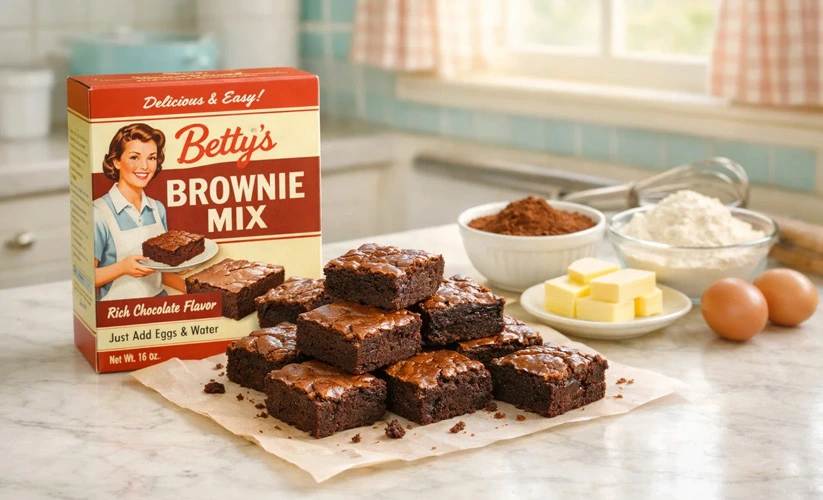
The Story of Betty Crocker Brownie Mix: From The Back of Brownie Box to American Icon
How many times have you grabbed a box of Betty Crocker brownie mix from the grocery store shelf without thinking twice about where it came from or how revolutionary that simple box truly is? For most home bakers, the back of brownie box is simply a quick reference card — something you glance at while your oven preheats.
But the real story behind Betty Crocker brownie mix is far more interesting than any printed instructions on packaging. It is a story about American innovation, changing family dynamics, and one fictional woman who managed to become a trusted friend in millions of kitchens. This is the tale of how a simple brownie mix became a cultural icon, and what the back of brownie box has revealed about American baking for over 70 years.
The Birth of Betty Crocker: The Fictional Homemaker Who Changed Everything
Before we talk about the brownie mix itself, we need to understand the woman behind the name. Betty Crocker was never a real person. She was created in 1921 by the Washburn-Crosby Company (which later became General Mills) as a way to put a friendly face on their flour products. During a contest, thousands of women submitted entries to name the company’s mascot. The company chose “Betty” because it sounded warm and friendly, and “Crocker” was selected to honor a retired director named William Crocker. Suddenly, American home cooks had an imaginary friend who seemed to understand their kitchen challenges. For a fascinating look at how this tradition carried through generations, explore these depression-era Betty Crocker recipes for brownies that show just how far back the love for Betty goes.
But Betty’s real power came from what she represented: the promise that cooking did not have to be difficult. At a time when women were expected to be perfect homemakers, Betty Crocker offered liberation through convenience. She said, without words, that taking shortcuts did not make you a bad wife or mother — it made you smart.
When Betty Came to Desserts: The Rise of Cake and Brownie Mixes
For the first couple of decades, Betty Crocker was primarily associated with flour. But in 1947, something revolutionary happened. General Mills introduced the first Betty Crocker cake mix. This was not just a time-saving convenience product — it was actually a failure that led to success. The original mixes required only water to be added, which housewives surprisingly rejected. They felt it was too easy, too “artificial,” too much like cheating.
So General Mills made a brilliant marketing move: they changed the formula to require eggs, water, and oil. Suddenly, bakers felt like they were “actually cooking” because they were cracking eggs and adding their own ingredients. The back of brownie box would eventually follow this same philosophy, requiring the baker to do a little bit of the work. This simple change in the betty crocker fudge brownie mix instructions made all the difference in consumer acceptance.
The brownie mix came a few years later, likely in the early 1950s. While we do not have an exact date, we know from vintage advertisements and consumer memories that Betty Crocker brownie mix was widely available by the mid-1950s. A 1956 vintage ad shows Betty Crocker Chocolate Fudge Brownie Mix being promoted as a modern solution for busy homemakers. The message was clear: quality brownies were no longer something that required hours of work from scratch.
The Back of Brownie Box: More Than Just Instructions
Let us talk specifically about what appears on the back of brownie box, because it is actually a fascinating piece of American food history and marketing genius. The back of brownie box has evolved significantly over the decades, but it has always contained several key elements that made Betty Crocker more than just a product — it made it a kitchen companion.
The Original Back of Brownie Box Format
In the 1950s and 1960s, the back of brownie box was sparse by today’s standards. It featured:
Basic Instructions: The simple betty crocker fudge brownie mix instructions told you to combine the mix with water, oil, and one egg. That was it. No complicated steps. No fancy techniques. Just three ingredients plus the mix itself.
Suggested Pan Sizes: The back of brownie box included information about which pan to use (typically a 9×13 inch pan) and how long to bake the brownies (usually 20-25 minutes, depending on oven).
One Trusted Voice: Betty Crocker herself often appeared on the back of brownie box. Her face and name conveyed authority and trustworthiness. She was not a celebrity endorsement — she was a promise that this product would work.
Evolution of the Back of Brownie Box Through the Decades
As the decades progressed, the back of brownie box became increasingly sophisticated. By the 1970s, manufacturers realized they could use that valuable real estate to do more than just provide instructions. The back of brownie box began featuring:
Nutrition Information: As Americans became more health-conscious, the back of brownie box started showing calorie counts and nutritional breakdowns. If you are curious how those numbers stack up today, this brownie calories homemade vs box mix comparison is worth a read.
Recipe Variations: The back of brownie box began suggesting ways to modify the basic recipe. Add nuts. Add chocolate chips. Make frosting. These variations kept the product feeling fresh and innovative without changing the actual mix.
Tips and Tricks: Betty’s trusted advice appeared on the back of brownie box. “For extra fudgy brownies, use an extra egg yolk.” “For cake-like brownies, add more water.” These small tips made home bakers feel like they had insider knowledge from an expert.
Cross-Promotions: Later, the back of brownie box featured other Betty Crocker products, creating a family of trusted brands that worked together.
The Revolutionary Nature of a Brownie Mix Bag: Portability and Accessibility
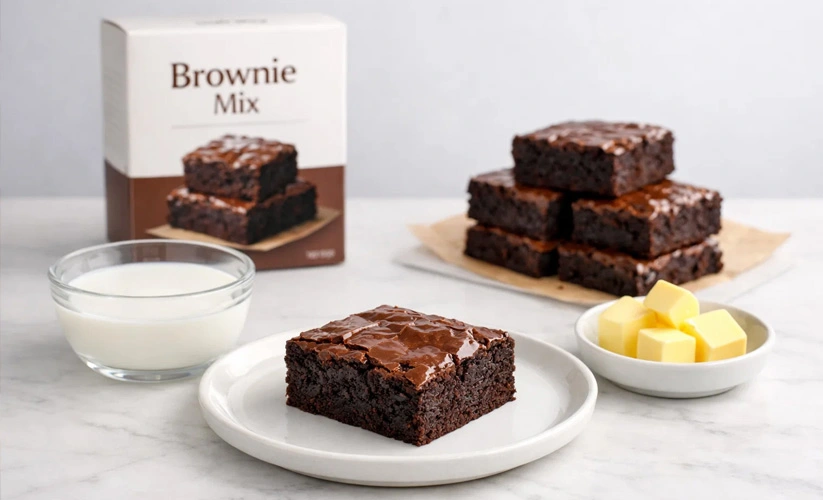
While we often talk about the back of brownie box in cardboard form, it is worth noting that Betty Crocker also introduced their brownie mix bag format. The brownie mix bag is a different animal from the traditional boxed version. It offers distinct advantages:
Durability: A brownie mix bag is less likely to get crushed in a grocery bag or kitchen cabinet than a traditional box.
Stackability: Multiple brownie mix bag products stack efficiently, saving shelf space both in stores and in your pantry.
Cost: The brownie mix bag is often slightly cheaper because it requires less packaging material.
Portion Control: Some brownie mix bag products come in smaller sizes, perfect for single individuals or small families.
The brownie mix bag represents another evolution in how Betty Crocker has adapted to changing consumer needs. Whether you prefer a traditional back of brownie box or reach for a brownie mix bag, both formats contain the same trusted formula that has remained relatively consistent for decades.
What the Back of Brownie Box Tells Us About Home Baking Culture
Looking at the evolution of the back of brownie box over 70+ years reveals fascinating truths about American home baking culture. In the 1950s, when the back of brownie box first appeared, the instructions were minimal. Women of that era were expected to already know basic baking techniques. The back of brownie box simply provided the specifics for Betty Crocker’s particular formula.
By the 1990s and 2000s, the back of brownie box had become much more detailed. Baking knowledge could no longer be assumed. Instructions became step-by-step. Tips became more elaborate. The back of brownie box transformed from a quick reminder into a teaching tool.
- Today, if you look at the back of brownie box, you will find:
- Detailed, numbered instructions
- Multiple temperature and time options for different oven types
- Ingredient substitution suggestions
- Allergen information
- QR codes linking to additional recipes on the website
- Stories about Betty Crocker and the brand
The back of brownie box has become a window into how our relationship with home cooking has changed.
The Impact: Why Betty Crocker Brownie Mix Became a Cultural Staple
By the 1960s, Betty Crocker brownie mix was not just a convenience product — it was a status symbol of a certain kind. Using a box mix did not mean you were lazy; it meant you were modern. Television commercials showed Betty Crocker products being used in suburban homes by the ideal American housewife. Fans of this nostalgic era will love Vintage Life of USA on YouTube, a wonderful channel that brings mid-century American kitchen culture to life. The back of brownie box was no longer just instructions; it was validation that you were doing things the right way.
This cultural acceptance became so complete that even today, decades later, Betty Crocker brownie mix remains one of the best-selling brownie mixes in America. Millions of brownie mix bags and boxes are sold every year. New generations of home bakers learn to make brownies using the betty crocker fudge brownie mix instructions printed on that familiar packaging.
The Enduring Legacy: From Box to Modern Innovation
What makes Betty Crocker brownie mix remarkable is not that it was the first brownie mix (it was not) or that it has remained completely unchanged (it has not). Rather, it is the consistency of the product combined with its willingness to evolve with consumer preferences.
The back of brownie box in 1950 told you to add water, oil, and an egg. The back of brownie box in 2026 tells you the same thing — but now it also offers allergy information, nutrition facts, stories, and digital connections. The core formula has proven so reliable that it has not needed revolutionary changes. Instead, Betty Crocker has added innovation around the edges: new flavors, new product lines, new ways to interact with consumers.
When you look at a brownie mix bag or read the betty crocker fudge brownie mix instructions on the back of brownie box today, you are holding a piece of American food history. That simple package represents:
- The rise of convenience foods** in post-war America
- Changing attitudes toward women’s roles** in the kitchen
- The evolution of food marketing** and brand loyalty
- The power of creating a trusted face** for a faceless corporation
- The enduring appeal of simple, reliable recipes** in an increasingly complicated world
Why We Still Choose Betty Crocker
Decades after supermarket shelves filled with brownie mixes from dozens of brands, Betty Crocker remains a market leader. Why? Because the back of brownie box promises something reliable. Because millions of families have used these instructions to create memories. Because the name Betty Crocker has become synonymous with “recipes that work.”
The brownie mix bag or box sitting on store shelves today connects us to countless family gatherings, school bake sales, birthday parties, and quiet moments of self-care where someone took 30 minutes to bake fresh brownies. That is the real power of Betty Crocker brownie mix — not the ingredients, not the convenience, but the emotional connection and cultural significance.
The next time you grab a brownie mix bag or box, take a moment to read the back of brownie box. Behind those familiar instructions lies a fascinating story of American innovation, changing society, and one fictional woman who somehow became as trusted as a real friend in our kitchens.
FREQUENTLY ASKED QUESTIONS
Q1: What exactly is printed on the back of brownie box?
The back of brownie box contains the betty crocker fudge brownie mix instructions (typically requiring water, oil, and eggs), baking temperature and time, nutrition facts, ingredients list, allergen information, and often helpful tips or recipe variations. Modern boxes also include QR codes linking to digital content. The back of brownie box is designed to be both informative and reassuring, providing all the information needed to successfully bake brownies.
Q2: Have the betty crocker fudge brownie mix instructions changed over time?
The core betty crocker fudge brownie mix instructions have remained remarkably consistent since the 1950s: combine mix with water, oil, and eggs. However, the back of brownie box has become more detailed about temperatures, timing, and variations. Modern instructions are much more specific about oven types, altitude adjustments, and chewy vs. cake-like texture options. The fundamental formula has not changed, but the guidance has evolved.
Q3: What is the difference between a brownie mix bag and a traditional brownie box?
A brownie mix bag uses flexible packaging instead of a cardboard box. Brownie mix bag products often cost slightly less, take up less space, and are less likely to get crushed. However, the actual mix inside is usually the same betty crocker fudge brownie mix formula. The choice between a brownie box and brownie mix bag comes down to personal preference and storage space.
Q4: Why did General Mills require bakers to add eggs instead of just water?
Originally, cake mixes required only water. However, consumers felt this was “too easy” and rejected the product because it did not feel like “real baking.” By requiring bakers to add eggs, water, and oil — making them feel like they were actually cooking — Betty Crocker solved the problem. This insight changed how food companies market convenience products.
Q5: Is there a way to improve brownies made from Betty Crocker mix?
Yes! The back of brownie box often suggests tips, but popular modifications include using melted butter instead of oil, adding an extra egg yolk for fudginess, replacing water with coffee or milk, and adding chocolate chips or nuts. These modifications work because they build on the proven foundation that the betty crocker fudge brownie mix instructions provide. For a complete breakdown of what goes into the mix and why each ingredient matters, the Betty Crocker brownie mix ingredients guide is an excellent resource.