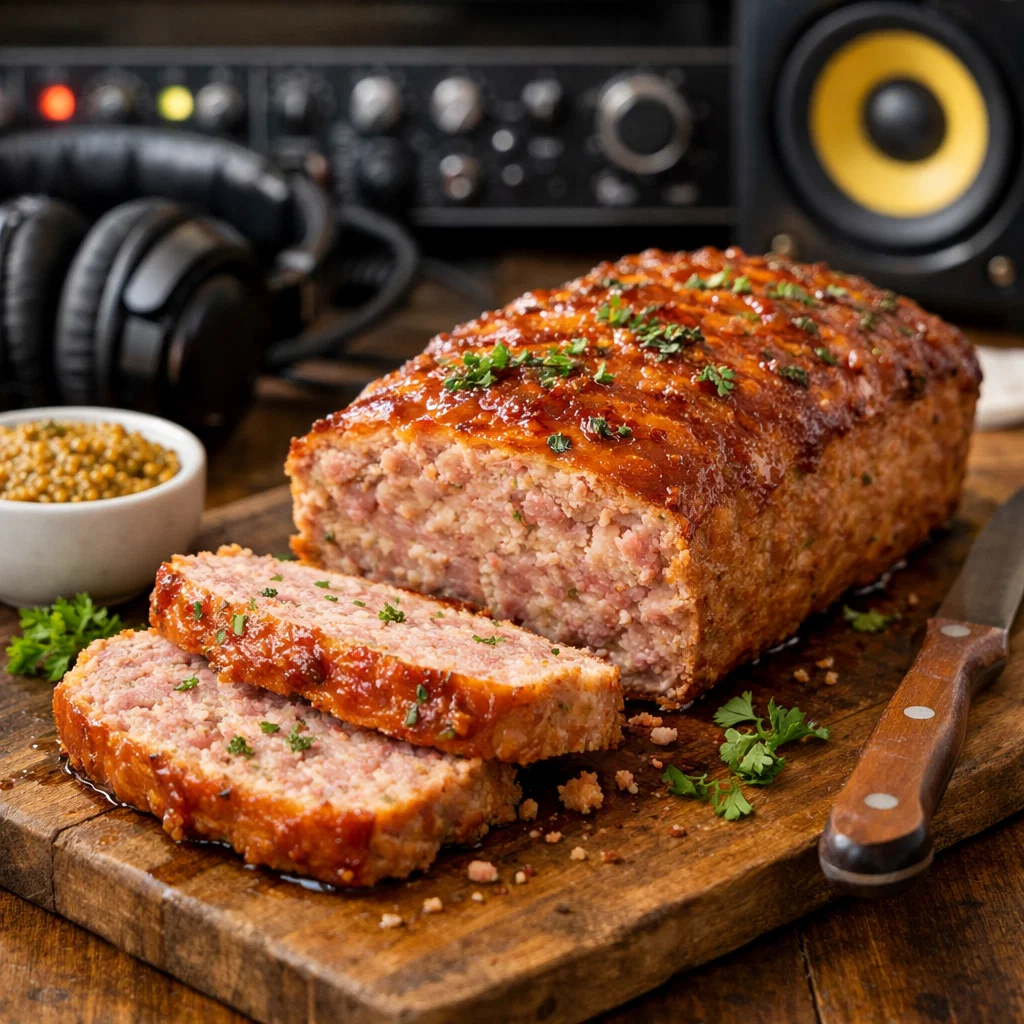
Why Did Grandma Always Make These 6 Casseroles? The Comfort Food Secrets America Almost Forgot
I spent years wondering why my grandmother’s casseroles tasted better than anything I could make from modern recipes. Every holiday, every potluck, every Sunday dinner featured at least one casserole—sometimes two or three lined up on the counter in their mismatched baking dishes with faded floral patterns. They weren’t fancy or Instagram-worthy, but people always went back for seconds and thirds until the dishes were scraped clean.
Then one afternoon while sorting through her recipe box after she passed, I found something that made everything click into place. Tucked between handwritten cards splattered with decades of cooking stains was a newspaper clipping from 1962 — the kind of vintage American home cooking history that rarely survives to the present day titled “The Modern Homemaker’s Guide to One-Dish Dinners.” The article explained how casseroles solved the fundamental challenge of mid-century American cooking: feeding families affordable, nutritious meals using shelf-stable ingredients that didn’t require constant shopping trips or elaborate preparation.
Grandma’s casseroles weren’t just random comfort foods—they were carefully engineered solutions to real problems that no longer exist in our world of next-day delivery and endless restaurant options. Each casserole combined protein, starch, vegetables, and dairy in proportions that created complete nutrition from ingredients that kept for weeks in the pantry. They stretched expensive meat with inexpensive pasta or potatoes. They fed eight people from five dollars worth of groceries. They used one dish for cooking and serving, minimizing cleanup when dishwashers were rare luxuries. And most importantly, they tasted so good that nobody felt like they were eating budget food or leftovers.
Quick Reference
The 6 Casseroles Every Grandmother Knew
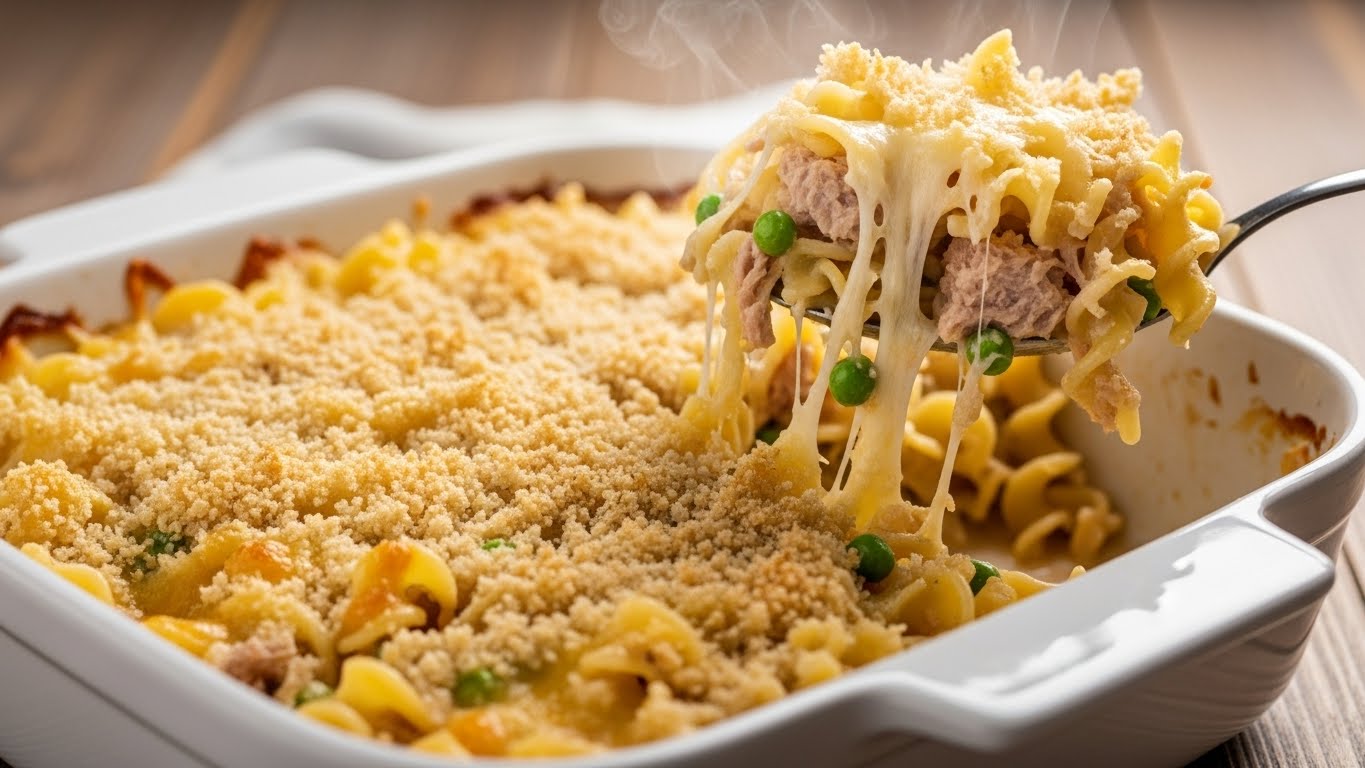
1. Tuna Noodle Casserole – The Pantry Emergency Meal
Tuna noodle casserole earned its place in American kitchens because it solved the universal problem of ‘what’s for dinner when I forgot to defrost anything. Every ingredient came from the pantry or had a shelf life of weeks—canned tuna, egg noodles, canned cream of mushroom soup, frozen peas, and crushed potato chips for topping. A grandmother could make this casserole at four-thirty on a Tuesday afternoon using nothing but what was already in her kitchen, and it would be on the table by six o’clock feeding six people for less than three dollars.
The genius wasn’t just convenience—it was nutrition. Tuna provided complete protein and omega-3 fatty acids. Egg noodles delivered carbohydrates and B vitamins. Peas added fiber and vitamins. The cream soup provided calcium and fat for satiety. Together, these humble ingredients created a balanced meal that kept kids full until breakfast. The potato chip topping wasn’t frivolous—it added the textural contrast and salty crunch that made the creamy casserole interesting enough for picky eaters to actually finish their portions.
Modern food culture dismisses tuna casserole as processed junk food because of the canned soup, but grandmothers understood something we’ve forgotten: canned cream of mushroom soup is just a convenient form of béchamel sauce with mushroom flavoring — the same creamy base that makes Salisbury steak with mushroom gravy so satisfying. Yes, you can make it from scratch with butter, flour, milk, and fresh mushrooms, and it will taste better. But for a working mother in 1965 with four kids and no microwave, that can of soup meant the difference between a home-cooked meal and no dinner at all. The casserole wasn’t perfect—it was practical, and practical mattered more than perfect when you were cooking every single night without fail.
2. Cheesy Potato Casserole – The Potluck Champion
Cheesy potato casserole — sometimes called funeral potatoes or party potatoes depending on which grandmother you asked—became the most-requested potluck dish in America for a simple reason: it pleased absolutely everyone from toddlers to great-grandparents without requiring any expensive or unusual ingredients. Frozen hash browns, sour cream, cheddar cheese, cream of chicken soup, and a buttery cornflake topping created something that tasted indulgent and special while costing less than five dollars to feed twelve people.
This casserole emerged in the 1950s when home freezers became common appliances and frozen hash browns appeared in grocery stores for the first time. Suddenly potatoes—which previously required peeling, shredding, and rinsing to remove excess starch—became a convenience ingredient you could pour straight from a bag. Combined with the newly popular sour cream that dairy companies were heavily marketing, these hash browns transformed into a side dish that rivaled the most labor-intensive potato gratins from fancy restaurants.
The secret that made this casserole legendary at potlucks was its ability to sit in a warming oven or on a buffet table for hours without drying out or becoming unappetizing. The combination of sour cream and cream soup created enough moisture that the casserole stayed creamy even after an hour at church fellowship, while the cornflake topping maintained its crunch. This wasn’t accidental—grandmothers tested and adjusted ratios until they found formulas that survived real-world serving conditions — just like the perfected balance in this classic ham and potato scallop, not just the perfect environment of a home kitchen where everyone sits down together at exactly six o’clock.
3. Johnny Marzetti Casserole – The Midwest Secret Weapon
Johnny Marzetti casserole remains unknown outside the Midwest despite being one of the most brilliant budget-stretching recipes ever invented by American home cooks. Named after the owner of Marzetti’s Restaurant in Columbus, Ohio, where it was supposedly created in the 1920s, this casserole combined ground beef, egg noodles, tomato sauce, and cheese into something that fed eight people using one pound of meat that would normally feed four. The vegetables—onions, bell peppers, sometimes mushrooms—added bulk and nutrition while the tomato sauce made everything taste rich and satisfying despite the economical ingredient list.
What made Johnny Marzetti special wasn’t just frugality—it was the layering technique that created textural interest in every bite. Unlike casseroles where everything gets mixed together into homogeneous mush, Johnny Marzetti built flavors in distinct layers: seasoned meat and vegetables on the bottom, cooked noodles in the middle, tomato sauce binding everything together, and a thick blanket of melted cheese on top that formed a golden crust in the oven. Each forkful contained all four layers in different proportions, making every bite slightly different and keeping the casserole interesting from first bite to last.
This casserole disappeared from most American tables because it never had a corporate champion pushing it nationally. Green bean casserole had Campbell’s Soup Company printing the recipe on every can of cream of mushroom soup. Tuna noodle casserole appeared in women’s magazines nationwide. But Johnny Marzetti stayed regional, passed down through Ohio, Indiana, and Michigan families who made it weekly but never thought to tell anyone outside their communities about it. It’s worth reviving because it demonstrates that casseroles don’t have to be cream-soup-based glop — they can be bright, tomatoey, vegetable-forward dishes, much like these classic stuffed bell peppers that use the same ground beef and tomato combination that happen to be baked in a casserole dish.
4. Hamburger Hash Brown Casserole – The Weeknight Hero
Hamburger hash brown casserole solved the problem of feeding hungry families on weeknights when everyone was tired and nobody wanted to spend an hour cooking. Ground beef, frozen hash browns, cheese, and cream of mushroom soup combined into a one-dish meal that required exactly fifteen minutes of hands-on work—browning the beef, mixing everything in a bowl, spreading it in a pan, and putting it in the oven. Then you walked away for forty-five minutes and came back to dinner for six that cost under eight dollars.
The brilliance of this casserole was the hash browns, which served triple duty as starch, vegetable, and textural element. Shredded potatoes provided the carbohydrates that made the meal filling and satisfying. They counted as a vegetable serving for mothers worried about nutrition. And their irregular shapes created crispy edges throughout the casserole where they made contact with the hot pan, adding textural contrast to the creamy interior. One ingredient doing three jobs—that’s the kind of efficiency that made casseroles dominant in mid-century American kitchens.
This casserole has almost completely disappeared from modern tables despite being objectively more practical than most of what we cook today. We’ve replaced it with complicated thirty-minute meal kit recipes that require exotic ingredients — when simple classics like mom’s pot roast still outperform them every time and generate mountains of packaging waste, or we’ve given up and ordered delivery that costs five times as much. Meanwhile, hamburger hash brown casserole sits forgotten in grandma’s recipe box, still capable of solving the same weeknight dinner challenges we’re still struggling with today.
5. King Ranch Chicken Casserole – The Texas Legend
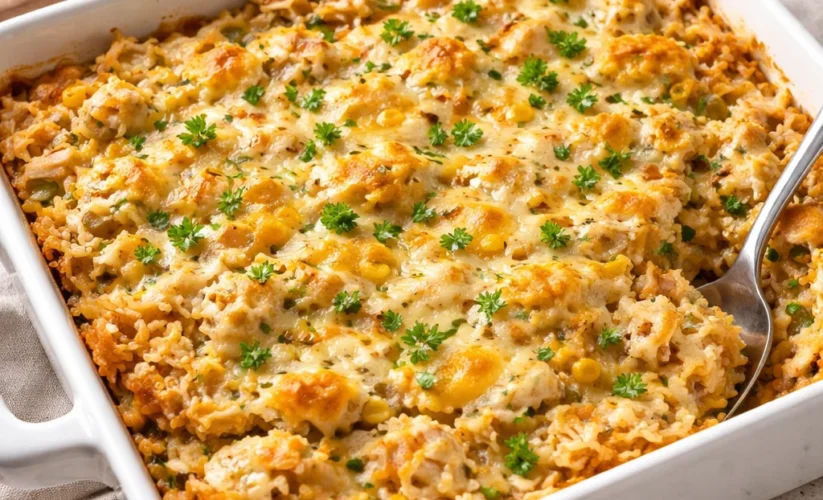
King Ranch Chicken Casserole became Texas’s most famous contribution to American comfort food by combining Mexican-inspired flavors with classic casserole practicality. Layers of torn corn tortillas, shredded chicken, cheese, tomatoes, and chiles created something that tasted special and sophisticated enough for company while being simple enough for Tuesday dinner. The casserole supposedly originated at the famous King Ranch in South Texas, though like many recipe origin stories, the truth is probably less romantic—some Texas home cook figured out that corn tortillas could replace noodles in casseroles and inadvertently created a legend.
What made King Ranch Chicken casserole superior to most chicken casseroles was its bold seasoning. While many grandma casseroles leaned on cream soup for all their flavor, King Ranch used Ro-Tel tomatoes with green chiles to provide spice and acidity that cut through the richness of cheese and sour cream. The tortillas—softened by the casserole’s moisture during baking—added corn flavor and created distinct layers that gave the casserole structure and visual appeal when served. Each slice showed off those striations of tortilla, chicken, and cheese like a savory lasagna.
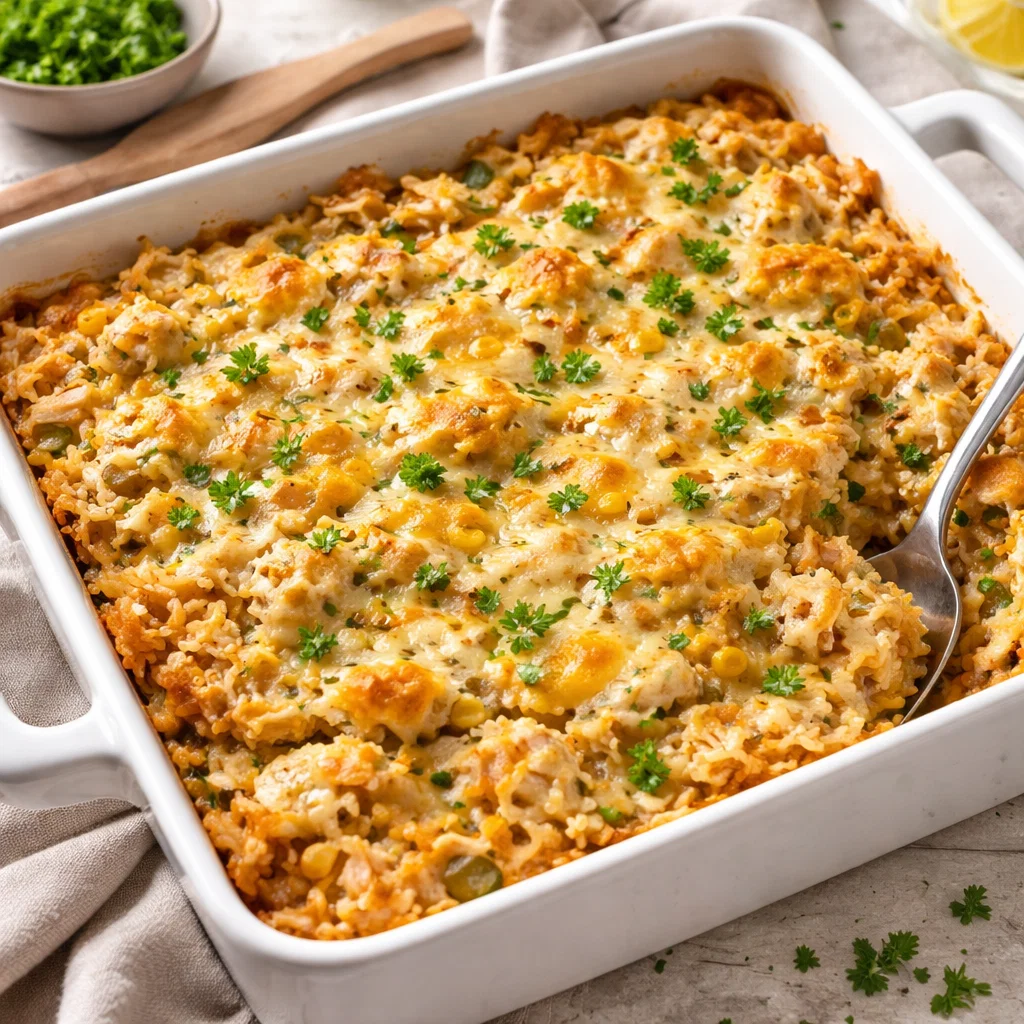
This casserole represents the moment in the 1970s when American home cooking started incorporating more diverse influences beyond the Northern European and Midwestern traditions that dominated earlier decades. Mexican ingredients became pantry staples in more American kitchens, and casseroles adapted to include them. King Ranch Chicken proved that the casserole format was flexible enough to carry any flavor profile — just as flexible as this classic chicken and rice bake that adapts to whatever seasonings you have on hand—it wasn’t limited to cream soups and egg noodles but could showcase whatever ingredients and seasonings a family preferred.
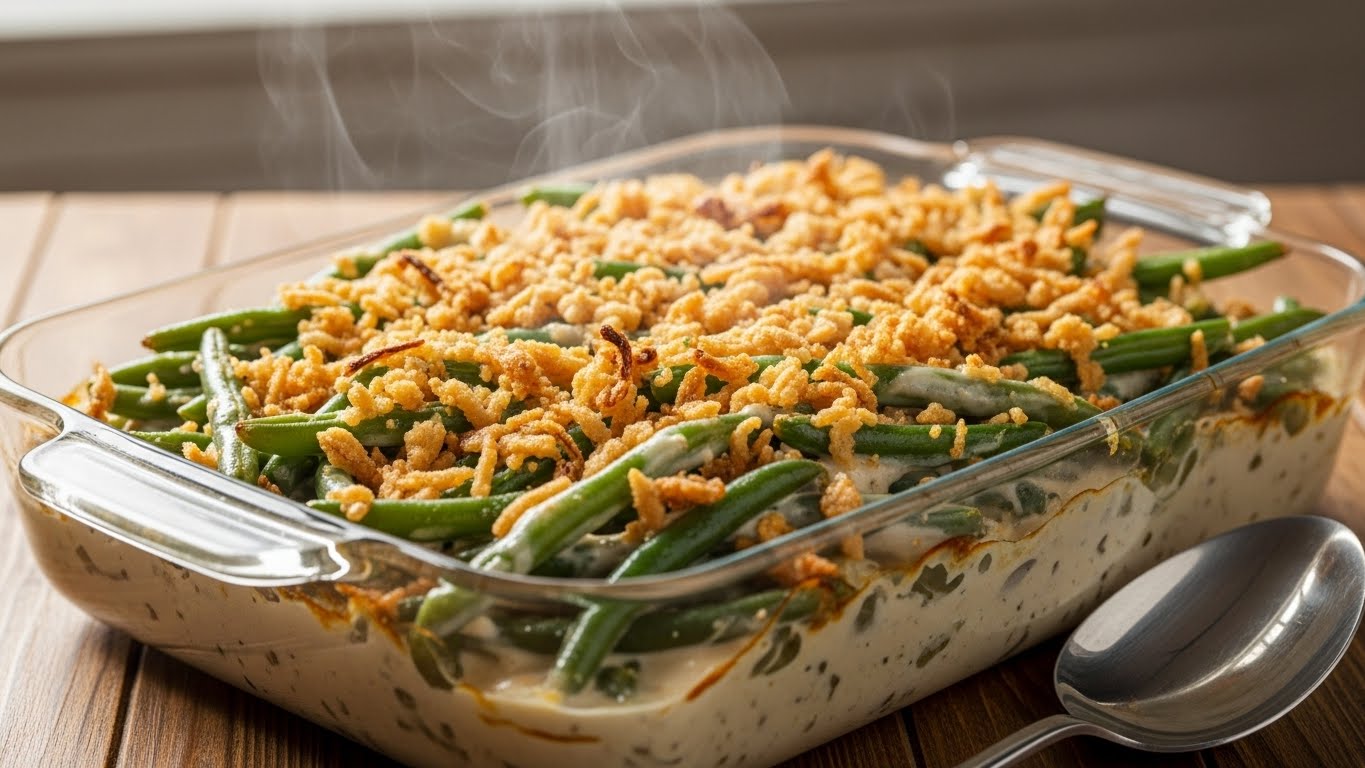
6. Green Bean Casserole – The Thanksgiving Institution
Green bean casserole needs no introduction because it’s the only casserole from grandma’s generation that survived into modern times virtually unchanged. Created in 1955 by the Campbell’s Soup Company test kitchen as a recipe to sell more cream of mushroom soup, it became so entrenched in American Thanksgiving tradition that it now appears on roughly twenty million tables every November. The combination of canned green beans, cream of mushroom soup, and French’s fried onions created a vegetable side dish that people actually wanted to eat—no small feat given how most Americans felt about vegetables in the 1950s.
The genius of green bean casserole was making vegetables palatable to children and adults who’d been raised on overcooked, unseasoned vegetables that tasted like punishment. The cream soup added richness and moisture that transformed squeaky canned beans into something luxurious. The fried onions provided crunch, salt, and savory depth that made the casserole taste indulgent rather than virtuous. Together, these elements created positive associations with eating green beans, which was the whole point—getting families to consume vegetables without complaint — much like these southern style green beans that make even vegetable skeptics come back for seconds.
Modern food culture looks down on green bean casserole as the epitome of processed junk food, and dozens of recipe developers have published “elevated” versions using fresh green beans, homemade mushroom sauce, and hand-fried shallots. These versions taste better, undeniably, but they miss the point. Green bean casserole was never about being the best possible green bean preparation—it was about being a good enough vegetable dish that even picky eaters would finish, made from ingredients that kept indefinitely so you could make it on Thanksgiving morning without a special shopping trip. It solved a specific problem perfectly, which is why it’s the only casserole that survived when all the others disappeared.
Why Casseroles Disappeared
The decline of casseroles in American cooking happened gradually through the 1980s and 90s as several cultural shifts converged. First, the food movement began promoting “fresh” and “from scratch” cooking, positioning convenience ingredients like canned soups and frozen vegetables as inferior processed foods to be avoided. Casseroles, which relied heavily on these convenience ingredients, became symbols of everything wrong with American eating.
Second, restaurant culture exploded and eating out or ordering delivery transformed from occasional treats to regular occurrences for middle-class families. When dining out becomes normal instead of special, home cooking has to compete on different terms. Casseroles designed for efficiency and economy suddenly seemed boring compared to restaurant food designed for maximum flavor impact without regard to cost or effort.
Third, cooking show culture and food media created unrealistic expectations about what home cooking should look like. Grandma’s casseroles were designed to feed families on Tuesday nights with minimal fuss — the same spirit behind timeless weeknight dinners like chicken and dumplings. But food media promoted cooking as a leisure activity and creative outlet where presentation and technique mattered as much as the final taste. Casseroles couldn’t compete with photogenic dishes that looked impressive on Instagram.
Finally, casseroles became associated with bad potluck food—the disappointing mystery glop at church fellowship that looked questionable and tasted bland. Once casseroles developed that negative reputation, people stopped making them even at home. The format itself became tainted, and newer generations never learned the recipes or techniques that made grandma’s versions actually good.
Why These Casseroles Still Matter
These six casseroles represent valuable culinary wisdom that we’ve almost lost: how to feed families nutritious, satisfying meals using affordable ingredients, minimal time, and basic cooking skills. That knowledge matters today just as much as it did in 1965, possibly more given the economic pressures many families face.
Every one of these casseroles feeds six to eight people for under fifteen dollars — just like this hearty beef and vegetable stew that stretches a few dollars into a full family meal using ingredients available at any grocery store. They require one or two dishes for preparation and serving, minimizing cleanup. They can be assembled ahead and baked when needed, fitting into busy schedules better than recipes requiring constant attention. They reheat beautifully, making them ideal for meal prep. And most importantly, they taste good enough that families actually want to eat them, which is the ultimate measure of success for any home-cooked meal.
The modern food world offers plenty of recipes but very few practical cooking systems. Meal kit services provide recipes but at premium prices that most families can’t sustain long-term. Recipe blogs provide endless inspiration but rarely address the fundamental challenge of getting dinner on the table night after night without burning out. Grandma’s casseroles were a system—a reliable rotation of dishes that worked within real-world constraints of time, money, skill, and ingredient availability.
Reviving these casseroles doesn’t mean rejecting modern ingredients or techniques. You can make tuna noodle casserole with homemade cream sauce instead of canned soup. You can use fresh green beans instead of canned in green bean casserole. You can substitute ground turkey for ground beef in Johnny Marzetti. The formulas are flexible enough to accommodate whatever ingredients and preferences you have while maintaining the fundamental efficiency that made them valuable in the first place.
Frequently Asked Questions
Why did grandmothers make so many casseroles?
Casseroles solved multiple problems simultaneously: they stretched expensive meat with cheap starches, used shelf-stable ingredients that didn’t require frequent shopping, minimized dishes and cleanup, could be prepared ahead, and fed large families from one pan. They were the most practical format for mid-century home cooking.
Are casseroles unhealthy?
Original recipes relied heavily on canned soups, processed cheese, and frozen vegetables which are higher in sodium and lower in nutrients than fresh alternatives. However, the casserole format itself is neutral—you can make them healthier by using fresh ingredients, reducing sodium, and increasing vegetables while maintaining the convenience.
Why don’t restaurants serve these casseroles?
Casseroles were designed for home cooking efficiency, not restaurant presentation or profitability. They don’t look impressive plated individually, they’re time-consuming to make in small batches, and their humble reputation doesn’t support premium pricing. They’re fundamentally home food.
Can I make casseroles without canned soup?
Absolutely. Canned cream soups were convenience shortcuts for homemade white sauce (béchamel). You can make any casserole with homemade sauce using butter, flour, milk, and seasonings—it takes ten extra minutes and tastes significantly better.
Which casserole should I try first?
Start with green bean casserole if you want something familiar, or try Johnny Marzetti if you want to discover something new. Both are forgiving recipes that are hard to mess up and deliver reliable crowd-pleasing results.
Why are casseroles coming back?
Economic pressures, meal prep culture, and nostalgia for simpler times are driving renewed interest in practical home cooking. Casseroles represent the antithesis of complicated recipe culture—they’re straightforward, economical, and focused on feeding people well rather than impressing them.
Conclusion
These six casseroles that grandma made religiously throughout the 1950s and 60s weren’t just random comfort foods she happened to enjoy making—they were carefully engineered solutions to the fundamental challenges of feeding families nutritious affordable meals night after night using the ingredients and tools available in mid-century American kitchens where shopping happened once a week, refrigerators were smaller, freezers held less, and nobody had the time or energy to cook elaborate recipes every single evening after working all day.
Tuna noodle casserole used shelf-stable pantry ingredients to create emergency dinners when nothing was planned, cheesy potato casserole transformed frozen hash browns and sour cream into potluck dishes that pleased absolutely everyone from toddlers to elderly relatives, Johnny Marzetti stretched one pound of ground beef to feed eight people with layers of pasta and tomato sauce and cheese, hamburger hash brown casserole required exactly fifteen minutes of actual work before going in the oven to bake unattended — as effortless as throwing together a shepherd’s pie on a busy weeknight, King Ranch Chicken incorporated Mexican-inspired flavors into traditional casserole practicality proving the format could adapt to any cuisine, and green bean casserole made vegetables palatable enough that even the pickiest children would eat them without lengthy negotiations.