Succotash Recipe – Classic American Vegetable Side Dish
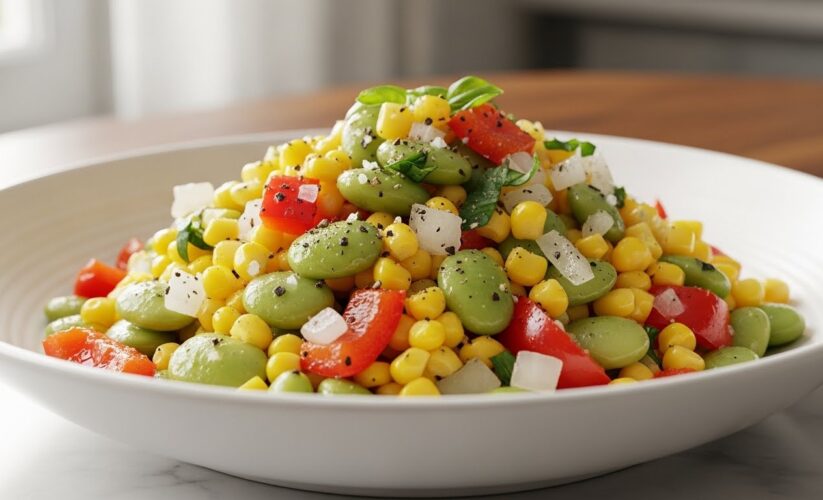
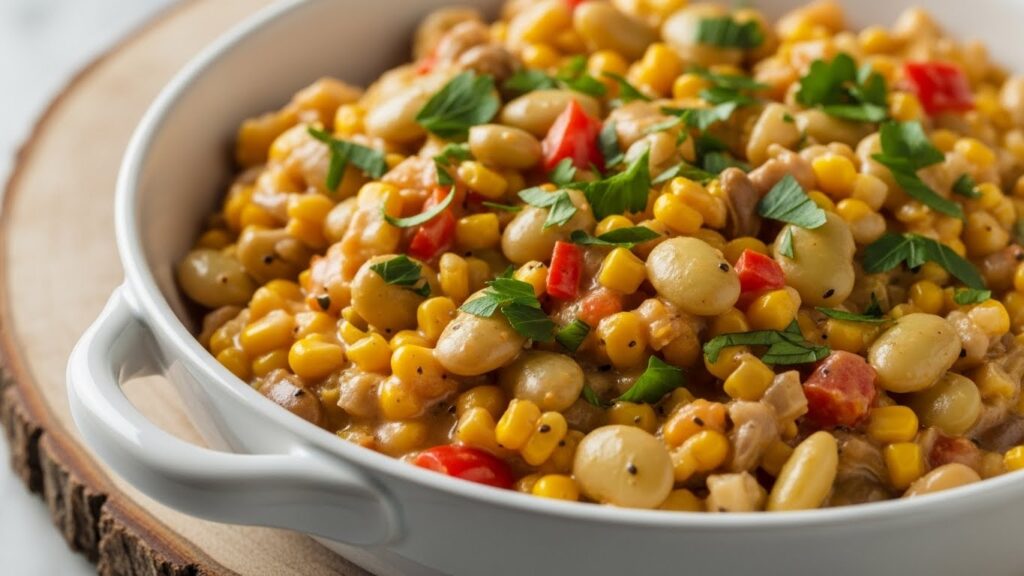
This colorful combination of corn and lima beans has deep roots in American cooking, stretching back centuries to indigenous cultures who first cultivated these crops. The two vegetables complement each other perfectly, creating a dish that’s greater than the sum of its parts. Succotash represents a genuine intersection of cultures and histories—Native American ingredients elevated through African American, Southern, and immigrant cooking traditions. Whether you’re exploring traditional American cuisine, planning a family dinner, or seeking a vegetable side that tastes genuinely satisfying, this classic succotash delivers authentic flavor and cultural significance in every spoonful.
Succotash: Quick Reference
Ingredients You’ll Need
Main Ingredients:
- 2 cups fresh or frozen lima beans
- 2 cups fresh or frozen corn kernels
- 2 tablespoons butter
- 1 small onion, finely chopped
- 1/2 cup milk or cream
- 1/2 teaspoon salt
- 1/4 teaspoon black pepper
Optional Additions:
- 1/2 red bell pepper, diced
- 2 tablespoons fresh parsley, chopped
- 2 slices bacon, chopped
- 1/4 teaspoon thyme
- Pinch of cayenne pepper
- 1 tablespoon fresh dill
Understanding Succotash: History and Heritage
Succotash has its origins in Native American cooking, where corn and beans were staple crops that formed the foundation of survival and nutrition. The word comes from the Narragansett word “msíckquatash,” meaning “boiled corn kernels.” This linguistic connection reminds us that succotash represents genuine American food heritage, not something imported from Europe but something developed from the crops that grew here for centuries before European settlement.
The dish became an important part of American cooking through the centuries, especially in the South and during the Great Depression when meat was scarce and affordable vegetables became the protein and substance of meals. During difficult economic times, succotash stretched budgets while providing nutrition and satisfaction. Families who might have nothing else could usually find corn and beans, making this dish both practical and sustaining.
Over time, succotash evolved beyond simple survival food into something celebrated for its flavors and cultural significance. Southern cooks added cream and butter, transforming it from austere sustenance into creamy comfort food. African American cooks incorporated regional variations and techniques. Immigrant communities added their own cultural touches. Yet through all these variations, the fundamental combination of corn and lima beans remained constant, proving the wisdom of the original pairing.
What Makes This Succotash Special
Unlike many modernized versions that obscure the vegetables with heavy sauces or excessive seasonings, this traditional recipe lets the vegetables remain the star. The butter provides richness while the milk or cream creates a light sauce that coats the vegetables without overwhelming them. The onion adds aromatic depth, while optional bell pepper contributes color and sweetness. The result is a dish that feels substantial and satisfying without being heavy.
The cooking method respects both vegetables while accounting for their different cooking times. Lima beans, whether fresh or frozen, require longer cooking than corn. By adding lima beans first and giving them a head start, you ensure both vegetables finish with perfect texture simultaneously. The covered simmering creates steam that gently cooks vegetables while allowing flavors to meld together beautifully.
How to Make Succotash
Step 1: Prepare the Lima Beans
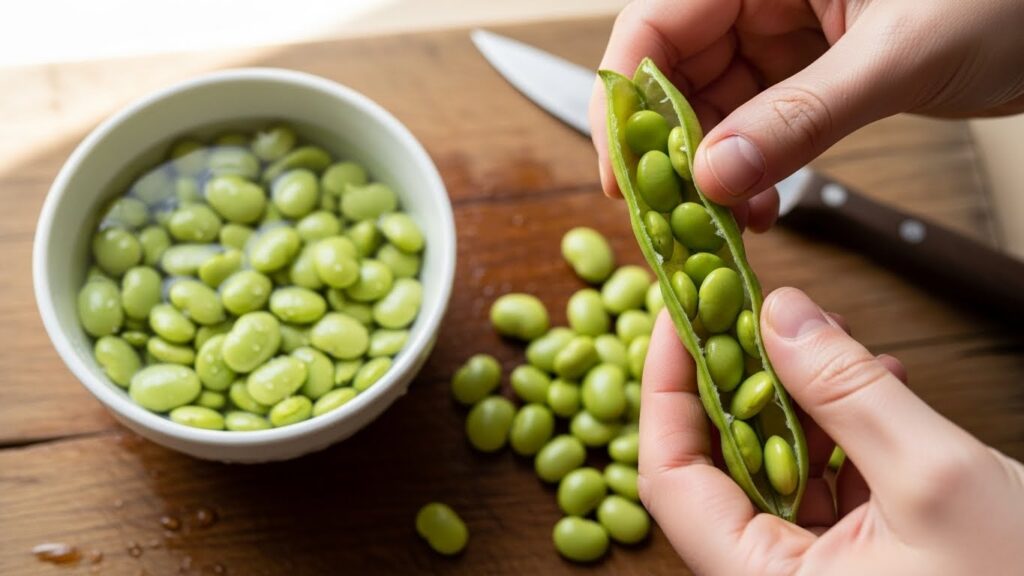
If using fresh lima beans, shell them by popping open the pods and removing the beans inside. Rinse under cool water to remove any debris. If using frozen lima beans, you can use them directly without thawing. Fresh beans have superior flavor and texture, but frozen beans work beautifully and save significant time and labor.
Step 2: Prepare the Corn
If using fresh corn, hold each ear upright in a shallow bowl or on a cutting board. Using a sharp knife, carefully cut kernels from the cob by running the blade down the length of the ear, rotating as you go. Save the cobs for making broth if desired. If using frozen corn kernels, simply measure them out. Fresh corn has a tender sweetness that’s wonderful, but frozen corn works perfectly and is often more practical.

Step 3: Prepare Additional Vegetables
Finely chop the onion into small pieces so it distributes evenly throughout the dish and softens quickly. If using bell pepper, dice it into small pieces. This ensures all vegetables are similarly sized and cook evenly.

Step 4: Melt Butter and Cook Aromatics
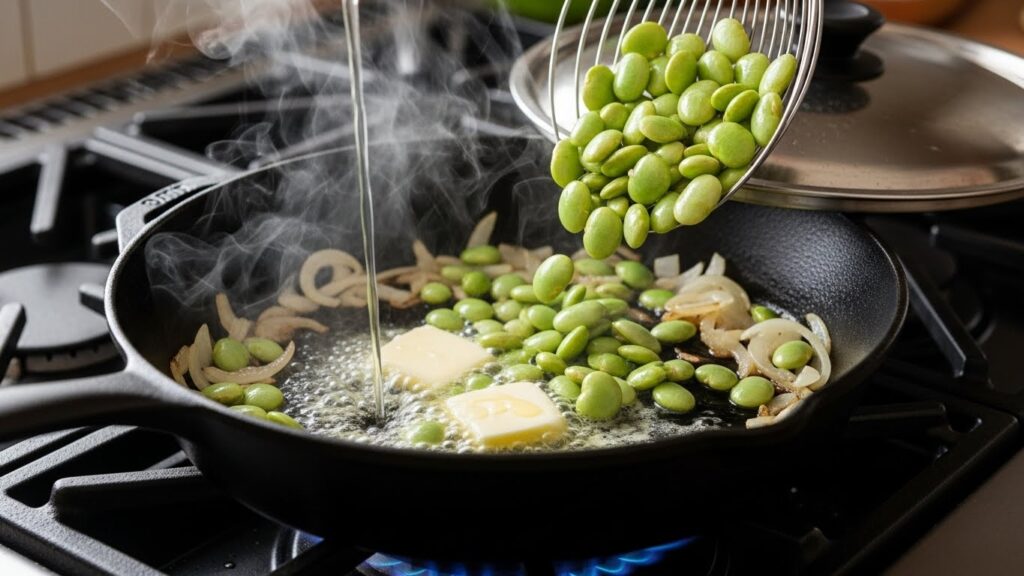
In a large skillet, melt butter over medium heat. Add chopped onion and diced bell pepper if using. Cook, stirring occasionally, until the onion becomes soft and translucent, about 5 minutes. You should see the onion begin to turn light golden and release its fragrance. This builds the flavor foundation for the entire dish.

Step 5: Add Lima Beans
Add the lima beans to the butter and onions, then add 1/4 cup water. The water helps cook the beans and creates steam. Cover the skillet with a lid and reduce heat to medium-low. Simmer for about 10 minutes if using fresh beans, or 5 minutes if using frozen beans. The beans should be becoming tender but not mushy yet.
Step 6: Add Corn and Cream
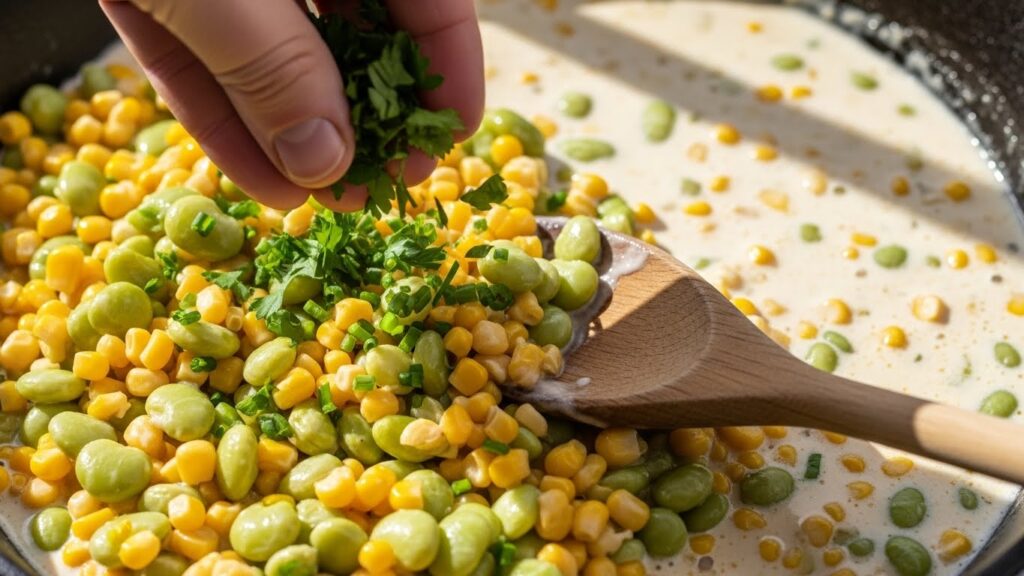
Add the corn kernels, milk or cream, salt, and pepper. If using optional fresh herbs like thyme or dill, add them now. Stir well to combine everything thoroughly and distribute the cream evenly. The mixture should look creamy but not soupy—adjust the amount of milk based on how saucy you prefer your succotash.
Step 7: Simmer Until Complete
Cover the skillet again and simmer for an additional 5 to 10 minutes until both vegetables are fully tender. The cooking time depends on whether vegetables are fresh or frozen and how tender you prefer them. Fresh vegetables typically need closer to 10 minutes, while frozen vegetables require only 5. As the succotash simmers, the cream reduces slightly and thickens, creating a light sauce that coats the vegetables.

Step 8: Finish and Serve
If using fresh parsley, chop it and sprinkle over the succotash just before serving. This adds freshness and color. Taste the succotash and adjust seasonings with additional salt and pepper if needed. Transfer to a serving dish and serve hot.
Pro Tips for Perfect Succotash
Use Quality Corn and Beans: The better your individual ingredients, the better your finished dish. Choose corn that feels fresh and heavy, and look for beans without blemishes or discoloration.
Don’t Overcook the Vegetables: Fresh or frozen, vegetables continue softening after cooking stops. Better to undercook slightly than end up with mushy, unappealing results.
Adjust Cream Amount: If you prefer a thicker, creamier succotash, use cream instead of milk and reduce it slightly by simmering uncovered at the end. If you prefer thinner consistency, add extra broth or milk.
Build Flavor with Aromatics: Taking time to cook the onion properly before adding other ingredients builds a stronger flavor foundation for the entire dish.
Season Thoughtfully: Taste as you cook and adjust salt and pepper to your preference. Different brands of butter and milk have different salinity levels.
Make It Southern: For authentic Southern succotash, cook chopped bacon until crisp before adding onions, then continue with the recipe. The smoky bacon flavor is traditional and delicious.
Fresh Herbs Matter: If using fresh parsley or other herbs, add them at the end just before serving to preserve their bright flavor and color.
Making Succotash Ahead
This dish is excellent for make-ahead preparation. You can prepare it completely up to three days in advance and store in an airtight container in the refrigerator. The flavors actually improve overnight as ingredients meld together, making it perfect for planning ahead before gatherings. Reheat gently on the stovetop over low heat, adding a splash of milk to restore creaminess if needed.
Succotash also freezes well for up to three months. Cool completely before transferring to freezer containers or bags. When ready to use, thaw overnight in the refrigerator and reheat gently on the stovetop. This makes succotash an excellent option for batch cooking and meal planning.
Is Succotash Healthy?
Absolutely. This is genuinely nutritious comfort food. Lima beans provide plant-based protein, fiber, and important minerals including iron and potassium. Corn contributes carbohydrates, fiber, and B vitamins. Together, they create a nutritionally complete vegetable combination. The butter and cream add richness but in reasonable amounts—the milk or cream creates a light sauce, not heavy coating. A typical serving contains nutrition and satisfaction without excessive fat or calories.
Compared to meat-heavy side dishes or cream-based casseroles, succotash is relatively light while still feeling indulgent. The natural sweetness of corn and the creamy sauce satisfy cravings for comfort food without excessive richness. This makes it genuinely healthy comfort food that nourishes while satisfying.
Can Succotash Be Made Ahead?
Yes, succotash is one of the best make-ahead side dishes. Prepare it completely and store in an airtight container in the refrigerator for up to three days. The flavor actually improves as it sits, making this perfect for meal planning before gatherings. Reheat gently on the stovetop over low heat with a splash of milk to restore creaminess if the sauce has absorbed into the vegetables.
For even longer storage, succotash freezes beautifully for up to three months. Cool completely before freezing. Thaw overnight in the refrigerator before reheating. This makes succotash an excellent option for batch cooking—make a large batch, freeze portions, and reheat when needed for quick side dishes.
Can You Freeze Succotash?
Yes, succotash freezes very well for up to three months. Cool the dish completely before transferring to freezer-safe containers or heavy-duty freezer bags. Leave some headspace since liquids expand when frozen. Label containers with the date for easy tracking. Thaw overnight in the refrigerator before reheating. Reheat gently on the stovetop, adding a splash of milk if the sauce seems thick. Frozen succotash tastes nearly identical to fresh, making it an excellent meal prep option.
Easy Variations to Try
Southern Bacon Succotash: Cook 2 slices chopped bacon until crisp before adding onions, then continue with the basic recipe. The smoky bacon flavor is traditional and delicious, adding depth that elevates simple vegetables.
Creamy Herb Succotash: Add 1/4 teaspoon thyme and 1 tablespoon fresh dill to create an herbaceous version with sophisticated flavor that pairs beautifully with both vegetables.
Spicy Succotash: Include a pinch of cayenne pepper or 1/4 teaspoon red pepper flakes for gentle heat that awakens the palate without overwhelming the delicate vegetables.
Without Bacon Version: For those avoiding pork, the basic recipe is delicious as-is. The butter, onion, and cream create satisfying richness without any meat.
Quick Recipe: Use frozen lima beans and corn to skip shelling and cutting, reducing total time to just 20 minutes when you’re in a hurry.
Summer Garden Fresh: Use fresh corn cut from the cob and fresh shelled lima beans for the most tender, flavorful version celebrating peak season vegetables.
For Beginners: Start with frozen vegetables, which remove timing complications and ensure consistent results. This makes succotash foolproof for new cooks.
What Is Succotash
Succotash is a traditional American side dish combining corn and lima beans, typically cooked with butter, onions, and a light cream sauce. The name comes from the Narragansett word “msíckquatash,” meaning boiled corn kernels. The dish has deep roots in Native American cooking and has been adapted through various cultural traditions to become an important part of American cuisine, especially in Southern cooking.
Succotash Paired with Other Dishes
This versatile side complements almost any main dish beautifully. Serve alongside fried chicken, pork chops, ham, or meatloaf. It pairs wonderfully with roasted turkey or baked fish. The creamy vegetables and gentle flavors balance both light proteins and rich, heavy main courses without competing for attention.
For complete meal planning, explore our collection of traditional American comfort food. Try our cornbread recipe as the perfect accompaniment—the contrast between crispy cornbread and creamy succotash is classic. Consider our beef and noodle skillet recipe for a hearty main dish pairing. These combinations create satisfying, traditional meals that celebrate American food heritage.
Frequently Asked Questions About Succotash
What is succotash?
Succotash is a traditional American side dish combining corn and lima beans, typically cooked with butter, onions, and a light cream sauce. The name comes from the Narragansett word meaning boiled corn kernels.
Is succotash healthy?
Yes, this is genuinely nutritious. Lima beans provide plant-based protein, fiber, and minerals. Corn contributes carbohydrates, fiber, and B vitamins. The butter and cream create light richness without excessive fat.
Can succotash be made ahead?
Yes, it’s an excellent make-ahead dish. Prepare completely and store in the refrigerator for up to three days. The flavor actually improves overnight as ingredients meld together.
Can you freeze succotash?
Yes, freeze for up to three months. Cool completely before freezing in airtight containers. Thaw overnight in the refrigerator before reheating gently on the stovetop.
How to make succotash at home?
Cook onions in butter, add lima beans with water and simmer, then add corn and cream. Simmer until vegetables are tender and sauce reduces slightly. Season with salt and pepper.
Can you use canned lima beans?
Yes, canned lima beans work well in succotash. Use drained canned beans and reduce the cooking time since they’re already cooked. Add them with the corn and cream rather than at the beginning.
What if I don’t like lima beans?
You can substitute with other beans like kidney beans or black-eyed peas. The traditional combination features lima beans, but succotash has regional variations.
Can I make succotash without dairy?
Yes, omit the milk or cream and use vegetable broth instead. The dish will be lighter but still delicious, though you’ll lose some creamy richness.
Is succotash a Southern dish?
It has roots in Native American cooking but became especially popular in the South. Many Southern variations include bacon and cream, though the basic recipe is broadly American.
Can I add other vegetables?
Yes, bell peppers, tomatoes, or celery work well with corn and lima beans. Adjust cooking times as different vegetables require different amounts of time to become tender.
Why This Recipe Endures
Succotash represents something important about American food heritage. It’s a dish with genuine indigenous roots that has been adapted, celebrated, and passed down through generations across multiple cultures. The combination of corn and lima beans is so perfectly balanced that it needs no improvement. Succotash reminds us that some recipes remain essentially unchanged for centuries because they’re already perfect.
This dish also represents resilience and resourcefulness. During times of plenty, it celebrates fresh vegetables at peak season. During lean times, it provided affordable nutrition and satisfaction. This dual nature—celebratory yet practical—explains why succotash has remained important on American tables through prosperity and hardship alike.
For more classic recipes that celebrate American food heritage and traditional cooking techniques, explore our collection at Nostalgic Eats. Subscribe to our Vintage Life of USA YouTube channel for more recipes and stories about the food that shaped American families and communities.
Conclusion
This classic succotash recipe proves that simple combinations of quality vegetables create the most satisfying results. Corn and lima beans, prepared with butter, cream, and basic seasonings, combine to create a side dish that’s simultaneously humble and special. Whether you’re celebrating American food heritage, planning a family dinner, or exploring traditional cuisine, succotash delivers authentic flavor and cultural significance. Ready to make it? Gather corn and lima beans, butter and cream, and discover why this traditional dish has remained beloved for centuries on American tables.