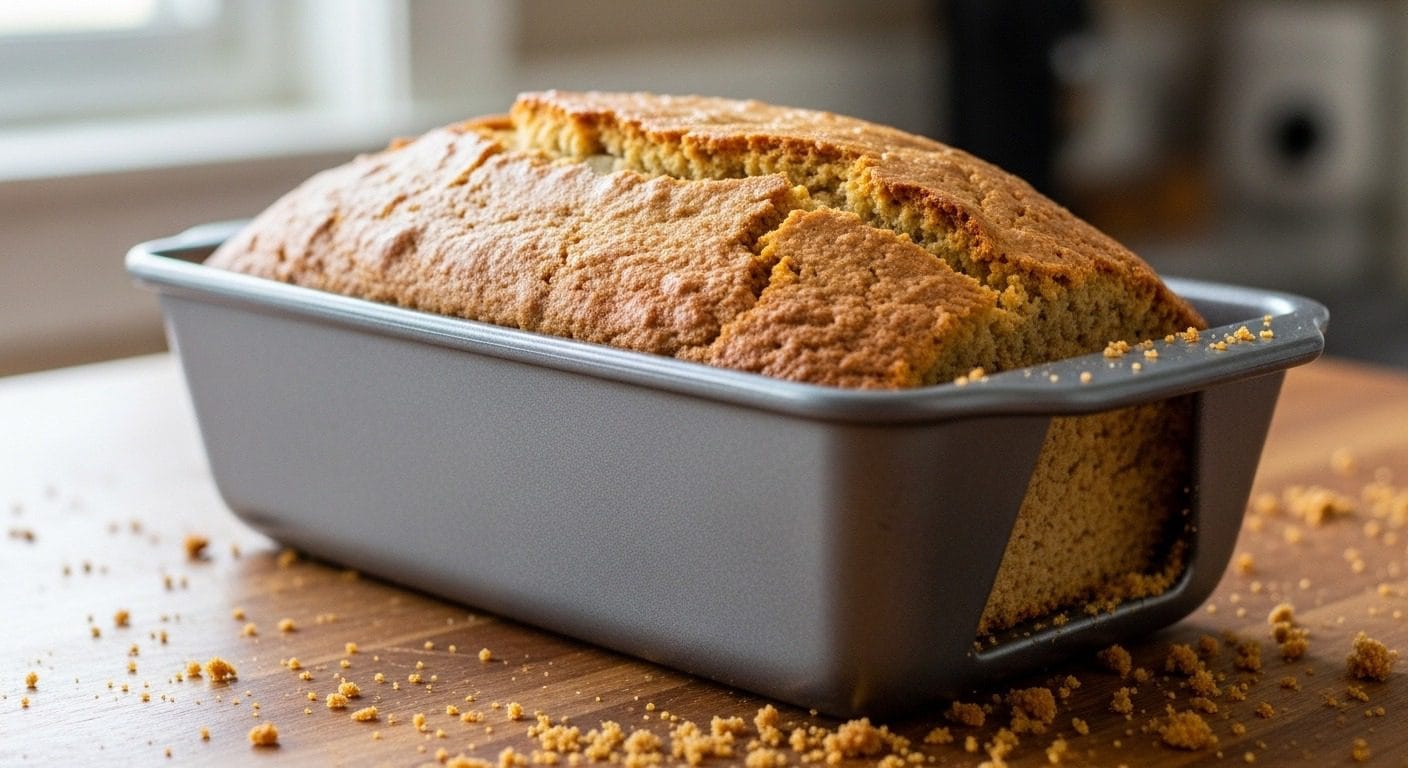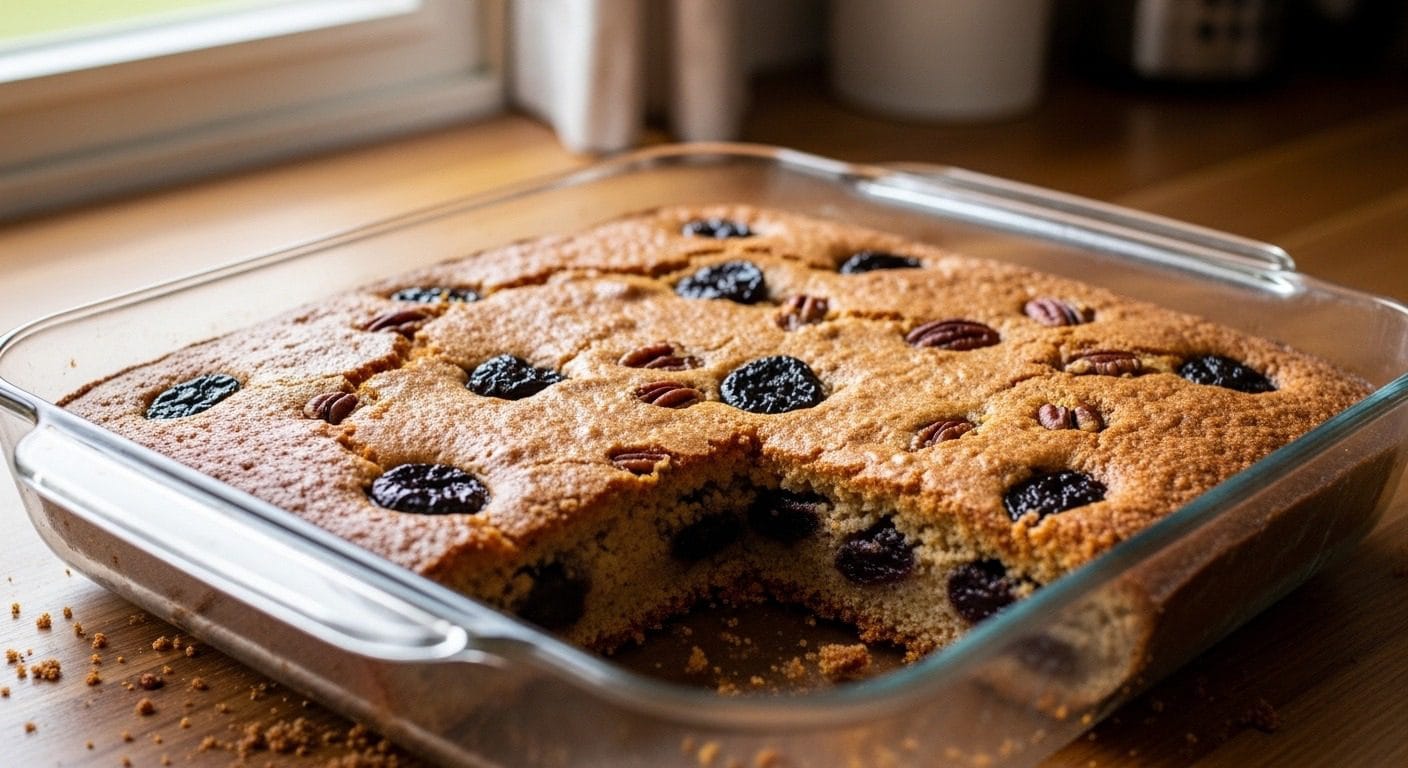
30 FORGOTTEN Poor Man Cakes American Grandmothers Baked When Sugar and Butter Were Almost Gone (Poor Man’s Cake Made With Raisins)
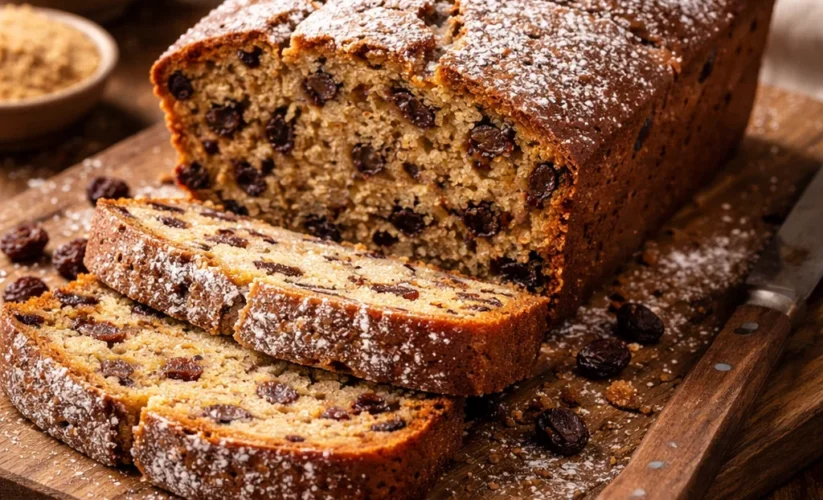
30 FORGOTTEN Poor Man Cakes American Grandmothers Baked When Sugar and Butter Were Almost Gone (Poor Man’s Cake Made With Raisins)
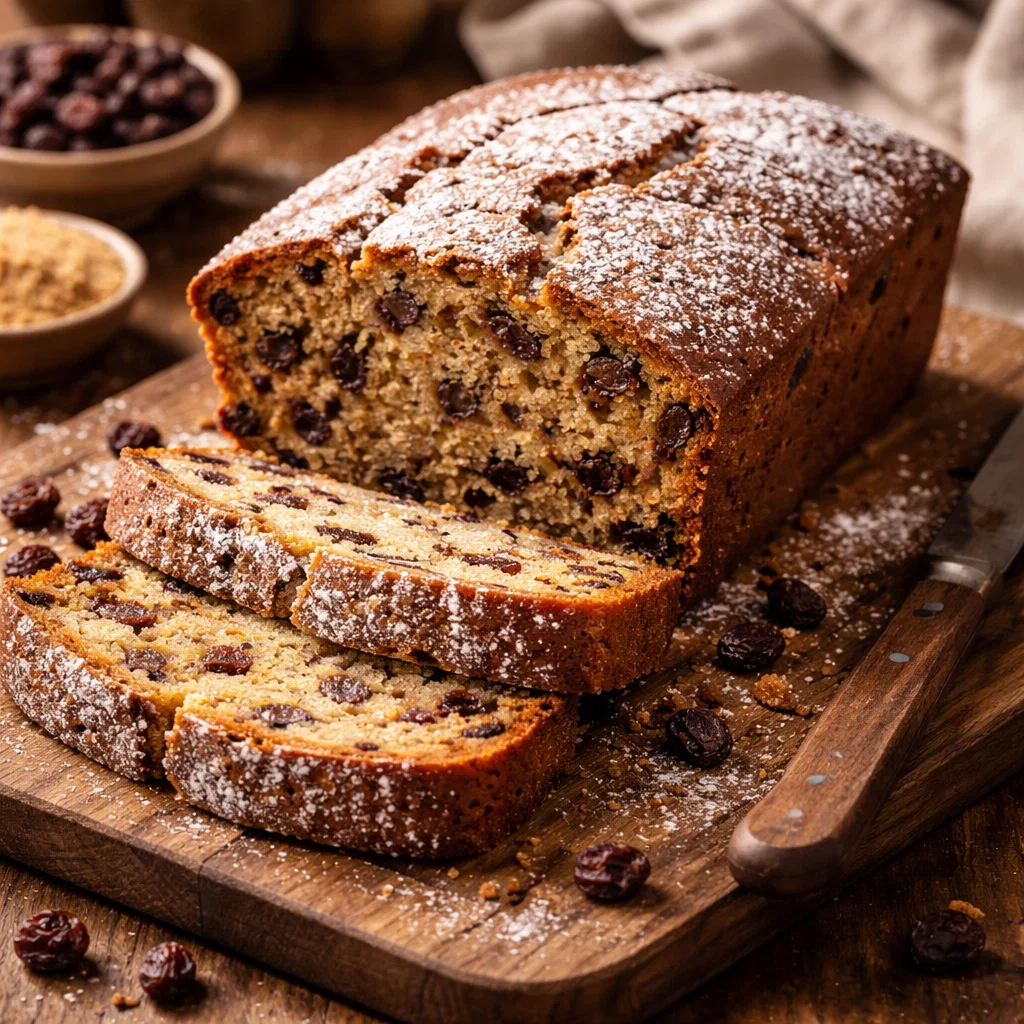
Poor man’s cake made with raisins doesn’t describe a single recipe but an entire category of resourceful Depression-era baking that emerged when American families faced severe shortages of sugar, butter, and eggs during the 1930s economic collapse and 1940s wartime rationing. I discovered thirty different answers to creating delicious cakes from almost nothing when I found my grandmother’s worn 1935 recipe notebook filled with cakes using vegetables, fruits, alternative sweeteners, and substitutions that turned scarcity into surprising sweetness.
The recipe for old fashioned poor man’s cake varied dramatically depending on what families could afford that week and what grew in their gardens. Some poor man cakes used beets or carrots to add moisture and natural sweetness where butter and sugar once belonged. Others relied on raisins, dates, or figs providing concentrated fruit sugar when refined sugar cost too much. Still others used honey, molasses, or sorghum syrup as sweeteners, or substituted lard and vegetable oil when butter disappeared from stores. Each recipe answered the challenge differently, but all shared one trait: they created real cake that tasted good despite using only tablespoons of butter instead of cups.
What shocked me most was discovering these cakes became beloved family traditions that survived long after prosperity returned because they proved that limitation breeds creativity. The poor man’s cake made with raisins and other dried fruits became especially treasured because raisins stored indefinitely, cost pennies, and provided intense sweetness that let bakers reduce expensive refined sugar dramatically. These thirty forgotten cakes emerged between 1930-1945 when economic devastation and wartime rationing made traditional butter-sugar-egg cakes impossible for average families.
Quick Reference
Poor Man’s Cake Made With Raisins – The Basic Categories
Vegetable-Based Moisture Solutions
The most ingenious answer to Poor man’s cake made with raisins was using vegetables to replace expensive butter. Garden vegetables cost nothing when you grew them yourself and provided fat-like moisture that made cakes tender without requiring expensive dairy butter.
Chocolate Beet Cake became the most beloved variation when grandmothers discovered cooked mashed beets added incredible moisture, natural sweetness, and deep color that enhanced chocolate. Mix two cups cooked mashed beets with quarter-cup butter, three-quarters cup sugar, one egg, flour, cocoa, baking soda, and spices. The beets disappeared completely into rich chocolate flavor while providing the moisture butter would have supplied, similar to creative baking found in desserts and cakes.
Carrot Depression Cake eliminated butter entirely by using vegetable oil. Grate two cups carrots fine and mix with half-cup oil, brown sugar, eggs, flour, baking soda, and spices. The carrots added natural sweetness and moisture, creating what eventually became America’s beloved carrot cake. This recipe for old fashioned poor man’s cake innovation created lasting baking traditions, much like techniques in vegetable dishes.
Sweet Potato Layer Cake was the Southern grandmother’s answer when butter was completely unavailable. Mash two cups cooked sweet potatoes smooth and beat with half-cup sugar, two eggs, vanilla. Fold in flour mixed with baking powder and spices. The sweet potato’s natural oils replaced butter’s fat while adding gorgeous orange color, similar to resourcefulness in Sunday dinners.
Dried Fruit Sweetness Strategy
Poor man’s cake made with raisins referred to any Depression cake using raisins as primary sweetener. Raisins stored indefinitely without refrigeration, their concentrated grape sugar made them intensely sweet, and their moisture helped create tender crumb when butter was scarce.
Date Nut Depression Cake demonstrated this perfectly. Chop one cup dates fine, pour boiling water over them, and let stand. Mix softened dates with half-cup oil, sugar, egg, flour, and baking soda. The dates provided concentrated fruit sugar that let bakers reduce expensive refined sugar by more than half.
Fig Preserve Cake used homemade fig preserves which Southern families made from abundant fig trees to provide both sweetness and moisture. Mix one cup fig preserves with half-cup butter, half-cup sugar, two eggs, flour, baking soda, and spices. The fig preserves contributed pectin that kept cake incredibly moist for days, similar to preservation techniques in breads and biscuits.
Alternative Sweetener Methods
Honey Substitute Cake answered sugar rationing when beekeepers had honey available. Mix one cup honey with two tablespoons butter, egg, flour, and baking soda dissolved in sour milk. The honey’s liquid sweetness replaced most sugar and added moisture, allowing dramatic butter reduction.
Sorghum Molasses Cake used sorghum syrup that Southern farmers made from sorghum cane when both sugar and molasses were scarce. Mix three-quarters cup sorghum with quarter-cup butter, egg, flour, baking soda, ginger, and cloves. This Appalachian recipe for old fashioned poor man’s cake sustained mountain families through the hardest years.
Maple Syrup Cake used two tablespoons butter and three-quarters cup maple syrup replacing sugar entirely. Northern families tapped maple trees in late winter creating free sweetener if you had trees. Mix syrup with minimal butter, egg, milk, flour, and baking powder. The maple flavor created special-occasion cake from forest resources.
Chemical Leavening Innovations
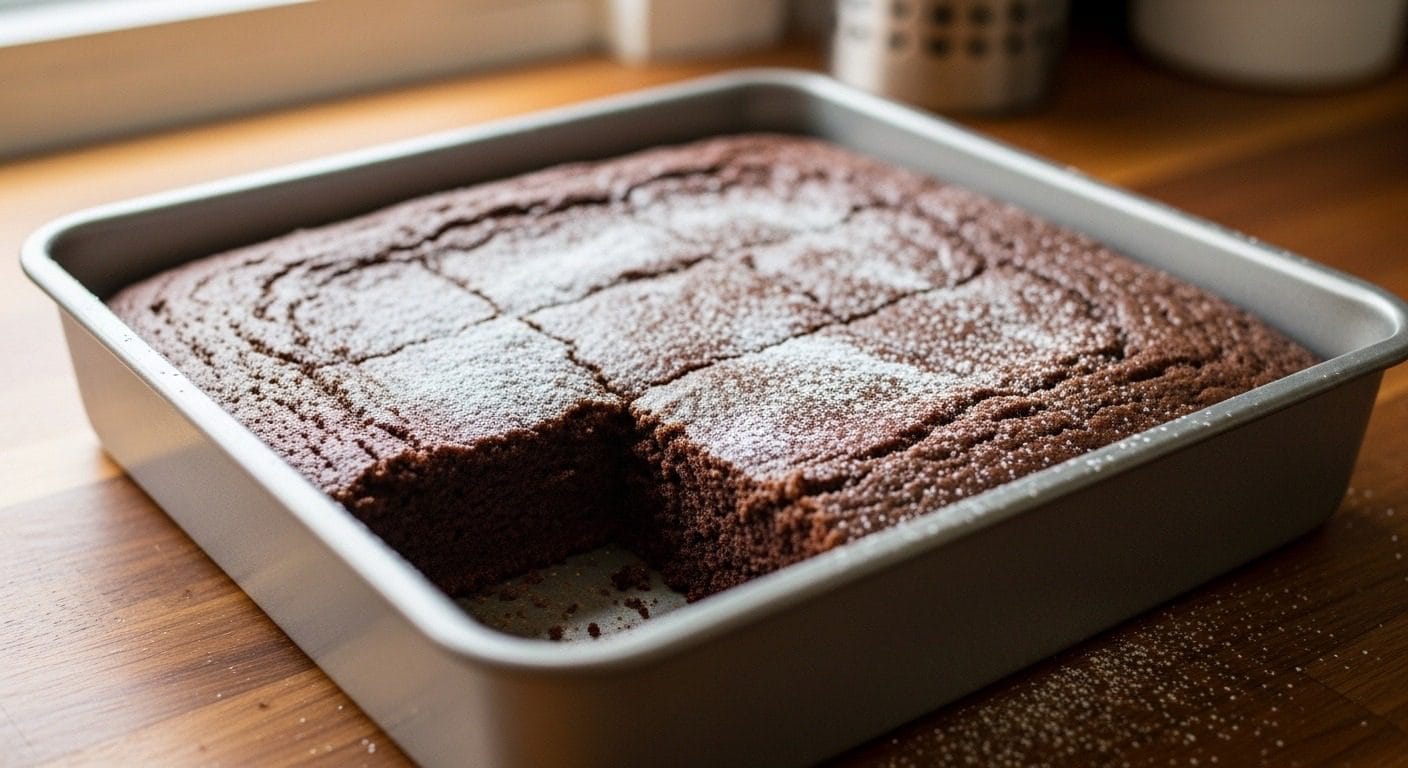
Vinegar Depression Cake used vinegar’s acid reaction with baking soda to create leavening without eggs. Mix flour, sugar, cocoa, baking soda, and salt directly in the baking pan. Make three wells for vinegar, vanilla, and oil. Pour cold water over everything and stir right in the pan. Bake immediately. The vinegar-soda reaction created rise and tender crumb without butter or eggs, representing techniques found in old fashioned homemade brownie recipes.
The Complete 30 Poor Man Cakes Collection
Most Beloved Depression Cakes
1. Chocolate Beet Cake – Most beloved poor man’s cake made with raisins alternative using two cups cooked mashed beets for moisture and color, quarter-cup butter. Beets disappeared into rich chocolate flavor while grandmothers served this at church socials claiming it was regular chocolate cake, similar to potluck covered dish favorites.
2. Carrot Depression Cake – Extremely popular using grated carrots and vegetable oil with zero butter, creating the foundation for modern carrot cake. Two cups finely grated carrots, half-cup oil, brown sugar, eggs, spices created naturally sweet cake that stayed moist for days, found in desserts and cakes.
3. Sweet Potato Layer Cake – Southern favorite where two cups mashed sweet potatoes completely replaced butter, creating elegant orange-tinted layers. Sweet potato’s natural oils provided everything butter would have, similar to resourceful Sunday dinners.
4. Date Nut Depression Cake – Very common using one cup chopped dates providing concentrated sweetness, half-cup oil. Dates soaked in boiling water until soft created this recipe for old fashioned poor man’s cake that lasted because dates stored indefinitely.
5. Pumpkin Spice Cake (1930s) – Fall favorite using one cup mashed pumpkin, half-cup shortening. Pumpkin added moisture and beta-carotene created beautiful color. Grandmothers made this after Halloween when pumpkins were abundant, similar to pies and cobblers season.
6. Banana Depression Cake (1930) – First banana cake using overripe bananas that grocers gave away free, one tablespoon butter. Mash three very ripe bananas—the browner the better. This poor man’s cake made with raisins philosophy turned grocery throwaways into prized dessert, found in breakfast favorites.
7. Honey Substitute Cake – Common when beekeepers traded honey, using one cup honey to replace sugar, two tablespoons butter. Honey’s liquid sweetness created golden color and kept cake moist for a week.
8. Fig Preserve Cake – Popular in South where fig trees grew abundantly, using one cup homemade fig preserves, half-cup butter. The fig preserves contributed pectin that created incredibly moist texture, similar to techniques in breads and biscuits.
9. Wartime Reduced-Sugar Cake – Official government ration recipe using two tablespoons butter, half-cup sugar. The government food administration developed this proving recipe for old fashioned poor man’s cake necessity applied even when war demanded sacrifice.
10. Hot Water Chocolate Cake – Very popular using hot water method where boiling water poured over cocoa “bloomed” the chocolate flavor making minimal cocoa taste stronger. One tablespoon butter created incredibly moist crumb, similar to desserts and cakes innovation.
Regional Favorites
11. Economical Chocolate Cake (Canadian) – Canadian recipe using one tablespoon lard plus one tablespoon butter. The lard-butter combination provided fat at lower cost than butter alone.
12. Hickory Nut Cake – Appalachian using two-thirds cup butter, hickory nuts gathered free from forests. Mountain families gathered hickory nuts in fall—labor-intensive to shell but completely free.
13. Sorghum Molasses Cake – Southern using three-quarters cup sorghum syrup, quarter-cup butter. Farmers made sorghum from sorghum cane creating this poor man’s cake made with raisins alternative.
14. Condensed Milk Cake – Using one can sweetened condensed milk as both sweetener and liquid, zero butter. The condensed milk’s concentration meant extreme sweetness from one can, similar to potluck covered dish favorites.
15. Buttermilk Substitute Cake – Using two tablespoons butter, buttermilk’s acidity tenderizing crumb. Families made buttermilk from leftover butter-making liquid—essentially free.
16. Maple Syrup Cake – Using two tablespoons butter, three-quarters cup maple syrup replacing sugar. Northern families tapped maple trees in late winter.
17. Apple Butter Cake – Using one cup apple butter replacing most butter, half-cup sugar. Families made apple butter from abundant fall apples.
18. Cider Spice Cake – Using two tablespoons butter, one cup apple cider adding moisture. Fall cider-making produced gallons for baking, similar to breakfast favorites.
19. Coconut Oil Cake – Using half-cup coconut oil instead of butter. Coconut oil was cheaper than butter in some regions.
20. Parsnip Spice Cake – Using two-thirds cup butter, two cups grated parsnips adding moisture and sweetness. The parsnips’ natural sweetness surprised people, similar to creative vegetable dishes.
Extreme Poverty Cakes
21. One-Egg Spice Cake – Using one tablespoon butter, half-cup sugar, only one egg. The single egg provided just enough structure while sour milk’s acid helped leavening.
22. Half-Cup Sugar Cake – Using two tablespoons butter, exactly half-cup sugar reduced from traditional two cups. This represented what official ration allowed one person weekly during WWII.
23. Lard Substitute Cake – Using lard with no butter. Lard cost less than butter because it came from readily available pigs, found in meat and poultry mains economy.
24. Brown Sugar Only Cake – Using two tablespoons butter, one cup brown sugar with no white sugar. Brown sugar’s molasses content added flavor making minimal butter taste richer.
25. Vinegar Depression Cake – Using no butter, vinegar plus soda reaction. Mix dry ingredients in pan with wells for vinegar, vanilla, and oil. This became legendary as Wacky Cake, similar to old fashioned homemade brownie recipes.
26. Stovetop Griddle Cake – Using one tablespoon butter, cooked on stovetop when oven fuel was too expensive. Drop batter like pancakes on griddle, similar to breakfast favorites.
27. Ration Book Cake – Official recipe using one tablespoon butter, half-cup sugar, one egg—exactly what ration books allowed weekly.
28. Poverty Spice Cake – Using two tablespoons butter, half-cup molasses only. The molasses provided all sweetness cheaper than sugar.
29. Make-Shift Cake – Using one tablespoon butter, whatever sweetener available. This had no set recipe—grandmothers mixed whatever they had.
30. Boiled Syrup Cake – Using no butter, boiled syrup method where corn syrup or molasses boiled with raisins. Boil syrup with water and raisins, cool, mix with flour and soda. This poor man’s cake made with raisins used only three ingredients.
Why Poor Man’s Cake Made With Raisins Disappeared
Post-WWII prosperity made butter, sugar, and eggs affordable again. The 1950s economic boom meant families could buy traditional cake ingredients without sacrifice. Sugar rationing ended in 1947—suddenly two-cup sugar cakes were celebration of freedom rather than wasteful excess. The abundance felt miraculous after fifteen years of scarcity.
The recipe for old fashioned poor man’s cake became source of embarrassment rather than pride. During Depression and war, making cake from beets or using one tablespoon butter demonstrated admirable resourcefulness and patriotic sacrifice. But post-war prosperity culture redefined those same substitutions as marks of poverty and failure. Families wanted to forget hungry years and serve “real” cakes with proper ingredients proving they’d achieved middle-class status.
Betty Crocker cake mixes launched in 1947 promising perfect cakes from boxes requiring only adding egg and water. Why measure flour, sift ingredients, and cream butter when a box mix guaranteed success? The poor man’s cake made with raisins techniques—grating vegetables, soaking raisins, blooming cocoa in hot water—seemed unnecessarily difficult when convenience beckoned. Each generation’s definition of “easy” made previous methods look hard, similar to shifts in casseroles and one-pan cooking.
Why Recipe For Old Fashioned Poor Man’s Cake Matters Today
Modern health awareness about excessive sugar consumption makes poor man’s cake made with raisins techniques newly relevant. These Depression cakes used half to one-quarter the sugar of traditional cakes yet still tasted sweet and satisfying. Using dates, raisins, honey, or mashed sweet potato for sweetness reduces refined sugar dramatically while adding fiber, vitamins, and minerals. The techniques grandmothers developed from deprivation now solve modern health challenges.
Economic pressure affects families again when inflation makes groceries expensive. The recipe for old fashioned poor man’s cake using two tablespoons butter costs fifty cents in butter versus two dollars for traditional one-cup amount. Using vegetable oil instead of butter saves money while creating tender cakes. Garden vegetables—carrots, beets, sweet potato, pumpkin—cost pennies when homegrown or bought in season. These techniques prove satisfying desserts don’t require expensive ingredients, similar to economy in soups and stews.
Modern sustainability concerns align with Depression-era philosophy. Overripe bananas become cake instead of trash. Leftover mashed sweet potato turns into layer cake. Garden beets too small for dinner get grated into chocolate cake. The poor man’s cake made with raisins mindset of using everything reduces waste while creating delicious results. This zero-waste approach predated environmental movements by decades, similar to resourcefulness in easy salads and sides.
For resources on reviving these lost techniques, the Vintage Life of USA YouTube channel explores Depression-era baking methods and authentic 1930s recipes through historical documentation and faithful recreations.
Frequently Asked Questions
What is poor man’s cake made with raisins and why did Depression bakers use raisins?
Poor man’s cake made with raisins referred to any Depression-era cake using raisins as primary sweetener to reduce expensive refined sugar. Raisins stored indefinitely without refrigeration, concentrated natural grape sugar made them intensely sweet, and their moisture helped create tender crumb when butter was scarce. Boiled Syrup Cake exemplified this: boil one cup corn syrup with one cup water and one cup raisins five minutes, cool, then mix with flour and baking soda—three ingredients creating complete cake. The raisins provided flavor, sweetness, moisture, and texture all together making them Depression baking’s most versatile ingredient, similar to resourcefulness in sandwiches and spreads.
Where can I find authentic recipe for old fashioned poor man’s cake that actually tastes good?
The most reliable authentic recipe for old fashioned poor man’s cake that genuinely tastes delicious is Chocolate Beet Cake: mix two cups cooked mashed beets with quarter-cup melted butter, three-quarters cup sugar, one egg, one and a half cups flour, quarter-cup cocoa powder, one teaspoon baking soda, half-teaspoon each cinnamon and vanilla. Bake at 350°F thirty-five to forty minutes. The beets disappear completely into rich chocolate flavor while providing moisture and natural sweetness. Nobody guesses the secret vegetable ingredient. This tastes genuinely good—not “good considering it’s Depression cake” but actually delicious chocolate cake, similar to quality in desserts and cakes.
Can I make recipe for old fashioned poor man’s cake without any butter or eggs?
Yes absolutely. Vinegar Depression Cake uses neither butter nor eggs and became legendary for this reason. In a nine-by-nine pan, mix one and a half cups flour, one cup sugar, three tablespoons cocoa powder, one teaspoon baking soda, half-teaspoon salt.
Make three wells in the dry ingredients. Pour one tablespoon white vinegar in first well, one teaspoon vanilla in second well, six tablespoons vegetable oil in third well. Pour one cup cold water over everything. Stir directly in the pan with a fork until just combined. Bake at 350°F thirty minutes. The vinegar reacts with baking soda creating rise and tender crumb without eggs. The oil provides fat without butter. This poor man’s cake made with raisins philosophy extends to eliminating all expensive ingredients, found in old fashioned homemade brownie recipes.
Why did grandmothers put vegetables in cake for poor man’s cake made with raisins?
Grandmothers discovered vegetables solved three problems simultaneously making recipe for old fashioned poor man’s cake successful. First, vegetables replaced expensive butter’s moisture—mashed sweet potato, grated carrot, cooked beets all contain natural moisture creating tender crumb without much added fat. Second, vegetables added subtle natural sweetness letting bakers reduce refined sugar by half. Third, veg
etables were free when grown in gardens or cost pennies when bought—families who couldn’t afford fifty cents for butter could grow carrots for free. The technique worked because vegetable starches and natural sugars behaved chemically similar to butter and sugar in baking, similar to resourcefulness in vegetable dishes.
Do these poor man’s cakes actually taste good or did people just tolerate them?
They taste genuinely delicious when made properly—not compromises people tolerated but often superior to traditional cakes. Sweet Potato Layer Cake tastes like elegant spice cake with gorgeous orange color and moist tender crumb that stays fresh for days. Date Nut Depression Cake rivals modern coffee cakes in flavor and texture. Hot Water Chocolate Cake creates incredibly moist chocolate cake that many people prefer to butter-based versions.
The “poverty” stigma disconnected from flavor—these cakes taste good because they use sound baking chemistry, not despite economical ingredients. Many became lasting favorites precisely because they were delicious: Carrot Depression Cake evolved into America’s beloved carrot cake proving these poor man’s cake made with raisins innovations created genuine culinary achievements, similar to enduring popularity in pies and cobblers.
Which poor man’s cake should beginners try first for recipe for old fashioned poor man’s cake?
Start with Banana Depression Cake because it’s foolproof and uses ingredients you probably have. Mash three very ripe bananas—the browner the better. Mix with one tablespoon melted butter, three-quarters cup sugar, one beaten egg, one and a half cups flour, one teaspoon baking soda, one teaspoon vanilla, pinch of salt. Pour into greased nine-by-nine pan.
Bake at 350°F thirty-five minutes until toothpick comes out clean. This recipe for old fashioned poor man’s cake tastes like banana bread’s cake cousin, uses minimal butter without tasting compromised, and the ripe bananas provide all needed moisture. Success builds confidence for trying vegetable-based cakes like Carrot or Chocolate Beet, similar to building skills in breads and biscuits.
Bringing Poor Man’s Cake Made With Raisins Back to Your Kitchen
These thirty forgotten poor man’s cake made with raisins and vegetable-based cakes fed American families for fifteen hard years because they solved genuine problems—when butter cost more than families earned and sugar was rationed to half-pound weekly, these recipes created real celebration-worthy desserts using garden vegetables, dried fruits, alternative sweeteners, and chemistry innovations that proved resourcefulness outweighed affluence.
Grandmothers made Chocolate Beet Cake for birthdays using quarter-cup butter instead of one cup. Families requested Carrot Depression Cake not from necessity but because it tasted better than traditional cake and stayed moist for days. Children celebrated with Sweet Potato Layer Cake without knowing poverty made it possible—they just knew it was delicious orange cake that made special occasions feel special even during the Depression’s darkest years.
Every cake used tablespoons of butter instead of cups—saving dollars families didn’t have. Every recipe used half to three-quarters cup sugar instead of two cups—stretching precious sweetener. Every innovation turned free garden vegetables or affordable dried fruits into moisture, sweetness, and flavor that replaced expensive dairy and refined sugar.
These recipe for old fashioned poor man’s cake variations proved that limitation breeds remarkable creativity when necessity demands it—chemistry knowledge, technique mastery, and willingness to experiment with substitutions created entirely new cakes that weren’t inferior substitutes but often superior results that survived prosperity because they genuinely tasted good.
The techniques remain as relevant today as ninety years ago: using vegetable purees for moisture and natural sweetness, substituting affordable oils for expensive butter, maximizing dried fruits’ concentrated sugar, employing alternative sweeteners like honey and molasses, understanding acid-base reactions that create rise without eggs, and recognizing that patient mixing and proper technique matter more than expensive ingredients. These forgotten poor man’s cake made with raisins innovations prove that genuinely delicious baking doesn’t require abundance—it requires understanding ingredients, respecting chemistry, and embracing creative solutions.
Modern families facing grocery inflation, sugar-reduction health goals, and food-waste consciousness can learn invaluable lessons from grandmothers who baked celebration cakes from almost nothing during America’s hardest years. Try Chocolate Beet Cake this week and discover that two cups grated beets create the moistest chocolate cake you’ve ever tasted using quarter-cup butter. Make Carrot Depression Cake and understand why it became permanent American tradition—because it’s genuinely superior to butter-heavy alternatives.
Bake Banana Depression Cake from three brown bananas headed for trash and experience the satisfaction of creating something delicious from what others waste. Your great-grandmother who baked these every week with tablespoons of butter when neighbors had none would be proud that someone remembers her resourcefulness wasn’t poverty—it was brilliant practical baking proving love doesn’t require expensive ingredients, just willingness to make something sweet for people you care about using whatever you have.