Eggs in a Nest Recipe: Easy Breakfast Classic

Golden toast with an egg nestled perfectly in the center, yolk still runny and ready to break—eggs in a nest turns ordinary breakfast into something playful. Also called eggs in a basket or toad in a hole, this clever dish became a mid-century favorite because it made children actually excited about breakfast. The magic happens when you crack an egg into a hole cut from bread, frying both together until the edges crisp while the yolk stays gloriously soft. One bite combines buttery toast with rich egg in a way that feels special even though it takes just five minutes to make.
Recipe Quick Stats
Eggs in a Nest: At-a-Glance
Ingredients You’ll Need
Main Ingredients:
- 4 slices bread (white, wheat, sourdough, or your favorite)
- 4 large eggs
- 4 tablespoons butter, divided
- Salt and pepper to taste
- Paprika or dried herbs (optional, for garnish)
How to Make Eggs in a Nest Recipe
Preparing the Bread
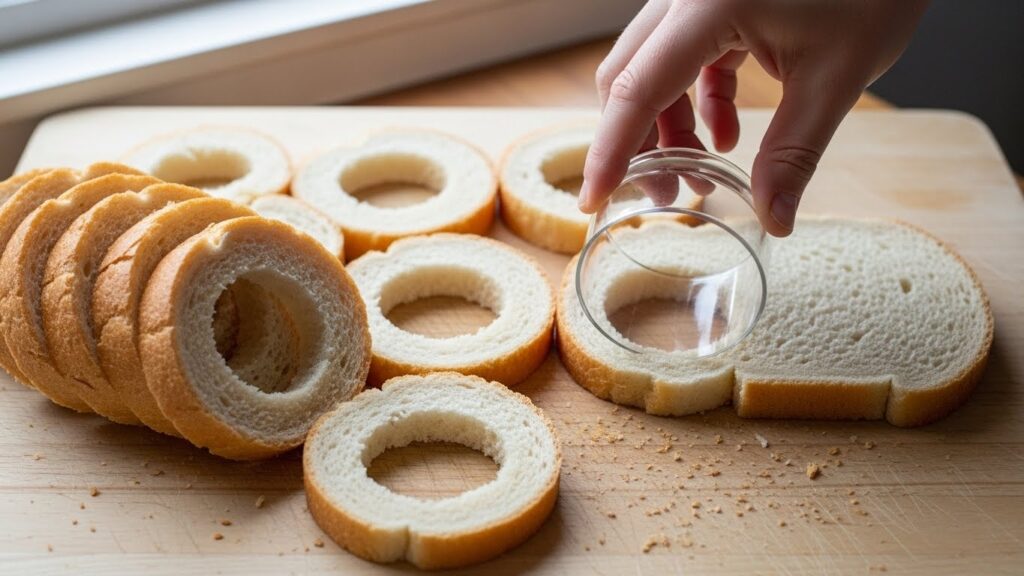
Step 1: Use a 2½-inch biscuit cutter, cookie cutter, or the rim of a drinking glass to cut a hole in the center of each bread slice. Press firmly and twist slightly to cut through cleanly. Save the cut-out circles—they’re perfect for dipping into the runny yolk.
Cooking the First Nest
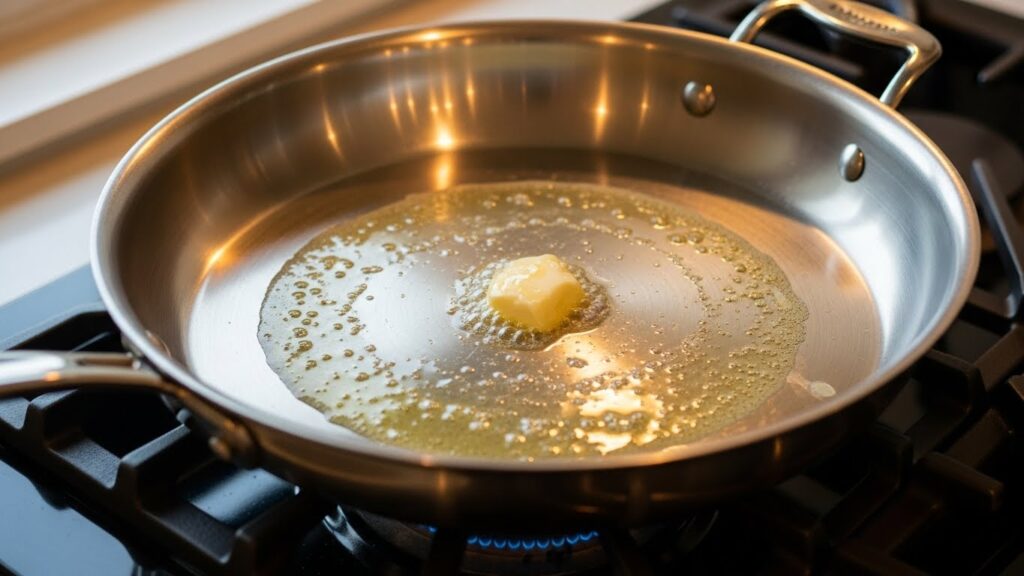
Step 2: Heat a large skillet over medium heat. Add 1 tablespoon of butter and let it melt, tilting the pan to coat the bottom evenly. The butter should sizzle gently but not brown immediately—medium heat is crucial for crispy bread without burning.
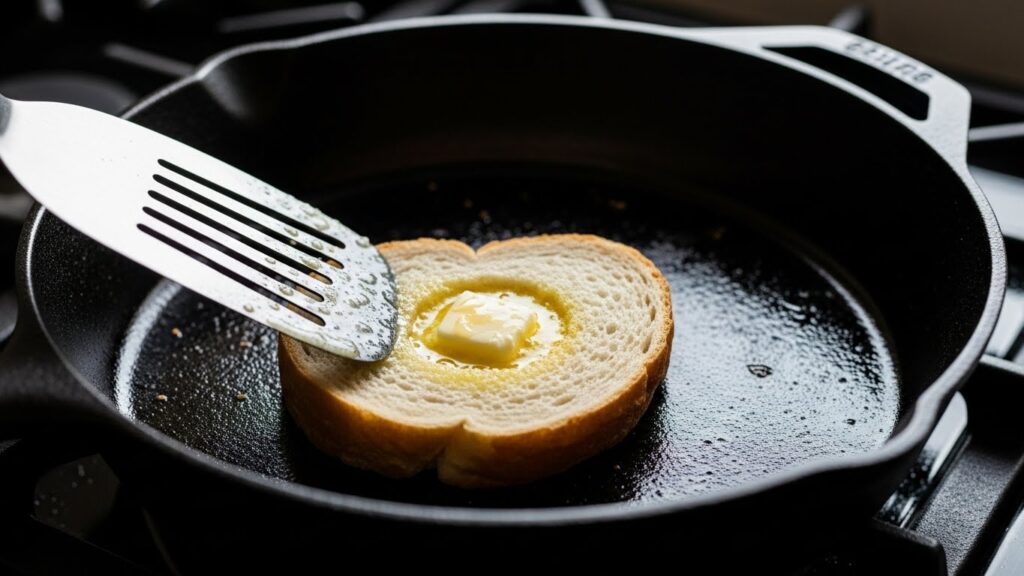
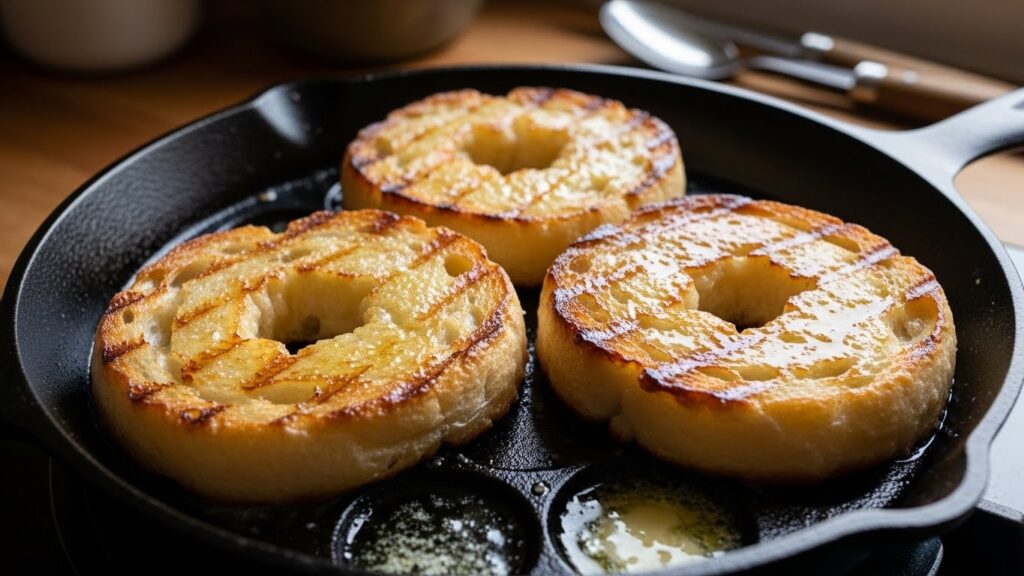
Step 3: Place one bread slice in the melted butter. The bread should sizzle softly on contact. Cook until the bottom turns golden brown and crispy, about 1 minute. Watch for even browning—adjust heat if needed.

Step 4: Flip the bread carefully with a spatula. Add a small dab of butter directly into the hole—this prevents the egg from sticking and adds rich flavor.
Adding the Egg
Step 5: Crack an egg into a small bowl first (this prevents shell pieces from ruining your nest), then gently pour the egg into the hole in the bread. The white will spread slightly beyond the hole—this is perfect and creates delicious crispy edges.

Step 6: Season immediately with salt and pepper while the egg is still raw. For extra flavor, add a tiny pinch of paprika or dried herbs like chives or parsley.

Step 7: Cook without moving the bread until the egg white is completely set but the yolk remains soft and jiggly, about 2-3 minutes. For faster cooking with a perfectly runny yolk, cover the skillet with a lid for the last 30 seconds—the trapped steam sets the top of the white while keeping the yolk liquid.
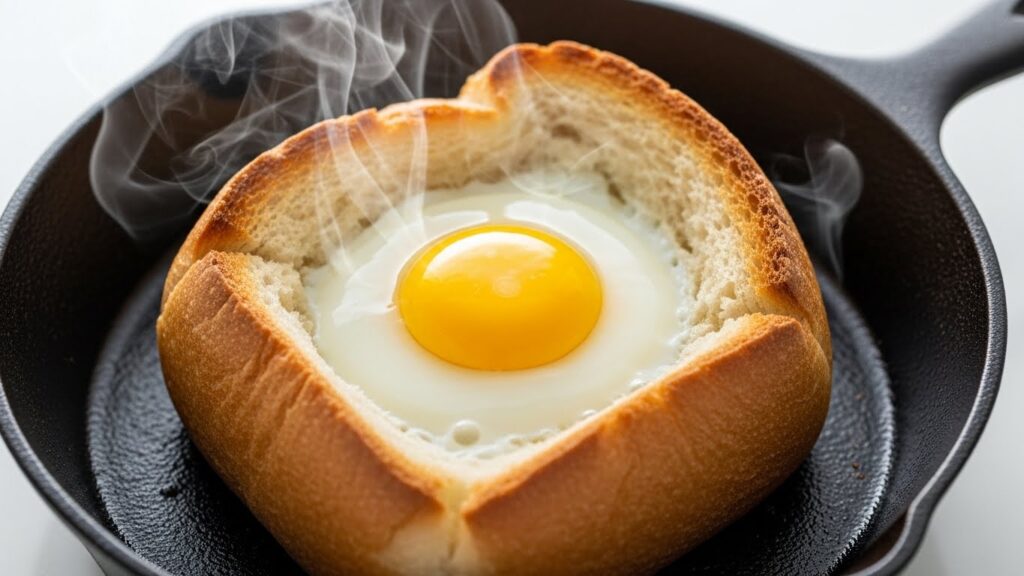
Step 8: For over-easy eggs, carefully flip the entire nest with a wide spatula and cook for another 30 seconds. For sunny-side up with a runny yolk, skip the flip and serve immediately.
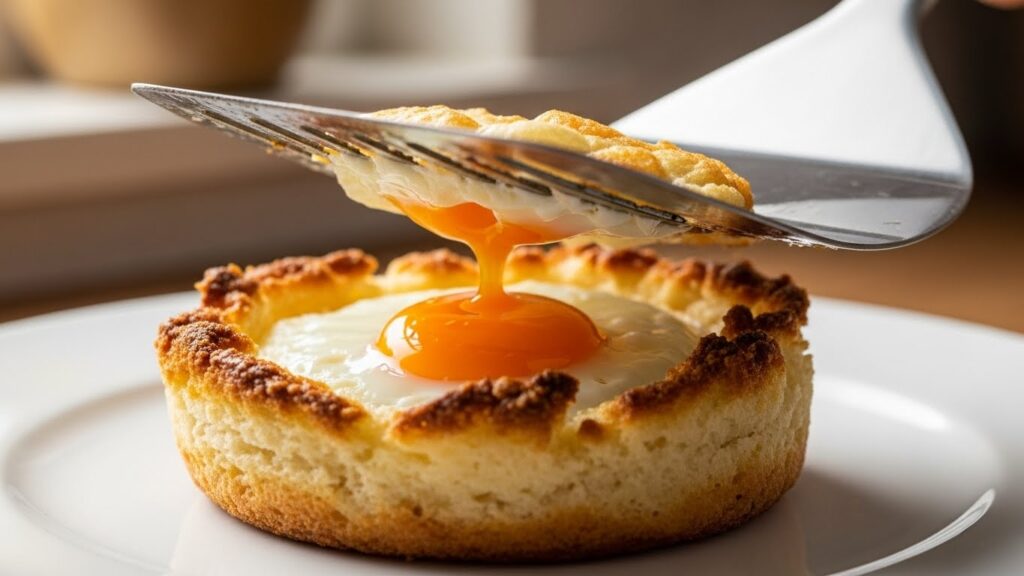
Finishing Touches
Step 9: Transfer to a plate using a spatula, keeping the egg intact. Repeat the process with remaining bread slices and eggs, adding fresh butter to the pan each time.
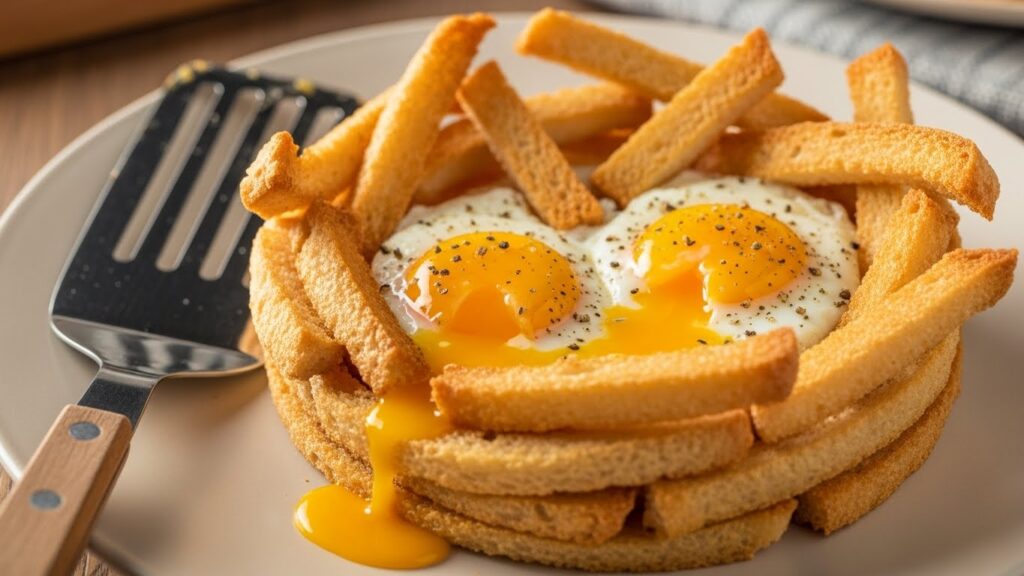
Step 10: While cooking the nests, toast the reserved bread circles in the remaining butter until golden on both sides, about 1 minute per side. These become the perfect dipping tools for breaking into that luscious yolk.
What Is Eggs in a Nest?
Eggs in a nest is a simple breakfast dish where an egg is fried inside a hole cut from the center of a bread slice. As it cooks, the bread becomes crispy and buttery while the egg fries directly in the same pan, with the bread acting as an edible frame. The result is perfectly crispy toast surrounding a fried egg with an ideally runny yolk. It’s both practical and whimsical—the bread soaks up any butter and egg that might otherwise be wasted while creating a fun presentation that appeals to all ages.
Why This Is an Easy Eggs in a Nest Recipe
This breakfast requires minimal ingredients you already have—bread, eggs, and butter. No special equipment needed beyond a skillet and something round to cut the hole. The technique is foolproof: if you can fry an egg, you can make this. Each serving cooks in under 4 minutes, making it perfect for busy mornings when you want something more interesting than plain toast. Kids can help cut the circles, making it an engaging family breakfast activity that teaches basic cooking skills.
How Do You Cook Eggs in a Nest?
The key is temperature control and timing. Medium heat ensures the bread crisps and browns beautifully without burning before the egg cooks through. Start by toasting the bread on one side, then flip and add the egg to the second side—this prevents a soggy bottom. The brief lid-covering technique sets the egg white top without flipping, keeping the yolk perfectly runny. Using butter instead of oil creates superior flavor and crispiness. Cook one or two at a time depending on your pan size—crowding prevents even cooking.
Simple Recipe Tips
1: Use day-old bread rather than fresh. Slightly stale bread absorbs butter better and crisps up more reliably without becoming soggy. Fresh bread can turn limp from the egg moisture.
2: Crack eggs into a small bowl before adding them to the nest. This lets you remove any shell pieces and ensures the yolk stays intact when you pour it into the hole.
3: Don’t use high heat. Medium heat gives you control—the bread browns evenly while the egg cooks gently. High heat burns the bread before the egg sets.
Mistake to Avoid: Don’t flip too early. Wait until the white is completely set around the edges before attempting to flip, or the egg will break and spill. If you’re nervous about flipping, use the lid method instead.
Eggs in a Nest With Cheese
For a richer variation, sprinkle shredded cheddar, Gruyère, or Parmesan around the egg immediately after cracking it into the bread. The cheese melts into the egg white, creating delicious crispy bits around the edges. You can also place a thin slice of cheese in the hole before adding the egg—it melts underneath, creating a creamy layer between bread and egg. This addition turns a simple breakfast into something special without adding much time or effort.
Eggs in a Nest for Kids
Children love this breakfast because it looks fun and tastes familiar. Let kids help by choosing cookie cutters in different shapes—hearts, stars, or circles all work. They can also butter the bread and season the eggs under supervision. The contained egg makes this less messy than regular fried eggs, and the cut-out circle provides a perfect dipping tool that teaches the joy of runny yolks. Pack extra protein by serving with bacon strips or sausage links. This breakfast makes ordinary mornings feel special without requiring extra time.
Can You Make Eggs in a Nest Ahead?
This dish is genuinely best eaten immediately—the contrast between crispy toast and runny yolk is the whole point. However, you can prep components ahead: cut holes in bread slices and store in a resealable bag, crack eggs into small containers, and pre-measure butter. In the morning, assembly takes just minutes. If you must make them ahead for a crowd, cook them slightly underdone, keep warm in a 200°F oven on a baking sheet, and serve within 15 minutes. The texture won’t be quite as perfect, but it’s acceptable for serving several people simultaneously.
Quick Eggs in a Nest Recipe Variations
Crispy Eggs in a Nest: Use extra butter and cook over medium-high heat for maximum crunch. Press down gently on the bread while cooking to ensure even contact with the hot pan.
Eggs in a Nest for Brunch: Top with hollandaise sauce, smoked salmon, or avocado slices. Garnish with fresh herbs and serve with roasted tomatoes.
Healthy Eggs in a Nest: Use whole grain bread and cook in olive oil instead of butter. Add spinach leaves or tomato slices under the egg for extra vegetables.
Eggs in a Nest Without Frying: Place prepared bread on a baking sheet, crack eggs into holes, and bake at 375°F for 10-12 minutes until whites set. Less mess but less crispy.
Perfect Pairings
The savory richness pairs beautifully with fresh fruit or a light salad for brunch. Serve alongside crispy bacon or breakfast sausage for a complete meal. For a heartier breakfast, add our chicken and rice bake as a side for weekend brunches. The simplicity also makes it perfect before richer dinners—it’s filling without being heavy. Coffee or fresh orange juice complement the buttery, eggy flavors perfectly.
Serving Suggestions
Serve immediately while the toast is crispy and the yolk still runny. Place the toasted circle next to the nest on the plate—diners break the yolk and use the circle to soak it up. For visual appeal, garnish with a sprinkle of paprika, fresh chopped chives, or a grind of black pepper. A small side of fresh fruit or berries adds color and balances the richness. For brunch gatherings, plate on warm dishes and serve with hot sauce or ketchup on the side for those who like extra flavor.
Storage and Leftover Advice
Eggs in a nest don’t store well—they’re meant to be eaten fresh when the contrast between crispy bread and creamy yolk is at its peak. If you absolutely must save leftovers, store in an airtight container in the refrigerator for up to 1 day. Reheat gently in a toaster oven at 350°F for 5 minutes or microwave for 30-45 seconds, though the bread will lose its crispness and the yolk will likely be fully cooked. Honestly, this is a dish where making it fresh is worth the minimal effort.
Eggs in a Nest Calories
One serving (1 slice bread with 1 egg cooked in 1 tablespoon butter) contains approximately 220-250 calories. The calorie count varies based on bread type—white bread is around 220 calories per serving while whole wheat is slightly higher at 240. Using less butter or olive oil cooking spray can reduce calories to about 180 per serving. The dish provides about 8 grams of protein from the egg, 3 grams of fiber from whole grain bread, and essential vitamins A, D, and B12.
Frequently Asked Questions
1. What’s the best bread for eggs in a nest?
Thick-sliced white bread, sourdough, or Texas toast work best. The bread should be sturdy enough to hold the egg without breaking. Avoid thin sandwich bread that becomes too crispy or tears easily when flipping.
2. How do I keep the yolk runny?
Cook over medium heat and remove from the pan as soon as the whites are set. Use the lid-covering method for the last 30 seconds, or don’t flip at all. The yolk continues cooking slightly after you remove it from heat.
3. Can I use a different shape cutter?
Absolutely! Cookie cutters in any shape work—stars, hearts, squares. Just ensure the hole is large enough (at least 2 inches) to hold the entire egg including white that spreads slightly.
4. Why does my bread burn before the egg cooks?
The heat is too high. Use medium heat and give the egg time to cook slowly. If your stove runs hot, reduce to medium-low. Patience prevents burning while ensuring fully cooked whites.
5. Can I make multiple eggs in a nest at once?
Yes, if your skillet is large enough. Give each nest about 1 inch of space so they don’t touch. You may need to cook in batches to avoid crowding, which prevents even browning.
6. What if I don’t want butter?
Use olive oil, coconut oil, or cooking spray. Butter creates the best flavor and crispness, but other fats work. Bacon grease adds incredible savory flavor if you have it.
7. Is this the same as toad in a hole?
In America, yes—these names are interchangeable. In Britain, “toad in the hole” refers to sausages baked in Yorkshire pudding batter, a completely different dish.
A Note from the Author
Eggs in a nest represents the kind of simple creativity that made mid-century cooking special. Grandmothers knew that presentation matters—cutting a hole in bread transformed ordinary breakfast into something children requested by name. This recipe reminds us that the best meals don’t require complicated techniques or expensive ingredients, just a little imagination and care. For more nostalgic breakfast dishes that start your day right, visit our breakfast favorites collection and subscribe to our Vintage Life of USA YouTube channel.
Conclusion
This easy eggs in a nest recipe proves that sometimes the simplest ideas create the most memorable meals. With just bread, eggs, and butter, you can make a breakfast that looks impressive while requiring minimal skill or time. The combination of crispy, buttery toast and perfectly runny yolk satisfies on every level—texture, flavor, and pure breakfast comfort. Whether you’re cooking for children who love playful food or adults seeking nostalgic comfort, this five-minute recipe delivers every time. Make it this weekend and remember why generations of families made this a breakfast tradition.
Ready to make breakfast fun again? This crispy, golden nest with a perfectly runny yolk takes just minutes but feels special every time. Find more quick breakfast favorites at NostalgicEats.com!