Vinegar Pie Recipe: Classic Depression Era Dessert
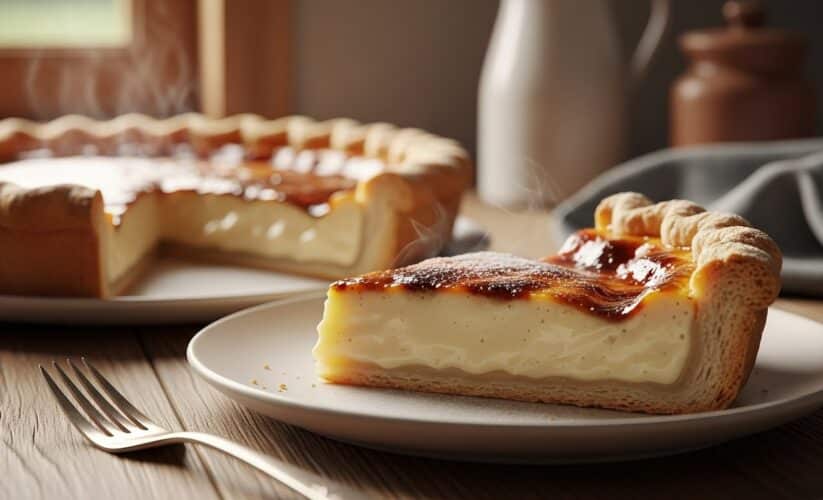
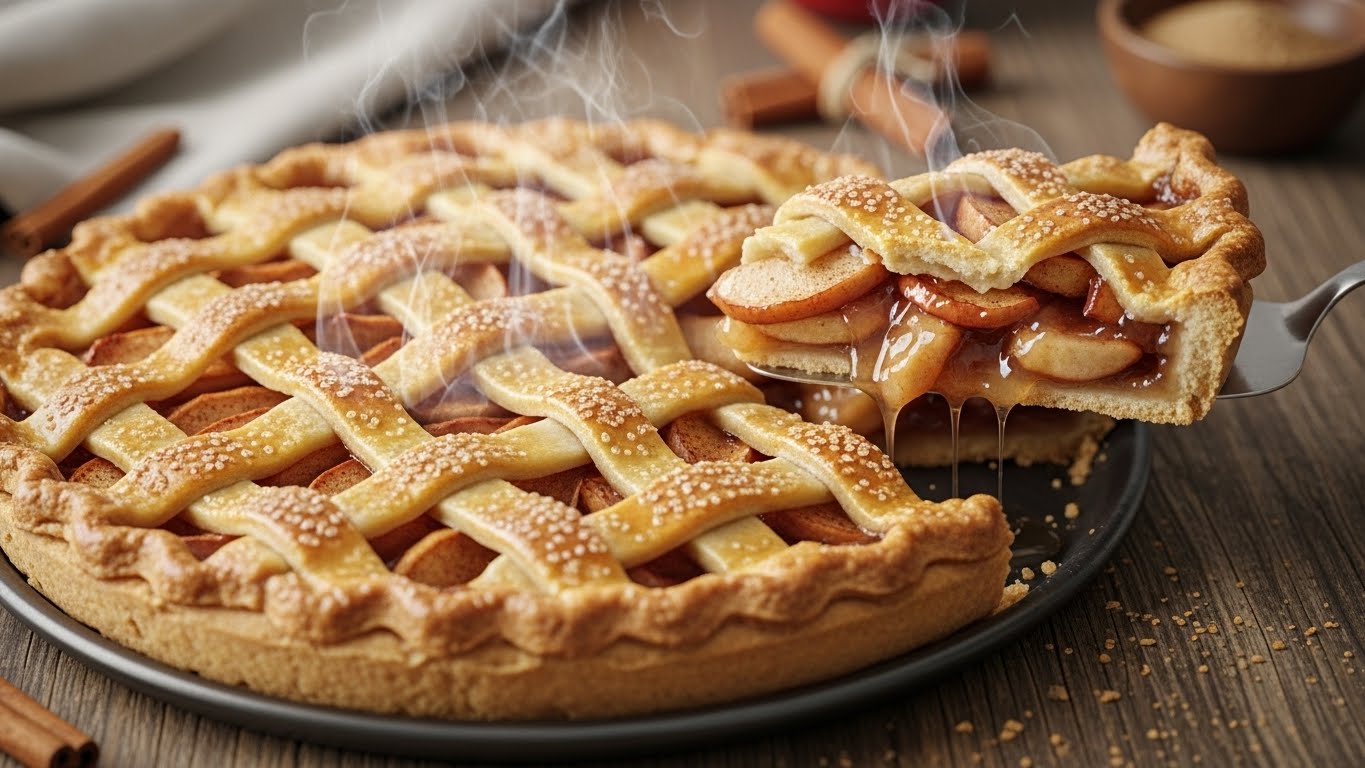
The golden filling set firm in a flaky crust, the first bite revealing unexpected sweetness with a hint of tang—vinegar pie surprises everyone who tries it. Born from necessity during the Great Depression when lemons were luxuries, resourceful cooks discovered that vinegar could create that same bright tartness families craved. Also called “desperation pie,” this humble dessert proved so delicious that many families kept making it long after pantries were full again. One slice demonstrates that sometimes the cleverest solutions come from the toughest times, and that American ingenuity can transform the simplest ingredients into something worth savoring.
Recipe Quick Stats
Vinegar Pie: At-a-Glance
Ingredients You’ll Need
Main Ingredients:
- 1 unbaked 9-inch pie crust (homemade or store-bought)
- 1½ cups granulated sugar
- 3 tablespoons all-purpose flour
- 1 cup water
- 5 tablespoons white vinegar
- 1 teaspoon vanilla extract
- ½ teaspoon ground cinnamon
- 4 egg yolks, beaten
- 2 tablespoons butter
How to Make Vinegar Pie Recipe
Preparing the Filling Base
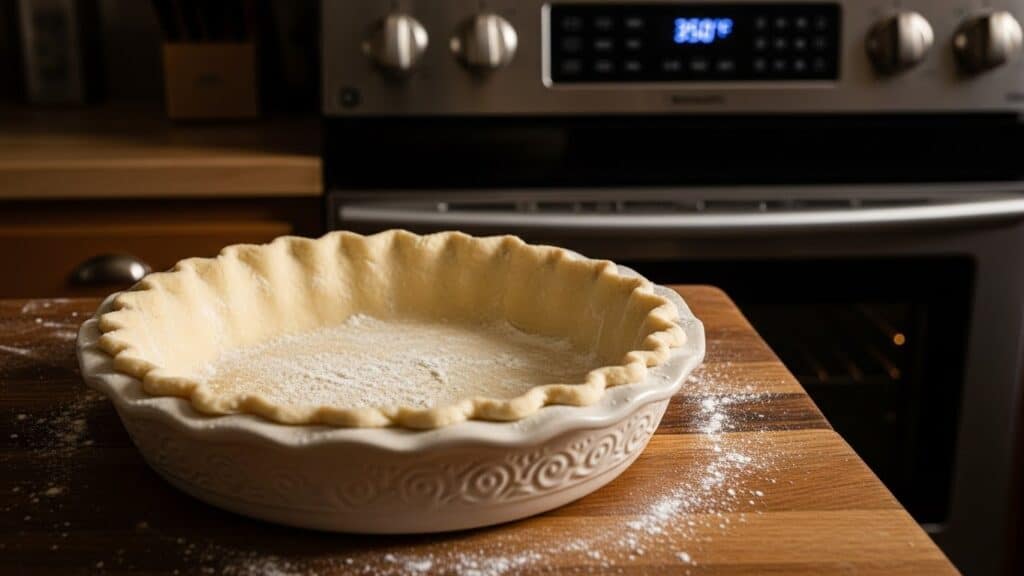
Step 1: Preheat oven to 350°F. Place the unbaked pie crust in a 9-inch pie plate and crimp the edges decoratively. Set aside while you prepare the filling—don’t pre-bake it.
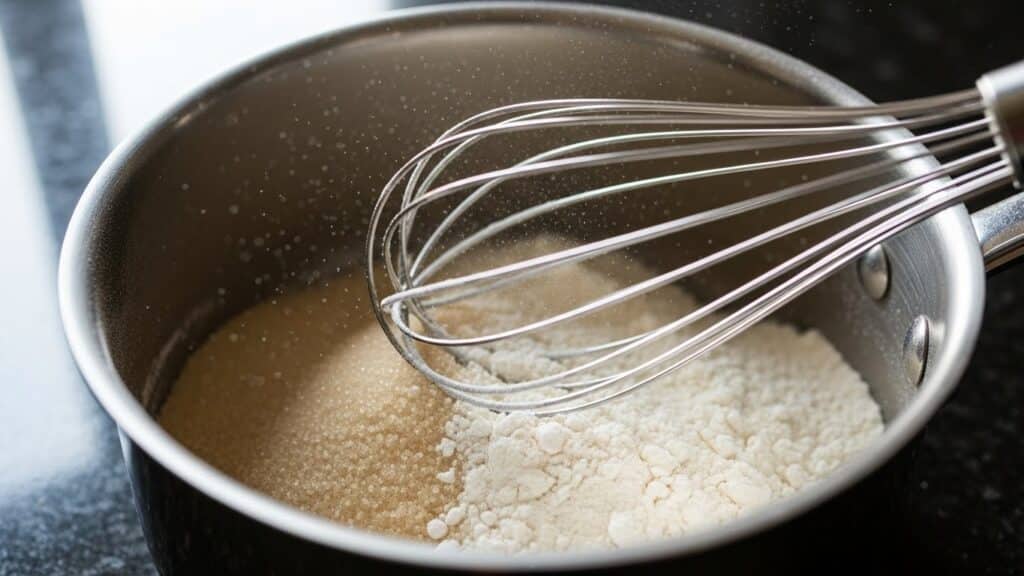
Step 2: In a medium saucepan, whisk together sugar and flour until well combined. The flour prevents lumps and helps thicken the filling properly.
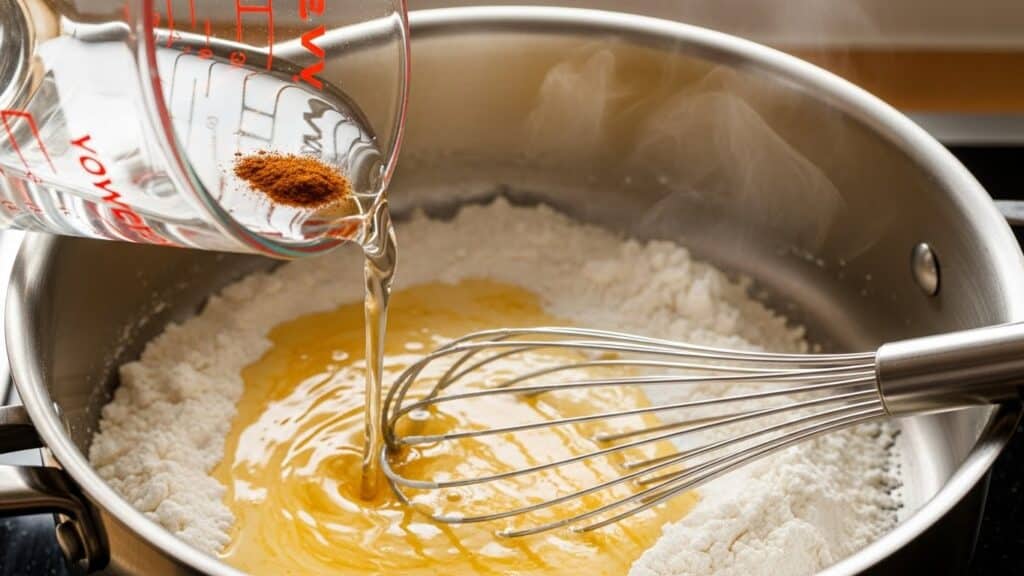
Step 3: Gradually stir in water, vinegar, vanilla extract, and cinnamon. Whisk until the mixture is smooth with no dry flour pockets visible. The raw mixture will smell strongly of vinegar—this is normal and will mellow completely during baking.
Cooking the Custard
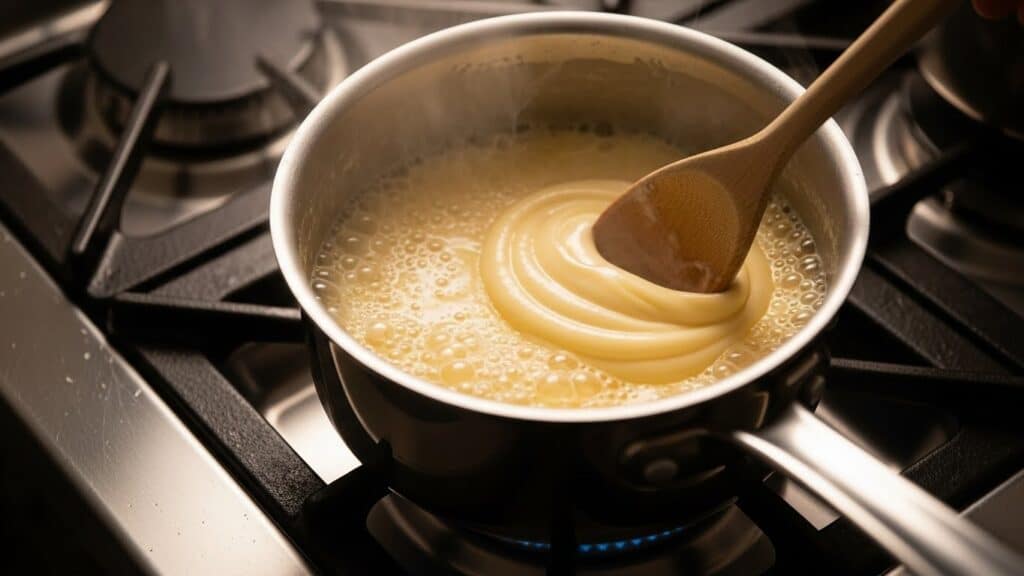
Step 4: Place the saucepan over medium heat. Cook, stirring constantly with a wooden spoon or whisk, until the mixture comes to a full boil. This takes about 5-7 minutes. You’ll notice it gradually thickening. Once bubbles break the surface across the entire pan, remove from heat immediately.
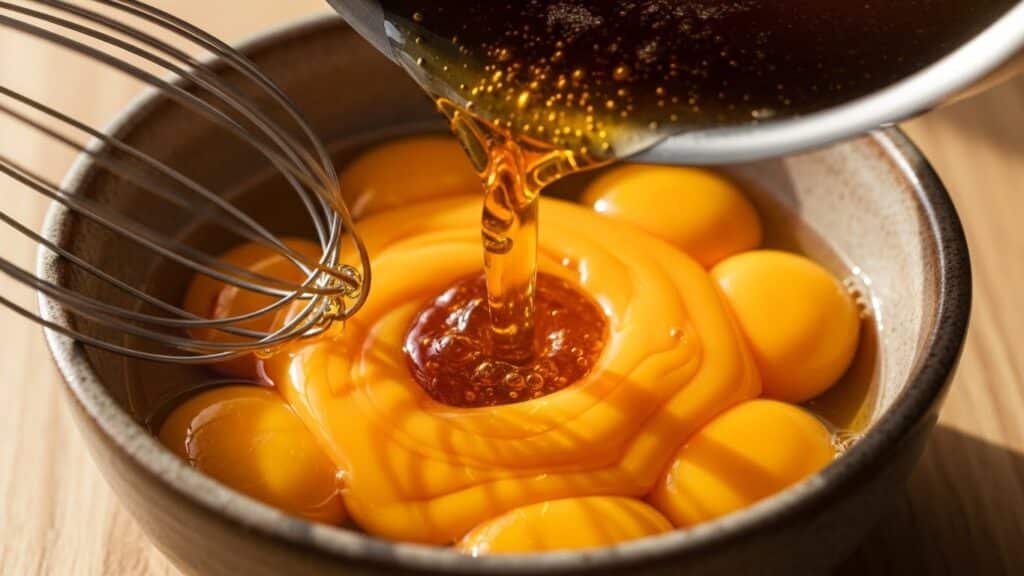
Step 5: In a small bowl, have your beaten egg yolks ready. Slowly pour about ½ cup of the hot sugar mixture into the yolks while whisking constantly. This process, called tempering, gradually raises the temperature of the eggs without cooking them into scrambled bits. The yolk mixture should become smooth and warm.
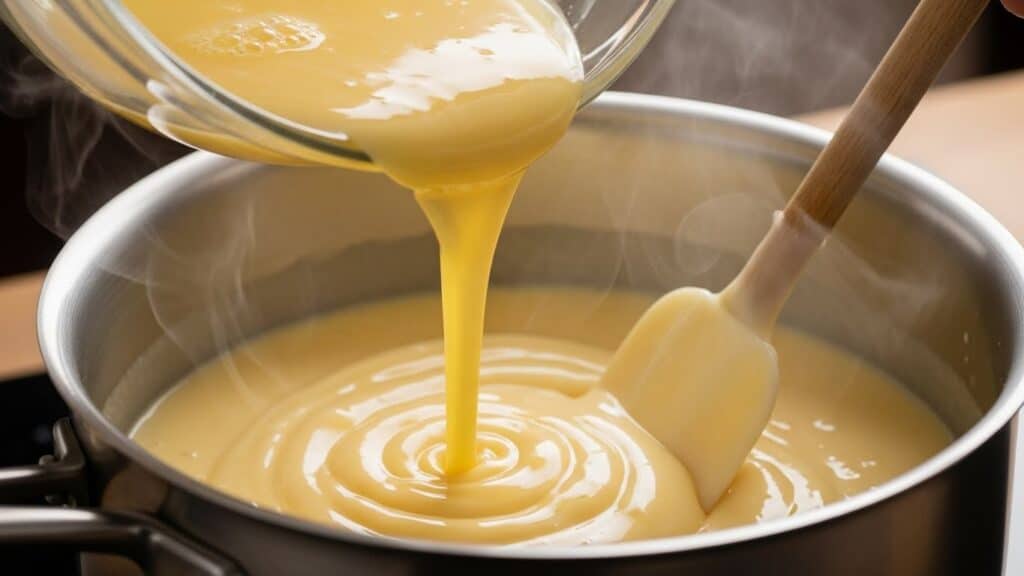
Step 6: Pour the tempered egg mixture back into the saucepan with the remaining hot mixture, stirring constantly as you pour. Return the pan to medium heat and cook for exactly 2 minutes, stirring continuously. The filling will thicken noticeably and turn a pale golden color. Don’t let it boil hard or the eggs will curdle.
Finishing and Baking
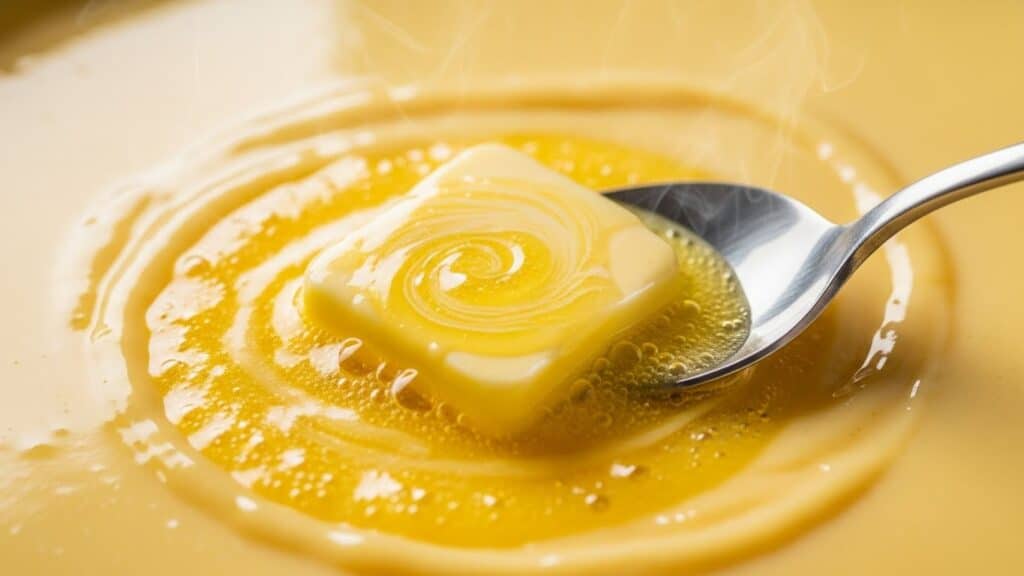
Step 7: Remove from heat and stir in butter until it melts completely and disappears into the custard. The butter adds richness and creates a silky texture.
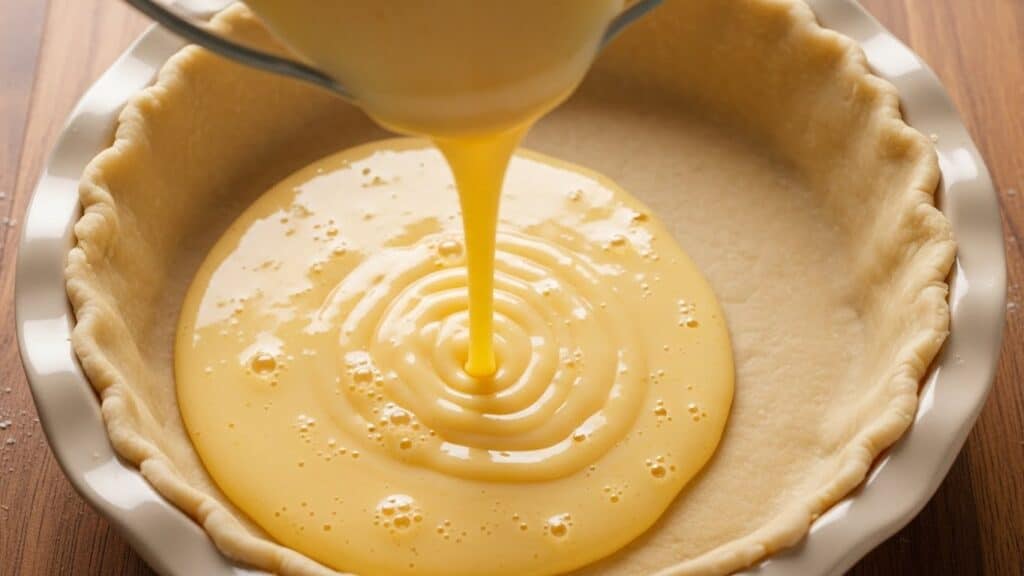
Step 8: Pour the hot filling immediately into the unbaked pie crust. It will look thin and jiggly—this is correct. Gently tap the pie plate on the counter once or twice to release any air bubbles.
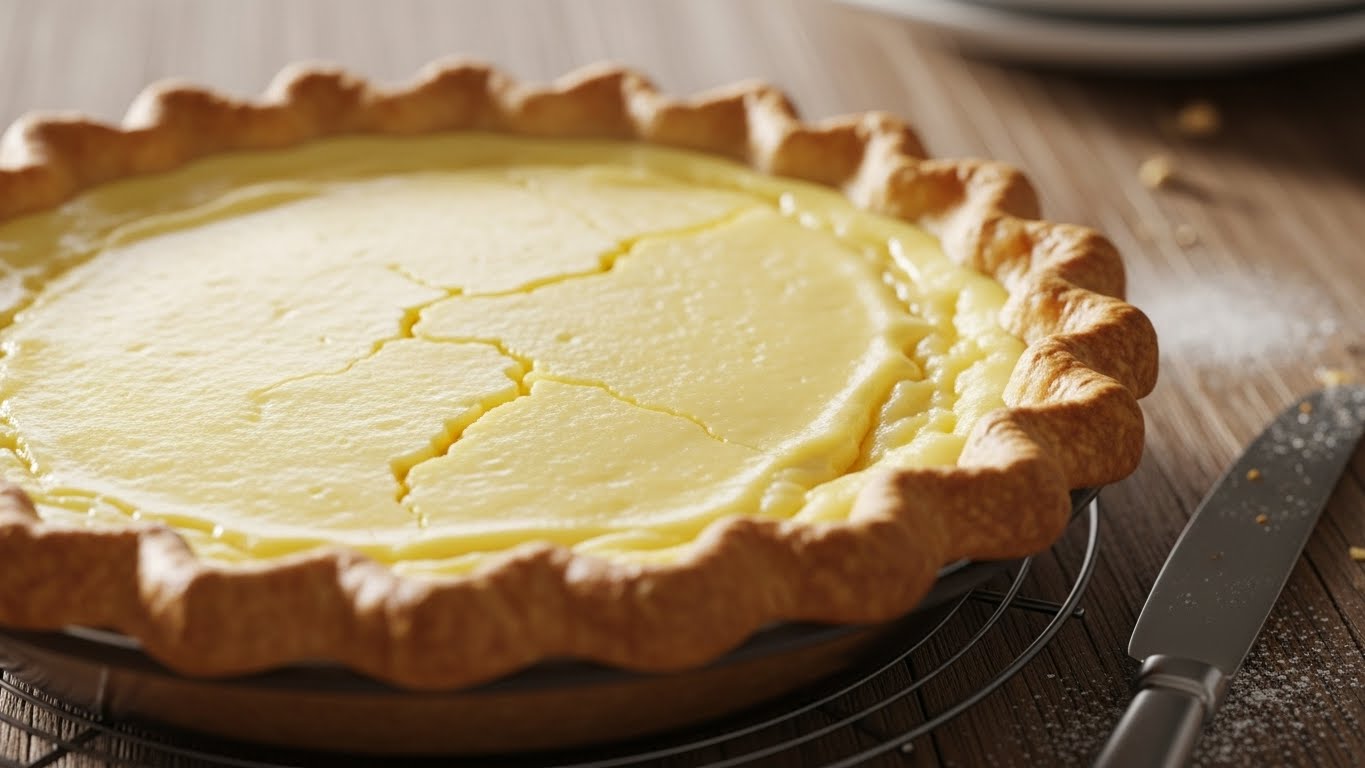
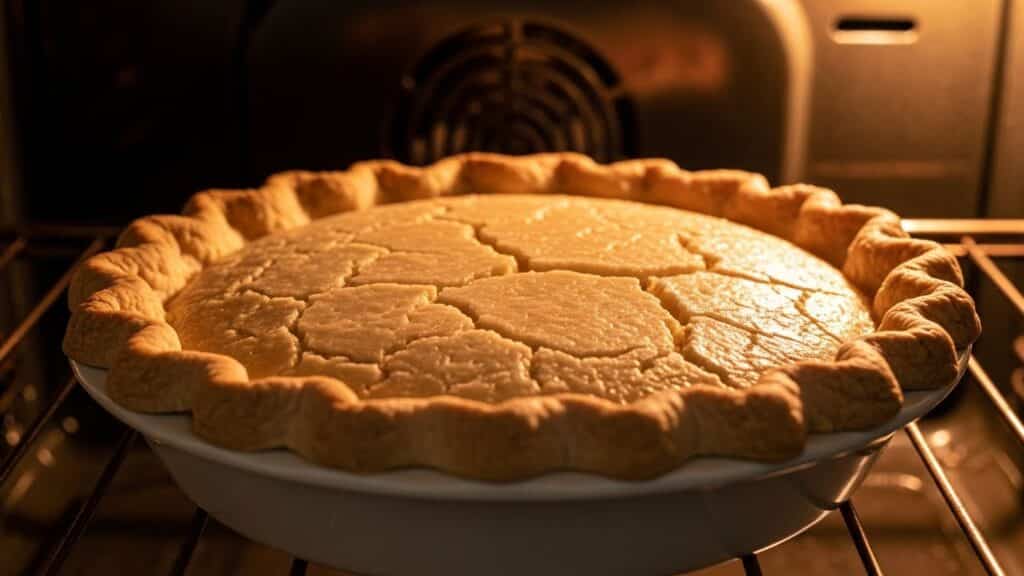
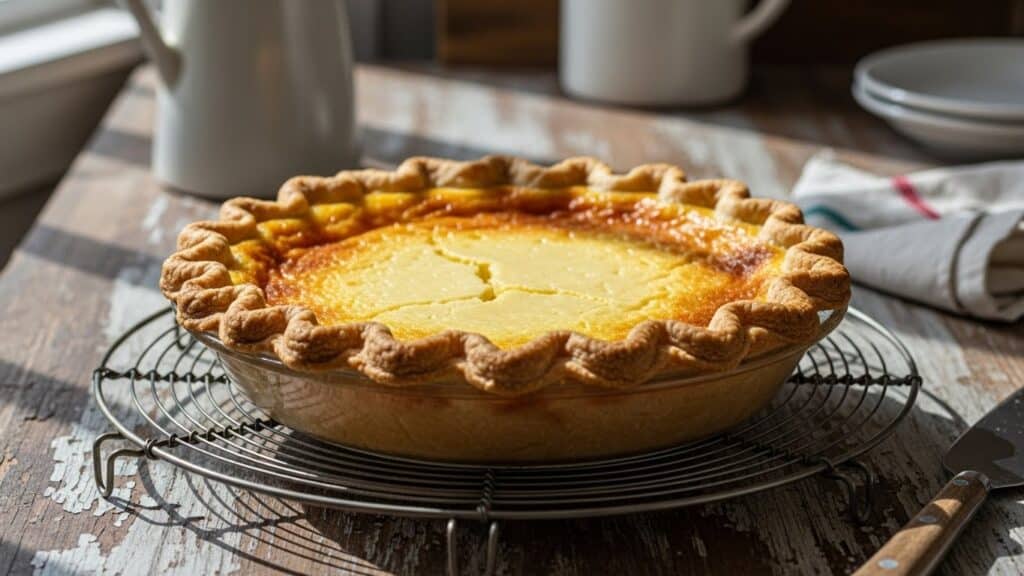
Step 9: Carefully transfer the filled pie to the preheated oven. Bake for 40-45 minutes until the filling is set around the edges but still has a slight wobble in the center when you gently shake the pan. The surface should look slightly puffed and may have tiny cracks—both are normal.
Step 10: Remove from oven and cool on a wire rack to room temperature, about 2 hours. The filling will firm up completely as it cools. Resist the urge to slice it warm—the custard needs time to set properly. Refrigerate for at least 2 hours before serving for best slicing.
What Is Vinegar Pie?
Vinegar pie is a custard-based dessert that uses vinegar instead of lemon juice to provide tartness. The filling combines sugar, eggs, and vinegar into a smooth custard similar in taste and texture to lemon chess pie or lemon meringue filling. Despite containing no fruit, the finished pie has a surprisingly pleasant sweet-tart flavor that most people can’t identify as vinegar. The cinnamon adds warmth while vanilla rounds out the taste. This Depression-era creation demonstrates remarkable ingenuity—using common pantry staples to recreate the flavor of scarce ingredients.
Why Is It Called Vinegar Pie?
The name comes directly from its key ingredient—vinegar provides the tartness that defines the pie’s character. During the 1930s, families called it “desperation pie” because it was born from making do when money was scarce and fresh fruit unavailable. Some also knew it as “poor man’s lemon pie” since vinegar mimicked lemon’s acidity at a fraction of the cost. The straightforward name reflects Depression-era practicality—no fancy titles, just honest description of what went into the pie.
Does Vinegar Pie Taste Sour?
Surprisingly, no. While raw vinegar is quite sour, baking transforms it completely. The heat mellows the harsh acidity, leaving behind a gentle tartness similar to lemon or buttermilk. The generous amount of sugar balances the acidity, creating a sweet-tart profile that’s pleasant rather than puckering. The cinnamon adds warmth that further softens any sharp edges. Most people who taste vinegar pie describe it as lemony or tangy without being able to identify the vinegar. Some even prefer it to lemon pie, finding the flavor more subtle and complex.
Simple Recipe Tips
1: Use white vinegar only. Apple cider vinegar will work in a pinch but creates a slightly different, more pronounced flavor. White distilled vinegar provides the cleanest, most lemon-like taste.
2: Temper the eggs carefully to prevent curdling. Adding hot liquid directly to eggs cooks them instantly into lumps. The slow addition while stirring constantly creates smooth custard.
3: Don’t skip the cooling time. The pie must cool completely and preferably chill for best texture. Warm vinegar pie is runny; properly cooled pie slices cleanly.
Mistake to Avoid: Don’t overbake. The center should still wobble slightly when you remove it from the oven. It continues cooking from residual heat and sets up as it cools. Overbaked filling becomes grainy instead of smooth.
Is Vinegar Pie a Depression Era Dessert?
Yes, vinegar pie became widespread during the Great Depression of the 1930s when families needed desserts but couldn’t afford expensive ingredients like lemons, which cost more than most could spare. Flour, sugar, eggs, and vinegar were basic staples that even struggling households typically had. The pie allowed families to serve something sweet and special when money was tight, maintaining the tradition of homemade desserts even during hardship. While the recipe may have existed earlier, it became truly popular and necessary during those difficult years.
How to Make Vinegar Pie Successfully
Success depends on proper custard technique and correct baking. Stir constantly while cooking the custard to prevent scorching on the bottom. Temper eggs slowly to avoid lumps. Pour hot filling into the crust immediately—it should be hot when it goes into the oven. Bake just until set with a slight wobble; overbaking creates grainy texture. Cool completely before cutting; warm custard hasn’t set properly. Store in the refrigerator after cooling—this is a custard pie that needs to stay cold.
Vinegar Pie Without Lemon Comparison
Vinegar pie intentionally contains no lemon, making it a brilliant substitute when citrus wasn’t available. The flavor profile is remarkably similar to lemon chess pie or lemon custard—sweet-tart with smooth, creamy texture. Side by side, vinegar pie tastes slightly mellower and less acidic than lemon pie, with the cinnamon adding warmth that lemon pies lack. Some bakers prefer vinegar pie precisely because it’s less sharp than lemon, creating a more subtle dessert. The similarity proves how clever Depression-era cooks were at recreating beloved flavors with available ingredients.
Old Fashioned Vinegar Pie: American Ingenuity
This recipe represents the resourcefulness that helped families survive hard times with dignity intact. During the Depression, maintaining normalcy mattered—serving dessert meant things weren’t as bad as they could be. Vinegar pie allowed families to put something sweet on the table that tasted good enough to serve guests without shame. The recipe was shared neighbor to neighbor, church lady to church lady, each cook understanding the unspoken message: we’re getting by, we’re managing, we can still have nice things. This pie is proof that necessity breeds not just invention, but delicious invention.
Perfect Pairings
Vinegar pie stands alone beautifully, needing nothing beyond perhaps a dollop of whipped cream or a scoop of vanilla ice cream. The sweet-tart filling pairs wonderfully with coffee or tea for afternoon dessert. Serve it after hearty comfort meals like our beef and noodle skillet or alongside simple dinners of creamed spinach and roasted chicken. For a complete nostalgic meal, start with eggs in a nest for breakfast, then end with this surprising pie. Explore more vintage desserts in our pies and cobblers collection.
Serving Suggestions
Serve slices chilled or at room temperature. The pie looks modest but tastes surprisingly sophisticated. Top with lightly sweetened whipped cream to add richness and visual appeal. A dusting of cinnamon on the whipped cream creates beautiful presentation. Cut clean slices by wiping the knife between cuts. Present on simple white plates that showcase the golden filling. For potlucks or church suppers where this pie has historic roots, serve with confidence—most people will be pleasantly surprised by something they’ve never tried.
Storage and Leftover Advice
Cover the cooled pie loosely with plastic wrap or foil and refrigerate for up to 3 days. The custard filling makes this a refrigerator pie—don’t leave it at room temperature for more than 2 hours. The texture may weep slightly after a day or two as custards sometimes do, but it remains safe and tasty. The crust may soften in the refrigerator, but the flavor stays good. For best texture, consume within 2 days. This pie doesn’t freeze well—the custard becomes grainy when thawed.
Can You Substitute Vinegar in Vinegar Pie?
The vinegar is the defining ingredient, so substitution changes the fundamental character. However, if you want different flavor, try these: apple cider vinegar creates a slightly fruitier taste; lemon juice (3 tablespoons) makes it closer to lemon pie but defeats the purpose of using pantry staples; white wine vinegar provides milder acidity. Each changes the result, so only substitute if you’re experimenting rather than seeking authentic Depression-era flavor. For the truest version, stick with plain white vinegar.
Frequently Asked Questions
1. Why does my filling have lumps?
The eggs weren’t tempered properly and cooked too quickly. Always add hot liquid to eggs gradually while whisking constantly, then return to the pan. If lumps form, strain the filling before pouring into the crust.
2. Can I use a pre-baked crust?
No, the filling needs to bake with the crust. If your crust is already baked, the filling won’t set properly and the bottom will be soggy.
3. Is this pie sweet or tart?
It’s balanced between both—pleasantly sweet with a gentle tartness similar to buttermilk or lemon. The generous sugar prevents it from being sour.
4. Can I make this with a graham cracker crust?
Yes, but use a pre-baked graham cracker crust and reduce baking time to 30-35 minutes since the crust is already cooked.
5. Why is my pie runny?
It wasn’t baked long enough or wasn’t allowed to cool and chill completely. The custard needs time to set up. Refrigerate for at least 2 hours after cooling to room temperature.
6. Can I add meringue on top?
Absolutely! Make meringue with 4 egg whites and spread over the hot filling before baking. This creates a pie similar to lemon meringue. Bake until meringue is golden.
7. Does this really taste like lemon pie?
Remarkably similar! The vinegar provides comparable tartness while sugar and vanilla create sweetness. Most people detect a tangy, lemony flavor without identifying the vinegar.
A Note from the Author
Vinegar pie tells a story about resilience and creativity that goes beyond baking. It reminds us that limitations can spark innovation, and that people facing hardship often create things beautiful and lasting. This simple pie represents hope maintained during difficult times—the determination to have something sweet even when circumstances were bitter. Every slice connects us to the cooks who refused to let hard times steal every pleasure, who found ways to make something from nothing. For more recipes that tell the story of American resourcefulness, visit our pies and cobblers collection and subscribe to our Vintage Life of USA YouTube channel.
Conclusion
This classic vinegar pie recipe proves that necessity truly is the mother of invention. Using nothing more than pantry staples, Depression-era cooks created a dessert so delicious it outlasted the hard times that inspired it. The surprisingly lemony flavor from vinegar demonstrates the creativity and resilience of home bakers who refused to go without sweet endings to their meals. Make this pie to taste history, to honor resourceful cooks, or simply to discover that sometimes the most unlikely ingredients create the most memorable desserts.
Ready to taste a piece of American history? This surprisingly delicious pie will change how you think about Depression-era cooking. Find more vintage desserts in our pies and cobblers collection!