Banana Bread Recipe – Easy Homemade Classic Loaf
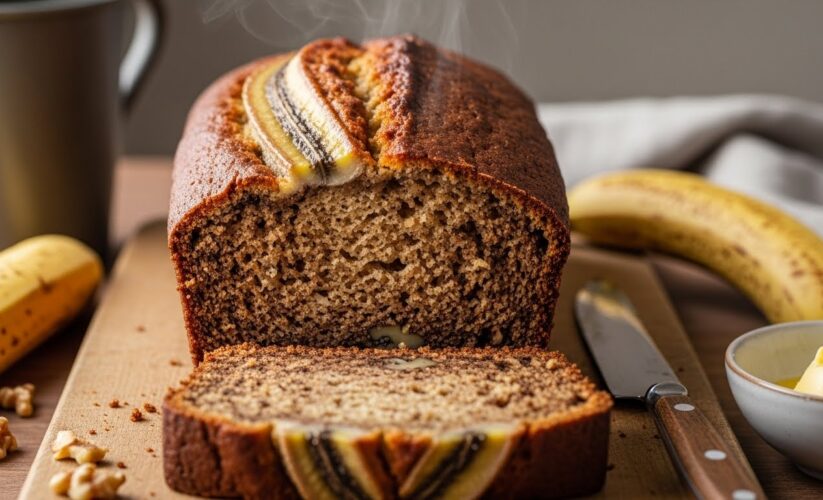
This sweet, moist bread was the perfect way to use up overripe bananas that might otherwise go to waste. It quickly became a favorite after-school snack and breakfast treat in American homes, appearing in lunch boxes, on kitchen tables, and at community gatherings. Banana bread represents a genuine intersection of practicality and indulgence—transforming humble overripe fruit into something that tastes like dessert while being breakfast-appropriate. The simple technique requires minimal equipment and effort, yet produces results that taste genuinely special. Whether you’re looking to rescue overripe bananas from the trash, seeking a beginner-friendly baking project, or wanting a comforting treat that fills the kitchen with wonderful aroma, this homemade banana bread delivers every single time.
Banana Bread: Quick Reference
Ingredients You’ll Need
Main Ingredients:
- 3 very ripe bananas, mashed (about 1 1/4 cups)
- 1/3 cup melted butter
- 1 cup sugar
- 1 egg, beaten
- 1 teaspoon vanilla extract
- 1 teaspoon baking soda
- Pinch of salt
- 1 1/2 cups all-purpose flour
Optional Additions:
- 1/2 cup chopped walnuts or pecans
- 1/2 cup chocolate chips
- 1/4 teaspoon cinnamon
- 1/8 teaspoon nutmeg
- 2 tablespoons honey
- 1 teaspoon lemon juice
Understanding Banana Bread: Why It Became Essential
Banana bread emerged as a practical solution to a common kitchen problem—what to do with bananas that ripened faster than the family could eat them. Before refrigeration became universal and grocery stores offered year-round fruit availability, bananas were seasonal treats that required careful timing. When they ripened too quickly, turning brown and seemingly unusable, resourceful cooks developed ways to preserve and transform them rather than waste them.
The addition of baking soda to banana bread was a revelation in American home baking. The chemical reaction between baking soda and the acids in bananas creates lift and tender crumb without requiring eggs or additional leavening agents. This made banana bread achievable even in kitchens without extensive supplies or technical knowledge. The result was something that tasted almost like dessert but was simple enough for any home baker to master.
Banana bread gained tremendous popularity during the Great Depression when resourcefulness was essential and families stretched every ingredient. A single overripe banana could transform basic flour, sugar, and butter into something special that brought comfort and satisfaction to the table. The recipe persisted through decades because it remains relevant—overripe bananas still accumulate in fruit bowls, and the desire for simple, delicious treats never disappears.
What Makes This Banana Bread Special
The key to exceptional banana bread lies in using very ripe bananas. Bananas with lots of brown spots aren’t spoiled—they’re perfect. As bananas ripen, their starches convert to sugar, increasing sweetness dramatically. Very ripe bananas also have softer texture that mashes smoothly and incorporates evenly into the batter. The result is bread that’s naturally sweet without excessive added sugar and deeply flavorful with complex banana notes.
The one-bowl mixing method makes this recipe genuinely accessible. Unlike cakes requiring creaming butter and sugar separately or multiple bowls, banana bread comes together in one simple mixing vessel. Melted butter rather than softened butter means you don’t need to plan ahead or wait for ingredients to reach room temperature. This simplicity means you can decide to make banana bread and have it baking within 15 minutes.
The baking soda creates a tender, moist crumb with a slightly dense texture that distinguishes banana bread from lighter cakes. The acid in bananas reacts with the baking soda to create lift and develop the characteristic banana bread flavor. This chemical interaction is what makes banana bread so reliable and forgiving—the chemistry works nearly every time if you follow basic steps.
How to Make Banana Bread
Step 1: Prepare the Pan and Preheat Oven
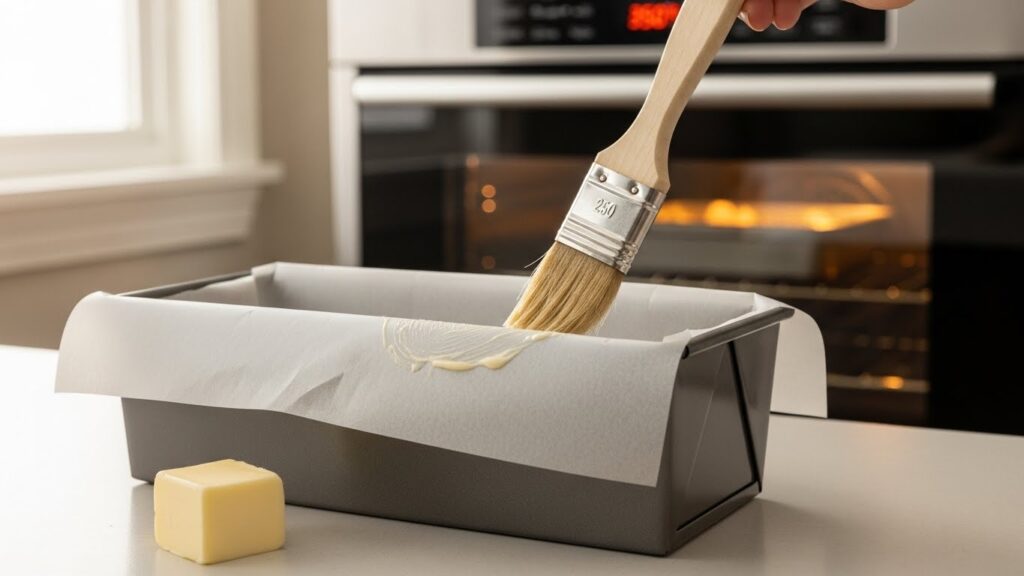
Preheat your oven to 350°F. Grease a 9×5-inch loaf pan thoroughly with butter or cooking spray, making sure to coat the bottom and all sides. You can also line the pan with parchment paper, which makes removing the finished loaf easier. Set the prepared pan aside. A properly greased pan prevents sticking and ensures easy removal of the finished loaf.
Step 2: Prepare the Bananas
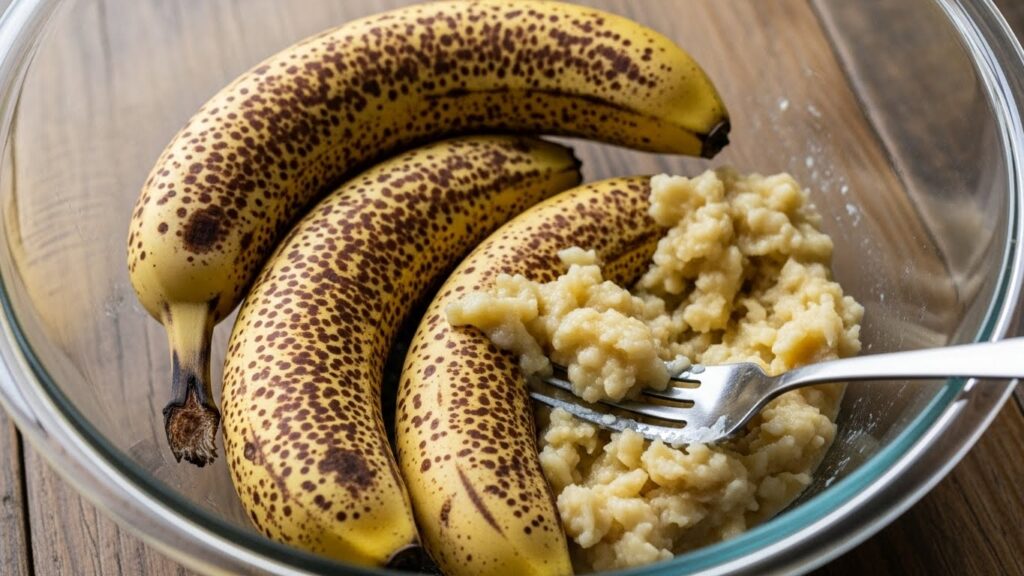
Peel 3 very ripe bananas—the riper the better. Place them in a large mixing bowl and mash them thoroughly with a fork until they’re mostly smooth with just a few small lumps remaining. The texture doesn’t need to be perfectly smooth—some banana chunks actually create pleasant texture in the finished bread. You should have approximately 1 1/4 cups of mashed banana.
Step 3: Mix in Melted Butter
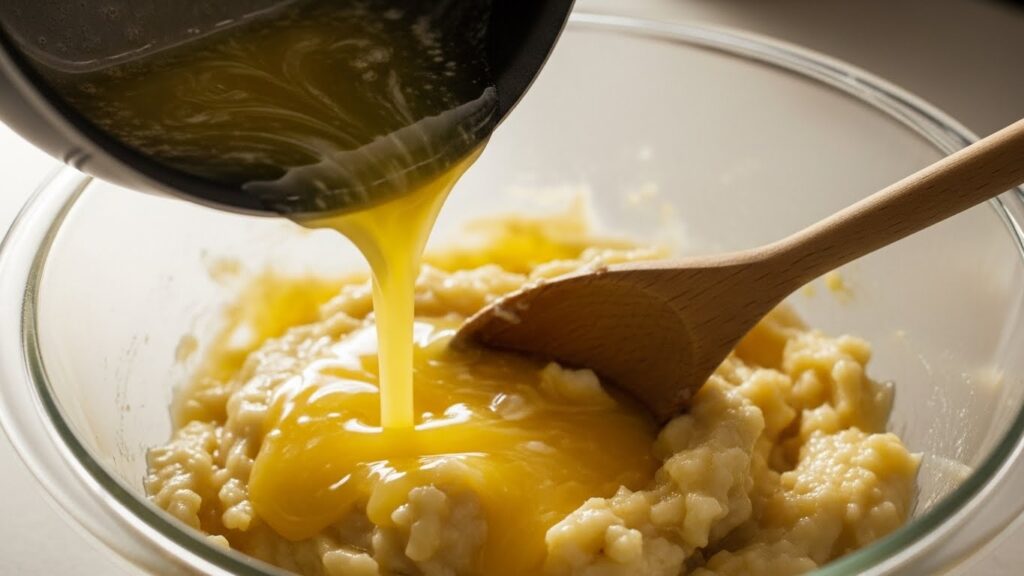
Add 1/3 cup melted butter to the mashed bananas and stir to combine. The butter distributes evenly through the bananas and helps create a smooth batter base. Melted butter incorporates more easily than solid butter and doesn’t require beating.
Step 4: Add Sugar, Egg, and Vanilla
Add 1 cup sugar, 1 beaten egg, and 1 teaspoon vanilla extract to the banana mixture. Stir everything together thoroughly until well combined. The sugar dissolves partially into the banana mixture, creating a sweet, moist base for the bread. The egg provides structure and additional moisture, while vanilla enhances flavor complexity.
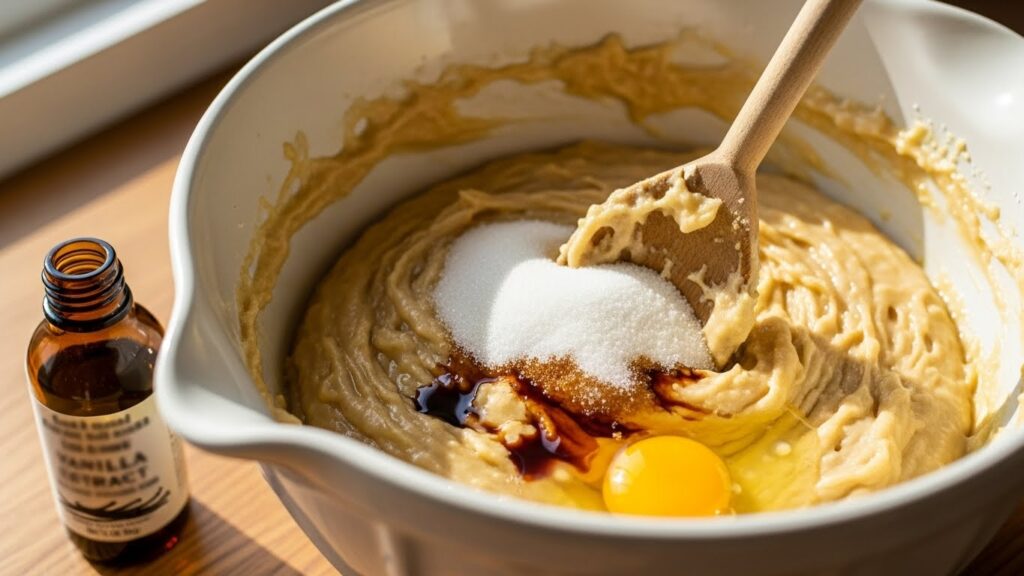
Step 5: Add Baking Soda and Salt
Sprinkle 1 teaspoon baking soda and a pinch of salt over the mixture. These seem like small additions, but they’re essential. The baking soda reacts with acids in the bananas to create lift and the characteristic tender banana bread crumb. The salt enhances all the flavors without making the bread taste salty.
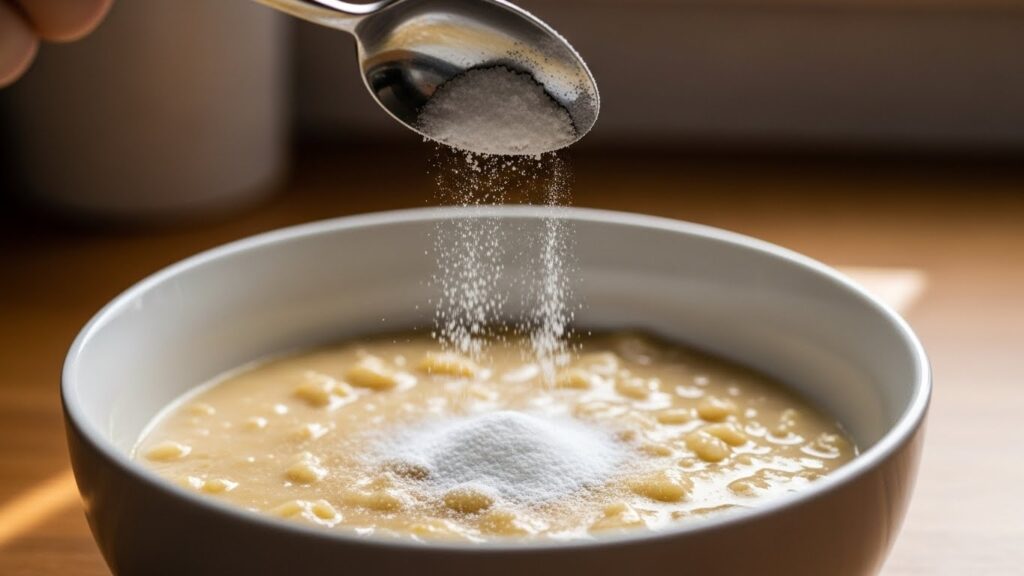
Step 6: Add Flour
Add 1 1/2 cups all-purpose flour and mix just until combined. This is the critical step where you must resist overmixing. Stir until you don’t see any dry flour streaks, but don’t beat or mix aggressively. Overmixing develops gluten, which toughens banana bread and creates dense, gummy texture. A few small lumps of flour are actually preferable to overmixed batter.
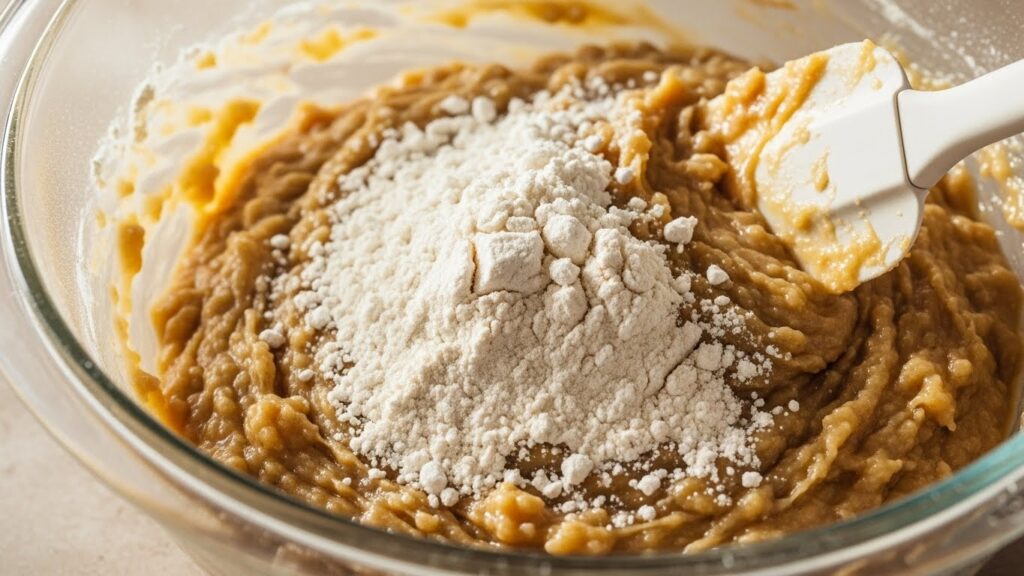
Step 7: Fold in Optional Additions
If using walnuts or chocolate chips, fold them in gently now. Folding means using a spatula to turn the batter over gently rather than stirring aggressively. This incorporates mix-ins without overdeveloping the batter.
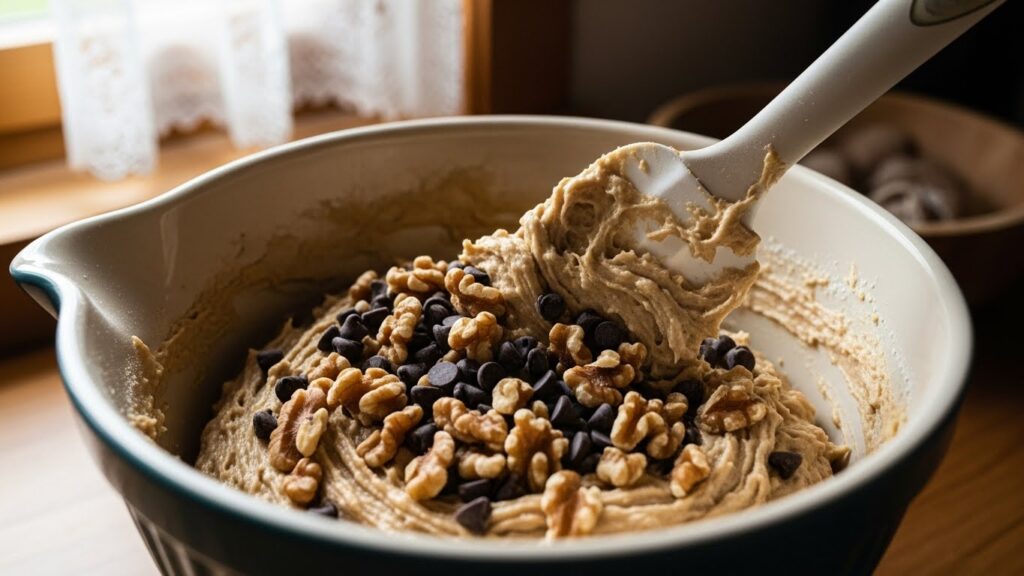
Step 8: Transfer to Pan
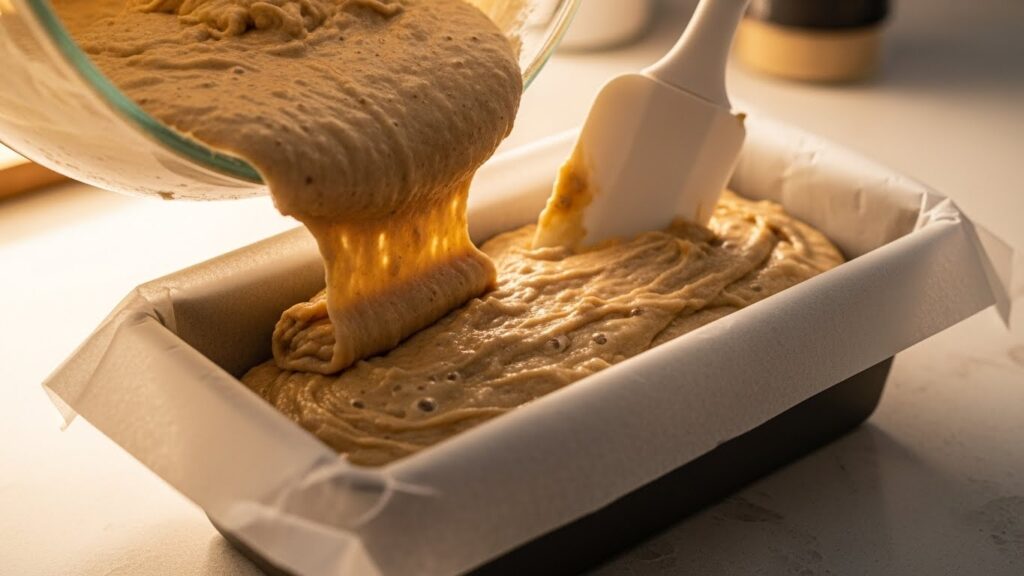
Pour the batter into the prepared loaf pan, smoothing the top gently with a spatula. Don’t pack it down—just level it so the batter bakes evenly. A light hand at this stage means the finished loaf has better texture and rises more evenly.
Step 9: Bake Until Done
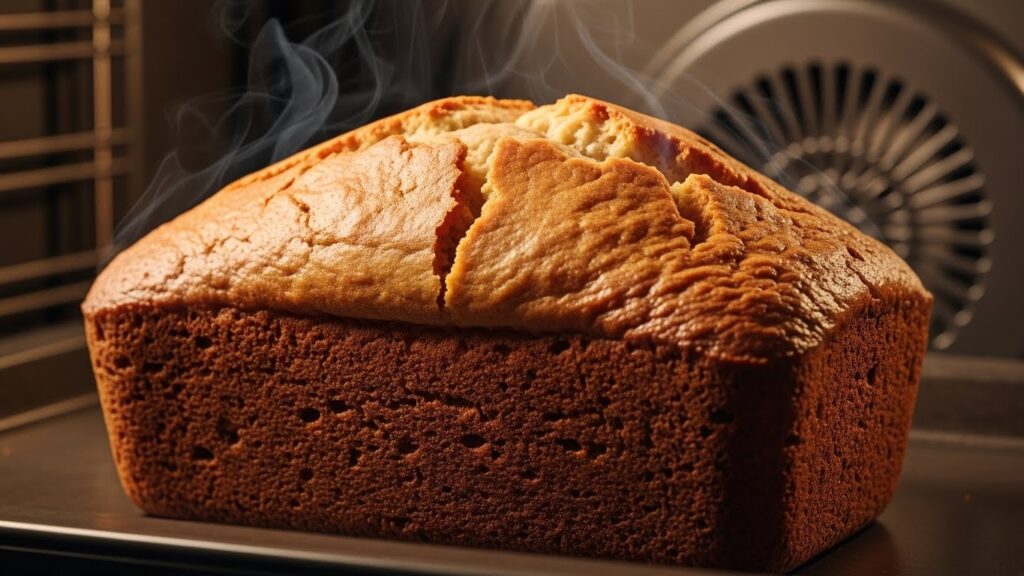
Place the pan in the preheated 350°F oven and bake for 50 to 60 minutes until a toothpick inserted in the center comes out clean or with just a few moist crumbs. The exact baking time depends on your oven and how much batter you’ve used. Start checking at 50 minutes. The top should be golden brown. If it’s browning too quickly while the inside isn’t done, you can loosely tent with aluminum foil to protect from further browning.
Step 10: Cool in Pan
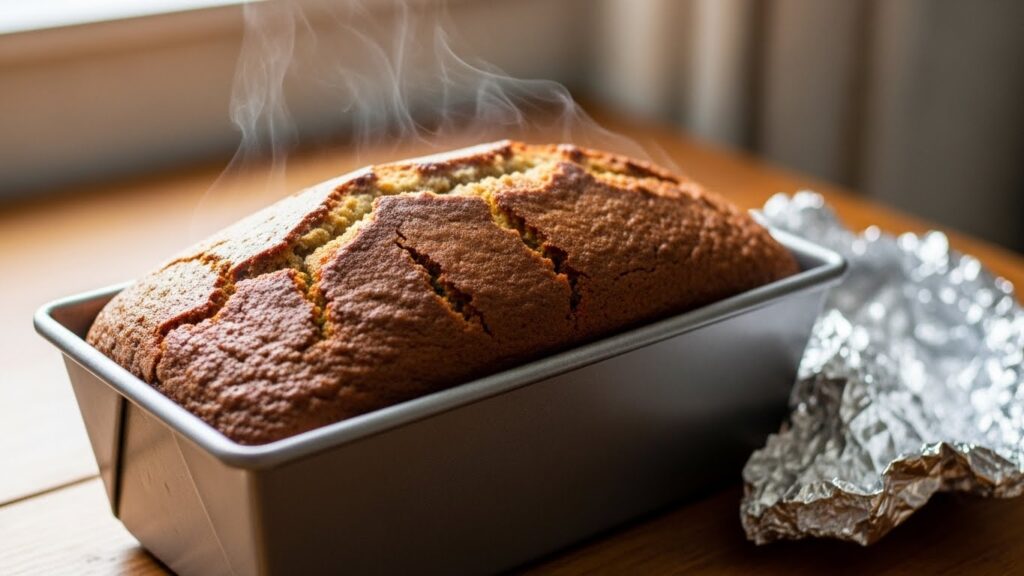
Remove the bread from the oven and let it cool in the pan for 10 minutes. This allows the structure to set enough that it won’t fall apart when removed. Don’t try to remove it immediately or it will break.
Step 11: Remove and Cool Completely
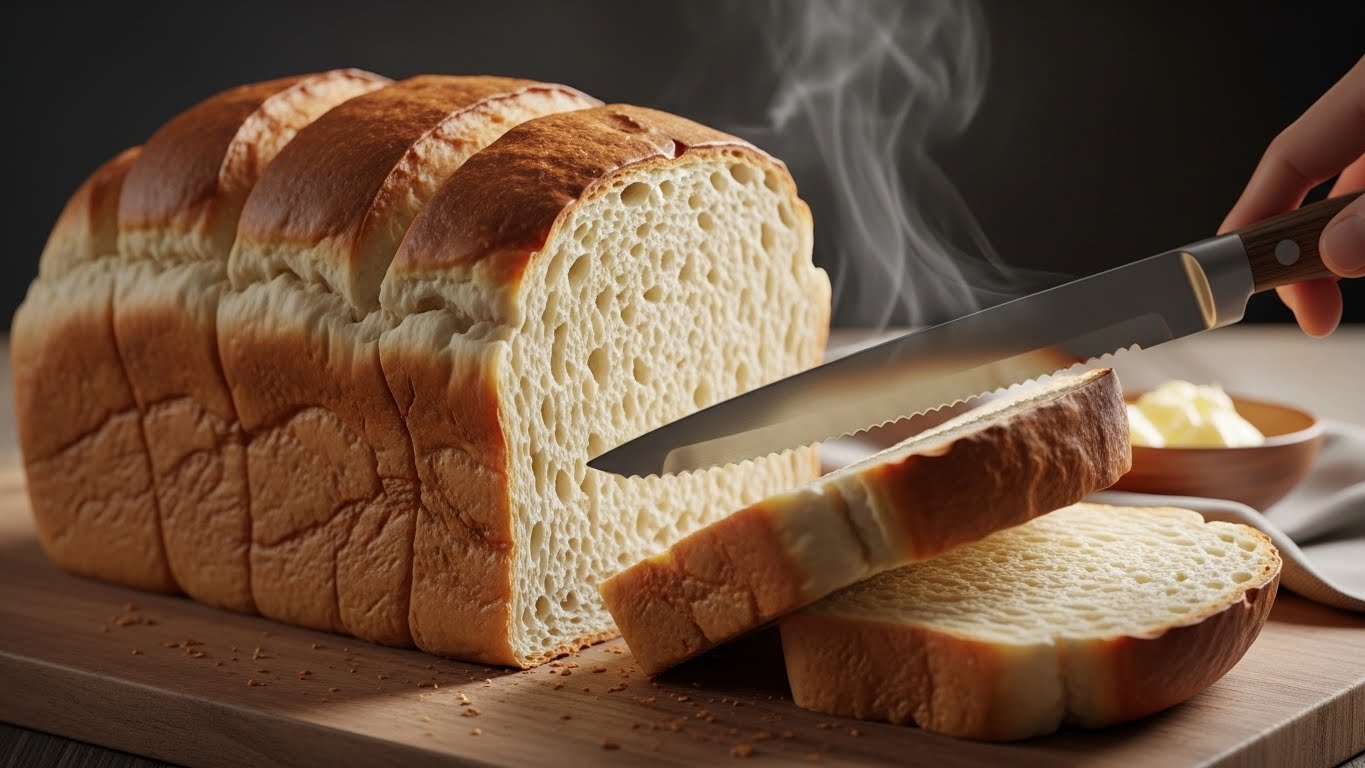
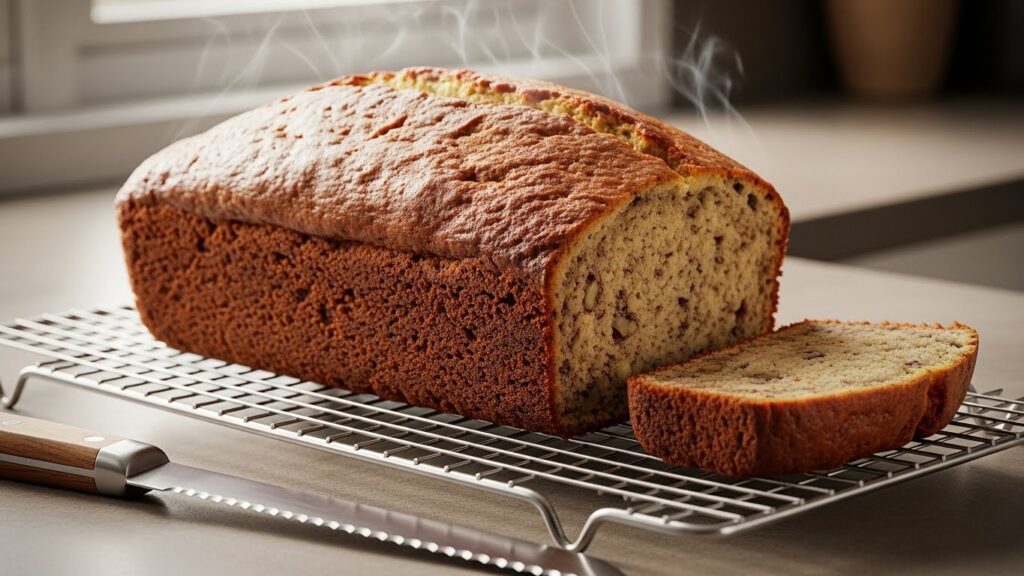
Run a thin knife around the edges of the pan to loosen the bread, then turn it out onto a wire cooling rack. Let cool completely at room temperature before slicing. This takes about an hour. Slicing while still warm results in gummy texture that improves as the bread cools and sets completely.
Pro Tips for Perfect Banana Bread
Use Very Ripe Bananas: Brown-spotted bananas aren’t overripe—they’re perfect. The riper the bananas, the sweeter and more flavorful your bread. Pale yellow bananas produce less flavorful bread.
Don’t Overmix: Overmixing develops gluten and toughens the bread. Stir just until moistened and flour is combined. Some lumps are fine.
Mash Thoroughly: Mash bananas well so they incorporate evenly into the batter. Chunks of unmashed banana don’t distribute flavor evenly.
Use Melted Butter: Melted butter incorporates easily and creates moist bread. Solid butter requires beating and doesn’t distribute as evenly.
Don’t Skip the Baking Soda: The chemical reaction between baking soda and banana acids creates the characteristic texture. Without it, banana bread doesn’t turn out properly.
Cool in the Pan First: Removing too early breaks the delicate structure. Wait those 10 minutes—they’re essential.
Cool Completely Before Slicing: Warm bread seems done but becomes gummy when sliced. Complete cooling at room temperature ensures proper texture.
Room Temperature Ingredients Work Fine: Unlike some baking, banana bread doesn’t require ingredients at specific temperatures. Room temperature banana bread comes together just fine.
Easy Variations to Try
Banana Nut Bread: Add 1/2 cup chopped walnuts or pecans for crunch and nuttiness that complements banana flavor beautifully.
Chocolate Chip Banana Bread: Fold in 1/2 cup chocolate chips for sweetness and richness that makes this feel almost like dessert.
Warm Spiced Version: Add 1/4 teaspoon cinnamon and 1/8 teaspoon nutmeg to create a version with warm spice notes reminiscent of fall baking.
Honey Sweetened: Reduce sugar to 3/4 cup and add 2 tablespoons honey for more complex sweetness and subtle depth.
Citrus Brightened: Add 1 teaspoon lemon juice and a pinch of lemon zest for brightness that cuts through richness and adds sophistication.
Double Banana: Use 4 very ripe bananas mashed instead of 3 for even more intense banana flavor and slightly moister bread.
Without Eggs: Substitute the egg with 1/4 cup unsweetened applesauce for a binding agent that works similarly. The bread will be slightly less rich but still delicious.
Quick Breakfast Version: Serve sliced banana bread toasted with butter or cream cheese for an easy breakfast that feels special.
What Makes Banana Bread Moist
Several factors contribute to banana bread’s characteristic moisture. Very ripe bananas contain more water and break down into liquid as they cook, creating natural moisture in the finished bread. The melted butter contributes fat, which makes the bread feel moist and tender. The slight density created by baking soda rather than overmixing also traps moisture, preventing the bread from drying out quickly.
The chemistry of baking soda in banana bread also affects texture. The reaction creates a tender crumb structure that holds moisture well. As the bread cools and the structure sets, it becomes less crumbly and feels more cohesive. This gradual setting is why banana bread actually improves after a day—the flavors distribute more evenly and it becomes easier to slice cleanly.
Can Banana Bread Be Frozen
Yes, banana bread freezes beautifully for up to 3 months. Cool the loaf completely, then wrap tightly in plastic wrap and then aluminum foil before freezing. You can also freeze individual slices wrapped separately, allowing you to thaw just what you need. To thaw, leave at room temperature for about an hour or rewarm wrapped in foil at 350°F for 10-15 minutes. Frozen and thawed banana bread tastes nearly identical to fresh, making this an excellent option for batch baking.
Is Banana Bread Healthy
Banana bread is a sweet bread containing sugar and butter, so it’s not a low-calorie or low-fat food. However, it’s made from basic, recognizable ingredients without preservatives or additives. A single slice contains modest sugar and fat while providing carbohydrates, some protein from the egg, and the nutritional benefits of bananas including potassium and B vitamins.
Compared to store-bought pastries or cake, homemade banana bread is actually relatively healthy. Bananas provide fiber and natural sweetness. The portion sizes are reasonable when served as part of breakfast or as a snack. Banana bread is best considered as an occasional treat rather than everyday food, but it’s genuinely a healthier choice than many alternatives.
How Long Does Banana Bread Last
Properly stored banana bread keeps at room temperature for 3-4 days wrapped in foil or stored in an airtight container. The flavor actually improves on the second day as moisture distributes evenly. After 4 days, the bread begins drying out, though it’s still safe to eat. Refrigeration actually dries out banana bread faster than room temperature storage, so don’t refrigerate it.
For longer storage, freeze for up to 3 months as described above. Freeze individual slices for convenient thawing.
Banana Bread Paired with Other Dishes
Banana bread works beautifully as breakfast served with coffee and fresh fruit. Toast slices and serve with butter, honey, or jam for an elegant breakfast. Pair with cream cheese for a richer version. Serve alongside eggs and bacon for a complete breakfast.
For snack time, banana bread provides satisfaction and energy. Serve with cold milk or hot tea for an afternoon pick-me-up. Pack slices in lunch boxes for grab-and-go breakfast or snack.
For complete meal planning, explore our collection of traditional American recipes. Try our corn pudding recipe for a vegetable side, bean and ham soup recipe for hearty comfort, or Harvard beets recipe for a traditional vegetable dish. Browse our breads and biscuits collection for more baking options.
Frequently Asked Questions About Banana Bread
How to make banana bread at home?
Mash 3 very ripe bananas, mix with melted butter, sugar, egg, and vanilla. Stir in baking soda, salt, and flour just until combined. Pour into greased loaf pan and bake at 350°F for 50-60 minutes until a toothpick comes out clean.
Simple banana bread recipe?
This one-bowl recipe is genuinely simple. Mash bananas, add butter and other ingredients, mix flour until combined, and bake. No special equipment or techniques required.
Banana bread for beginners?
Banana bread is nearly foolproof for beginning bakers. The main rule is don’t overmix. Beyond that, basic ingredient assembly and baking are sufficient for excellent results.
Banana bread without eggs?
Substitute the egg with 1/4 cup unsweetened applesauce. The bread will be slightly less rich but still delicious and moist.
What makes banana bread moist?
Very ripe bananas contain more liquid. Melted butter contributes fat and moisture. The baking soda creates a tender crumb that traps moisture well.
Can banana bread be frozen?
Yes, freeze wrapped tightly for up to 3 months. Freeze whole loaves or individual slices. Thaw at room temperature or reheat wrapped in foil.
Is banana bread healthy?
Made from basic ingredients with no preservatives, banana bread is relatively healthy for a sweet bread. It’s not low-calorie but contains nutritional benefits from bananas. Best served as an occasional treat.
How long does banana bread last?
Stored wrapped or in an airtight container at room temperature, banana bread keeps 3-4 days. Freeze for longer storage up to 3 months. Don’t refrigerate as it dries out faster.
Why is my banana bread dense?
Overmixing develops gluten and creates dense texture. Mix just until flour is combined. Also ensure you’re using very ripe bananas with adequate sugar content.
Can I add other mix-ins?
Yes, chocolate chips, walnuts, pecans, or berries all work well. Fold in gently at the end to avoid overmixing.
Why This Recipe Endures
Banana bread represents one of America’s most successful recipes—genuinely accessible to anyone while producing reliably delicious results. The technique requires no special skills or equipment, just basic ingredients and simple mixing. Yet the results taste special, fill the kitchen with wonderful aroma, and transform humble overripe fruit into something memorable.
This recipe persists because it solves real problems. It rescues overripe bananas from waste. It provides genuine homemade treats without extensive effort or skill. It demonstrates to beginning bakers that they can bake successfully. These practical benefits, combined with the simple deliciousness of the finished product, explain why banana bread appears in home kitchens and recipe collections across America.
For more classic recipes celebrating simple, reliable baking that produces genuinely delicious results, explore our collection at Nostalgic Eats. Subscribe to our Vintage Life of USA YouTube channel for more recipes and stories about the food that shaped American families and baking traditions.
Conclusion
This easy homemade banana bread recipe proves that genuinely excellent results don’t require complicated techniques, fancy ingredients, or extensive preparation time. Very ripe bananas, simple mixing, and basic baking produce bread that tastes special and fills your home with wonderful aroma. Whether you’re rescuing overripe bananas from the trash, seeking a beginner-friendly baking project, or wanting a comforting treat for breakfast or snack time, banana bread delivers perfect results every single time. Ready to make it? Gather 3 very ripe bananas and simple pantry ingredients. In less than an hour and a half, you’ll have a homemade banana bread loaf that tastes like genuine comfort and care.