60 CHEAP ’10-Minute’ Poor Man’s Suppers Nobody Makes Anymore
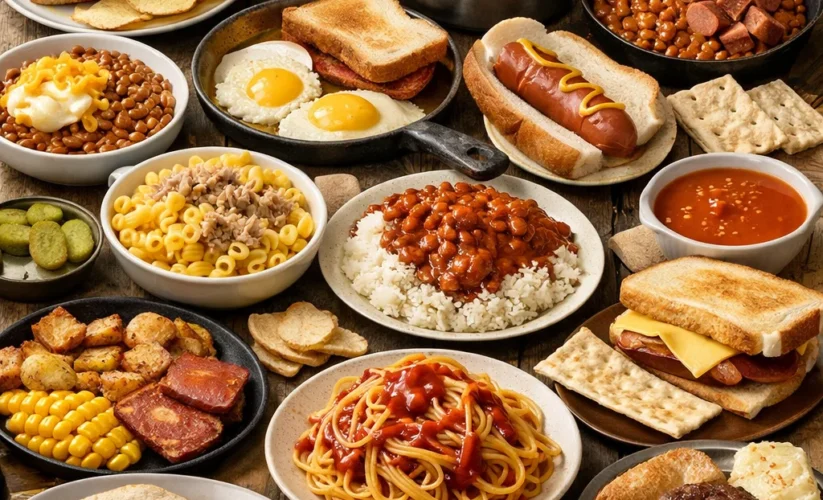
60 CHEAP ’10-Minute’ Poor Man’s Suppers Nobody Makes Anymore
I found a yellowed newspaper clipping from 1933 in my great-grandmother’s recipe box that changed how I understood Depression-era cooking — the same lost American kitchen history that shaped how an entire generation survived. The headline read “Ten-Minute Suppers for the Thrifty Housewife” and listed sixty meals that could be made in less time than it takes to wait for a pizza delivery today.
What shocked me wasn’t that these meals were cheap—I expected that. What shocked me was how fast they were. Every recipe took ten minutes or less from starting to eating. No prep work, no complicated techniques, no special equipment. Just basic ingredients transformed into hot food quickly enough to feed hungry families before anyone had time to complain.
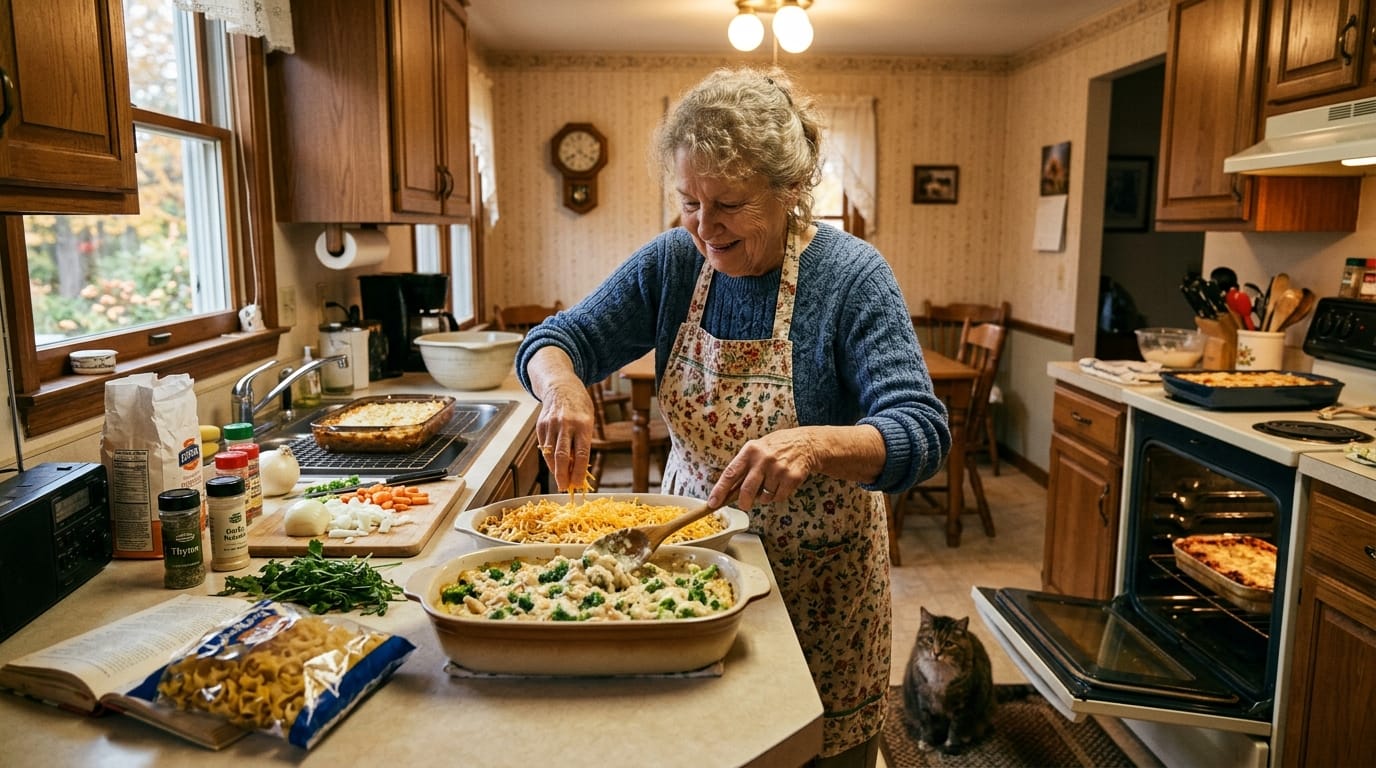
Then I understood the genius. These weren’t just poverty recipes—they were time poverty recipes. Great-grandmother worked in a factory, came home exhausted, and still had to feed six people. She couldn’t spend an hour cooking. These sixty suppers solved both problems simultaneously: they cost almost nothing and took almost no time.
By the 1980s, we’d completely forgotten them. We replaced them with microwave dinners and fast food, trading genuine cooking knowledge for corporate convenience. But these recipes are worth remembering because they prove that real cooking can be faster and cheaper than any convenience food while tasting better and nourishing better.
Quick Reference
Items 1-20: Most Popular Depression Era & 1950s
Clara’s Poorman’s Meal
Clara’s Poorman’s Meal became internet-famous when Great Depression Cooking videos went viral in 2008. Clara, age 93, showed viewers how she survived the Depression by frying potatoes, onions, and sliced hot dogs in one skillet.
The meal cost under a dollar and took eight minutes start to finish. Slice everything thin, fry in bacon grease or oil, season with salt and pepper. That’s it. It fed four people with leftovers for lunch.
Hoover Stew Basics
Hoover Stew was named sarcastically after President Hoover, blamed for the Depression. Boil macaroni in water, add sliced hot dogs and canned tomatoes, season with salt. Done in ten minutes.
This was survival food. The cheapest protein (hot dogs), cheapest starch (macaroni), cheapest vegetable (canned tomatoes). It tasted better than it sounds because hunger is the best seasoning.
Milk Toast Comfort
Milk Toast with Butter and Sugar sounds terrible to modern ears but provided genuine comfort during hard times. Toast a slice of classic white bread, butter it, place in a bowl, pour hot milk over it, sprinkle with sugar.
The hot milk softened the toast into something between bread pudding and porridge. It was warm, filling, slightly sweet, and used ingredients that kept for days without refrigeration.
Egg Gravy Tradition
Egg Gravy Over Biscuit Pieces stretched one or two eggs to feed a whole family. Make gravy from flour, milk, and bacon grease. Scramble eggs into the hot gravy. Pour over biscuit pieces — or serve alongside these biscuits and sausage gravy for a heartier Depression-era breakfast.
The gravy extended the eggs while adding richness. One egg plus gravy could feed four people when served over biscuits or toast.
Fried Cornmeal Mush
Fried Cornmeal Mush with Syrup used leftover breakfast porridge as dinner. Cook cornmeal into thick porridge, pour into a loaf pan, chill until solid, slice and fry until crispy.
The fried slices developed golden crust while staying soft inside. Drizzle with syrup or molasses for sweet dinner that cost pennies.
Water Pie Mystery
Water Pie Filling (Mock Lemon) sounds impossible—pie filling made from water, sugar, flour, and lemon extract. But it worked. The mixture thickened during baking, creating something resembling lemon custard.
This wasn’t as good as real lemon pie, but it satisfied the craving for something sweet when lemons and eggs were unaffordable luxuries.
Potato Candy Oddity
Potato Candy made from mashed potato and powdered sugar sounds disgusting but tastes like fudge. Mix equal parts mashed potato and powdered sugar, add vanilla and peanut butter, roll flat, slice.
The potato provided structure and moisture without adding potato flavor. The result tasted like peanut butter fudge that cost almost nothing to make.
Mock Apple Pie Fame
Mock Apple Pie with Ritz Crackers became famous from the recipe on Ritz boxes. Soak crackers in sugar syrup with cinnamon—they soften into something resembling cooked apples.
This wasn’t meant to fool anyone into thinking they were eating apples. It was meant to provide pie-like satisfaction when apples weren’t available.
Sugar Sandwich Reality
Sugar Sandwich was exactly what it sounds like — white bread, butter, sugar. Browse more forgotten sandwiches and spreads from this same era. Butter the bread, sprinkle with sugar, eat. This was dessert for children when actual dessert was impossible.
Modern nutritionists would be horrified, but it provided quick energy and a moment of sweetness during otherwise relentlessly austere meals.
Peanut Butter Bread Economy
Peanut Butter Bread (No Jelly) wasn’t about preference—jelly cost extra money most families didn’t have. Plain peanut butter on bread provided complete protein and filled empty stomachs.
The “no jelly” specification in vintage recipes wasn’t a suggestion. It was acknowledging economic reality while still creating something edible.
Vinegar Cobbler Ingenuity
Vinegar Cobbler sounds inedible—flour, vinegar, sugar, and water baked into cobbler. But vinegar’s acidity mimicked fruit, creating tart-sweet flavor similar to berry cobbler.
This represented peak Depression-era creativity: creating dessert-like satisfaction from ingredients that cost almost nothing — just like this shoofly pie that turned molasses and flour into something worth celebrating.
Tomato Gravy Soul
Tomato Gravy Over White Bread became Southern soul food staple — built on the same humble tomato tradition as these scalloped tomatoes that Depression-era families stretched into side dishes. Make gravy from flour, bacon grease, and canned tomatoes. Season with salt and pepper. Pour over bread.
The acidity of tomatoes cut the richness of bacon grease while the flour thickened everything into satisfying gravy that transformed plain bread into a meal.
Fried Bread Dough Doughboys
Fried Bread Dough (Doughboys) took any bread dough, pulled off pieces, fried them in oil until puffy and golden. Sprinkle with sugar or drizzle with syrup.
These were Depression-era doughnuts—cheaper than yeast doughnuts because they used basic bread dough instead of enriched dough with eggs and milk.
Creamed Eggs Elegance
Creamed Eggs on Toast Points sounds fancy but was poverty food. Make white sauce from flour, milk, butter. Add chopped hard-boiled eggs. Serve over toast.
This stretched two or three eggs to feed six people. The white sauce provided richness while the toast provided bulk.
Hot Dog Gravy Stretch
Hot Dog Gravy Over Mashed Potatoes chopped hot dogs into gravy made from flour and milk. Pour over mashed potatoes for complete meal.
One package of hot dogs fed eight people this way. The gravy and potatoes provided bulk while the hot dog pieces provided just enough meat flavor to satisfy.
Soup Beans Staple
Soup Beans with Cornbread Crumbles was Appalachian poverty food — the same thrifty corn-and-bread pairing found in this cornbread and buttermilk sandwich that fed Southern families for pennies. Plain beans cooked with salt pork, served with crumbled cornbread stirred into the pot liquor.
This provided complete protein (beans plus corn), filled stomachs, and cost almost nothing. Families ate this three or four times weekly during hard times.
Sweet Rice Porridge
Rice in Milk with Sugar (Sweet Rice Porridge) cooked leftover rice in milk with sugar for quick dessert or breakfast. Five minutes from start to eating.
This was comfort food—warm, sweet, soft. It used leftovers (rice) and stretched expensive milk by adding cheap rice bulk.
Buttered Noodles Simplicity
Buttered Noodles with Salt & Pepper was the simplest possible dinner — a tradition that evolved into this heartier beef and noodle skillet once families could afford a little meat. Boil egg noodles, drain, toss with butter, season. Eight minutes total.
This wasn’t special or exciting, but it was hot food that filled stomachs when there was nothing else. Sometimes simple survival mattered more than flavor.
Fried Cabbage Economy
Fried Cabbage Skillet with Onions took one of the cheapest vegetables and made it taste good. Slice cabbage and onions thin, fry in bacon grease until tender and slightly caramelized.
One cabbage fed six people for a quarter — and when there were scraps left over they went straight into a pot of cabbage soup the next day. The caramelization from frying transformed raw cabbage’s harsh flavor into something sweet and satisfying.
Potato Hash Browns Speed
Potato Hash Browns Skillet Breakfast grated raw potatoes, squeezed out excess water, fried in oil until crispy. Seven minutes from raw potato to eating.
This was faster than baking potatoes and used less fuel — the same potato-stretching wisdom behind this potato sandwich recipe that turned one spud into a full meal. The crispy edges provided textural satisfaction that plain boiled potatoes couldn’t match.
Items 21-40: Weekly Favorites 1950s-1960s
Bachelor’s Supper Speed
Bachelor’s Supper (Canned Hash Pan-Fried) got its name from men living alone who couldn’t or wouldn’t cook. Open can of corned beef hash, fry in skillet until crispy on the bottom.
Five minutes from opening the can to eating. The crispy bottom transformed the mushy canned hash into something with textural interest.
Widow’s Plate Loneliness
Widow’s Plate (Scrambled Eggs & Toast Soldiers) was single-serving comfort. Scramble one or two eggs, serve with toast cut into strips for dipping in the soft eggs.
The name acknowledged the reality of women cooking alone after husbands died. The meal was scaled for one person without creating excessive leftovers.
Milkman’s Lunch Poverty
Milkman’s Lunch (Cold Cereal with Canned Milk) referenced the era when milkmen delivered fresh milk daily. Families who couldn’t afford daily delivery used shelf-stable canned milk instead.
This was breakfast or dinner when there was nothing else. Cereal provided some nutrition, canned milk provided calories, sugar provided energy.
Bread Sop Desperation
Bread Sop (Bread Soaked in Coffee/Milk) was elderly poverty food. Stale bread torn into pieces, soaked in hot coffee with milk and sugar until soft enough to eat without chewing.
This sounds terrible but provided nutrition for elderly people with few teeth who couldn’t afford dentures or soft food.
Depression Sandwich Mockery
Depression Sandwich became internet-famous as the saddest sandwich ever — though it had company in equally humble creations like this bacon grease sandwich that used every last scrap from the pan. White bread with mayonnaise and ketchup, nothing else.
This represented absolute rock bottom—cheaper than peanut butter because mayo stretched further and ketchup was free from diners. But it was still food.
Potato Soup with Rivels
Potato Soup with Rivels (Flour Dumplings) added quick dumplings to thin potato soup. Mix flour with egg and salt, crumble into boiling soup. The rivels cooked in two minutes.
This transformed watery potato soup into substantial meal. The rivels provided texture and bulk that made the soup more filling.
Fried Egg on Noodles
Fried Egg on Butter Noodles was one egg stretched over a pile of buttered noodles. The runny yolk mixed with the butter created rich sauce.
This was comfort food—the warm noodles, melting butter, creamy egg yolk all combining into something greater than the sum of its humble parts.
Cornmeal Mush Fry Return
Cornmeal Mush Fry with Molasses reused morning cornmeal porridge as dinner. Slice cold mush, fry until crispy, drizzle with molasses or syrup.
The crispy exterior contrasted with the soft interior. Molasses added sweetness and iron. This provided decent nutrition from pennies worth of ingredients.
Hot Water Cornbread
Hot Water Cornbread (Fried Cakes) mixed cornmeal with boiling water and salt, formed into patties, fried. No eggs, no milk, no buttermilk—just cornmeal, water, salt.
These fried cakes were Southern poverty food that lasted because they actually tasted good. The crispy exterior made them satisfying despite minimal ingredients.
Scrambled Egg Sandwich
Scrambled Egg Sandwich with Miracle Whip was Depression-era fast food. Scramble one egg, put on bread with Miracle Whip. Five minutes total.
Miracle Whip was cheaper than butter and added tangy flavor. One egg between two bread slices was lunch or light dinner.
Campbell’s Tomato Soup
Campbell’s Tomato Soup with Saltine Crackers became American poverty meal icon. Heat soup, serve with crackers crumbled into it.
This provided warm meal for pennies. The crackers added texture and bulk. Families ate this when nothing else was available.
Egg and Onion Sandwich
Egg and Onion Sandwich (Chopped Hard-Boiled) mixed chopped hard-boiled eggs with diced raw onions and mayonnaise. Spread on bread.
This was packed lunch that didn’t require refrigeration. The onions added flavor while the mayo kept everything moist. One egg made two sandwiches.
Depression Coffee Soup
Depression Coffee Soup (Bread, Coffee, Sugar) sounds insane—torn bread soaked in coffee with milk and sugar. But it provided warm breakfast when there was nothing else.
The coffee provided caffeine, the bread provided calories, the sugar provided energy. This kept people functioning during genuine hardship.
Government Cheese Grilled
Government Cheese on White Bread (Grilled) used the processed cheese the government distributed to poor families. Make grilled cheese with it.
Government cheese was incredibly salty and melted well. Grilled cheese made it palatable and provided warm comfort during hard times.
Cheese Dreams 1950s
Cheese Dreams (Baked Cheese Toast 1950s Style) topped bread with cheese and baked until melted. This was supposedly fancier than grilled cheese because it was baked.
The name “Cheese Dreams” made humble cheese toast sound special. This represented aspirational cooking—making poverty food feel elegant.
Welsh Rarebit Quick
Welsh Rarebit (Cheese Sauce Over Toast) made cheese sauce from cheese, milk, and flour. Pour over toast for quick dinner.
This was British poverty food adopted by Americans. One cup of cheese sauce covered four slices of toast, feeding four people cheaply.
Fried Potato Egg Skillet
Fried Potato & Egg Skillet (One-Pan Breakfast) fried sliced potatoes until tender, cracked eggs on top, covered until eggs set.
Everything cooked in one pan in ten minutes — much like this simple eggs in a nest recipe that Depression-era families made from almost nothing. This was hearty breakfast that provided protein, carbohydrates, and enough calories for physical labor.
Tomato Soup Rice
Tomato Soup Over Rice (Quick Comfort Meal) combined leftover rice with canned tomato soup for quick dinner. Heat soup, pour over rice.
This transformed small amount of rice into full meal. The soup provided moisture and flavor while rice provided bulk.
Crackers Milk Sugar
Crackers & Milk with Sugar (Depression Dessert) crumbled saltine crackers into milk, added sugar. This was dessert when actual dessert was impossible.
The crackers softened into something resembling bread pudding. It tasted better than it sounds—sweet, soft, comforting.
Pancakes for Dinner
Pancakes for Dinner (Breakfast-for-Supper) wasn’t special occasion—it was economic necessity. Pancakes were cheaper than proper dinner, faster to make, and filled stomachs.
“Breakfast for dinner” sounds fun now. Then, it meant not enough money for real dinner. But pancakes with syrup satisfied hungry families.
Items 41-60: Forgotten Classics 1960s-1970s
Midnight Supper
Midnight Supper (Fried Egg on Buttered Toast) was shift worker food. Come home from late shift, fry one egg, put on buttered toast. Five minutes to food.
This simple meal provided quick nutrition before bed. The name acknowledged the reality of industrial workers eating at odd hours.
Railroad Supper
Railroad Supper (Hard-Boiled Eggs & Crackers) was train worker food. Hard-boil eggs in advance, eat with crackers. No cooking required, completely portable.
Railroad workers ate this during shifts. It became poverty food at home because it required zero preparation time.
Mock Oyster Stew
Mock Oyster Stew (Cream, Crackers, Butter) tried to replicate oyster stew without oysters. Heat cream, add crackers and butter, season with salt and pepper.
The crackers softened into something vaguely resembling oysters in texture if not flavor. This satisfied cravings when actual oysters were unaffordable.
Stone Soup Reality
Stone Soup (Water, Salt, Leftover Scraps) referenced the folk tale but was real poverty cooking. Boil water, add every scrap of leftover anything, season with salt.
This wasn’t good, but it was hot and liquid and technically food when there was literally nothing else.
Hot Milk Cake
Grandma’s Hot Milk Cake (5-Minute Mug Version) mixed flour, sugar, milk, and butter in a mug. Microwave for quick individual cake.
This was 1970s microwave invention that turned Depression-era hot milk cake into personal-size quick dessert.
Vinegar Pie Quick
Vinegar Pie Filling (Quick Stovetop) cooked sugar, flour, butter, water, and vinegar into quick custard. Pour into baked pie shell.
This was faster than baking full vinegar pie. The filling tasted tart and sweet like lemon without expensive lemons.
Mock Meatballs
Mock Meatballs (Bread Soaked, Fried) soaked stale bread in milk, formed into balls, fried. These weren’t meant to fool anyone—they were bread balls fried like meatballs.
This used stale bread that would otherwise be discarded. Fried, they developed crispy exterior and soft interior.
Depression Doughnuts
Depression Doughnuts (Fried Biscuit Dough) fried any basic biscuit dough, rolled in sugar. These weren’t fancy doughnuts—they were fried bread rolled in sugar.
But they satisfied sweet cravings and provided special treat using ingredients that cost almost nothing.
Poverty Pancakes
Poverty Pancakes (Flour, Water, Salt) had no eggs, no milk, no butter—just flour mixed with water and salt, fried into thin pancakes.
These weren’t good pancakes, but they were hot food that filled stomachs. Drizzle with any available syrup or molasses.
Tramp’s Supper
Tramp’s Supper (Fried Potatoes with Onion Skin Tea) referenced wandering homeless men. Fry potato slices, brew “tea” from boiled onion skins for beverage.
This represented absolute poverty—even the onion skins were used to create something resembling tea when actual tea was unaffordable.
Skillet Bread Pudding
Bread Pudding on the Skillet (Quick Version) fried bread pieces in butter with sugar and cinnamon. Pour a little milk over, cover, steam briefly.
This created bread pudding texture in minutes without baking. It tasted sweet and comforting from absolute minimum ingredients.
Gravy Sandwich
Gravy Sandwich (Flour Gravy Between Bread) put plain flour gravy between bread slices. This was lunch when there was no meat, no vegetables, nothing.
The gravy at least provided moisture and richness from the fat used to make it. It was barely food, but it was something.
Cornmeal Gruel
Cornmeal Gruel with Butter cooked cornmeal thin like porridge, stirred in butter. This was invalid food—nutrition for sick people who couldn’t chew.
It became poverty food because it required minimal cornmeal stretched with water into something resembling meal.
Prune Whip
Prune Whip (Mashed Prunes on Toast) mashed canned or stewed prunes, spread on buttered toast. This was breakfast or light dinner.
Prunes were cheap, kept well, provided fiber and natural sweetness. Spread on toast made them more substantial.
End-of-Week Hash
End-of-the-Week Hash (Everything-Left-In-Skillet) used every leftover scrap before grocery shopping day. Chop everything, fry together, season.
This represented ultimate frugality—wasting absolutely nothing. Every bit of food went into Friday’s hash before Saturday shopping.
Savory Oatmeal
Savory Oatmeal with Salt & Butter cooked oatmeal with salt instead of sugar, stirred in butter. This was dinner when there was nothing else.
Oatmeal wasn’t just breakfast — it was cheap filling dinner, the same versatility that inspired this oatmeal sandwich recipe that once kept factory workers going through long shifts.
Molasses Bread Soak
Molasses Bread Soak (Bread & Molasses Syrup) soaked stale bread in warm water, drained, drizzled with molasses. This was dessert from almost nothing.
Molasses added sweetness, iron, and strong flavor that made old bread taste like intentional dessert.
Hash Brown Cakes
Fried Hash Brown Potato Cakes formed leftover mashed potatoes or hash browns into patties, fried until crispy. This used leftovers as new meal.
The crispy exterior made leftovers exciting again. These tasted better than original mashed potatoes.
Rice Tomato Skillet
Quick Rice & Canned Tomato Skillet combined instant rice with canned tomatoes for quick dinner. Add water, simmer five minutes, season.
This was 1970s invention using instant rice. Ten minutes from start to eating, cost under a dollar.
Lentil Chickpea Soup
Lentil & Chickpea Quick Soup (10-Minute Boil) combined canned chickpeas with quick-cooking red lentils. Boil with salt and spices for ten minutes.
This provided complete protein and substantial nutrition despite costing very little. It was actually healthy poverty food.
Why These Names Tell The Truth
These sixty recipes had names that modern food culture would never use. “Poor Man’s Meal,” “Tramp’s Supper,” “Depression Sandwich,” “Poverty Pancakes”—these names acknowledged economic reality without shame.
The honesty was the point. These recipes came from an era when poverty wasn’t hidden or denied. Being poor wasn’t character failure—it was economic circumstance that happened to millions of families simultaneously.
Calling something “Poor Man’s Meal” or “Bachelor’s Supper” wasn’t insulting. It was accurate description that helped other poor people or single men find appropriate recipes.
By the 1980s, this honesty became unacceptable. Food culture shifted toward aspirational cooking. Nobody wanted recipes that announced their poverty. These sixty meals vanished because their names told uncomfortable truths.
Why Ten Minutes Mattered
The “ten-minute” specification wasn’t marketing—it was survival necessity. These recipes came from an era when most women worked full-time outside the home in factories or fields, came home exhausted, and still had to feed families.
They couldn’t spend an hour cooking elaborate dinners. They needed hot food fast. These sixty recipes delivered that without apology.
Modern “30-minute meals” get celebrated as revolutionary. These Depression-era cooks were making full meals in ten minutes using less equipment and fewer ingredients. They just didn’t get TV shows about it.
Why They Still Matter
These sixty forgotten meals represent practical survival knowledge. They prove that feeding people doesn’t require expensive ingredients, complicated techniques, or significant time investment.
Every one costs under five dollars today to feed four people — just like these budget-friendly recipes in our soups and stews collection that stretch ingredients just as far. Every one takes ten minutes or less. Every one uses basic ingredients available at any grocery store.
Most importantly, they work. They actually feed people adequately. They’re not Instagram-worthy, but that was never the point.
Frequently Asked Questions
Are these recipes actually edible?
Most are genuinely good considering their constraints. A few like Stone Soup and Depression Sandwich represent desperation rather than cuisine, but most taste surprisingly decent.
Why did people eat such limited meals?
Economic necessity. During the Depression, unemployment reached 25%. Millions had almost no money. These meals kept people alive on pennies per day.
Can these recipes work today?
Absolutely. The techniques and formulas work identically. Some require adjusting for modern tastes, but they’re all still viable quick cheap meals.
Which should I try first?
Start with Clara’s Poorman’s Meal or Fried Cabbage with Onions—both taste genuinely good and represent the best of poverty cooking.
Why ten minutes specifically?
Working people needed food fast. Ten minutes was the maximum time they could spare between coming home and needing to eat.
Will these come back?
Economic pressures are already reviving interest in ultra-budget cooking. These recipes are being rediscovered by people needing genuine food solutions.
Conclusion
These sixty cheap ten-minute poor man’s suppers that nobody makes anymore represent survival cooking knowledge that sustained millions of American families through the Great Depression and subsequent decades of economic hardship when unemployment and poverty were daily realities rather than abstract concepts discussed in economics classes, proving that feeding people adequately doesn’t require expensive ingredients or complicated techniques or significant time investment but rather requires understanding basic formulas that transform minimal ingredients into actual food fast enough to satisfy hungry families who can’t wait an hour for elaborate recipes to finish cooking. The recipes had brutally honest names like Hoover Stew and Tramp’s Supper and Poverty Pancakes that modern food culture would never use because we’ve become ashamed of economic hardship and prefer pretending everyone can afford organic ingredients and farmers market produce and grass-fed meat when the reality is that millions of families still need genuinely cheap food solutions that cost under five dollars per meal — the same spirit behind every recipe in our breakfast favorites collection that keeps morning meals simple and affordable, and take under ten minutes from starting to eating without requiring special equipment or advanced cooking skills.