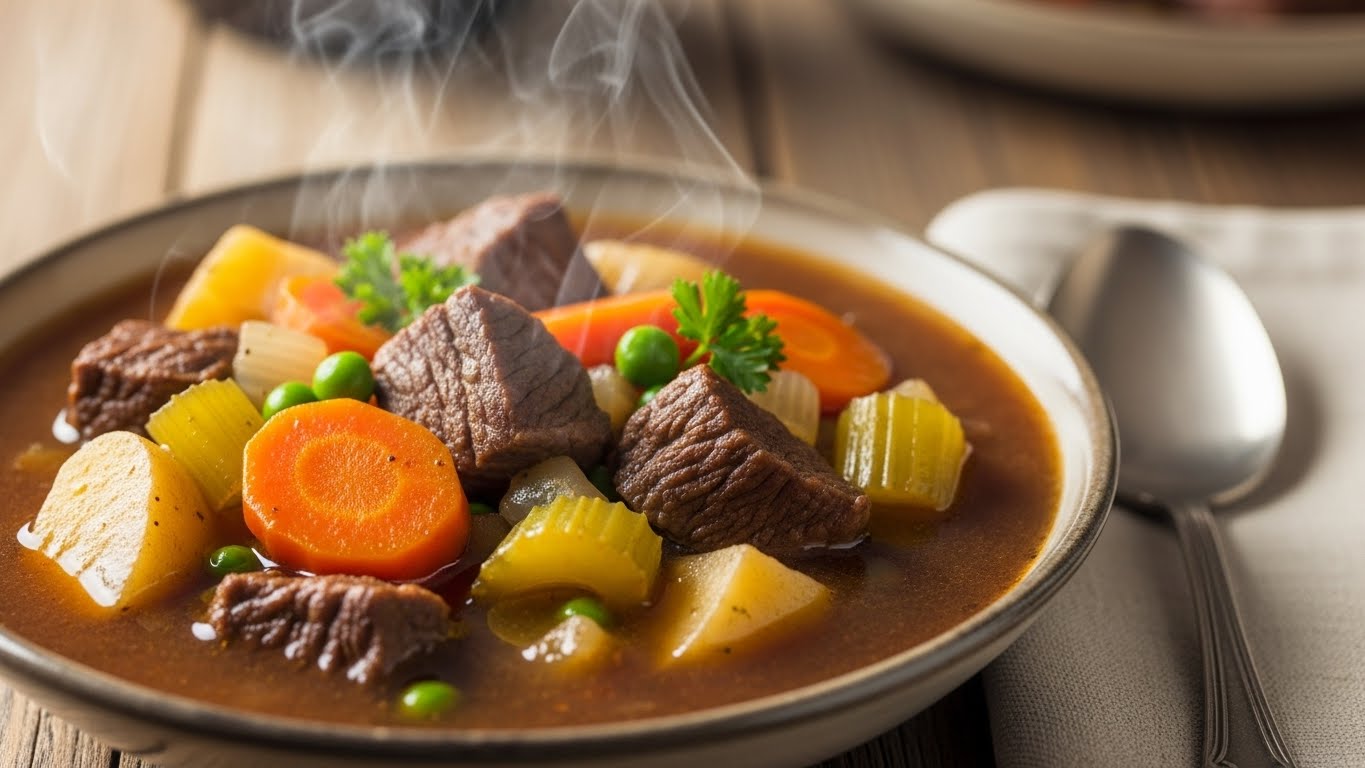
Cabbage Soup Recipe – Easy Classic Comfort Soup
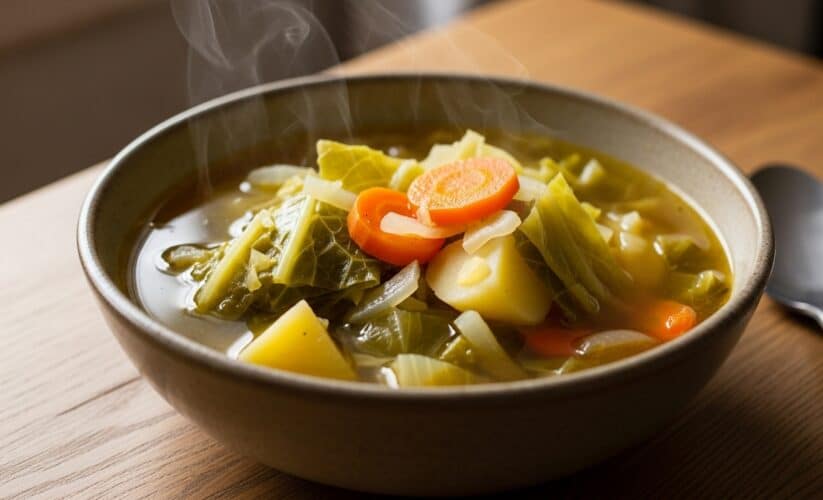
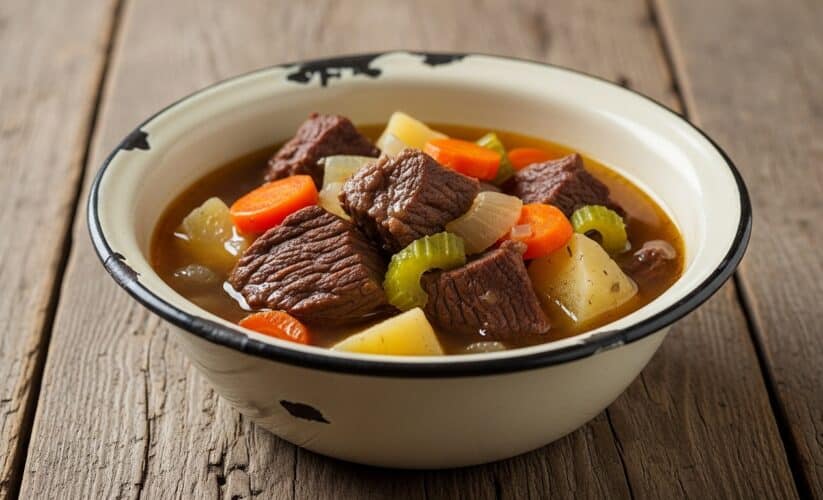
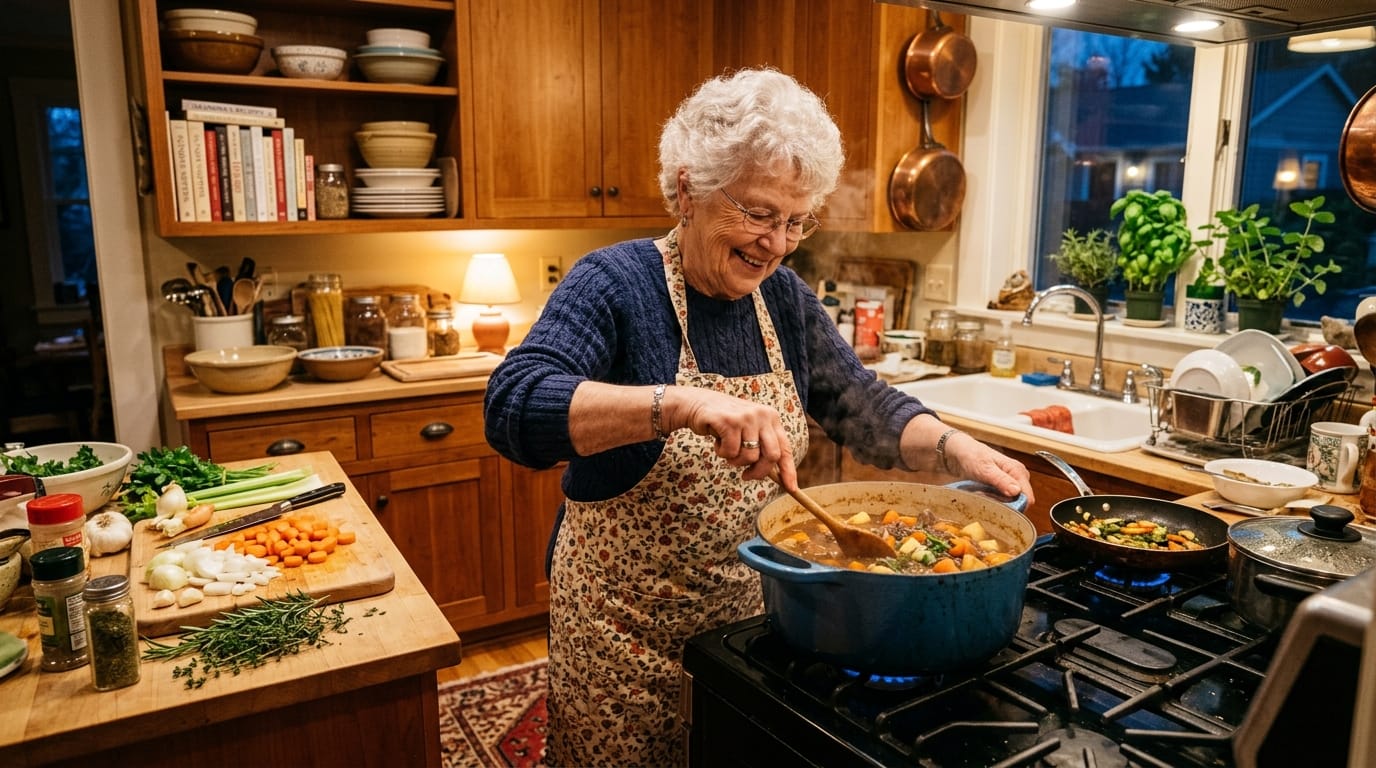
Cabbage soup gained popularity during lean times when meat was scarce and vegetables from the garden had to stretch to feed hungry families. With its simple ingredients and filling nature, this soup provided genuine nutrition at minimal cost. Many immigrant families brought variations of this recipe with them to America, adapting it based on what was available in their new communities. The result is a soup that transcends cultural boundaries, appearing in kitchens from Eastern Europe to America with regional variations that reflect local ingredients and traditions. Whether you’re seeking authentic comfort food from America’s immigrant heritage, wanting healthy soups that nourish without heaviness, or simply craving something warm and satisfying, this classic cabbage soup delivers perfect results every single time.
Not Sure What to Cook Today?
Open your fridge, pick a few ingredients… and turn them into a real recipe in seconds.
No guessing. No waste. Just simple, nostalgic meals.Cabbage Soup: Quick Reference
Ingredients You’ll Need
Main Ingredients:
- 1 tablespoon vegetable oil
- 1 large onion, chopped
- 2 cloves garlic, minced
- 1 small head cabbage, roughly chopped
- 2 carrots, sliced
- 2 stalks celery, sliced
- 1 large potato, peeled and diced
- 1 can (14 oz) diced tomatoes
- 6 cups chicken or vegetable broth
- 1 bay leaf
- 1 teaspoon dried dill (or 1 tablespoon fresh)
- Salt and pepper to taste
- 2 tablespoons vinegar (optional)
- 2 tablespoons fresh parsley, chopped
Optional Additions:
- 1 teaspoon caraway seeds
- ½ pound browned ground beef or kielbasa sausage
- ¼ teaspoon red pepper flakes
- 1 tablespoon tomato paste
- ½ teaspoon paprika
- 1 can white beans for protein
Understanding Cabbage Soup: History and Heritage
Cabbage soup represents resourceful cooking across multiple cultures. Cabbage has been cultivated for thousands of years and thrives in cooler climates, making it a staple crop across Northern Europe, Russia, and Eastern European regions. When families immigrated to America, they brought cherished soup recipes that had sustained their communities through harsh winters and difficult times.
During the Great Depression and World War II rationing periods, cabbage soup gained particular significance in America. Cabbage was cheap, readily available, and nutritious. The soup could be made in enormous quantities to feed large families, stretched with water or broth when resources were scarce, and improved as it sat, developing deeper, more complex flavors. Community cookbooks from this era feature numerous cabbage soup variations—some with meat when available, others entirely vegetarian, all deeply satisfying and economical.
Cabbage soup also gained renewed attention during weight loss trends, marketed as a miracle soup capable of delivering dramatic results. While those claims were exaggerated, the underlying truth remained: cabbage soup is genuinely nutritious and satisfying while being extremely low in calories. This combination of healthfulness, practicality, and authentic comfort food appeal explains why cabbage soup has persisted for generations.
Not Sure What to Cook Today?
Open your fridge, pick a few ingredients… and turn them into a real recipe in seconds.
No guessing. No waste. Just simple, nostalgic meals.What Makes This Cabbage Soup Special
The beauty of cabbage soup lies in its elegant simplicity and genuine nutritional completeness. Cabbage provides fiber, vitamin C, and compounds believed to support health. Carrots and celery add sweetness and body. The potato provides substance and carbohydrates. The tomatoes add acidity and umami depth. The broth ties everything together while the aromatics—onion, garlic, and herbs—create the flavor foundation.
The soup’s character comes from how these simple ingredients interact during cooking. The cabbage softens into the broth, releasing its mild sweetness. The other vegetables contribute their individual flavors, creating complexity from simplicity. The dill is traditional and important—its subtle anise notes are distinctly Eastern European and contribute significantly to the soup’s character. The optional caraway seeds enhance this Eastern European character further.
The vinegar is optional but important if you want authentic flavor. The slight tang balances the natural sweetness of cabbage and carrots while adding brightness and complexity. A dollop of sour cream served with the finished soup is traditional and provides creaminess that complements the rustic, wholesome soup.
How to Make Cabbage Soup
Step 1: Sauté the Aromatics
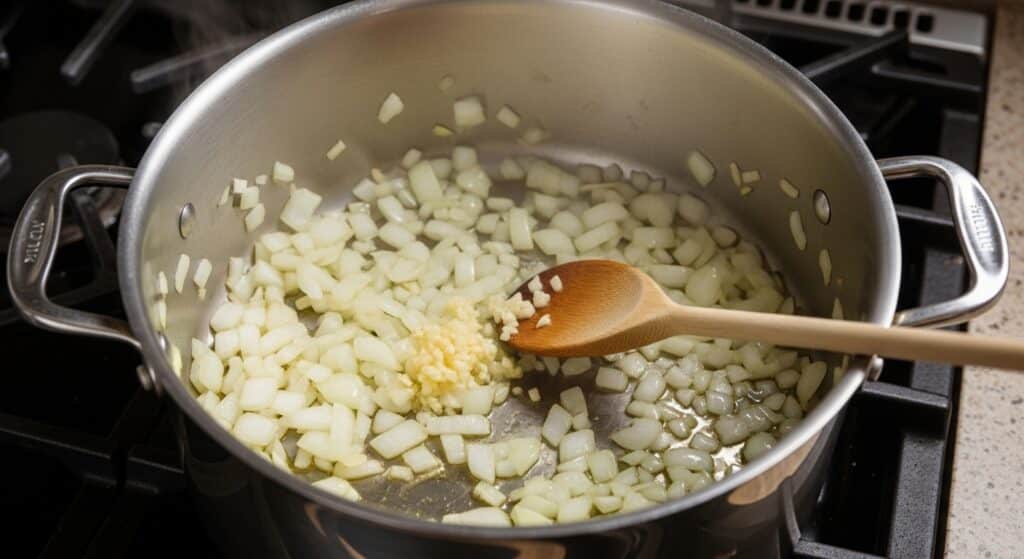
Heat 1 tablespoon vegetable oil in a large pot over medium heat. Add 1 chopped large onion and cook, stirring occasionally, until the onion becomes soft and translucent, about 5 minutes. The onion should be fragrant and beginning to caramelize slightly. Add 2 minced garlic cloves and cook for another minute, stirring constantly, until the garlic becomes fragrant but doesn’t brown.
Step 2: Prepare and Add Vegetables
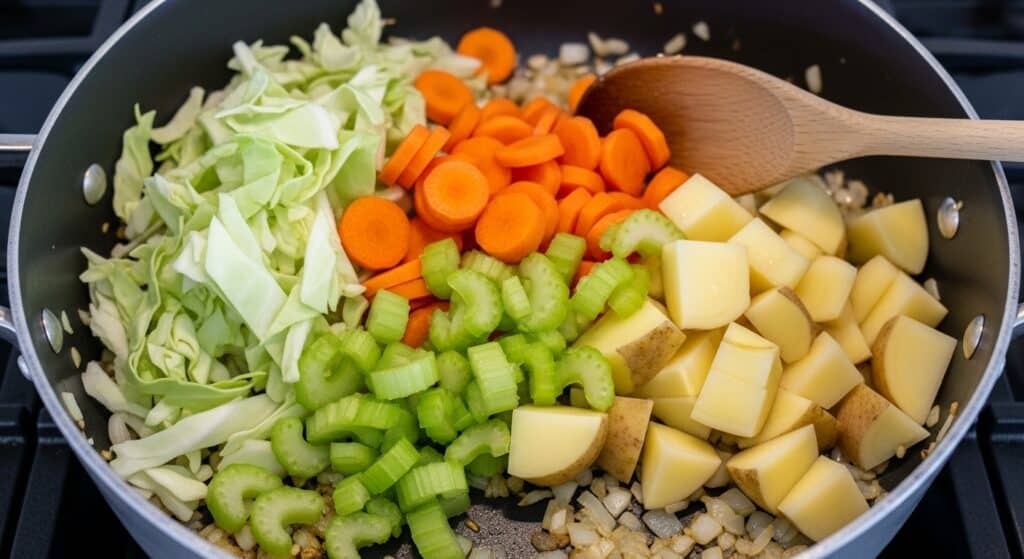
Add 1 roughly chopped small head of cabbage, 2 sliced carrots, 2 sliced celery stalks, and 1 diced large peeled potato to the pot. Stir everything together, coating the vegetables in the oil and aromatics. This initial stirring helps distribute flavors evenly.
Step 3: Add Broth and Seasonings
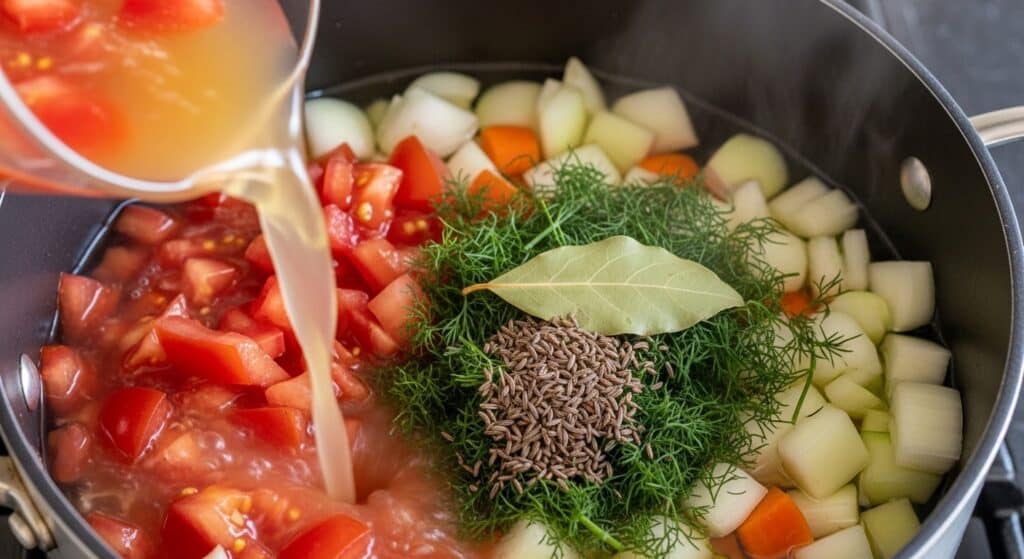
Add 1 can (14 oz) diced tomatoes with juice, 6 cups chicken or vegetable broth, 1 bay leaf, and 1 teaspoon dried dill (or 1 tablespoon fresh if using). If using caraway seeds for Eastern European flavor, add 1 teaspoon now. Stir everything together thoroughly.
Step 4: Bring to Boil and Simmer
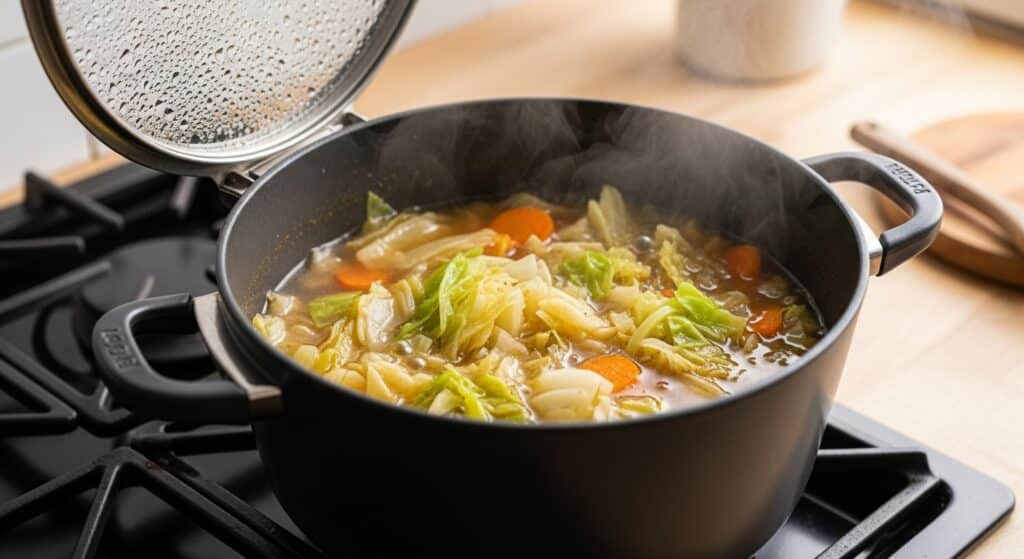
Bring the soup to a boil over medium-high heat. Once boiling, reduce heat to medium-low, cover the pot, and simmer gently for 30-40 minutes until all vegetables are very tender. The cabbage should be soft enough that it falls apart easily when pressed against the side of the pot. The carrots should be completely tender. The potato should be creamy inside.
Step 5: Season and Finish
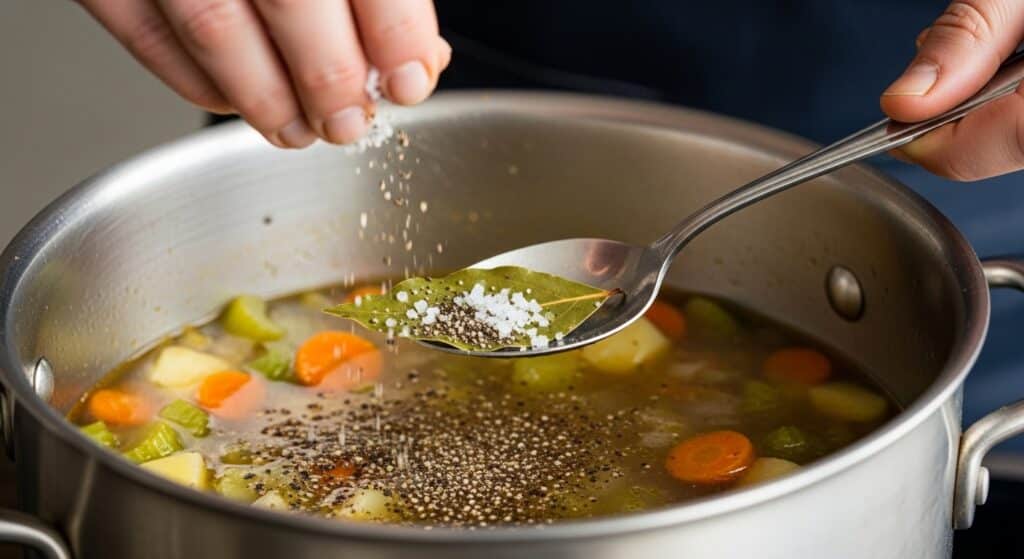
Remove the bay leaf. Taste the soup and season generously with salt and pepper. If you want subtle tang, stir in 2 tablespoons vinegar now. The vinegar adds brightness without making the soup taste sour—it enhances all the other flavors.
Step 6: Serve with Garnish
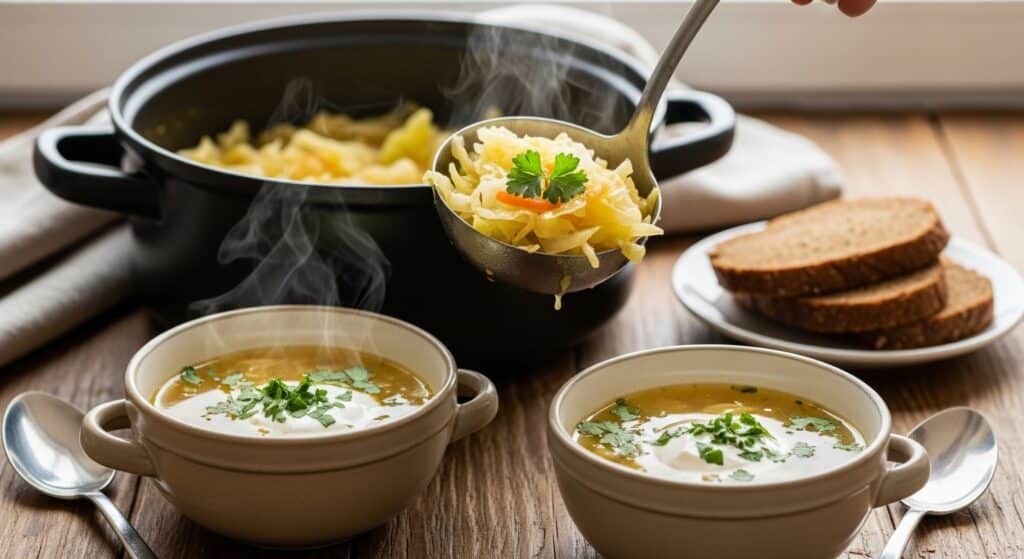
Ladle the soup into bowls and garnish with 2 tablespoons chopped fresh parsley. A dollop of sour cream is traditional and delicious, providing creaminess that balances the rustic, wholesome soup. Serve with rye bread or crusty bread for soaking up broth.
Pro Tips for Perfect Cabbage Soup
Chop Cabbage Roughly: Large, rough pieces give the soup pleasant texture and rustic character. Finely chopped cabbage becomes too soft and creates mushy consistency.
Use Uniform Vegetable Sizes: Evenly sized pieces cook at the same rate, resulting in uniform texture throughout.
Don’t Skip the Bay Leaf: This single leaf adds subtle depth that’s often unidentifiable but noticeably missed if omitted.
Dill Is Essential: The dill defines the character of this soup. Don’t omit it or substitute with other herbs.
Simmer Gently: Gentle simmering allows flavors to develop while maintaining vegetable structure. Aggressive boiling breaks down vegetables too much.
Make It Ahead: Cabbage soup tastes even better the next day as flavors integrate more fully. Make ahead for best flavor.
Not Sure What to Cook Today?
Open your fridge, pick a few ingredients… and turn them into a real recipe in seconds.
No guessing. No waste. Just simple, nostalgic meals.Taste Before Adding Vinegar: The vinegar is optional and should be adjusted to your preference. Add a little at a time.
Serve with Sour Cream: Traditional presentation includes a dollop of sour cream, which is not optional—it’s essential for authentic character.
Easy Variations to Try
With Meat: Brown ½ pound ground beef or kielbasa sausage separately and stir in at the end for heartier soup.
With Beans: Add 1 can white beans for additional protein and substance, making it more complete as a vegetarian main dish.
Spicier Version: Add ¼ teaspoon red pepper flakes for gentle heat that awakens the palate.
With Tomato Paste: Add 1 tablespoon tomato paste to the broth for deeper tomato flavor and darker color.
With Paprika: Add ½ teaspoon paprika for subtle smokiness and warmth.
Extra Herbaceous: Add fresh basil or additional dill for more pronounced herb flavor.
With Additional Vegetables: Add green beans, zucchini, or Brussels sprouts for variety, adjusting cooking times as different vegetables require different cooking periods.
Creamier Version: Stir in ½ cup heavy cream or sour cream at the end for richer, creamier texture.
Is Cabbage Soup Healthy
Cabbage soup is genuinely nutritious. Cabbage provides fiber, vitamin C, and various compounds believed to support digestive and overall health. Carrots and celery contribute vitamins and minerals. Potatoes provide carbohydrates and satiety. Tomatoes add lycopene and flavor. The broth-based preparation keeps calories and fat low while providing satisfying substance. This combination creates a soup that’s nutritious, filling, and low-calorie—exactly what makes it valuable for health-conscious eating.
How Long Does Cabbage Soup Last
Properly stored cabbage soup keeps in the refrigerator for up to 5 days in an airtight container. The flavors actually improve as it sits, making it excellent for meal planning. For longer storage, freeze for up to 3 months. Thaw overnight in the refrigerator and reheat gently on the stovetop, adding a splash of broth if the soup seems thick, as it will have absorbed liquid over time.
Can Cabbage Soup Be Frozen
Yes, freeze for up to 3 months. Cool completely, transfer to freezer containers or bags, and freeze. Thaw overnight in the refrigerator before reheating gently on the stovetop. The soup freezes beautifully and tastes nearly identical to fresh. Individual portions can be frozen for convenient grab-and-reheat meals.
Cabbage Soup Paired with Other Dishes
Cabbage soup is often served as a complete meal with bread on the side. Rye bread is traditional and authentic, though any hearty bread works well for soaking up broth. A dollop of sour cream is essential accompaniment. For additional meals, explore our collection of comfort food classics. Try potato soup recipe for another vegetable-based soup option, or browse our soups and stews collection for more soup options.
Frequently Asked Questions About Cabbage Soup
Is cabbage soup healthy?
Yes, genuinely nutritious. Cabbage provides fiber and vitamin C. Other vegetables contribute vitamins and minerals. Broth-based preparation keeps calories and fat low while maintaining satisfying substance. Nutritious, filling, and genuinely healthy.
How long does cabbage soup last?
Refrigerate for up to 5 days in airtight container. Flavors improve as it sits. Freeze for up to 3 months for longer storage.
Can cabbage soup be frozen?
Yes, freeze for up to 3 months. Cool completely before freezing. Thaw overnight and reheat gently on stovetop.
What vegetables go well in cabbage soup?
Carrots, celery, potato, and tomatoes are traditional. Green beans, zucchini, Brussels sprouts, or white beans work beautifully for variations.
How to make cabbage soup at home?
Sauté onion and garlic, add cabbage and vegetables, add broth and herbs, simmer 30-40 minutes until vegetables are tender, season with salt, pepper, and optional vinegar.
Cabbage soup for beginners?
Extremely easy with straightforward ingredient preparation and simple simmering. No special techniques required. Perfect introduction to homemade soup making.
Can I make it without cabbage?
Cabbage is essential to the dish’s character and identity. Don’t omit it or substitute—that becomes a different soup.
What if my soup tastes bland?
Ensure bay leaf and dill were added—these carry much of the flavor. Taste and adjust salt and pepper. Consider adding vinegar for brightness.
Is dill essential?
Yes, dill defines the Eastern European character and is important for authentic flavor. Don’t omit or substitute.
Can I use fresh garlic instead of minced?
Yes, use 4-5 cloves minced fresh garlic instead of 2 cloves. Fresh and minced produce slightly different results but both work.
Conclusion
This classic cabbage soup recipe delivers authentic comfort food that represents immigrant heritage and resourceful home cooking. The soup tastes genuinely nutritious and satisfying while being extremely economical and quick to prepare. Whether you’re seeking comfort food from America’s immigrant communities, wanting healthy soups that nourish without heaviness, or simply craving something warm and deeply satisfying, cabbage soup delivers perfect results every time. Ready to make it? Gather cabbage, vegetables, and simple pantry ingredients. In less than an hour, you’ll have a classic soup that tastes like tradition and home.
Not Sure What to Cook Today?
Open your fridge, pick a few ingredients… and turn them into a real recipe in seconds.
No guessing. No waste. Just simple, nostalgic meals.