Best Rump Roast Recipes: Tender, Slow-Cooked & Fall-Apart
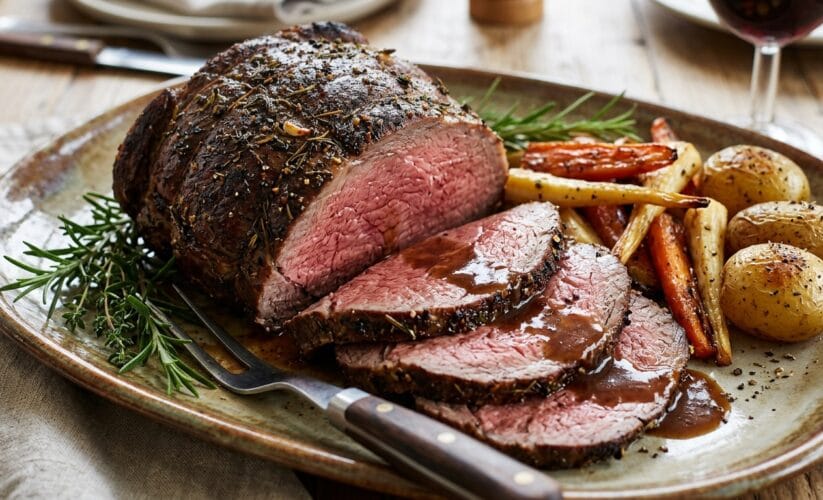
Best Rump Roast Recipes: Slow-Cooked, Tender & Fall-Apart Goodness
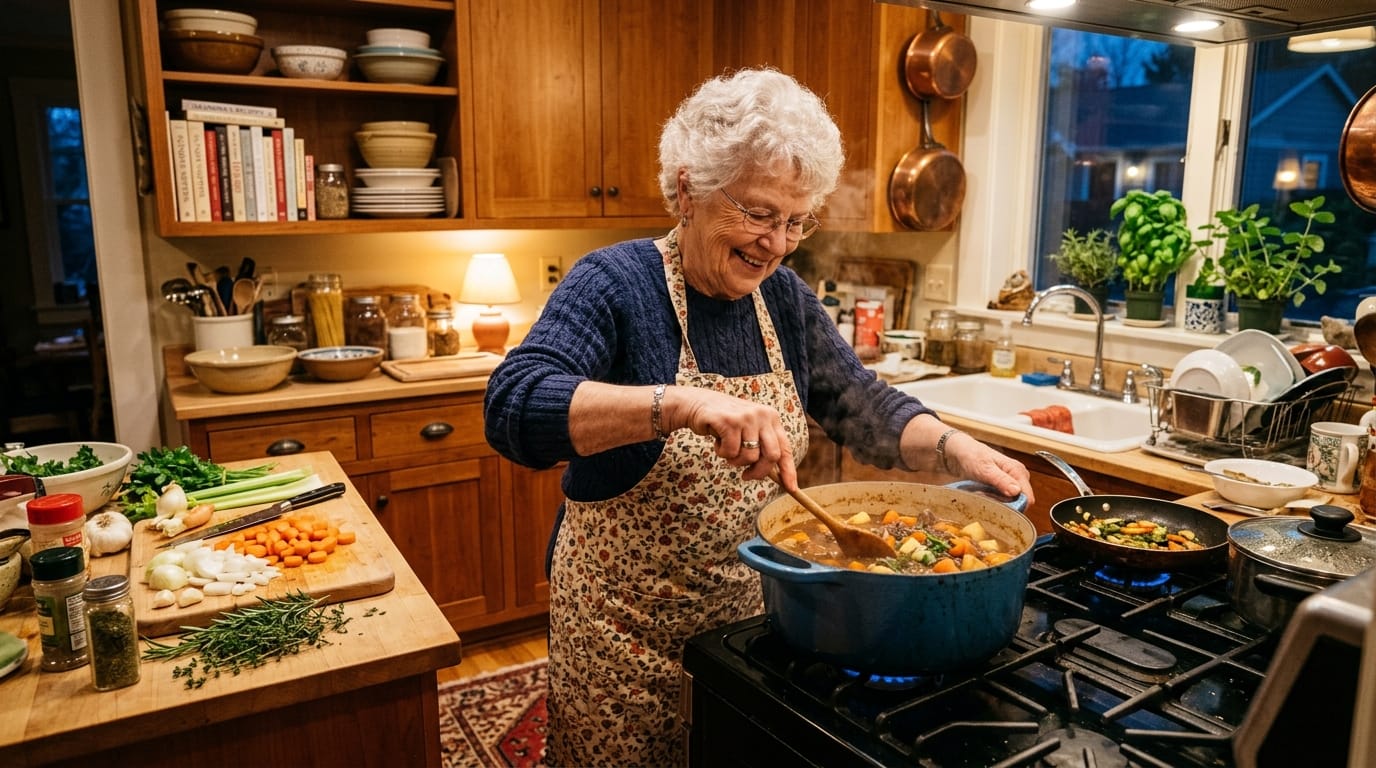
There is a reason rump roast recipes have anchored the American Sunday dinner table for well over a hundred years. A properly cooked rump roast recipes — low, slow, surrounded by root vegetables, swimming in rich savory juices — is one of the most satisfying meals a home kitchen can produce. It is the kind of dinner that fills the house with a smell that makes people wander into the kitchen asking what time it will be ready, and then come back twice for more.
The catch is that rump roast has a reputation. It is a lean, tough cut of beef taken from the rear leg of the animal, and if you cook it wrong — too fast, too hot, without enough liquid — it will be dry, chewy, and deeply disappointing. Cook it right, and the same piece of meat becomes something close to extraordinary: pull-apart tender, deeply flavored, and rich with the kind of beefy depth you simply cannot rush.
This guide covers the complete approach to rump roast recipes — what makes this cut different, how to choose the right piece at the butcher counter, three proven cooking methods with full instructions, and the best classic sides to build a proper Sunday dinner around it.
Not Sure What to Cook Today?
Open your fridge, pick a few ingredients… and turn them into a real recipe in seconds.
No guessing. No waste. Just simple, nostalgic meals.What Is a Rump Roast and Why Is It Worth Cooking?
A rump roast comes from the round primal — the upper rear leg of the cow. It sits between the more marbled chuck (shoulder) and the even leaner eye of round. Compared to a rump roast recipes, rump is leaner with less fat running through it, which means it does not become as unctuous during slow cooking. But what it lacks in marbling it makes up for in beef flavor. A rump roast has a rich, clean, genuine beef taste that holds up beautifully to long, low cooking with aromatics, broth, and root vegetables.
This is why rump roast recipes have always been central to old-fashioned American Sunday dinners. The cut is affordable, widely available, and when treated with patience and low heat, delivers a result that rivals far more expensive cuts. It is precisely the kind of practical, proud home cooking preserved across the Roasts & Slow-Cooked Meals collection at Nostalgic Eats — real food, honest ingredients, techniques that have worked for generations.
Choosing the Right Rump Roast at the Butcher
Before any rump roast recipe can succeed, it starts with the right piece of meat. Here is what to look for.
Size and Weight
Most rump roast recipes are written for a three to four pound rump roast recipes, which serves four to six people comfortably with enough for leftovers. If you are feeding a larger group or planning to use leftovers creatively through the week, a five to six pound roast handles exactly the same way — just add roughly 30 minutes of cooking time per pound.
Color and Marbling
Choose a rump roast recipes with a deep, burgundy-red color rather than pale pink, which signals freshness and proper aging. Even though rump roast is lean, look for thin threads of white fat running through the surface. A complete absence of fat means the meat may be too dry after long cooking.
Boneless Versus Bone-In
Most rump roast recipes call for boneless, which is easier to slice and fits better in standard slow cookers and baking dishes. Bone-in rump roast recipes exists and produces a slightly more flavorful braising liquid — if your butcher carries it, it is worth trying at least once.
The Most Important Step in Any Rump Roast Recipe: The Sear
Before the rump roast recipesgoes into the oven, slow cooker, or Dutch oven, it must be seared. This step is non-negotiable in the best rump roast recipes, and skipping it is the single biggest reason home cooks end up with a pale, underseasoned finished roast.
Season the rump roast aggressively on all sides with salt, black pepper, garlic powder, and dried thyme. Heat a heavy skillet — cast iron is ideal — over high heat until the oil is nearly smoking. Sear the roast for three to four minutes per side without moving it, until a deep, mahogany-brown crust forms on every surface including the ends.
This browning is the Maillard reaction, and it creates hundreds of flavor compounds that will leach into your braising liquid and season every bite of the finished roast. According to food science research summarized by Serious Eats, searing builds a flavor crust responsible for the dominant savory notes in slow-cooked beef dishes. The extra fifteen minutes it takes is the best investment in any rump roast recipe.
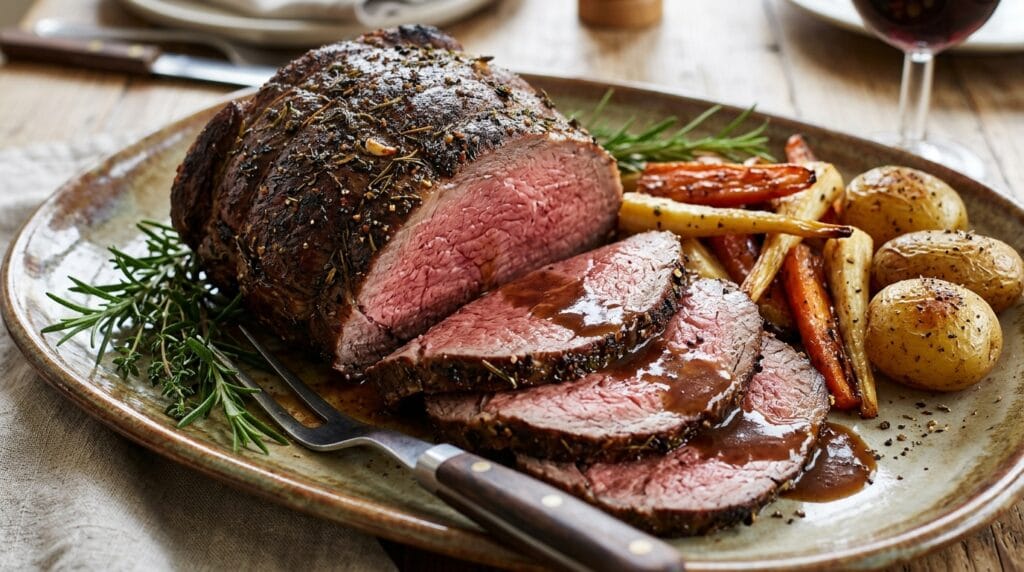
3 Best Rump Roast Recipes — Oven, Slow Cooker & Dutch Oven
Rump Roast Recipe 1: Classic Oven-Braised
This is the foundational rump roast recipe — the one that has appeared on recipe cards in American home kitchens since the early 1900s. Low heat, long time, plenty of liquid, and root vegetables that absorb the braising juices and become some of the best vegetables you will ever eat.
Ingredients:
- 3 to 4 lb boneless rump roast
- 2 tablespoons vegetable oil
- Salt, black pepper, garlic powder, dried thyme — for seasoning
- 1 large onion, cut into wedges
- 4 carrots, peeled and cut into 2-inch pieces
- 4 celery stalks, cut into 2-inch pieces
- 4 Yukon Gold potatoes, quartered
- 4 cloves garlic, smashed
- 2 cups beef broth
- 1 tablespoon Worcestershire sauce
- 1 tablespoon tomato paste
- 2 bay leaves
- 1 sprig fresh rosemary (or 1 teaspoon dried)
Method:
Preheat the oven to 325°F. Season the rump roast on all sides. Sear in a Dutch oven or oven-safe pot over high heat until browned on all surfaces. Remove and set aside.
In the same pot, cook the onion wedges for three minutes until softened. Add the garlic and cook thirty seconds. Stir in the tomato paste and cook one minute. Pour in the beef broth and Worcestershire sauce, scraping up all the browned bits from the bottom — these are flavor and must not be wasted. Return the roast to the pot, nestle the carrots, celery, and potatoes around it, and tuck in the bay leaves and rosemary.
Cover tightly and transfer to the oven. Roast for three to three and a half hours — approximately one hour per pound — until a fork inserted in the thickest part meets almost no resistance. Rest uncovered for twenty minutes before slicing against the grain. Spoon the braising liquid over every serving.
Rump Roast Recipe 2: Slow Cooker Set-and-Forget Method
For busy families and weeknight prep, the slow cooker rump roast recipe is a genuinely perfect cooking method. You sear the roast in the morning, load the slow cooker, and return in the evening to a house that smells extraordinary and a dinner that requires nothing but serving.
Ingredients:
- 3 to 4 lb boneless rump roast recipes (seared as described above)
- 1 packet dry onion soup mix
- 1.5 cups beef broth
- 1 can cream of mushroom soup
- 1 lb baby carrots
- 1 lb baby potatoes
- 1 large onion, sliced
- 3 cloves garlic, minced
- 1 tablespoon soy sauce
- Salt and pepper to taste
Method:
Place sliced onion and garlic in the bottom of the slow cooker. Set the seared rump roast recipes on top. Mix the beef broth, cream of mushroom soup, soy sauce, and onion soup mix together and pour over the roast. Arrange the baby carrots and potatoes around the sides.
Cook on LOW for eight to ten hours or on HIGH for five to six hours. The longer and lower method always produces a more tender result. The roast is ready when it shreds easily with two forks. Serve with the accumulated juices spooned generously over the meat and vegetables.
This method pairs exceptionally well with a side of classic white bread for soaking up the savory cooking liquid — one of the best pairings in traditional American Sunday dinner cooking. For a complete old-fashioned spread, add buttered peas and carrots alongside the rump roast recipes for a proper vegetable side.
Rump Roast Recipe 3: Red Wine Dutch Oven Braise
For special occasions and holiday dinners, this is the rump roast recipe that turns a budget cut into something genuinely elegant. Red wine deepens the braising liquid into something complex and almost sauce-like, and the vegetables become silky and rich after hours of slow cooking.
Ingredients:
- 4 to 5 lb boneless rump roast
- 2 tablespoons olive oil
- 1 cup dry red wine (Cabernet Sauvignon or Merlot)
- 2 cups beef broth
- 1 can diced tomatoes
- 1 large onion, roughly chopped
- 3 large carrots, cut into chunks
- 3 celery stalks, cut into chunks
- 5 cloves garlic, smashed
- 2 tablespoons tomato paste
- 2 sprigs fresh thyme
- 2 bay leaves
- Salt, pepper, and smoked paprika
Method:
Preheat the oven to 300°F. Season and sear the rump roast until deeply browned on all sides. Remove. Sauté the onion, carrots, and celery in the same Dutch oven for five minutes. Add the garlic and tomato paste and cook two minutes. Pour in the red wine and let it reduce by half, which concentrates the flavor and burns off the raw alcohol edge. Add the beef broth and canned tomatoes, return the roast, nestle in the herbs, and cover tightly.
Braise in the oven for four to five hours at 300°F, checking liquid levels at the two-hour mark and adding a splash more broth if needed. The result is a roast that slices or shreds depending on how long it cooked, surrounded by a deeply flavored braising liquid rich enough to serve as a sauce without any thickening needed.
This is the kind of slow-cooked Sunday dinner that defined the Sunday Dinners tradition across American families from the 1920s through the 1960s — the meal that everyone came home for.
Not Sure What to Cook Today?
Open your fridge, pick a few ingredients… and turn them into a real recipe in seconds.
No guessing. No waste. Just simple, nostalgic meals.Making Rump Roast Gravy From the Braising Liquid
Every great rump roast recipe produces a cooking liquid so flavorful it would be criminal to discard. After the roast is rested and plated, strain the braising liquid into a saucepan and bring it to a boil. Make a simple slurry of two tablespoons cornstarch and two tablespoons cold water, whisk it into the simmering liquid, and cook for two to three minutes until the gravy thickens. Taste and adjust salt.
This gravy poured over the sliced roast and its vegetables is what elevates a rump roast recipe from a good dinner to a great one. It is also what disappears fastest when you serve it.
What to Serve With Rump Roast Recipes
A rump roast is a generous centerpiece that deserves sides worthy of it. These pairings build a complete, deeply satisfying old-fashioned dinner:
Classic Sides:
- Buttered peas and carrots — tender, simple, the perfect clean vegetable alongside rich braised beef
- Cheesy potato casserole — a bubbling, golden potato bake that matches the richness of the roast
- Classic white bread — homemade, soft, and essential for mopping up the gravy
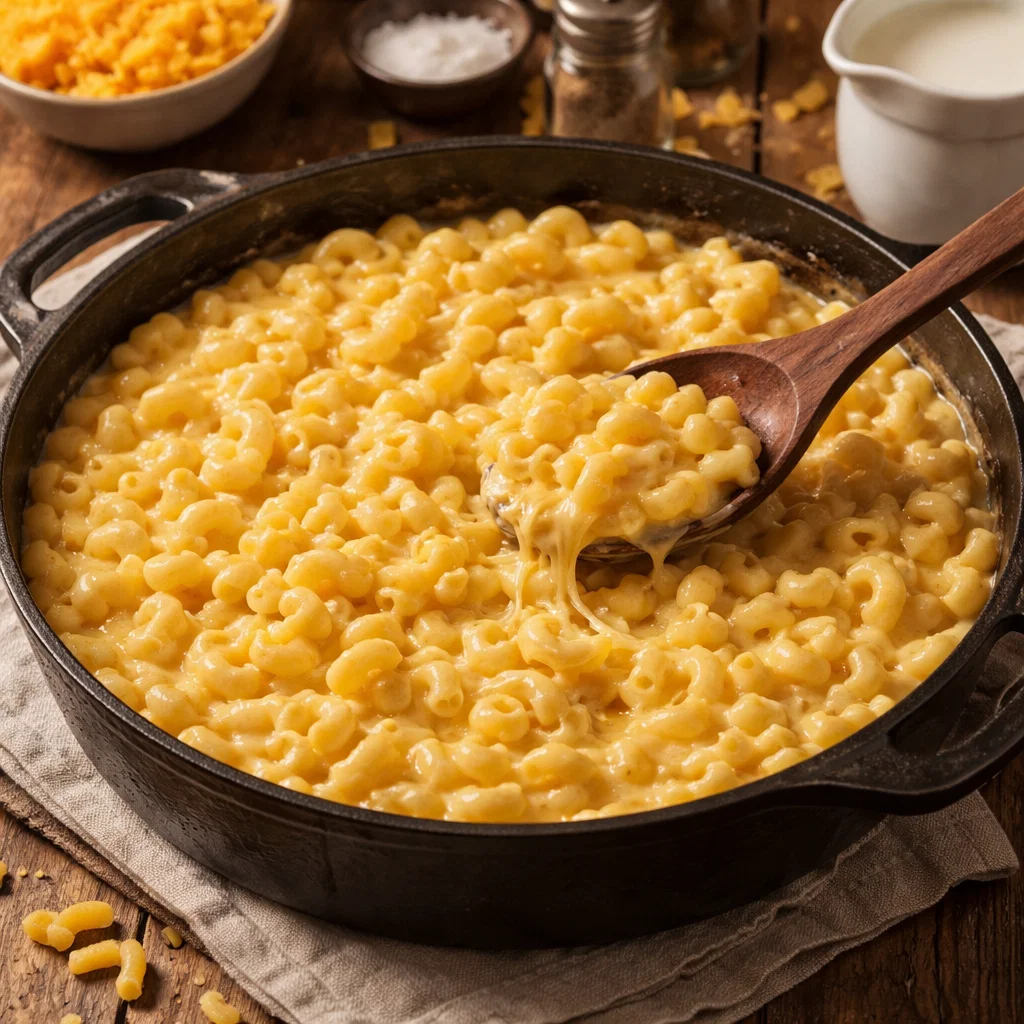
- Old-fashioned skillet mac and cheese — a beloved American classic that rounds out a feast-style Sunday table
For a complete potluck or family gathering spread, the Potluck & Covered Dish Favorites collection at Nostalgic Eats has every tested side dish you need to build out the full spread around a rump roast centerpiece.
What to Do With Leftover Rump Roast
Leftover rump roast — and there will be leftovers — is one of the great gifts in home cooking. Cold leftover rump roast shreds or slices easily and transforms into entirely different meals throughout the week.
Leftover Ideas:
- Shred it into beef sandwiches on toasted homemade white bread with horseradish and pickles
- Add it to the Soups & Stews collection — leftover braised beef dropped into a vegetable broth with root vegetables and barley makes a profoundly good weeknight soup
- Use it as the protein base for a classic Midwest hotdish casserole — one of the most practical and delicious uses of leftover beef in American home cooking
- Chop and add to the homemade stovetop chili con carne recipe in place of ground beef for a richer, meatier result
Expert Tips for Perfect Rump Roast Recipes Every Time
Never Rush It
Rump roast is a lean cut with significant connective tissue. At high temperatures it becomes tough and dry. At 300–325°F in the oven or on LOW in the slow cooker, those tough fibers slowly convert to gelatin, which is what produces the silky, pull-apart tenderness every good rump roast recipe promises.
Season the Day Before
For the best flavor penetration, season the rump roast with salt and pepper the night before and refrigerate it uncovered. The salt draws moisture to the surface which is then reabsorbed into the meat, seasoning it all the way through rather than just at the surface.
Rest Before Slicing
Always rest the roast for at least fifteen to twenty minutes after pulling it from the oven or slow cooker. Cutting too early releases the juices onto the cutting board rather than keeping them in the meat.
Slice Against the Grain
Rump roast has a clearly visible grain running lengthwise. Slicing across that grain — perpendicular to the muscle fibers — shortens the fibers and produces slices that are tender to chew. Slicing with the grain produces slices that feel tough even from a properly cooked roast.
Use the Slow Cooker for Busy Weekdays
If you are looking to discover more classics that work beautifully in the slow cooker method, the Recipe Maker from Ingredients tool on Nostalgic Eats lets you enter what you have — beef, root vegetables, broth, pantry seasonings — and surfaces matching classic recipes from the full tested collection.
Frequently Asked Questions
What is the difference between a rump roast and a chuck roast?
Chuck roast comes from the shoulder and has significantly more intramuscular fat (marbling), which makes it more forgiving and naturally rich. Rump roast is leaner with a stronger, cleaner beef flavor. Chuck is more likely to become fall-apart tender on its own; rump roast needs careful attention to temperature and cooking time to achieve the same tenderness.
How long do rump roast recipes take in the slow cooker?
A three to four pound rump roast needs eight to ten hours on LOW or five to six hours on HIGH. LOW is always preferable — the extra time allows the connective tissue to convert fully to gelatin, producing a more tender and moist result.
What temperature should a rump roast reach internally?
For fork-tender braised rump roast, internal temperature should reach at least 190–205°F. At these temperatures, the collagen has fully converted to gelatin and the meat will be tender enough to shred. At the standard safe temperature of 145°F, rump roast will still be quite tough and chewy.
Can I make rump roast recipes without wine?
Absolutely. Replace red wine with additional beef broth, a tablespoon of balsamic vinegar, or a tablespoon of Worcestershire sauce plus a splash of apple juice. All three provide acidity and depth without alcohol.
Can rump roast be sliced like a traditional roast or only shredded?
Both. If you cook a rump roast to an internal temperature of 155–165°F it can be sliced into neat portions. If you cook it to 190°F and above it will shred. Both are delicious — the sliced version has a firmer texture and cleaner presentation, the shredded version is more casual and deeply tender.
Are there budget rump roast recipes that still taste great?
Yes — rump roast is inherently a budget-friendly cut, and all three recipes in this guide are built for economical, pantry-friendly home cooking. For more ideas on stretching affordable cuts into satisfying meals, the 60 cheap poor man’s suppers collection at Nostalgic Eats is the most comprehensive reference for honest, budget-conscious American cooking.
Conclusion
Rump roast recipes represent some of the most honest, satisfying cooking in the American home kitchen tradition. The cut is inexpensive and widely available. The methods are straightforward once understood. The result — low and slow, properly seared, surrounded by vegetables, finished with a proper homemade gravy — is a dinner that earns its place on the table every single time.
Choose your method — oven, slow cooker, or Dutch oven — season generously, sear without fail, and give it the time it needs. Everything else follows naturally.
For more tested, classic American recipes built on the same principles of patient, honest home cooking, explore the full Roasts & Slow-Cooked Meals collection at Nostalgic Eats, and the broader Sunday Dinners archive for every classic that belongs on a proper American table. Use the free recipe maker tool to find a recipe using whatever you have in your kitchen tonight.
Not Sure What to Cook Today?
Open your fridge, pick a few ingredients… and turn them into a real recipe in seconds.
No guessing. No waste. Just simple, nostalgic meals.