Best Mexican Casserole Recipe: Cheesy, Bold & Done in 45 Min
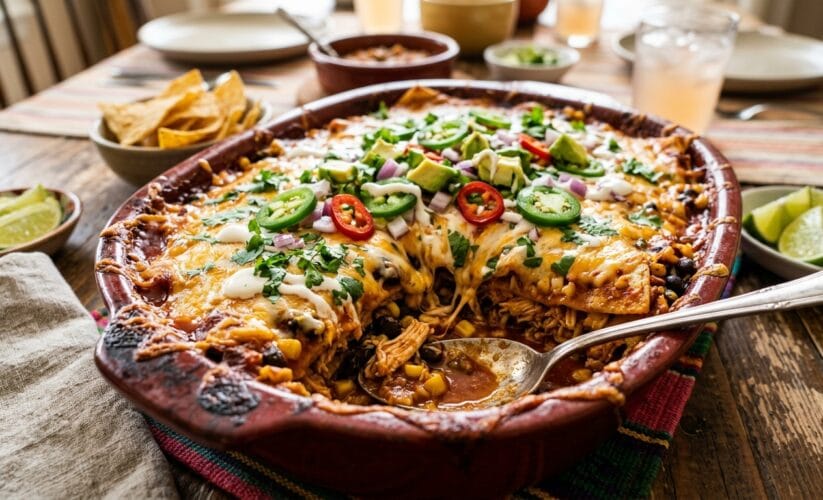
Best Mexican Casserole Recipe: Cheesy, Bold & Ready in 45 Minute
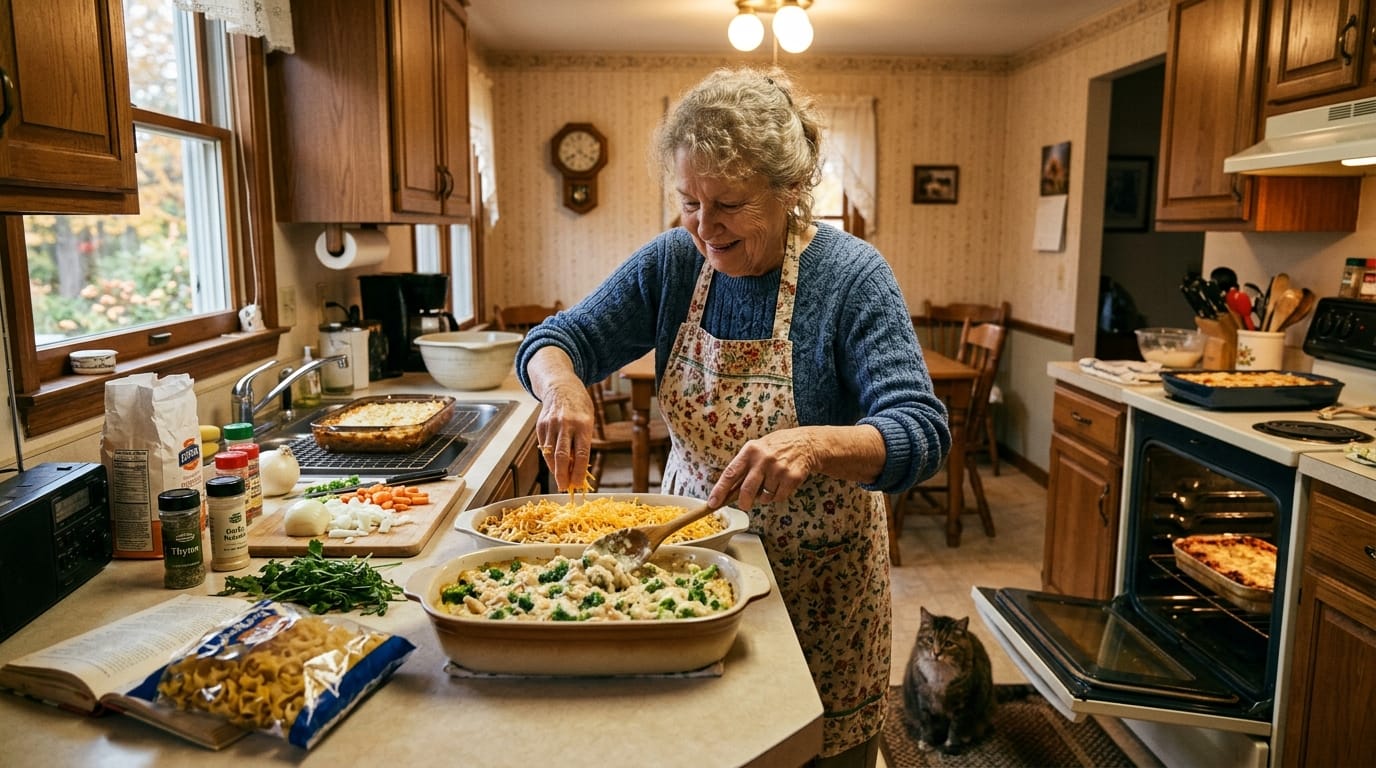
There is a very specific kind of weeknight dinner that earns a permanent spot in the family rotation. It is the one that takes under an hour to make, produces enough to feed everyone twice, reheats beautifully the next day, and receives genuine applause at the table rather than polite approval. A well-made Mexican casserole is exactly that dinner.
This guide gives you everything you need: a complete, tested Mexican casserole recipe with step-by-step instructions, the exact ingredients and layering method that produces the best result, four popular variations for different tastes and diets, and honest tips for making it ahead, freezing it, and serving it like a proper Tex-Mex spread. Whether you are feeding a family of four on a Tuesday night or bringing a dish to a potluck, this Mexican casserole will not let you down.
Not Sure What to Cook Today?
Open your fridge, pick a few ingredients… and turn them into a real recipe in seconds.
No guessing. No waste. Just simple, nostalgic meals.What Makes a Great Mexican Casserole?
A Mexican casserole is not simply taco ingredients thrown into a baking dish. The best version has a structure — a carefully layered construction of tortillas, seasoned protein, sauce, beans, and cheese that bakes into something greater than the sum of its parts. Each layer serves a purpose.
The tortillas absorb the enchilada sauce and soften into something almost pasta-like — tender, flavorful, and substantial. The seasoned meat and beans provide hearty protein and savory depth. The enchilada sauce is the flavoring backbone that ties every component together. And the cheese — baked until bubbling and golden at the edges — is what transforms the whole dish from a casserole into something people fight over the last serving of.
The best Mexican casserole recipes have their roots in Tex-Mex cooking, which developed along the Texas-Mexico border in the late nineteenth and early twentieth centuries. Tex-Mex cuisine adapted traditional Mexican techniques and ingredients for the American pantry — canned enchilada sauce, ground beef instead of slow-cooked meats, shredded cheddar instead of fresh cotija — producing a distinct comfort food tradition that became one of the most beloved regional American cuisines. Understanding this tradition is what separates a good Mexican casserole from a great one.
Ingredients for the Classic Beef Mexican Casserole
This is the core Mexican casserole recipe — bold, cheesy, and built entirely from ingredients available at any grocery store. Every component can be adjusted based on what you have, but this combination produces the most reliable and satisfying result.
For the Filling:
- 1.5 lbs lean ground beef
- 1 medium white onion, finely diced
- 3 cloves garlic, minced
- 1 packet taco seasoning (or 2 tablespoons homemade blend)
- 1/4 cup water
- 1 can (15 oz) black beans, drained and rinsed
- 1 can (15 oz) corn, drained (or 1 cup frozen corn)
- 1 can (10 oz) diced tomatoes with green chiles, undrained
For the Layers:
- 12 corn tortillas (6-inch), or 8 flour tortillas (8-inch)
- 1 can (28 oz) red enchilada sauce, divided
- 1 can (15 oz) refried beans
- 2.5 cups shredded cheese — Mexican blend, cheddar, or Colby Jack
Optional Toppings After Baking:
- Sour cream
- Sliced avocado or guacamole
- Fresh cilantro
- Pickled jalapeños
- Diced white onion
- Pico de gallo or fresh salsa
How to Make Mexican Casserole: Step-by-Step
Step 1 — Preheat and Prepare
Preheat your oven to 375°F. Lightly grease a 9×13 inch baking dish with cooking spray or a thin coat of oil. Set aside. Having the dish ready before you start cooking prevents the meat from sitting and overcooking while you scramble for the dish.
Step 2 — Brown the Beef
Heat a large skillet over medium-high heat. Add the ground beef and diced onion together — cooking them simultaneously saves time and allows the onion to soften in the beef fat, which builds flavor. Break the meat up as it cooks. Once no pink remains, drain the excess fat. Return the skillet to the heat, add the garlic, and stir for thirty seconds until fragrant. Add the taco seasoning and water, stir well, and simmer for five minutes until the liquid mostly evaporates and the seasoning coats the meat evenly.
Remove from heat. Stir in the black beans, corn, and diced tomatoes with their liquid. This is your filling — taste it and adjust seasoning. It should be boldly seasoned because the tortillas and cheese will dilute the flavor slightly as everything bakes.
Step 3 — Build the First Layer
Pour approximately one-third of the enchilada sauce into the bottom of your prepared baking dish and spread it evenly. This bottom layer of sauce prevents the tortillas from sticking and starts infusing them with flavor immediately.
Spread the refried beans thinly across six of the corn tortillas (or half your flour tortillas), then arrange them bean-side up over the sauce. Overlap them as needed to cover the bottom of the dish — tearing them to fit the corners is completely fine and has no effect on the finished dish.
Not Sure What to Cook Today?
Open your fridge, pick a few ingredients… and turn them into a real recipe in seconds.
No guessing. No waste. Just simple, nostalgic meals.Step 4 — Layer the Filling and Cheese
Spoon half of the beef filling evenly over the tortilla layer. Pour another third of the enchilada sauce over the filling and spread it gently. Sprinkle about three-quarters of a cup of shredded cheese across the surface. This middle layer of cheese creates a melted, savory seam between the two main layers.
Step 5 — Build the Second Layer
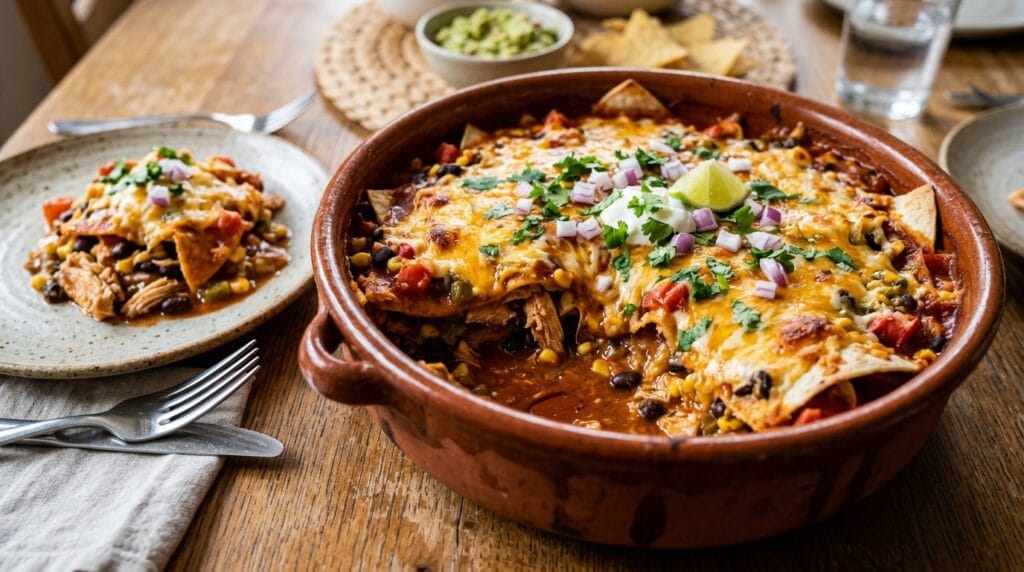
Repeat the process with the remaining tortillas (again spread with refried beans), the remaining beef filling, and the rest of the enchilada sauce. Finish with a generous, even layer of shredded cheese across the entire top. Do not be shy with the cheese — the golden, slightly crisp top layer of melted cheese is one of the defining pleasures of a properly made Mexican casserole.
Step 6 — Bake
Cover the dish tightly with aluminum foil and bake for 25 minutes. Remove the foil and return to the oven for an additional 10 to 15 minutes, until the cheese is fully melted, bubbling at the edges, and beginning to turn golden in spots. The uncovered time is important — it caramelizes the top layer of cheese and gives the casserole its characteristic golden crust.
Step 7 — Rest and Serve
Remove from the oven and let the Mexican casserole rest for 10 to 15 minutes before cutting and serving. This resting time is not optional — it allows the layers to set so the casserole holds its shape when served, rather than sliding apart. Set out your toppings during this time.
4 Mexican Casserole Variations Worth Making
Chicken Mexican Casserole
Substitute the ground beef with three cups of shredded rotisserie chicken or poached chicken breast. Use green enchilada sauce instead of red for a lighter, slightly tangy flavor profile. Add a layer of cream cheese or pepper jack for richness. The chicken version is faster to assemble — since the chicken is already cooked — and produces a slightly lighter, creamier result that many people prefer.
Vegetarian Mexican Casserole
Skip the ground beef entirely and double the black beans. Add one diced bell pepper (any color), one diced zucchini, and a cup of diced mushrooms, all lightly sautéed in olive oil before layering. The combination of refried beans, black beans, and roasted vegetables provides enough substance and protein that most people do not miss the meat at all. This is a genuinely satisfying Mexican casserole for a meat-free table.
Slow Cooker Mexican Casserole
Layer all components in a greased slow cooker — sauce, tortillas, filling, cheese — and cook on low for four to five hours or on high for two to three hours. The slow cooker method produces a softer, moister Mexican casserole without the browned cheese top, but it requires essentially no active cooking time and is ideal for meal prep days. Use this version when you want dinner ready without turning on the oven.
Doritos Mexican Casserole
Replace the tortillas entirely with a generous layer of crushed nacho-flavored Doritos at the base and another layer in the middle. The chips soften slightly during baking but retain enough texture to add a satisfying crunch and a bold, salty chip flavor that has made this variation a beloved potluck staple across the American South and Midwest. Finish the top with fresh crushed Doritos after baking for maximum texture contrast.
For more one-dish crowd-pleasing dinner ideas in this tradition, the BBQ meatballs slow cooker recipe on Nostalgic Eats is another effortless, deeply satisfying option for feeding a group. And if you are building out a full Tex-Mex spread, a batch of cheesy potato casserole makes a perfect hearty side dish alongside this Mexican casserole.
Make Ahead, Storage, and Freezing Guide
Making It Ahead
A Mexican casserole is an excellent make-ahead dish. Assemble the entire casserole up through the final cheese layer, cover tightly with plastic wrap, and refrigerate for up to 48 hours before baking. When ready to cook, remove from the refrigerator 30 minutes before baking to allow it to come toward room temperature, then bake as directed. Cold casseroles going straight from the fridge to the oven tend to cook unevenly.
Storing Leftovers
Leftover Mexican casserole stores well in an airtight container in the refrigerator for up to four days. Many people find that the flavors improve overnight as the tortillas absorb more of the enchilada sauce and the layers meld together more fully. Reheat individual portions in the microwave for two to three minutes, or the entire dish covered with foil in a 325°F oven for 20 minutes.
Freezing
Mexican casserole freezes well either baked or unbaked. For unbaked: assemble completely, wrap tightly in two layers of plastic wrap and one layer of aluminum foil, and freeze for up to three months. Thaw overnight in the refrigerator, then bake as directed. For baked: cool completely, portion into airtight freezer containers, and freeze for up to two months. Thaw and reheat in the microwave or oven.
What to Serve With Mexican Casserole
A properly made Mexican casserole is a complete meal in itself — protein, starch, and fat all present in satisfying quantities. But pairing it with a few simple sides turns it into a proper Tex-Mex spread worth gathering around.
Classic sides that work well:
- Mexican rice or cilantro-lime rice
- Refried beans (already in the casserole, but extra on the side never hurts)
- Simple green salad with lime vinaigrette
- Warm flour tortillas for scooping
- Sliced avocado or a simple guacamole
- Store-bought or homemade salsa and tortilla chips
For a complete old-fashioned comfort dinner night, the full recipe collection at Nostalgic Eats offers tested, classic American sides that pair beautifully with bold Tex-Mex main dishes. You can also use the free recipe generator tool to find complementary dishes based on whatever ingredients you have left after making this casserole — particularly useful for using up leftover cheese, beans, or tortillas.
Expert Tips for the Best Mexican Casserole Every Time
Season Your Meat Boldly
The beef mixture will taste almost aggressively seasoned before baking. This is correct. Tortillas, beans, and cheese all dilute flavor as the casserole bakes and rests. Under-seasoned meat produces a flat-tasting finished dish.
Use Freshly Shredded Cheese
Pre-shredded bagged cheese contains anti-caking agents that prevent it from melting as smoothly as block cheese you shred yourself. For the best melted, golden top layer, buy a block of Colby Jack, sharp cheddar, or Mexican blend and shred it fresh. According to food science experts at Serious Eats, freshly grated cheese melts significantly more evenly than pre-shredded.
Do Not Skip the Rest Time
Cutting into a Mexican casserole immediately out of the oven produces a soupy, sliding mess. Ten to fifteen minutes of resting allows the layers to set and the sauce to thicken enough to hold a clean cut.
Taste Your Enchilada Sauce
Not all canned enchilada sauces are equal in quality and saltiness. Taste it before using and if it tastes flat or thin, stir in a pinch of cumin, garlic powder, and dried oregano to deepen it. If you have the time, homemade red enchilada sauce takes about twenty minutes and produces noticeably better results — The Modern Proper’s enchilada sauce recipe is a trusted reference for the homemade version.
Layer Strategically
Always sauce the bottom first, refried beans go on the tortillas (not loose in the dish), and cheese goes between layers as well as on top. These structural choices are what produce a Mexican casserole with clean, distinct layers rather than a jumbled mix.
Frequently Asked Questions
Can I use flour tortillas instead of corn tortillas in Mexican casserole?
Yes. Flour tortillas produce a softer, more doughy texture that many people prefer. Corn tortillas produce a firmer layer with a more authentic Tex-Mex flavor. Both work well — the choice depends entirely on personal preference.
How do I prevent my Mexican casserole from being watery?
The most common cause of a watery Mexican casserole is using undrained canned tomatoes or corn. Always drain canned vegetables thoroughly. Also make sure the beef filling is cooked until the water from the taco seasoning has fully evaporated before layering.
Can I make Mexican casserole without enchilada sauce?
Yes. If you do not have enchilada sauce, substitute with a mixture of one cup of salsa and one cup of chicken broth, or use canned crushed tomatoes seasoned with chili powder, cumin, garlic powder, and a pinch of oregano. The result will be slightly different but still very good.
How many people does a 9×13 Mexican casserole serve?
A standard 9×13 inch Mexican casserole serves six to eight people as a main dish. For larger gatherings, the recipe doubles well into two separate pans.
Can I use rotisserie chicken instead of ground beef?
Absolutely. Three cups of shredded rotisserie chicken is one of the best substitutions in this recipe — faster, slightly lighter, and equally delicious with both red and green enchilada sauce.
Is Mexican casserole good for meal prep?
Mexican casserole is one of the best meal prep options in the Tex-Mex repertoire. It holds well in the refrigerator for four days, reheats without losing quality, and often tastes better on day two after the layers have had time to meld.
Not Sure What to Cook Today?
Open your fridge, pick a few ingredients… and turn them into a real recipe in seconds.
No guessing. No waste. Just simple, nostalgic meals.Conclusion
A well-built Mexican casserole is the kind of recipe that solves the weeknight dinner problem permanently. It is bold, hearty, flexible with ingredients, easy to prepare ahead, and genuinely crowd-pleasing in a way that few other dishes reliably manage. The layered structure — sauce, tortillas, seasoned beef, beans, and plenty of melted cheese — produces something more satisfying than any of its individual components.
Follow the step-by-step method in this guide, season generously, let it rest before cutting, and serve it with your choice of fresh toppings. This Mexican casserole will be on your table again before the week is out.
For more classic, one-dish comfort food recipes that come together with the same honest simplicity, explore the full tested collection at Nostalgic Eats — and use the free recipe maker tool to find your next family dinner based on exactly what is already in your kitchen.