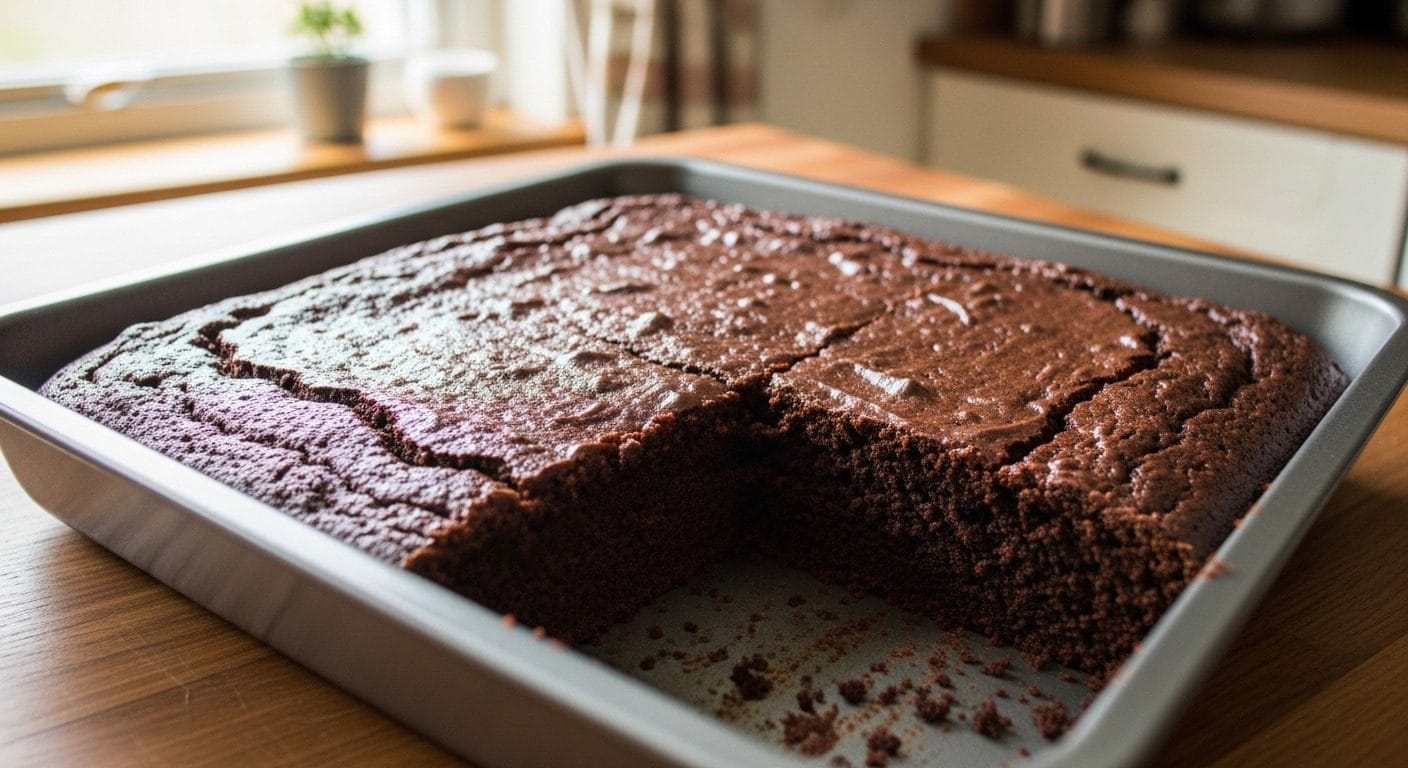
Prune Cake Recipe – Classic Vintage Spiced Cake
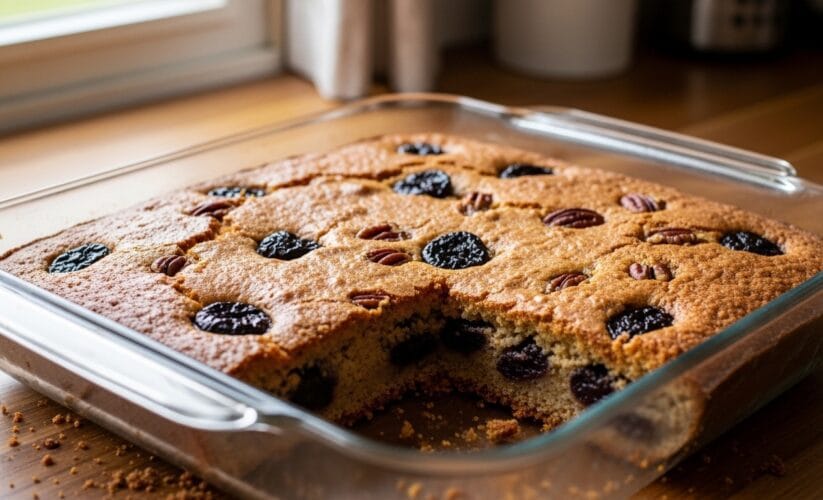
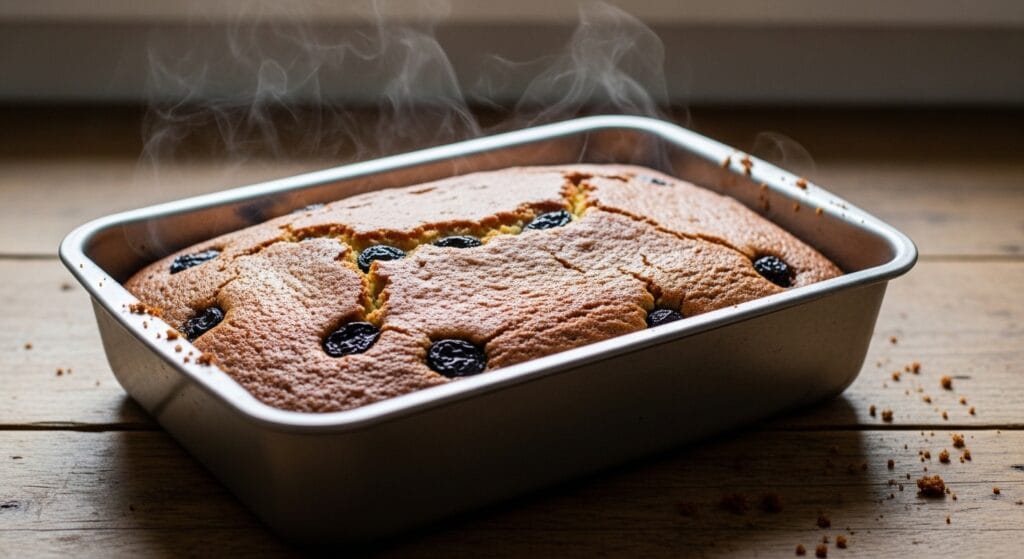
This moist, spiced cake became a treasured recipe during the 1950s when homemakers discovered that prunes added natural sweetness and incredible moisture to their baking. The dark, tender crumb was studded with bits of soft fruit, and the warm spices—cinnamon, nutmeg, and cloves—filled the house with an irresistible aroma. Prune cake represents a specific moment in American culinary history when home bakers celebrated the versatility of humble ingredients. The cake’s tendency to improve with age made it perfect for make-ahead entertaining. Whether you’re exploring vintage baking traditions, seeking moist cakes, or simply wanting something warm and spiced, this classic prune cake delivers perfect results every single time.
Prune Cake: Quick Reference
Ingredients You’ll Need
Main Ingredients:
- 1½ cups all-purpose flour
- 1 teaspoon baking soda
- 1 teaspoon ground cinnamon
- ½ teaspoon ground nutmeg
- ½ teaspoon ground cloves
- ½ teaspoon salt
- 1 cup sugar
- ¾ cup vegetable oil
- 3 eggs
- 1 cup buttermilk
- 1 teaspoon vanilla extract
- 1 cup cooked prunes, chopped
- ½ cup chopped pecans or walnuts (optional)
Optional Additions:
- Powdered sugar for dusting
- Cream cheese frosting for topping
- ¼ teaspoon allspice
- 1 tablespoon prune juice or water
Understanding Prune Cake: History and Heritage
Prune cake emerged from practical American home cooking when bakers discovered that prunes—dried plums—offered remarkable benefits for cake baking. Prunes provide natural sweetness, moisture, and tender crumb structure that improved baked goods significantly. The fruit’s deep color created cakes with appealing dark crumb. The warm spices traditionally paired with prunes created distinctive flavor profile.
The cake gained particular prominence during the 1950s, when convenience and reliability were valued in home baking. Prune cake could be prepared ahead, actually improved with age as flavors integrated, and transported easily to gatherings. The recipe appeared in community cookbooks, women’s magazines, and recipe collections throughout the mid-twentieth century.
Prune cake also represented economic practicality—dried prunes were inexpensive compared to fresh fruit or other cake ingredients, yet produced genuinely delicious results. The cake stretched expensive ingredients like butter by using oil instead, while prunes provided moisture and richness. This combination of economy and genuine deliciousness explains the cake’s popularity and endurance.
What Makes This Prune Cake Special
The genius lies in how prunes add multiple benefits simultaneously. They provide natural sweetness so less refined sugar is needed. They add moisture through their water content, creating exceptionally tender, moist crumb. The fruit’s deep color creates visually appealing dark cake. The slight tang of prunes complements warm spices beautifully.
The warm spices—cinnamon, nutmeg, and cloves—are essential to prune cake’s character. These spices have traditional affinity with dried fruit and create flavor profile that’s comforting and familiar. The combination is warm, welcoming, and evokes autumn and celebration.
The use of buttermilk and baking soda creates chemical reaction that tenderizes the cake further. The oil instead of butter creates moist crumb that doesn’t dry out quickly. The result is cake that stays tender and moist for days, improving as flavors integrate.
How to Make Prune Cake
Step 1: Prepare Prunes
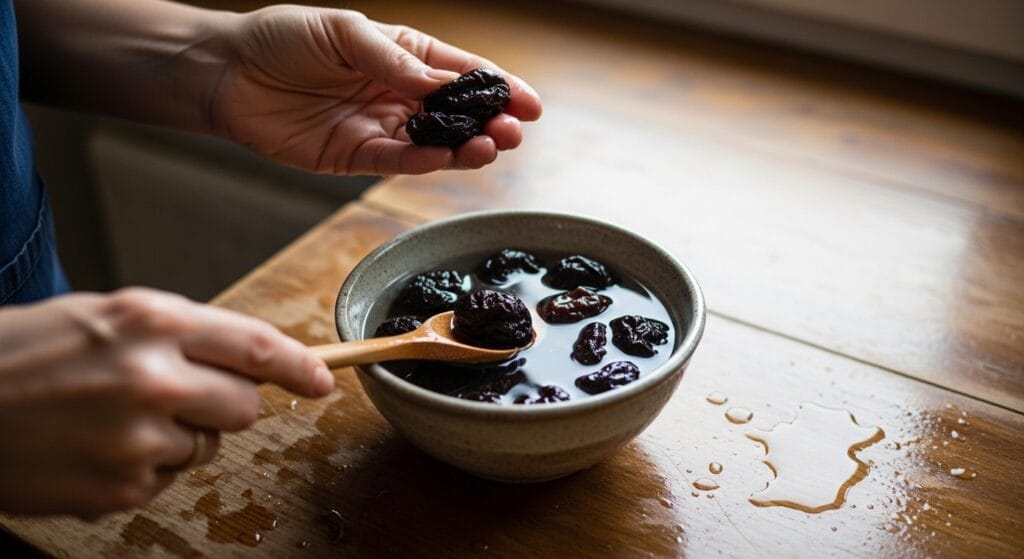
If starting with dried prunes, soak 1 cup dried prunes in warm water for 10 minutes to plump them and make them easier to chop. If using prunes that are already soft, simply chop. After soaking, drain and chop into bite-sized pieces. You should have approximately 1 cup of chopped prunes.
Step 2: Preheat and Prepare
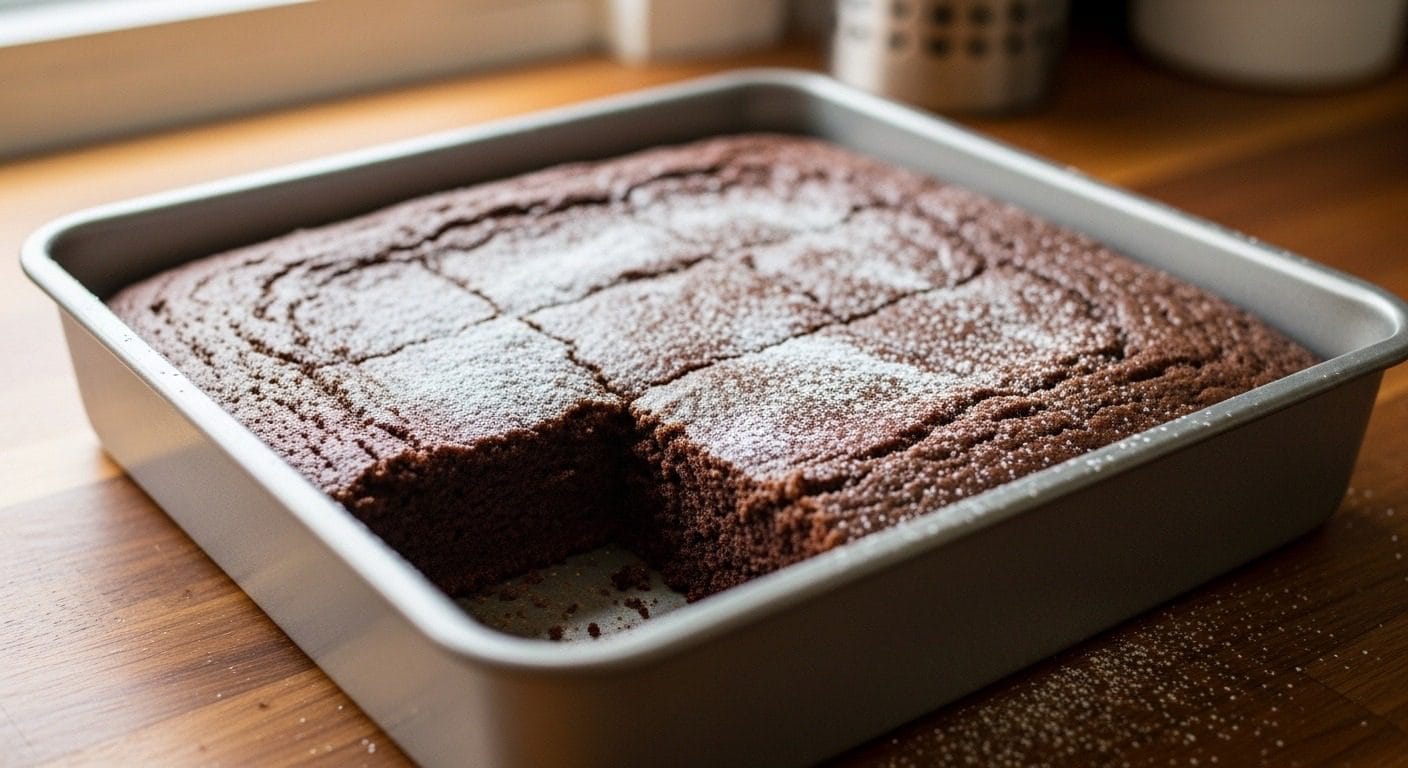
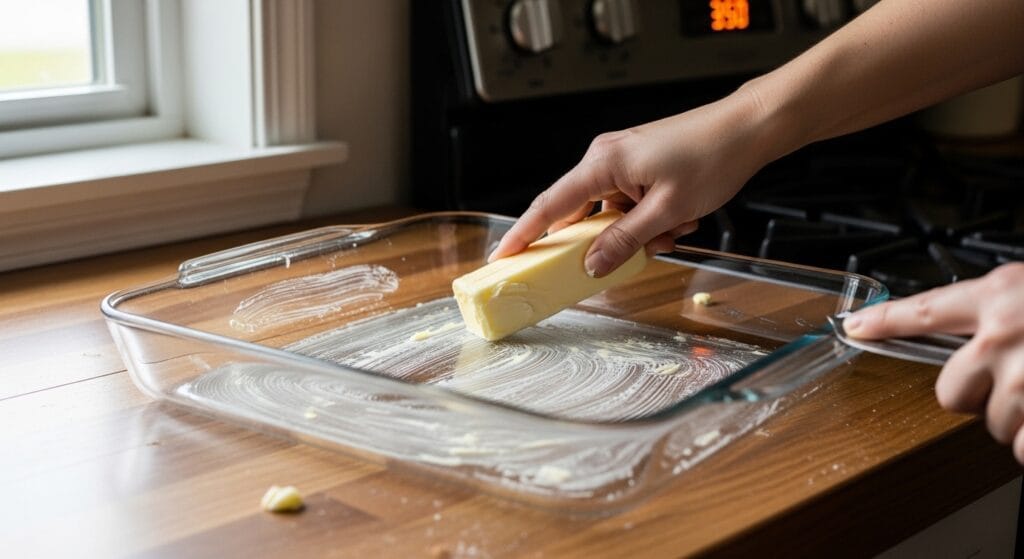
Preheat your oven to 350°F (175°C). Grease a 9×13-inch baking pan thoroughly with butter or cooking spray. Set aside.
Step 3: Combine Dry Ingredients
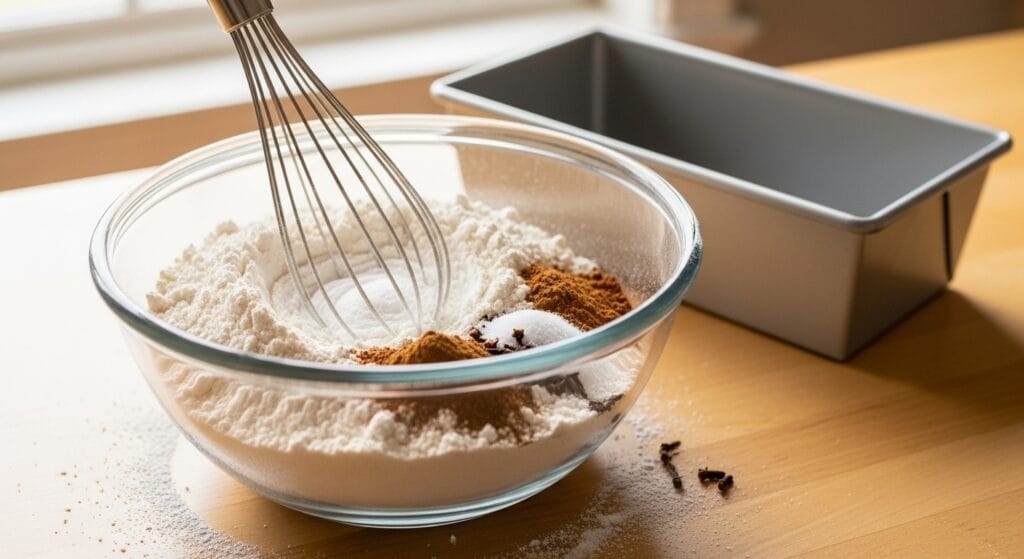
In a medium bowl, whisk together 1½ cups all-purpose flour, 1 teaspoon baking soda, 1 teaspoon cinnamon, ½ teaspoon nutmeg, ½ teaspoon cloves, and ½ teaspoon salt. Whisk thoroughly to distribute the leavening and spices evenly throughout the flour.
Step 4: Combine Sugar and Oil
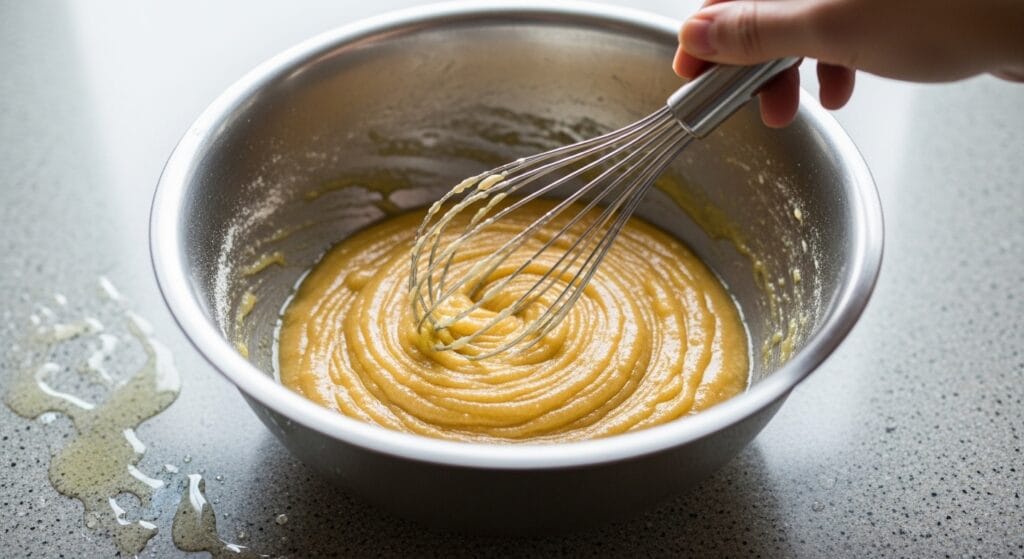
In a large bowl, beat together 1 cup sugar and ¾ cup vegetable oil until well combined. This should take about 1-2 minutes of beating. The mixture should be slightly thick and uniform in color.
Step 5: Add Eggs
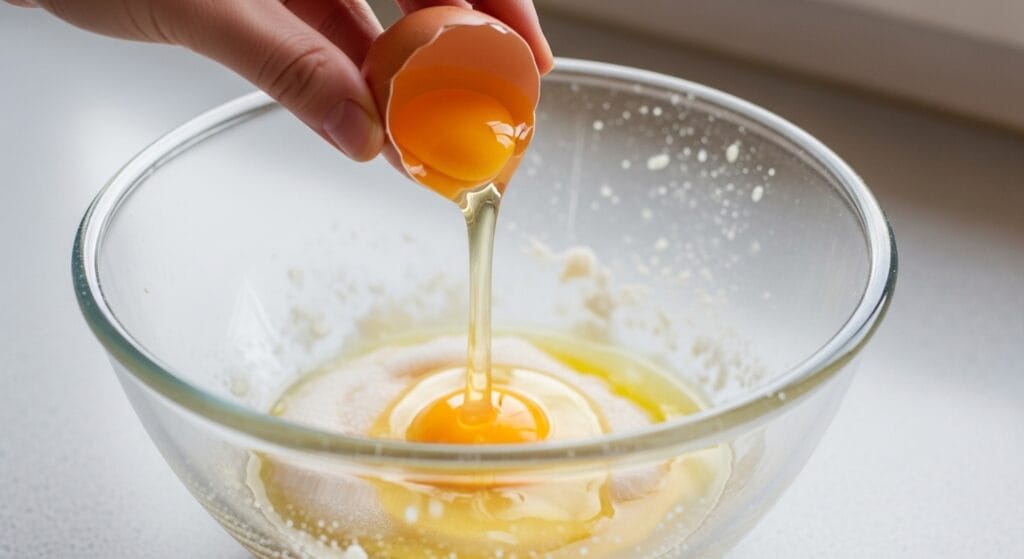
Add 3 eggs to the sugar-oil mixture one at a time, beating well after each addition. The mixture should become lighter in color and slightly thicker as you beat in each egg. Add the third egg and beat thoroughly.
Step 6: Add Vanilla
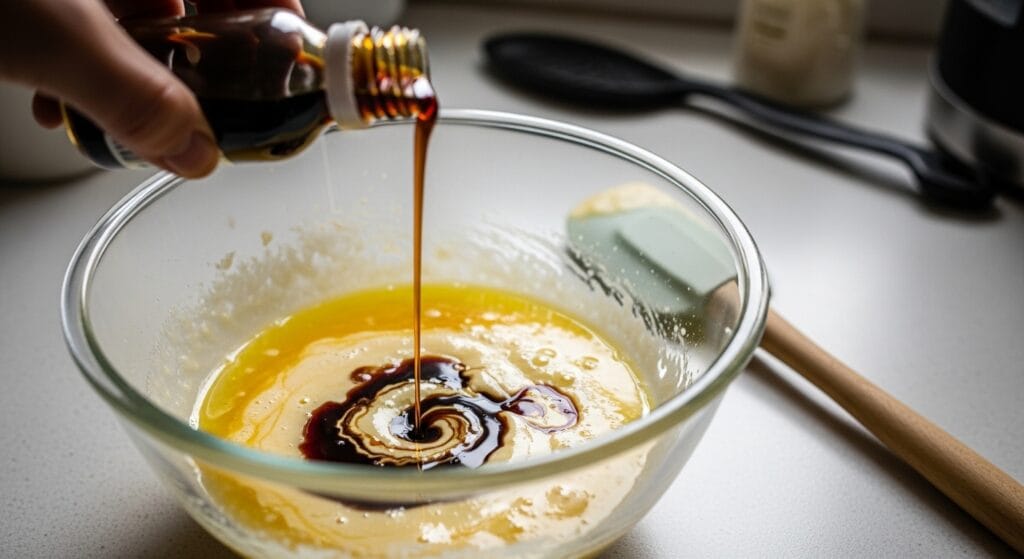
Add 1 teaspoon vanilla extract to the egg mixture and stir to combine.
Step 7: Alternate Wet and Dry Ingredients
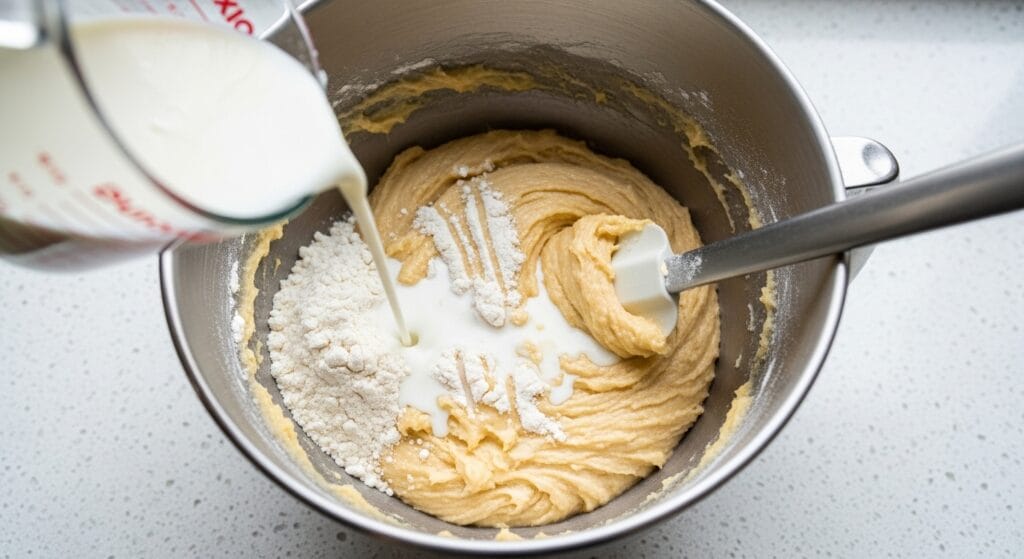
Alternately add the dry ingredients and 1 cup buttermilk to the egg mixture, beginning and ending with the dry ingredients. Add in thirds: one-third dry, half the buttermilk, one-third dry, remaining buttermilk, final third dry. Mix just until combined after each addition. The batter should be smooth and uniform.
Step 8: Fold in Prunes and Nuts
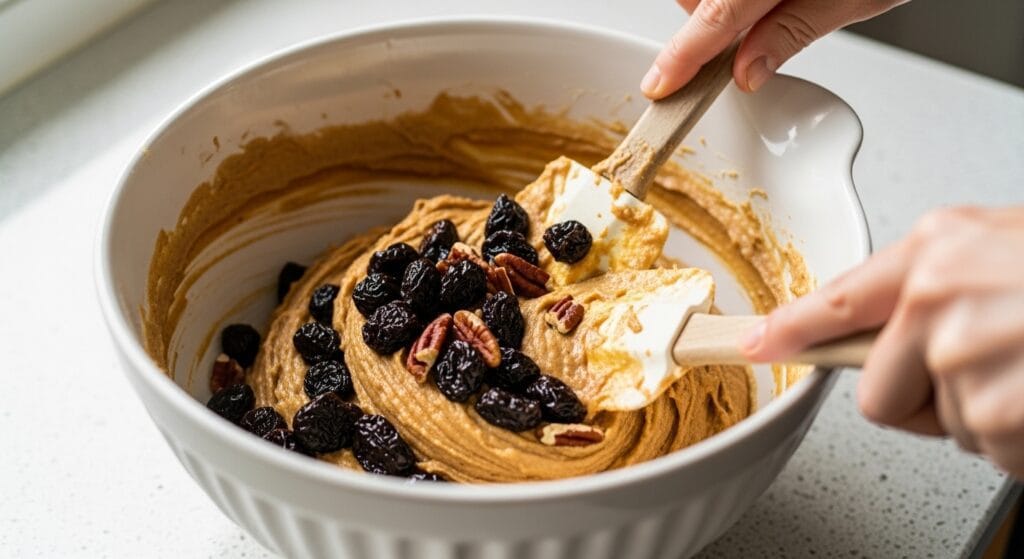
Gently fold in 1 cup chopped prunes and ½ cup chopped pecans (if using) with a rubber spatula or wooden spoon. Folding—rather than stirring—keeps the batter light and prevents developing excess gluten.
Step 9: Transfer to Pan
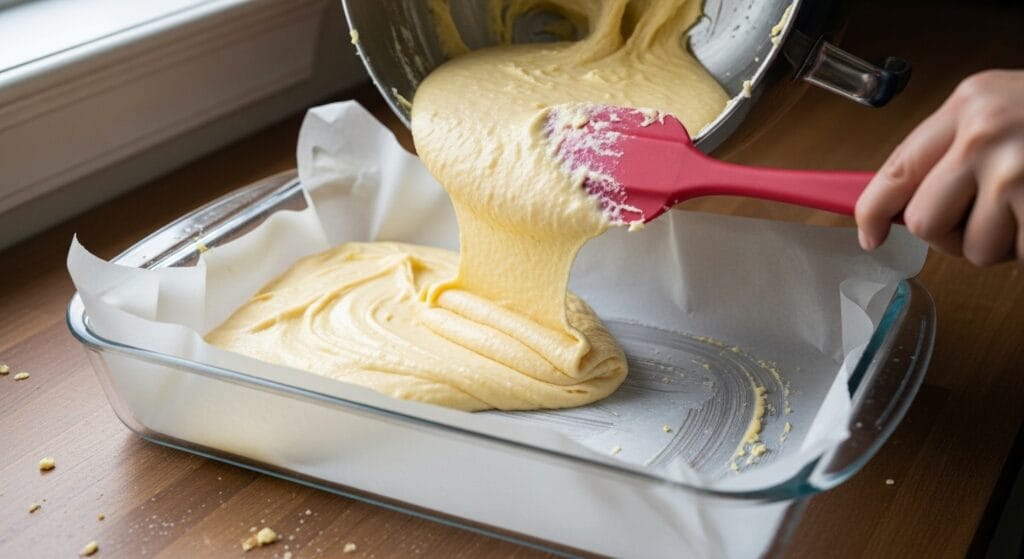
Pour the batter into the prepared 9×13-inch pan and spread evenly with a spatula.
Step 10: Bake
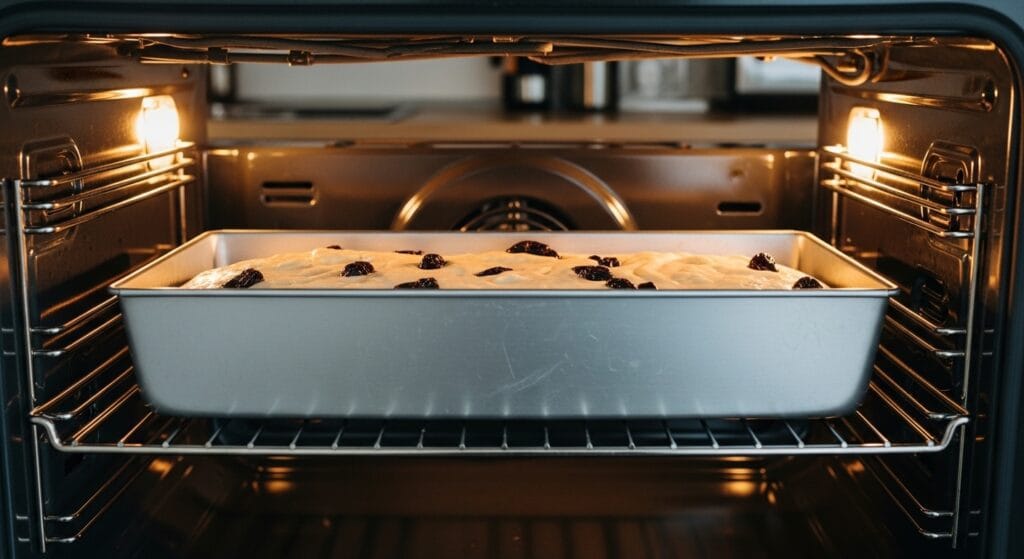
Place in the preheated 350°F oven and bake for 35-40 minutes until a toothpick inserted into the center comes out clean. The top should be firm to the touch and lightly browned.
Step 11: Cool
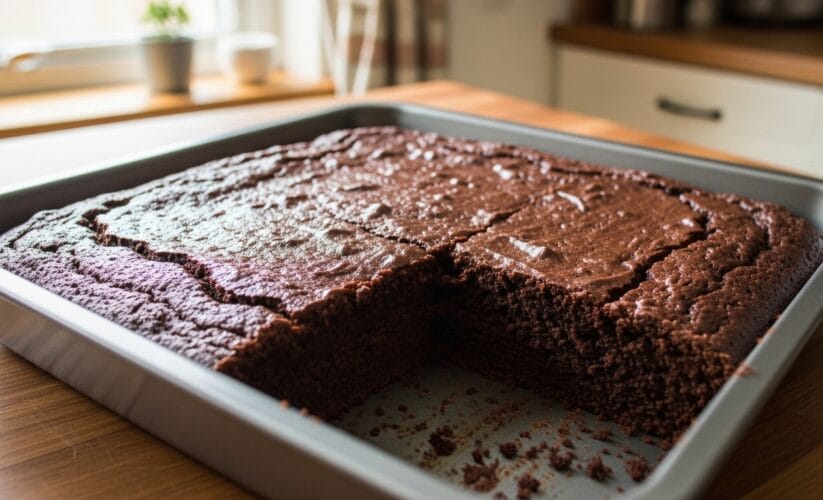
Remove from the oven and allow to cool in the pan on a wire rack. Once cooled to room temperature, the cake can be frosted or dusted with powdered sugar. The cake is ready to serve but actually improves after sitting overnight as flavors integrate.
Pro Tips for Perfect Prune Cake
Soak Prunes First: Soaking plumps prunes and makes them easier to chop. This ensures maximum moisture in the finished cake.
Don’t Overmix: Mix just until ingredients combine. Overmixing develops gluten and toughens cakes. A few visible streaks of flour are acceptable.
Use Quality Spices: Fresh, fragrant spices are essential. Old, faded spices won’t provide the warm, welcoming character that defines prune cake.
Buttermilk Is Essential: The acidity in buttermilk reacts with baking soda to create tender crumb. Don’t substitute with regular milk.
Fold Gently: Folding prunes and nuts in gently prevents deflating the batter and maintains light texture.
Cool Completely Before Frosting: The cake must be completely cooled before applying frosting or it will melt and slide off.
Let It Age: The cake tastes better the next day after flavors integrate and moisture distributes evenly. Don’t rush to serve on baking day.
Store Properly: Covered at room temperature, the cake stays moist and delicious for days. Don’t refrigerate unless necessary.
Easy Variations to Try
With Cream Cheese Frosting: Frost cooled cake with cream cheese frosting made from cream cheese, butter, powdered sugar, and vanilla for elegant presentation.
Powdered Sugar Dusted: Simply dust with powdered sugar for elegant simplicity that lets the cake shine.
Extra Spiced: Add ¼ teaspoon allspice to the dry ingredients for more complex spice profile.
With Walnuts: Substitute walnuts for pecans or use equal mixture of both for different nutty flavor.
Glazed Version: Drizzle with simple glaze made from powdered sugar and prune juice or milk.
Walnut Streusel Topping: Sprinkle mixture of brown sugar, flour, cinnamon, and chopped walnuts over batter before baking for crunchy topping.
Extra Prunes: Increase prunes to 1½ cups for more pronounced fruit flavor and additional moisture.
Orange-Prune: Add 1 tablespoon orange zest and substitute 2 tablespoons orange juice for 2 tablespoons of the buttermilk for citrus notes.
What Is Prune Cake
Prune cake is a moist, spiced cake made with chopped prunes that add moisture, sweetness, and tender crumb. The cake has dark, rich color and warm spice flavor from cinnamon, nutmeg, and cloves. A 1950s-popularized vintage dessert that improves with age as flavors integrate.
Does Prune Cake Taste Good
Yes, absolutely. The prunes create incredibly tender, moist crumb while adding subtle sweetness. The warm spices create comforting, welcoming flavor. The cake tastes neither aggressively of prunes nor like traditional cake—it’s something unique and genuinely delicious.
Can Prune Cake Be Frozen
Yes, freeze for up to 3 months. Cool completely, wrap tightly in plastic wrap and aluminum foil or place in freezer containers, then freeze. Thaw at room temperature before serving. The cake freezes beautifully and maintains excellent texture and moisture after thawing.
Is Prune Cake Healthy
Prune cake contains sugar and oil—it’s not a low-calorie or low-fat option. However, prunes provide fiber and natural sweetness. The cake is made from whole food ingredients without preservatives. Compared to store-bought baked goods, homemade prune cake is relatively healthy. Best served in reasonable portions as an occasional treat.
Prune Cake Paired with Other Dishes
Serve as simple dessert with coffee or tea. A slice with cold milk makes perfect afternoon treat. Pair with fresh whipped cream for richness. For complete meal planning, explore our collection of traditional recipes. Try buttermilk biscuits recipe for breakfast, or shepherd’s pie recipe for dinner.
Frequently Asked Questions About Prune Cake
What is prune cake?
Moist spiced cake made with chopped prunes that add moisture, sweetness, and tender crumb. Dark, rich color with warm spice flavor from cinnamon, nutmeg, and cloves. 1950s-popularized vintage dessert.
How to make prune cake at home?
Combine flour, spices, and baking soda, beat sugar and oil together, add eggs and vanilla, alternate dry ingredients with buttermilk, fold in prunes and nuts, pour into pan, and bake at 350°F for 35-40 minutes.
Prune cake for beginners?
Easy to make with straightforward ingredient mixing and simple baking. No special techniques required. Perfect introduction to spiced cake baking.
Does prune cake taste good?
Yes, the prunes create incredibly tender, moist crumb while adding subtle sweetness. The warm spices create comforting, welcoming flavor that’s genuinely delicious.
Can prune cake be frozen?
Yes, freeze for up to 3 months. Cool completely before freezing. Thaw at room temperature. Cake maintains excellent quality after freezing.
Is prune cake healthy?
Contains sugar and oil so it’s not low-calorie or low-fat. Prunes provide fiber. Made from whole food ingredients. Relatively healthy in reasonable portions.
What if I don’t have buttermilk?
Mix 1 tablespoon lemon juice or vinegar with enough regular milk to equal 1 cup. Let sit for 5 minutes before using as substitute.
Why does my cake taste better the next day?
The moisture from prunes distributes evenly overnight and flavors integrate more fully. This aging process improves both texture and taste.
Should I soak the prunes?
Yes, soaking plumps prunes and makes chopping easier. This ensures maximum moisture in the finished cake.
Can I use different nuts?
Yes, walnuts, pecans, or almonds all work well. Use equal amounts or omit entirely if preferred.
Conclusion
This classic prune cake delivers genuine vintage comfort food that represents 1950s home baking tradition. The combination of moist prunes and warm spices creates cake that’s tender, flavorful, and genuinely delicious. The cake’s tendency to improve with age makes it perfect for advance preparation. Whether you’re exploring vintage baking traditions, seeking moist cakes, or simply wanting something warm and spiced, prune cake delivers perfect results. Ready to make it? Gather prunes and simple pantry ingredients. In about seventy-five minutes, you’ll have a classic cake that tastes like tradition and home.