Penny Candy From the 50s, 60s, 70s and 80s: What Your Decade Says About Your Childhood
Penny Candy From the 50s, 60s, 70s and 80s: What Your Decade Says About Your Childhood
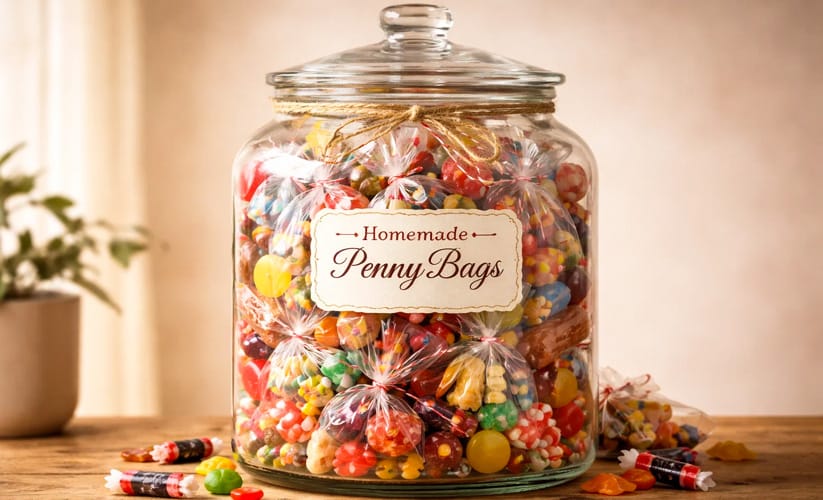
Penny candy connects every American generation to a shared experience of affordable joy, corner store excitement, and simple pleasures. But the specific candies you remember — and the feelings they evoke — reveal far more about your childhood era than you might realize. Whether you grew up hunting through a glass jar of 1950s taffy, trading 1960s lollipops on the schoolyard, experimenting with 1970s sour sensations, or collecting 1980s novelty Ring Pops, your decade of penny candy shapes how you remember your entire generation. Here at Nostalgic Eats, we explore exactly what your favorite childhood penny candies say about your decade, your experiences, and your nostalgia.
The 1950s: The Golden Age of Simplicity
The 1950s represented penny candy at its most straightforward and honest. This was an era of American optimism, post-war prosperity, and the rise of the corner store as a community gathering place. Penny candy of the 1950s emphasized simplicity, quality ingredients, and timeless flavors that had changed little since the 1800s.
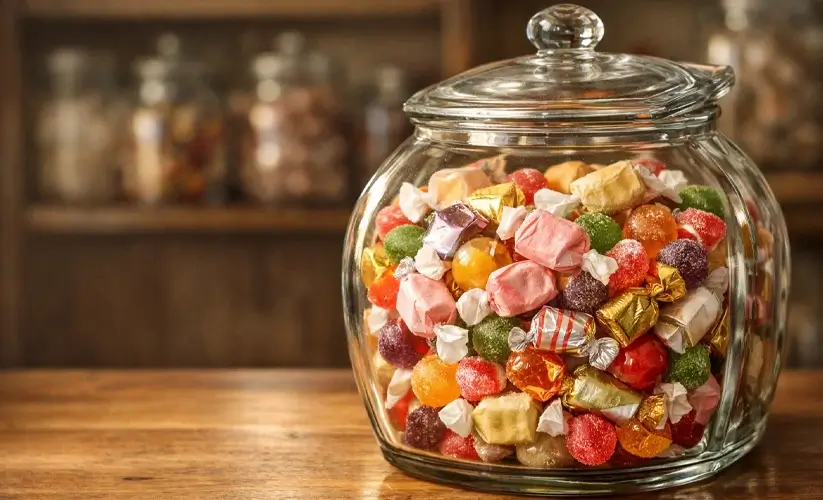
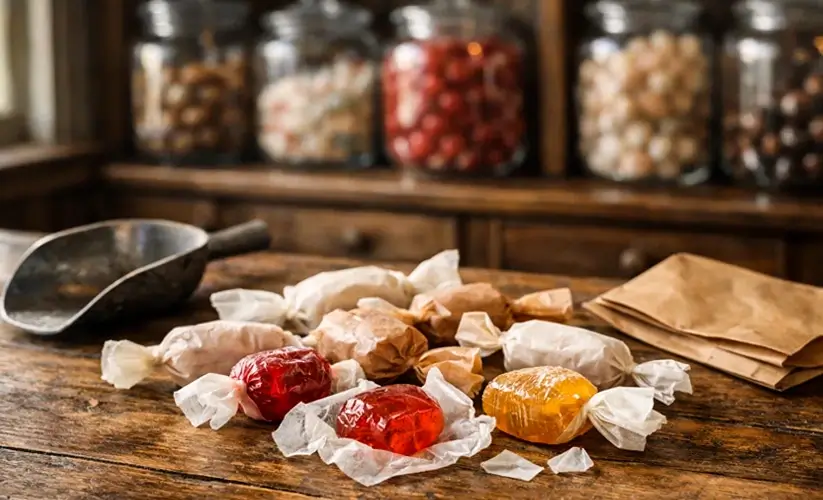
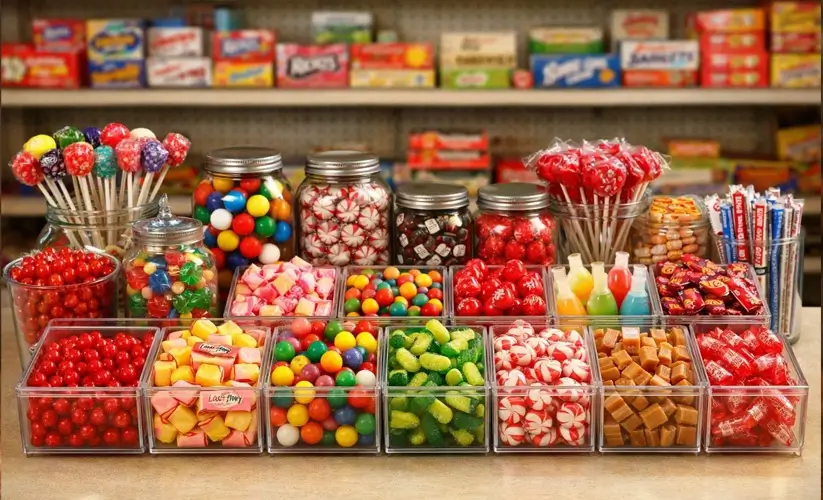
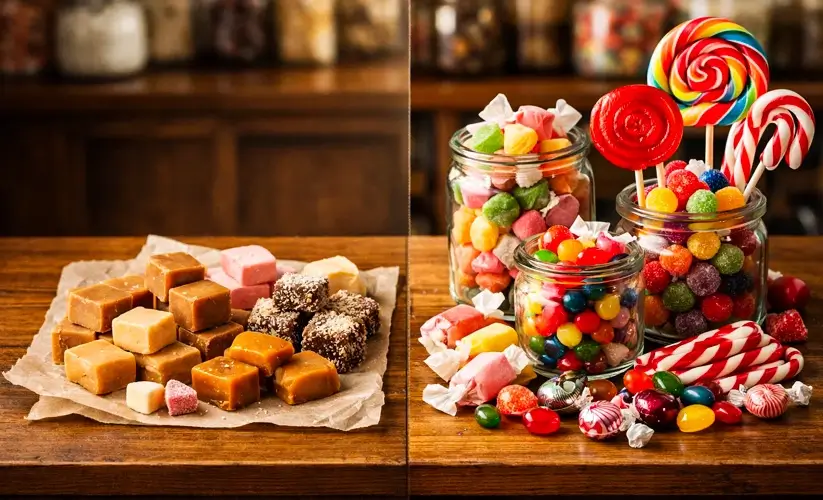
Classic 1950s penny candies included Tootsie Rolls (which had been around since 1896 but hit peak popularity), Necco Wafers (America’s oldest continuously made candy), licorice sticks in both red and black, Mary Janes (peanut butter taffy in wax paper), Dum Dums lollipops, wax bottles filled with sweet liquid, taffy in assorted flavors, and stick candy in fruit flavors. The 1950s candy jar was a rainbow of gentle pastels and muted colors. Wrappers were minimal, often simple waxy paper or cardboard, which kept prices at the true penny or nickel level.
If the 1950s were your decade, your penny candy memories likely center on simplicity, affordability, and family occasions. You remember the trip to the corner store as an event, the friendly shopkeeper by name, and the careful selection process — maybe trading the nickel Grandma gave you for exactly five penny candies, calculating your purchase with precision. Your candy experience was about delayed gratification and the pure joy of flavor without gimmicks. If you want to recreate those flavors today, our homemade 1950s penny candy recipes are the perfect place to start.
The 1960s: The Explosion of Novelty
The 1960s transformed penny candy forever. This was the decade of the Space Race, the counterculture, and rapid innovation in manufacturing. Candy makers responded by introducing novelty items, experimental flavors, and interactive candies that doubled as toys or status symbols.
The 1960s introduced Pop Rocks (late 60s), the sensation of popping candy that sparked urban legends. Candy necklaces appeared — wearable candy that made kids feel fashionable. Wax bottles remained popular but evolved. Sour candies began appearing, challenging the sweetness-only approach of previous generations. Starburst and Skittles arrived (Skittles in 1974, but adopted widely in the late 60s and 70s). Lollipops became more colorful and came in unusual shapes (not just round). Pixie Stix introduced the concept of pure powdered sugar in a paper tube.
If you grew up in the 1960s, your penny candy memories likely revolve around status and experimentation. You remember trading candies, showing off your candy necklace, or daring a friend to try the mysterious new sour candy. Your generation embraced risk and novelty, and your candy preferences reflected that adventurous spirit. You were the first to ask “What if candy could do more than just taste good?” and the penny candy market responded.
The 1970s: The Era of Extreme Flavors
The 1970s cranked everything up to eleven. This was the decade of disco, punk rock, and bold self-expression. Penny candy followed suit with aggressive, boundary-pushing flavors and interactive experiences. The 1970s were loud, and so was the candy.
Atomic Fireballs (cinnamon heat that challenged your tolerance) became iconic. Laffy Taffy introduced jokes printed on wrappers — combining candy consumption with humor. Runts offered tiny, colorful, shell-like candies in extreme fruit flavors. Pixy Stix became a staple for kids seeking pure sugar in powder form. Dum Dums continued to evolve with more exotic flavors. Bubble gum tapes appeared in dispensers, making gum both a treat and a collectible. Sour Patch Kids emerged (mid-70s to early 80s), introducing the sour-then-sweet sensation that would define a generation’s taste buds.
If the 1970s were your childhood, your penny candy memories are bold, social, and slightly rebellious. You remember the dare — “Can you handle an Atomic Fireball?” — and the bragging rights that came with surviving its heat. You traded and collected candies like currency. You read jokes on Laffy Taffy wrappers and laughed with friends. Your generation wasn’t content with simple candy; you wanted an experience, a challenge, and a story to tell.
The 1980s: The Age of Collectible Novelty
The 1980s made penny candy aspirational. This was the decade of MTV, action figures, video games, and the rise of toys as cultural status symbols. Candy makers realized that if they made their candy interactive, wearable, or collectible, kids would value it beyond its sugar content.
Ring Pops dominated the 1980s — a piece of candy you could actually wear on your finger, making you feel fancy. Bubble Tape came in a dispenser that looked like a roll of tape, combining novelty with functionality. Fun Dip introduced the “dip stick” eating experience — flavored powder with an edible utensil. Wax lips, wax teeth, and other novelty shapes made candy a form of humor and self-expression. Sour Straws became a staple. Laffy Taffy continued with its joke-wrapped model. Nerds appeared (mid-80s), offering tiny, tart, colorful candies that became collectible and tradeable. For a deeper look at how the 80s corner store candy culture shaped an entire generation, the full story is worth reading.
If you grew up in the 1980s, your penny candy memories revolve around status, collecting, and self-expression. You remember wearing your Ring Pop like it was jewelry, using your Fun Dip stick like a tiny spoon, and carefully organizing your candy hauls. Your generation didn’t just eat candy — you played with it, displayed it, and traded it like currency. Penny candy became a form of childhood entrepreneurship, with kids negotiating deals and building collections.
What Your Favorite Decade Reveals About Your Childhood
The 1950s Lover: You value simplicity, tradition, and authenticity. You remember a time when less was more, when a single piece of taffy could bring genuine joy. Your childhood was likely stable, community-focused, and centered on family and neighborhood.
The 1960s Enthusiast: You embrace novelty and change. You’re curious about new experiences and willing to take (small) risks. Your childhood was dynamic, possibly marked by cultural shifts, and you remember learning to question and explore.
The 1970s Aficionado: You’re bold, social, and expressive. You remember childhood as a group activity — trading, challenging, laughing with friends. You value intensity and aren’t afraid of extreme flavors or experiences, literally and figuratively.
The 1980s Nostalgic: You’re creative, collectible-minded, and value self-expression. Your childhood was about status, identity, and making your mark. You remember negotiating, trading, and building your own culture within the broader childhood experience.
Why Penny Candy Matters Across Generations
Penny candy transcends simple nutrition or novelty. It represents accessibility — the idea that joy, flavor, and fun shouldn’t require significant wealth. It represents community — the corner store glass jar as a gathering place where kids and elders met. It represents cultural shifts — how each decade’s candy preferences reflected its values, technology, and spirit.
For the 1950s, penny candy meant stability and tradition. For the 1960s, it meant innovation and experimentation. For the 1970s, it meant boldness and social connection. For the 1980s, it meant collectibility and self-expression. Understanding what penny candy was available in your childhood illuminates what your generation valued most. For the complete picture of this tradition from beginning to end, our old-fashioned penny candy complete guide covers the full history in one place.
Where Are They Now? The Legacy of Decade-Specific Candy
Many 1950s classics remain available but have evolved. Tootsie Rolls, Dum Dums, and licorice sticks are still produced, though prices have increased dramatically (what cost a penny now costs a quarter or more). Necco Wafers went through a period of discontinuation but made a comeback. 1960s candies like Starburst and Skittles are ubiquitous, though sour candies have become mainstream rather than novel.
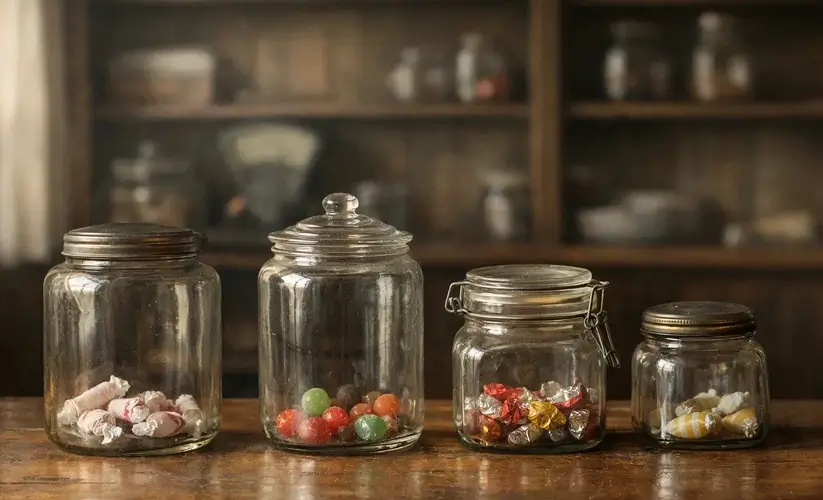
1970s and 1980s novelty candies remain largely unchanged — Atomic Fireballs, Laffy Taffy, Ring Pops, Bubble Tape, Fun Dip, and Nerds all remain in production. However, they’re often found in retro candy shops or specialty sections rather than the everyday corner store, reflecting how retail has changed. The penny candy jar — once the centerpiece of every small store — has largely disappeared, replaced by pre-packaged candy aisles and vending machines. If you’re curious about the full story of why that happened, our piece on whatever happened to penny candy explains the economics and cultural forces behind the decline in detail.
The Interactive Nostalgia Element
As you’ve read through each decade, you’ve likely identified your own childhood era. Whether you’re a 1950s purist, a 1960s explorer, a 1970s bold risk-taker, or an 1980s collector, your penny candy preferences shaped your childhood memories and continue to define your relationship with nostalgia today. Many adults report that tasting a penny candy from their childhood era triggers vivid, specific memories — the exact corner store layout, the shopkeeper’s face, the friend who traded candies with them — all because of a single familiar flavor. If you want to see these eras brought to life visually, this vintage candy footage captures the look and feel of each decade in remarkable detail.
FAQ Section
Q: What penny candy was popular in the 1950s?
A: 1950s penny candy included Tootsie Rolls, Necco Wafers, lollipops, licorice sticks, taffy, Mary Janes, wax bottles, and stick candy. The 1950s emphasized simplicity, quality ingredients, and timeless flavors. Wrappers were minimal, keeping prices at the true penny or nickel level.
Q: What was popular penny candy in the 1960s?
A: The 1960s introduced sour candies, wax bottles with more variety, candy necklaces, Pop Rocks (late 60s), Starburst, and Skittles. Novelty items became increasingly popular as manufacturers experimented with flavors, textures, and interactive features. Candy became wearable and collectible.
Q: What candy defined the 1970s?
A: 1970s penny candy featured Laffy Taffy (with jokes on wrappers), Atomic Fireballs, Runts, Pixy Stix, Dum Dums, bubble gum tapes, and early Sour Patch Kids. The 1970s emphasized extreme flavors, interactive experiences, and candies that doubled as toys or conversation starters.
Q: What were the most iconic 1980s penny candies?
A: The 1980s brought Ring Pops, Bubble Tape, Fun Dip, wax lips, Sour Straws, Laffy Taffy, Nerds, and collectible novelties. The 80s emphasized wearable and interactive candies that made candy into a form of play, status, and self-expression.
Q: Do these candies still exist today?
A: Many classic penny candies are still produced, though often at higher price points. Nostalgic retailers and online shops specialize in vintage candy decades, making it easy to relive childhood memories or introduce new generations to these timeless treats. It is also worth exploring how penny sweets vs penny candy developed differently across the Atlantic during these same decades.
Conclusion: Your Penny Candy Generation
Penny candy is more than just sugar and nostalgia — it’s a cultural artifact that captures the spirit of each generation. Whether you’re a 1950s purist who remembers simplicity and tradition, a 1960s explorer who embraced novelty, a 1970s bold spirit who sought intensity and social connection, or an 1980s collector who valued status and self-expression, your penny candy memories define a crucial part of your childhood identity. The candies you loved reveal the values your generation held, the innovations you grew up with, and the ways you connected with friends and family. In a world of mass production and digital entertainment, penny candy remains one of the few remaining links to authentic, tangible, shared childhood experiences. What’s your decade?