Why Grandma’s Ham Loaf Beats Regular Meatloaf Every Time
Why Grandma’s Ham Loaf Beats Regular Meatloaf Every Time
My grandmother made this ham loaf every Easter, and I never understood why it tasted so much better than regular meatloaf until I started making it myself. The secret isn’t just the recipe—it’s the fundamental difference between ham and beef that changes everything.
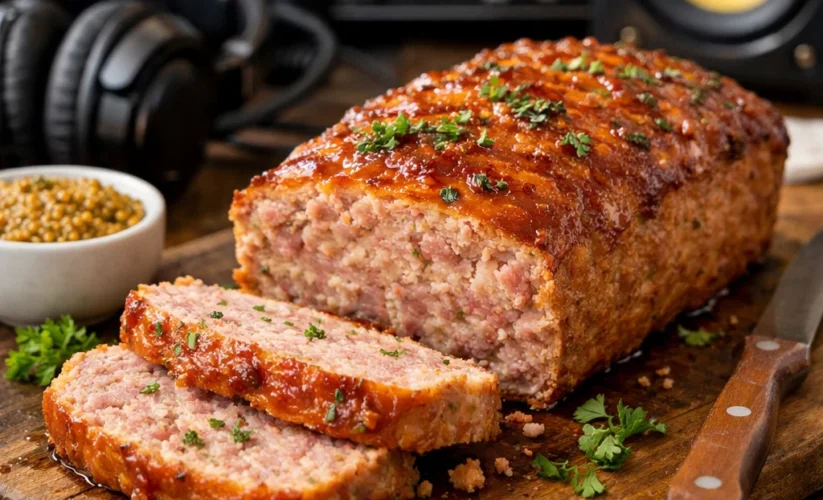
Ham loaf stays incredibly moist because ground ham contains natural moisture and fat that beef simply doesn’t have. The combination of smoked ham and fresh pork creates flavor depth that plain ground beef can’t match. Add that glossy brown sugar mustard glaze, and you’ve got something truly special.
This isn’t just another meatloaf variation. Ham loaf represents Pennsylvania Dutch tradition, particularly among Amish communities where nothing goes to waste — if you love exploring that vintage American food culture, VintageLifeofUSA on YouTube brings those traditions beautifully to life. Leftover holiday ham gets ground and transformed into this spectacular dish that became a beloved recipe in its own right.
Whether you’re using leftover ham or buying ground ham from the butcher, this old fashioned ham loaf delivers every single time.
Quick Recipe Reference
Ingredients You’ll Need
For the Ham Loaf:
- 1½ pounds ground ham
- ½ pound ground pork
- 1 cup graham cracker crumbs (or breadcrumbs)
- 2 large eggs, beaten
- 1 cup milk
- 1 small onion, finely minced
- ¼ teaspoon black pepper
- ½ teaspoon garlic powder
For the Brown Sugar Mustard Glaze:
- 1 cup brown sugar, packed
- ½ cup yellow mustard
- ¼ cup apple cider vinegar
- ¼ cup water
Optional Additions:
- ½ cup crushed pineapple, drained
- 2 tablespoons ketchup (adds color to glaze)
- 1 teaspoon dry mustard powder (intensifies flavor)
- ¼ cup pineapple juice (in place of water)
Understanding Why Ham Loaf Stays Moist
The biggest complaint about traditional meatloaf is that it dries out. Ham loaf solves this problem naturally because of how ground ham behaves during cooking.
Smoked ham contains more moisture than raw ground beef. During the curing and smoking process, ham absorbs brine and develops a different protein structure. When you bake it, this moisture releases slowly rather than evaporating quickly like beef juices do.
The combination of ham and pork creates ideal fat content. Ground pork adds richness and helps bind everything together, while the ham provides that distinctive smoky, salty flavor. The two meats balance each other perfectly.
Graham cracker crumbs work better than regular breadcrumbs in ham loaf. They add subtle sweetness that complements the brown sugar glaze, and their texture absorbs moisture without becoming soggy. My grandmother swore by graham crackers, and after testing both, I understand why.
The Secret to Perfect Brown Sugar Mustard Glaze
This glaze transforms good ham loaf into something extraordinary. The combination of brown sugar and mustard might sound unusual, but it creates the perfect sweet-tangy balance that caramelizes beautifully.
Brown sugar melts and creates a glossy coating that turns deep amber as it bakes. The mustard cuts through the sweetness and adds tangy depth. Vinegar brightens everything and prevents the glaze from becoming cloying.
The key is applying the glaze at the right time. Too early, and it burns. Too late, and it doesn’t caramelize properly. I’ll show you exactly when to add it for perfect results.
How to Make Ham Loaf with Brown Sugar Mustard Glaze
Step 1: Preheat and Prepare
Preheat your oven to 350°F. Line a 9×5-inch loaf pan with parchment paper, or lightly grease it with butter. You can also shape the loaf freeform on a baking sheet if you prefer more caramelized edges.
Step 2: Mix the Ham Loaf
In a large bowl, combine ground ham, ground pork, graham cracker crumbs, beaten eggs, milk, minced onion, black pepper, and garlic powder. Mix with your hands until everything comes together, but don’t overmix—this makes the texture tough.
The mixture should feel moist and hold together when pressed. If it seems too wet, add more graham cracker crumbs. If it’s too dry, add a splash more milk.
Step 3: Shape the Loaf
Transfer the mixture to your prepared pan. Press it down gently and shape the top into a smooth dome. Don’t pack it too tightly—you want it firm but not compressed.
If making a freeform loaf, shape it on a parchment-lined baking sheet into a rectangular mound about 3 inches high.
Step 4: Initial Baking
Place the ham loaf in the preheated oven and bake for 30 minutes without any glaze. This initial cooking sets the shape and allows some fat to render out.
Step 5: Make the Glaze
While the loaf bakes, prepare the glaze. In a medium saucepan, combine brown sugar, yellow mustard, apple cider vinegar, and water. Whisk together over medium heat until the brown sugar dissolves completely, about 3-4 minutes.
The glaze should be pourable but not watery. If it seems too thick, add a tablespoon more water. If too thin, simmer for another minute to reduce slightly.
Step 6: Apply First Glaze Coating
After the initial 30 minutes, remove the ham loaf from the oven. Brush or spoon about one-third of the glaze over the entire surface. Return to the oven.
Step 7: Continue Baking and Glazing
Bake for another 15 minutes, then apply another third of the glaze. Bake for a final 15 minutes (60 minutes total), then apply the remaining glaze.
This three-part glazing creates layers of caramelized sweetness without burning. Each application cooks and sets before the next one goes on.
Step 8: Rest and Serve
Remove from the oven when the internal temperature reaches 160°F. The glaze should be glossy, dark, and slightly bubbling at the edges.
Let the ham loaf rest in the pan for 10 minutes before slicing. This allows the juices to redistribute and makes slicing cleaner. Serve warm with extra glaze on the side.
Pro Tips for Perfect Ham Loaf
Don’t Skip the Resting Time: Cutting into hot ham loaf causes it to fall apart. The 10-minute rest is essential for clean slices.
Use Room Temperature Ingredients: Cold eggs and milk don’t incorporate as smoothly. Let them sit out for 20 minutes before mixing.
Save Some Glaze: Reserve about ¼ cup of glaze before you start baking. Serve it warm on the side for people who love extra sauce.
Test with a Thermometer: Ham loaf is done at 160°F internal temperature. This prevents overcooking while ensuring food safety.
Add Pineapple for Moisture: Mix ½ cup drained crushed pineapple into the meat mixture for extra moisture and subtle sweetness.
Make Mini Loaves: Form the mixture into individual portions in a muffin tin. They bake in just 25-30 minutes and create perfect portion control.
Line Your Pan: Parchment paper makes removing the loaf effortless and cleanup instant.
Why Ham Loaf Works Better Than Meatloaf
Ham loaf and classic meatloaf with brown sugar glaze might look similar, but they’re fundamentally different dishes. Understanding these differences explains why ham loaf often turns out better.
Moisture content: Ground ham retains moisture that ground beef loses during cooking. The curing process changes the protein structure, helping it stay juicy.
Flavor intensity: Smoked ham brings bold flavor that doesn’t need heavy seasoning. Meatloaf relies on added seasonings to create depth.
Fat distribution: The ham-pork combination provides more evenly distributed fat than ground beef, preventing dry spots.
Glaze compatibility: The brown sugar mustard glaze complements ham’s smokiness perfectly. On beef meatloaf, this same glaze would taste mismatched.
Texture difference: Ham loaf has a slightly finer, more uniform texture because ground ham is processed differently than ground beef.
Easy Variations to Try
Pineapple Brown Sugar Glaze: Replace the water in the glaze with pineapple juice for tropical sweetness.
Spicy Mustard Version: Use Dijon mustard instead of yellow mustard and add ¼ teaspoon cayenne pepper to the glaze.
Maple Glazed Ham Loaf: Replace half the brown sugar with pure maple syrup for deeper flavor.
Bacon-Wrapped: Wrap the formed loaf with bacon strips before baking for extra smokiness and crispy edges.
Apple Addition: Mix 1 cup finely chopped apple into the meat mixture for subtle sweetness and moisture.
Herb-Enhanced: Add 1 tablespoon fresh parsley and 1 teaspoon dried thyme to the meat mixture.
What to Serve with Ham Loaf
This ham loaf pairs beautifully with classic comfort food sides. Creamy mashed potatoes or a hearty ham and potato scallop soak up the extra glaze perfectly. Cheesy potato casserole offers rich, cheesy goodness that complements the sweet glaze.
Green beans almondine or roasted Brussels sprouts provide vegetable contrast. Their slight bitterness balances the sweet glaze beautifully. Buttered corn or glazed carrots echo the sweetness without overwhelming.
For a complete Pennsylvania Dutch meal, serve with chow chow (sweet pickled vegetables) and homemade dinner rolls. The pickled vegetables cut through the richness and add authentic regional flavor.
Frequently Asked Questions
Can I use only ground ham without pork?
Yes, but the texture will be denser. Ground pork adds moisture and helps bind the loaf. If using only ham, increase the milk to 1¼ cups to compensate for lost moisture.
Why does my ham loaf fall apart when slicing?
This usually means it didn’t rest long enough after baking. Let it sit for a full 10 minutes. Also, make sure your eggs were beaten and fully incorporated—they act as the primary binder.
Can I make ham loaf ahead of time?
Absolutely. Form the uncooked loaf, cover tightly, and refrigerate up to 24 hours before baking. Add 10 minutes to the initial baking time since it’s starting cold.
How do I store leftover ham loaf?
Refrigerate covered for up to 4 days. Reheat slices in a 325°F oven for 10-15 minutes, or microwave individual portions. The glaze may darken but flavor remains excellent.
Can I freeze ham loaf?
Yes, both cooked and uncooked. Wrap tightly in plastic wrap, then foil. Freeze up to 3 months. Thaw overnight in refrigerator before cooking or reheating.
What if I can’t find ground ham?
Ask your butcher to grind leftover ham for you, or pulse cooked ham chunks in a food processor until ground (not paste). About 10-15 pulses creates the right texture.
Conclusion
Grandma’s classic ham loaf with brown sugar mustard glaze proves why some old recipes never deserve to fade away. The combination of moist, flavorful ground ham and pork topped with caramelized sweet-tangy glaze creates something far superior to traditional meatloaf.
This isn’t just about using leftovers—it’s about transforming simple ingredients into a dish that becomes the star of family dinners and holiday tables. The Pennsylvania Dutch knew what they were doing when they created this recipe, and my grandmother’s version has fed three generations with consistent success. Ready to discover why ham loaf tastes better than meatloaf? Grab some ground ham, whisk together that magical glaze, and experience the moist, flavorful difference for yourself. In just seventy-five minutes, you’ll understand why this vintage recipe deserves to become your new family favorite.