Old-Fashioned Homemade Root Beer Float Recipe Classic
Why Your Root Beer Float Always Overflows (And Soda Jerks’ Never Did)
I’ve made hundreds of root beer floats in my life, and for years, at least half of them resulted in foam cascading over the glass edge and creating a sticky mess. I couldn’t figure out why the floats at old-fashioned soda fountains never seemed to have this problem.
Then I talked to a retired soda jerk who worked at a drugstore fountain in the 1960s — the same era beautifully captured in these vintage American food memories. He laughed and showed me the technique they used—it’s so simple I felt foolish for not discovering it sooner.
The secret is the angle you hold the glass while pouring. When you pour root beer straight down onto ice cream, the carbonation explodes on contact, creating massive foam that immediately overflows. But when you tilt the glass to 45 degrees and pour gently down the side, the root beer slides under the ice cream instead of hitting it directly.
This one technique transforms root beer floats from frustrating, messy disasters into the perfectly foamy, delicious treats you remember from childhood.
Quick Recipe Reference
Ingredients You’ll Need
Main Ingredients (Per Float):
- 2-3 scoops vanilla ice cream (about 1 cup)
- 10-12 oz root beer, well chilled
- 1 tall glass (16-20 oz capacity), chilled
Best Brands to Use:
Root Beer:
- A&W Root Beer (classic choice)
- IBC Root Beer (creamier)
- Barq’s Root Beer (has bite)
- Local craft root beer
Ice Cream:
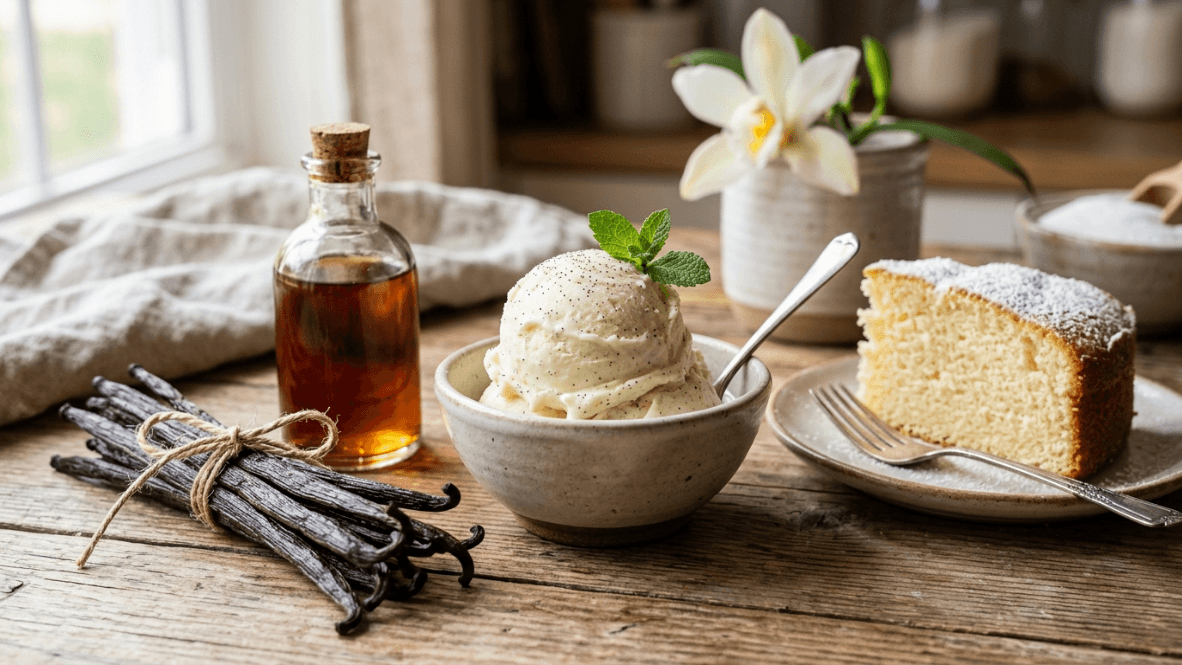
- Real vanilla ice cream (not “frozen dairy dessert”)
- Premium brands like Häagen-Dazs
- Blue Bell Homemade Vanilla
- Any brand listing “cream” as first ingredient
Optional Additions:
- Whipped cream topping
- Maraschino cherry
- Chocolate syrup drizzle
- Crushed peanuts
- 1 oz vanilla vodka or bourbon (adult version)
Understanding Why Root Beer Floats Foam So Much
Root beer contains more carbonation than most sodas, which creates that signature foamy head — the same fizzy nostalgia you’ll find exploring penny candy from the 50s. When carbonated liquid contacts ice cream’s cold, rough surface, the temperature shock and texture cause rapid gas release—creating foam.
Ice cream’s fat content also matters. The milk proteins in ice cream stabilize bubbles, making foam last longer instead of quickly collapsing. This is why root beer floats create more persistent foam than just pouring root beer into a glass.
The type of ice cream affects foam production too. French vanilla or custard-style ice cream (with egg yolks) creates even more foam than regular vanilla because the extra proteins stabilize bubbles better.
Sugar content in both root beer and ice cream influences carbonation release. The more sugar, the faster carbonation escapes, creating more aggressive foaming initially but flatter drinks afterward.
Understanding this chemistry explains why technique matters so much—you’re managing a chemical reaction, not just mixing two ingredients.
The Perfect Ice Cream to Root Beer Ratio
After decades of making floats, the ideal ratio is roughly 60% root beer to 40% ice cream by volume. This creates enough creaminess without making it too thick to drink through a straw.
For a standard 16-ounce glass, use 2 large scoops of ice cream (about 1 cup total) and 10 ounces of root beer. This leaves room at the top for foam without overflowing.
Some people prefer more ice cream for a thick, spoon-required float. Others want it drinkable, using just one scoop and more root beer. The classic soda fountain style lands right in the middle—thick enough to need a spoon but thin enough that you can sip it too.
The ice cream should float on top rather than sinking completely. If your ice cream sinks to the bottom, it’s either too soft or you poured the root beer too aggressively, breaking up the scoops.
How to Make Old-Fashioned Root Beer Float
Step 1: Chill Everything
Place your serving glass in the freezer for at least 15 minutes before making the float. A frosted glass keeps everything colder longer and looks more appealing.
Make sure your root beer is thoroughly chilled—at least 4 hours in the refrigerator. Room temperature root beer creates excessive foam and melts ice cream too quickly.
Keep your ice cream in the freezer until the moment you need it. Soft ice cream melts too fast and doesn’t create that classic float appearance.
Step 2: Add Ice Cream First
Remove your chilled glass from the freezer. Working quickly, place 2 large scoops of vanilla ice cream into the glass. The ice cream should come about halfway up the glass.
Don’t pack the scoops down—let them sit naturally. Packed ice cream is harder to eat and doesn’t float as well.
If making multiple floats for a party, scoop all the ice cream first and return scoops to the freezer on a tray while you work. This prevents melting.
Step 3: Pour Root Beer at 45-Degree Angle
Here’s the critical technique: Tilt the glass to about 45 degrees. Pour the root beer slowly down the inside of the tilted glass, not directly onto the ice cream.
This angled pour lets root beer slide underneath and around the ice cream rather than smashing into it. The foam still forms but rises gradually instead of exploding over the edge.
Pour about one-third of the root beer, then pause. Let the initial foam settle for 10-15 seconds. You’ll see it recede back down as bubbles pop.
Step 4: Continue Pouring in Stages
Add another third of the root beer, again pouring down the tilted glass side. Pause again and watch the foam settle.
Add the final third, leaving about half an inch of space at the top. The foam will continue rising for 20-30 seconds after you stop pouring, so that space is your overflow insurance.
If foam starts getting too high at any point, just stop pouring and wait. It will always settle back down within 30 seconds.
Step 5: Serve Immediately
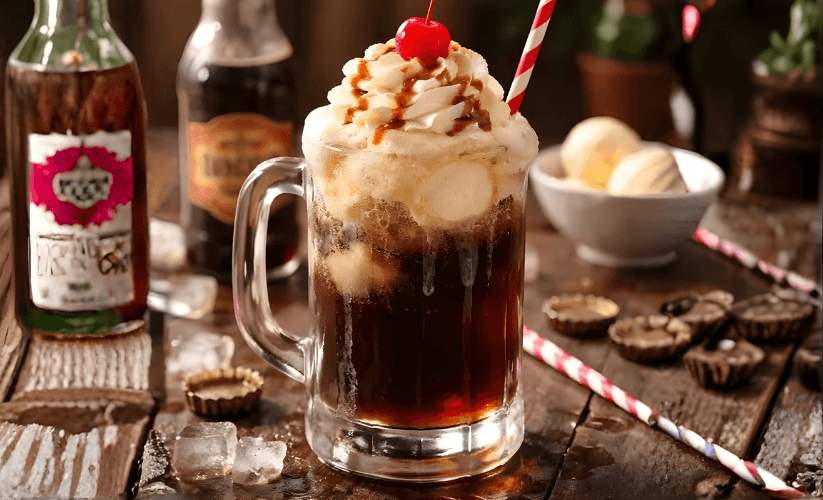
Add a straw and a long spoon. The straw is for drinking the liquid, the spoon for eating the ice cream and foam.
If desired, top with whipped cream and a cherry. These are optional but create that classic soda fountain appearance.
Serve immediately before the ice cream melts too much. Root beer floats are best enjoyed within 5-10 minutes of making them — pair one with a slice of classic apple pie for the ultimate American dessert experience.
Pro Tips for Perfect Root Beer Floats
Always Ice Cream First, Then Soda: Pouring root beer into the glass first and adding ice cream creates a volcanic overflow. Ice cream first is non-negotiable.
Use Real Ice Cream, Not Frozen Dessert: Check the label. If it says “frozen dairy dessert” instead of “ice cream,” it contains less cream and more air, creating inferior texture and flavor.
Quality Root Beer Makes a Difference: Root beer made with real sugar tastes significantly better than corn syrup versions. Try craft root beer for special occasions.
Let Ice Cream Temper Slightly: Rock-hard ice cream creates more aggressive foam. Letting it sit for 2-3 minutes at room temperature reduces initial foaming.
Freeze Your Glass: A frozen glass keeps everything colder for at least 10 minutes longer. This is especially important on hot summer days.
Pour Down the Side, Not the Center: This single technique prevents 90% of overflow problems. Always tilt and pour gently.
Make a Float Bar for Parties: Make a Float Bar for Parties: Set out chilled root beer, ice cream scoop, frozen mugs, and toppings — serve alongside easy fried chicken for a complete backyard party spread. Let guests make their own—it’s half the fun.
Easy Variations to Try
Brown Cow: Use cola instead of root beer for a different but equally delicious float. Coca-Cola works best.
Boston Cooler: Use ginger ale and vanilla ice cream—a Michigan classic that’s lighter and more refreshing than root beer floats.
Orange Creamsicle Float: Orange Creamsicle Float: Use orange soda (Sunkist or Fanta) for nostalgic orange creamsicle flavor — just as nostalgic as this homemade penny candy jar mix.
Purple Cow: Use grape soda for a kid-friendly purple float that tastes like grape popsicles.
Adult Root Beer Float: Add 1 ounce bourbon or vanilla vodka to the finished float for grown-up gatherings.
Chocolate Twist: Drizzle chocolate syrup around the inside of the glass before adding ice cream for chocolate-vanilla-root beer flavor.
Root Beer Float Cake: Root Beer Float Cake: Make mini floats in small glasses as an alternative to birthday cake — kids also love this chocolate pudding cake alongside their float.
Why Some Root Beers Work Better Than Others
Not all root beers create equally good floats. The best root beers for floats have certain characteristics that enhance the experience.
A&W Root Beer remains the gold standard because it has perfect carbonation levels—enough to create foam but not so much that it overflows uncontrollably. Its vanilla notes complement vanilla ice cream beautifully.
IBC Root Beer works exceptionally well because it’s creamier and less aggressively carbonated. It creates a smoother, less foamy float that’s easier to manage.
Barq’s Root Beer “has bite” as their slogan says, meaning it contains caffeine and more intense flavor. Some people love this boldness; others find it overwhelming with ice cream.
Craft root beers often use real vanilla, wintergreen, and sassafras, creating complex flavors that shine in floats. They’re usually more expensive but worth trying for special occasions — just like making a homemade blackberry cobbler instead of a store-bought one.
Avoid diet or zero-sugar root beers for floats. The artificial sweeteners taste chemical when combined with ice cream, and they often create weird foam that tastes soapy.
Making Root Beer Floats for a Crowd
When serving floats at parties or gatherings, organization prevents chaos and melted ice cream disasters.
Set up a float bar with everything pre-chilled: frozen mugs, several bottles of root beer in an ice bath, ice cream in a cooler with ice packs, scoops, straws, and spoons.
Designate one person as the “float maker” rather than letting everyone make their own all at once. This prevents the ice cream from sitting out too long and melting.
For large groups, consider making “float punch” — put vanilla ice cream scoops in a punch bowl and slowly add root beer, just like the crowd-pleasing approach behind this berry grunt recipe that feeds a whole gathering. Guests ladle it into their own cups. This works for 20+ people.
Calculate quantities carefully: One half-gallon of ice cream makes about 8-10 floats. One 2-liter bottle of root beer makes 6-7 floats (assuming 10 oz per float).
Frequently Asked Questions
Do you put ice cream or root beer first?
Always ice cream first. Putting root beer in the glass first and then adding ice cream causes volcanic foaming that overflows immediately. Ice cream first allows you to control the pour.
Why does my root beer float overflow every time?
You’re pouring root beer directly onto the ice cream surface. Instead, tilt the glass to 45 degrees and pour slowly down the inside edge. This prevents aggressive foam formation.
What’s the best ice cream for root beer floats?
Premium vanilla ice cream labeled “vanilla bean” or “homemade vanilla” works best. Avoid “frozen dairy dessert” products—they contain less cream and create inferior texture.
Can you make root beer floats ahead of time?
No. The ice cream melts and the root beer goes flat within 15-20 minutes.Root beer floats must be made and consumed immediately for best quality — unlike this make-ahead buttermilk pie that actually tastes better the next day.
Why is my root beer float not foamy enough?
Your root beer isn’t cold enough, or it’s gone flat. Root beer must be fully carbonated and thoroughly chilled (refrigerated at least 4 hours) to create proper foam.
What size glass is best for root beer floats?
Use 16-20 ounce tall glasses. Smaller glasses don’t leave room for foam. Wider, shorter glasses don’t create the classic float appearance.
Conclusion
This old-fashioned homemade root beer float recipe proves that sometimes the simplest pleasures require the most precise technique. The secret to preventing overflow lies in that 45-degree tilt while pouring—a trick every vintage soda jerk knew but home cooks somehow forgot over the decades. By chilling your glass, using quality ingredients, and pouring root beer down the side rather than directly onto ice cream, you transform a potentially messy disaster into the perfectly foamy, deliciously nostalgic treat that Americans have loved since the 1890s.
Whether you’re recreating childhood memories, introducing grandchildren to a classic dessert, or simply wanting a refreshing summer treat, this timeless combination of vanilla ice cream and root beer delivers pure joy — much like rediscovering what happened to penny candy from those same drugstore counters. Ready to make floats that never overflow? Freeze that glass, chill that root beer, and discover why this technique has been passed down through five generations of soda fountain professionals. In just five minutes, you’ll have the perfect root beer float that looks and tastes exactly like the ones from old-fashioned drugstore counters.