Best Baking Soda Substitute: 7 Options That Actually Work
Best Baking Soda Substitute: 7 Options That Actually Work
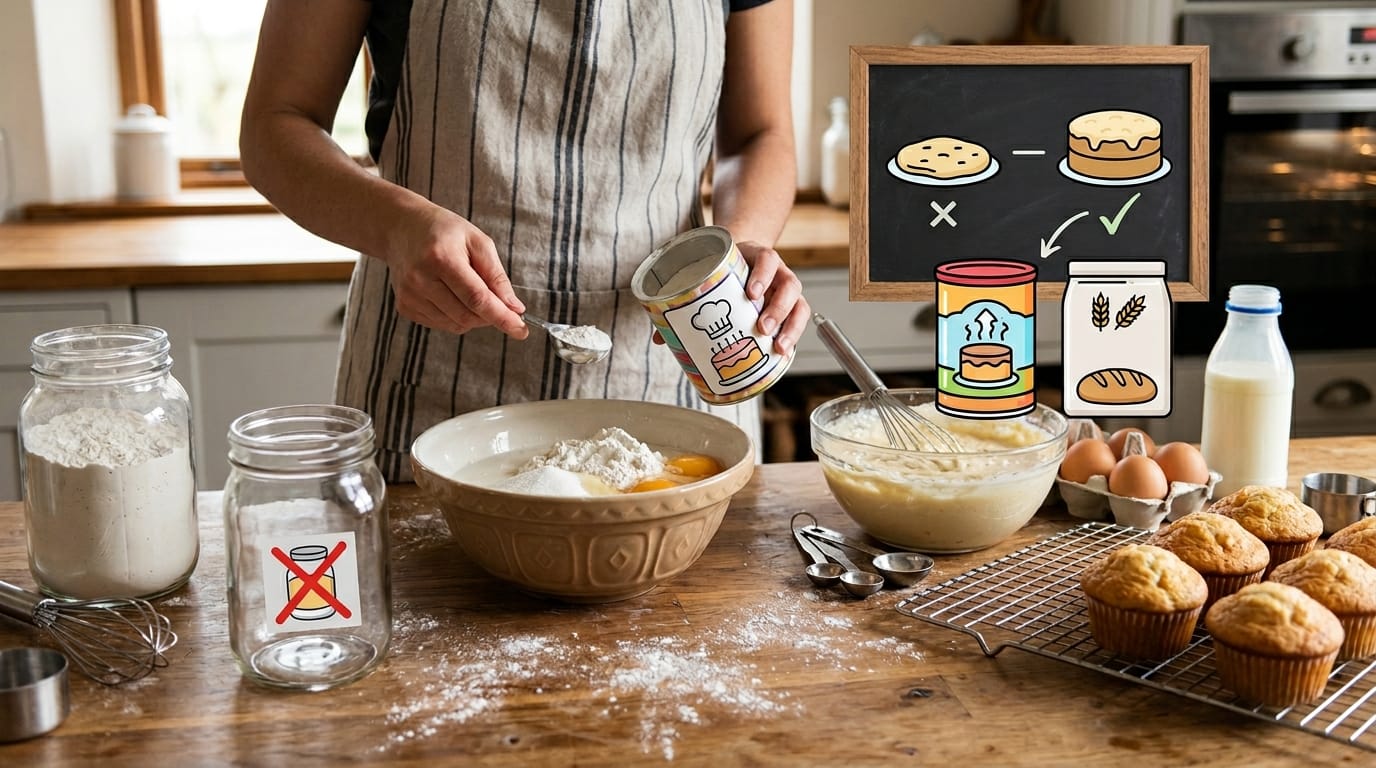
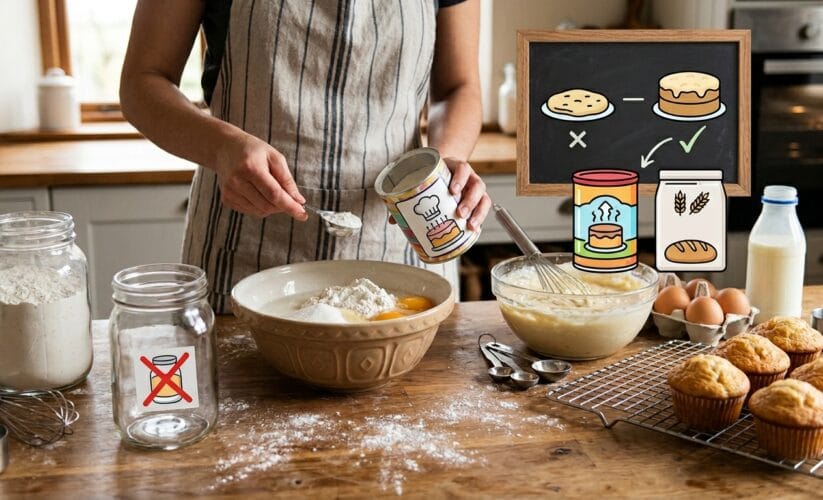
You are halfway through a recipe — batter mixed, oven preheated — and then you find it: an empty box of baking soda where a full one should be. It is one of the most frustrating moments in home baking. The good news is that reaching for a baking soda substitute is not only possible, it is something experienced bakers do regularly. The better news is that several substitutes work so well that your finished result will be nearly identical to the original.
This guide gives you every reliable baking soda substitute, the exact ratio to use for each one, and which recipes each works best in. No vague advice. No guessing. Just tested, practical solutions from a baking standpoint — the kind of straightforward help that the best old-fashioned home cooks always relied on.
Before you swap anything, though, it helps to understand what baking soda actually does in a recipe — because that knowledge is what helps you choose the right baking soda substitute every single time.
Not Sure What to Cook Today?
Open your fridge, pick a few ingredients… and turn them into a real recipe in seconds.
No guessing. No waste. Just simple, nostalgic meals.What Does Baking Soda Do in Baking?
Baking soda — also known as sodium bicarbonate — is a chemical leavening agent. It is a base, which means it needs an acidic ingredient to activate. When baking soda meets an acid (such as buttermilk, yogurt, lemon juice, or vinegar) and heat is applied, it produces carbon dioxide bubbles. Those bubbles are what make your muffins rise, your cakes turn fluffy, and your cookies spread and brown properly.
This is why choosing the right baking soda substitute depends on your recipe. If your recipe already includes an acidic ingredient, you have more flexibility. If it does not, you need a substitute that brings its own acid along — like baking powder does.
According to King Arthur Baking, one teaspoon of baking powder is approximately equivalent to one-quarter teaspoon of baking soda in terms of leavening power. That ratio is the foundation of the most common baking soda substitution used by home bakers worldwide.
7 Best Baking Soda Substitutes With Exact Ratios
1. Baking Powder — The Most Reliable Baking Soda Substitute
Baking powder is the most straightforward and widely available baking soda substitute. It works because it already contains both sodium bicarbonate and an acid (cream of tartar), so it creates its own leavening reaction without needing an additional acidic ingredient from your recipe.
Substitution Ratio: Use 3 teaspoons of baking powder for every 1 teaspoon of baking soda.
This is the go-to baking soda substitute for cakes, muffins, quick breads, and pancakes. The result will be slightly fluffier than the original, and your cookies will turn out a little cakier rather than crisp. If your original recipe includes an acidic ingredient like buttermilk or lemon juice, you can slightly reduce it since baking powder already supplies its own acid. As Food Network notes, this is the safest all-purpose swap available.
Best for: Cakes, muffins, quick breads, pancakes, waffles.
Not Sure What to Cook Today?
Open your fridge, pick a few ingredients… and turn them into a real recipe in seconds.
No guessing. No waste. Just simple, nostalgic meals.2. Buttermilk — The Classic Old-Fashioned Substitute
Buttermilk is one of the most beloved baking soda substitutes in traditional American home cooking. It is naturally acidic, which means it activates whatever base (baking soda, or a small amount left in the recipe) is present to produce the rise your baked goods need. Grandmothers across the American South and Midwest used buttermilk constantly, and many of those classic recipes were built entirely around the reaction between buttermilk and baking soda.
Substitution Ratio: Use one-half cup of buttermilk to replace 1 teaspoon of baking soda, and reduce the other liquid in the recipe by the same amount.
This baking soda substitute adds a subtle tang and genuine moisture that makes it particularly good in muffins, pancakes, and quick breads. If you are working from older recipes — the kind you might find in our free recipe generator random tool on Nostalgic Eats — there is a good chance the recipe was already written with this substitution in mind.
Best for: Pancakes, muffins, quick breads, biscuits, old-fashioned cakes.
3. Plain Yogurt — A Pantry Standby That Earns Its Keep
Plain yogurt works as a baking soda substitute for exactly the same reason buttermilk does — it is acidic, and that acid activates whatever leavening is present in your recipe. Greek yogurt works especially well because it is thick and adds richness alongside the lift.
Substitution Ratio: Use one-quarter cup of plain yogurt to replace 1 teaspoon of baking soda, reducing other liquids accordingly.
This baking soda substitute is particularly well suited to muffins, quick breads, and moist cakes. The yogurt brings moisture and a gentle tang that blends beautifully into most batters. Importantly, always use plain yogurt — flavored or sweetened varieties will throw off your recipe’s flavor balance completely.
Best for: Muffins, quick breads, cakes, banana bread.
4. Self-Rising Flour — The All-In-One Baking Soda Substitute
Self-rising flour is a clever baking soda substitute that works by replacing both the flour and the leavening agent in a single swap. Every cup of self-rising flour already contains approximately 1.5 teaspoons of baking powder and one-quarter teaspoon of salt — which means the leavening is built right in.
Substitution Ratio: Replace 1 cup of all-purpose flour plus 1 teaspoon of baking soda with 1 cup of self-rising flour. Omit any additional salt in the recipe.
The important caveat here is that self-rising flour only works as a baking soda substitute in recipes that call for flour in the first place. It is also worth noting that self-rising flour already includes salt, so skipping the added salt in your recipe is essential to avoid over-seasoning. This substitute works best in biscuits, scones, and lighter quick breads.
Best for: Biscuits, scones, quick breads, pancakes.
5. Potassium Bicarbonate — The Closest Chemical Match
Of all the baking soda substitutes on this list, potassium bicarbonate is the one that behaves most like baking soda on a chemical level. It is a base, just like sodium bicarbonate, and it reacts with acids in exactly the same way. The primary difference is that it contains potassium rather than sodium, making it a useful option for anyone monitoring their sodium intake.
Substitution Ratio: Use potassium bicarbonate in a 1:1 ratio with baking soda. Add an extra pinch of salt to compensate for the missing sodium.
This is not a pantry staple most home cooks keep on hand, but it is worth knowing about because it is the most precise baking soda substitute available. The finished result will be nearly identical in texture, rise, and color. You can find it in most health food stores or online.
Best for: Any recipe — it is the most versatile direct substitute.
6. Whipped Egg Whites — A Natural Leavening Baking Soda Substitute
For recipes like sponge cakes, soufflés, and light waffles, whipped egg whites are a surprisingly effective baking soda substitute. Beaten to soft peaks, egg whites trap air and expand during baking, providing the lift that baking soda would normally create through carbon dioxide production.
Substitution Ratio: Replace 1 teaspoon of baking soda with 2 egg whites beaten to soft peaks. Fold them gently into the batter — never stir.
This baking soda substitute only works in recipes that can absorb extra egg whites without becoming rubbery. It adds lightness and a slight richness that works beautifully in delicate sponge cakes but would be out of place in a dense muffin or hearty quick bread. It is also the only baking soda substitute on this list that is completely chemical-free.
Best for: Sponge cakes, soufflés, waffles, angel food variations.
7. Club Soda — The Emergency Liquid Baking Soda Substitute
Club soda is the baking soda substitute most people never consider, but it genuinely works in the right recipe. The carbonation in club soda produces carbon dioxide when it hits the batter, giving lighter, thinner batters a modest but real lift.
Substitution Ratio: Replace an equal portion of another liquid in your recipe with club soda. Use immediately — carbonation dissipates fast.
This baking soda substitute is best suited to thin batters like pancakes, crepes, and some waffle recipes. It will not produce enough lift for cookies, cakes, or dense muffins, so use it only in recipes where the batter is already thin and liquid. The key is speed — once you add club soda to your batter, it needs to go straight into the pan or the carbonation will be lost before it can do its work.
Best for: Pancakes, crepes, thin waffles, light tempura-style batters.
Which Baking Soda Substitute Should You Actually Use?
The right baking soda substitute depends on three things: what you have in your kitchen, what recipe you are making, and whether your recipe already includes an acidic ingredient.
If your recipe already contains buttermilk, yogurt, lemon juice, or vinegar — use baking powder as your baking soda substitute. The acid is already there; baking powder will simply provide a complete, balanced leavening reaction. Triple the amount of baking soda called for when making this swap.
If your recipe contains no acidic ingredient — baking powder is still the safest choice. It is self-contained and requires no adjustment to the rest of the recipe beyond the ratio.
If you want the most authentic result possible with the least flavor change — potassium bicarbonate is the answer. Add a pinch of salt and proceed exactly as the recipe states.
If you are making pancakes, muffins, or a moisture-forward quick bread — buttermilk or plain yogurt will give you a better final product than baking powder in most cases, with the added bonus of genuine old-fashioned flavor.
And if you are working from a classic comfort food recipe and need inspiration for what to bake tonight, the Nostalgic Eats recipe generator pulls from over a hundred tested vintage recipes — many of which were designed with exactly these kinds of pantry-friendly substitutions built in. You can also try the ingredient-based Recipe Maker here to find the right recipe for whatever you have on hand.
Not Sure What to Cook Today?
Open your fridge, pick a few ingredients… and turn them into a real recipe in seconds.
No guessing. No waste. Just simple, nostalgic meals.For more classic recipes that lean on traditional ingredients like buttermilk and self-rising flour, explore the 30 forgotten poor man’s cakes on Nostalgic Eats — a collection of Depression-era bakes that relied on exactly these kinds of smart swaps to stretch limited pantry supplies into something extraordinary.
Common Baking Soda Substitute Mistakes to Avoid
Knowing which baking soda substitute to use is only half the job. Knowing what not to do is equally important.
Using Too Much Baking Powder
The 3:1 ratio exists for a reason. Using more baking powder than the ratio calls for creates a bitter, metallic taste in your finished bake and can cause the batter to rise too fast and collapse before it sets. Always measure precisely.
Forgetting to Reduce Liquid When Using Buttermilk or Yogurt
Both buttermilk and yogurt add significant liquid to a batter. If you add them without reducing another liquid in the recipe, your batter will be too thin and the final texture will be wrong. Reduce the other liquid in the recipe by the same volume you are adding.
Adding Club Soda Too Early
Club soda loses its carbonation quickly once it hits the batter. If you mix it in and then let the batter sit for ten minutes before cooking, the bubbles will be completely gone and the substitution will have no effect. Pour club soda in last, mix gently, and cook immediately.
Using Flavored Yogurt
This seems obvious once stated, but it is a surprisingly common mistake. Flavored yogurt contains sugar, artificial flavoring, and fruit purees that will completely alter the flavor of your baked good. Always use plain, unflavored yogurt when using it as a baking soda substitute.
Not Sure What to Cook Today?
Open your fridge, pick a few ingredients… and turn them into a real recipe in seconds.
No guessing. No waste. Just simple, nostalgic meals.Frequently Asked Questions
Can I use baking powder as a baking soda substitute?
Yes — it is the most reliable option available. Use 3 teaspoons of baking powder for every 1 teaspoon of baking soda. Be aware that baking powder already contains an acid, so your finished result may be slightly fluffier than the original recipe intended.
What is the best baking soda substitute for cookies?
Baking powder gives the best results in cookies, producing a softer, slightly cakier texture. Baker’s ammonia (ammonium bicarbonate) is an option for thin, crisp cookies like biscotti, but it is not suitable for thick or cakey cookies. Both Food Network and food scientists confirm baking powder as the most practical all-purpose cookie substitute.
Can I use vinegar or lemon juice as a baking soda substitute?
Not on their own. Vinegar and lemon juice are acids, not leavening agents. They can help activate baking soda already in the recipe, but they do not replace it. The only way to use them as part of a baking soda substitute is to combine them with another base ingredient.
Is there a baking soda substitute for cleaning purposes?
Outside of baking, potassium bicarbonate behaves similarly to baking soda for cleaning tasks, but it is not ideal. For household cleaning and deodorizing, baking soda itself remains the only truly effective option and there is no real substitute for those non-baking uses.
What is the baking soda to baking powder conversion ratio?
Replace 1 teaspoon of baking soda with 3 teaspoons (1 tablespoon) of baking powder. This is the standard conversion used by professional and home bakers alike. According to Taste of Home, baking powder can also be substituted in the reverse direction using one-quarter teaspoon of baking soda for every teaspoon of baking powder needed.
Can I leave out baking soda entirely if I have no substitute?
In some simple recipes — thin pancakes, basic cookies — you can omit baking soda and the recipe will still work, just with less rise. Your pancakes will behave more like crepes, and your cookies will need to be flattened by hand before baking. For cakes, muffins, and quick breads, omitting the leavening entirely will result in a dense, flat final product, so a substitute is strongly recommended.
Conclusion
Running out of baking soda mid-recipe is not a baking emergency — not when you understand how leavening actually works and which substitutes to reach for. The most reliable baking soda substitute in almost every situation is baking powder, used at a 3:1 ratio. For moisture-forward bakes like muffins and pancakes, buttermilk or plain yogurt will produce results that are arguably better than the original. For the most chemically accurate swap, potassium bicarbonate matches baking soda almost perfectly with just a pinch of added salt.
The deeper skill here is not memorizing a list of substitutes — it is understanding why each one works. Once you understand that baking soda is a base that needs acid and heat to do its job, choosing the right replacement becomes instinctive.
Keep your pantry stocked, keep these ratios bookmarked, and you will never let an empty baking soda box stop a good recipe again. And when you need inspiration for what to bake next, the Nostalgic Eats recipe generator is the fastest way to find a classic, tested comfort-food recipe using whatever ingredients you have on hand right now.