9 Vanilla Extract Substitutes That Won’t Ruin Your Recipe
9 Vanilla Extract Substitutes That Won’t Ruin Your Recipe
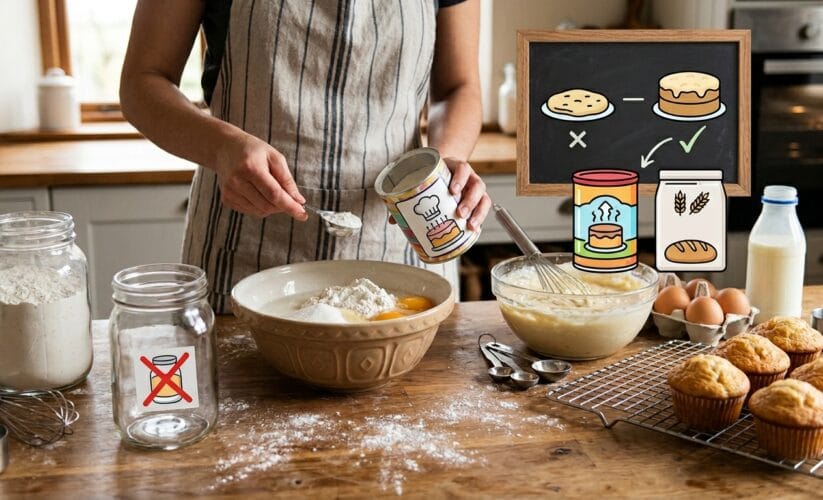
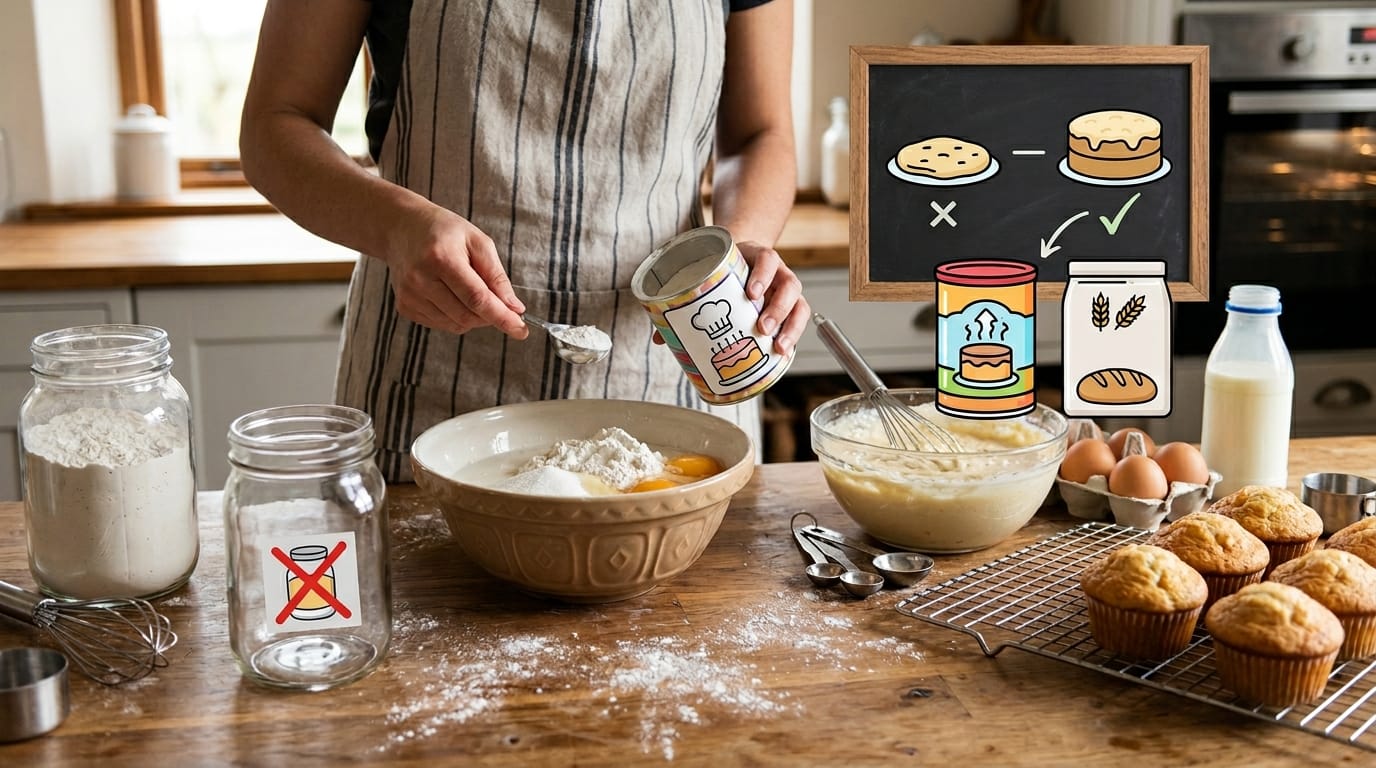
You are three steps into a cake recipe and you pick up that small brown bottle expecting a reassuring slosh of vanilla — and nothing comes out. Not a drop. It is one of those small kitchen catastrophes that feel disproportionately stressful when the oven is already preheating and the butter is already creamed.
Here is the truth that experienced bakers know: a good vanilla extract substitute is almost always hiding somewhere in your kitchen. Several of them are so effective that most people eating your finished bake would never know you made a swap at all. A few of them actually make the recipe taste more interesting than the original.
This guide covers every reliable vanilla extract substitute, ranked from most practical to most creative — with exact ratios, specific use cases, and honest notes on when a substitute works beautifully versus when you should skip the vanilla altogether. This is the practical, no-fuss answer every home baker needs.
Not Sure What to Cook Today?
Open your fridge, pick a few ingredients… and turn them into a real recipe in seconds.
No guessing. No waste. Just simple, nostalgic meals.Why Vanilla Extract Matters — And Why You Can Substitute It
Before picking a vanilla extract substitute, it helps to understand what vanilla actually does in a recipe. Vanilla is not just a flavor — it is an aromatic enhancer. It softens sharp notes, ties other flavors together, and adds a warm, rounded depth that makes baked goods taste more complex and complete. That is why even a recipe for chocolate cake will call for vanilla: it is not vanilla-flavored, but the vanilla makes the chocolate taste more like chocolate.
The practical implication is important. In recipes where vanilla is the primary flavor — a plain vanilla cake, a simple buttercream frosting, a crème brûlée — the vanilla extract substitute needs to be close to the real thing. In recipes packed with bold flavors — strong chocolate, warm spices, peanut butter, citrus — the vanilla is mostly background support, and an imperfect substitute will go completely unnoticed.
According to FDA regulations cited by Medical News Today, traditional vanilla extract must contain at least 35% alcohol, with all flavor derived from real vanilla beans. This matters for bakers who want alcohol-free alternatives — several of the substitutes below solve that problem elegantly.
9 Best Vanilla Extract Substitutes With Exact Ratios
1. Vanilla Bean Paste — The Closest Match
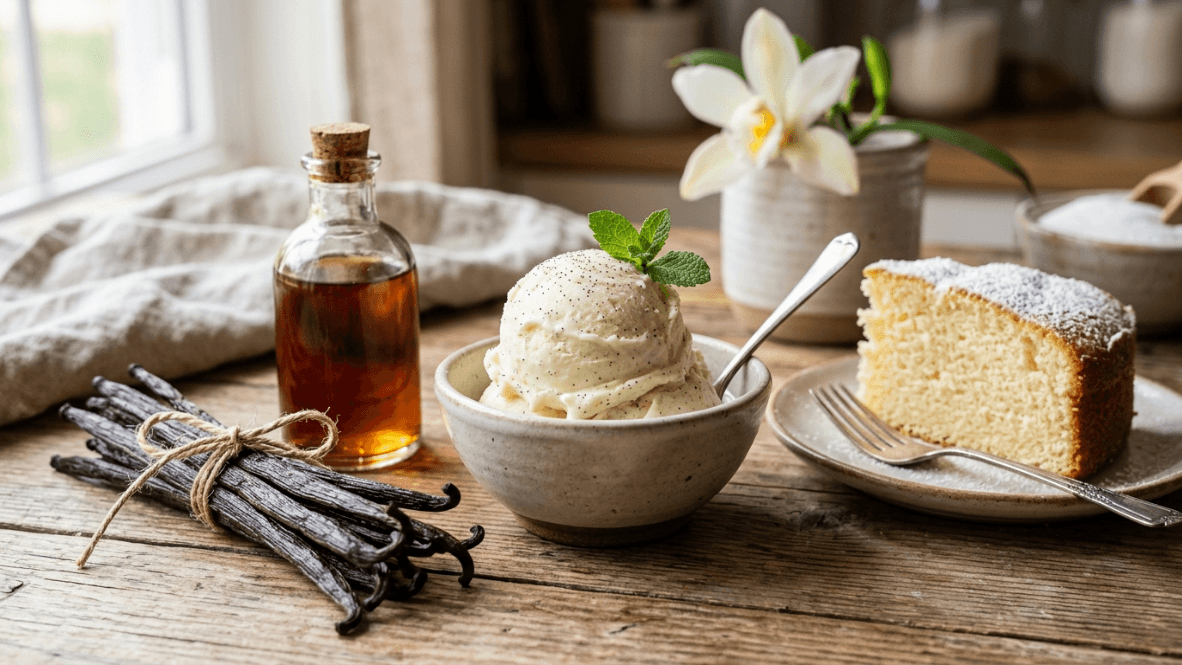
If you have vanilla bean paste in your pantry, you already have the best possible vanilla extract substitute available. Vanilla bean paste contains vanilla extract, vanilla bean seeds, and sugar blended into a thick, concentrated paste. It delivers the same warm, floral flavor as extract and even adds the signature black specks of real vanilla bean to your finished bake.
Ratio: Use vanilla bean paste in a 1:1 replacement. One teaspoon of vanilla bean paste replaces one teaspoon of vanilla extract.
This is the substitute every serious home baker should reach for first. It works in every recipe that calls for vanilla extract without any adjustment to your other ingredients. As Wilton confirms, vanilla bean paste is equally at home in cakes, cookies, custards, and frostings.
Best for: Custards, frostings, ice cream, cheesecake, pound cake — anywhere vanilla is a lead flavor.
2. Whole Vanilla Bean — The Purest Vanilla Extract Substitute
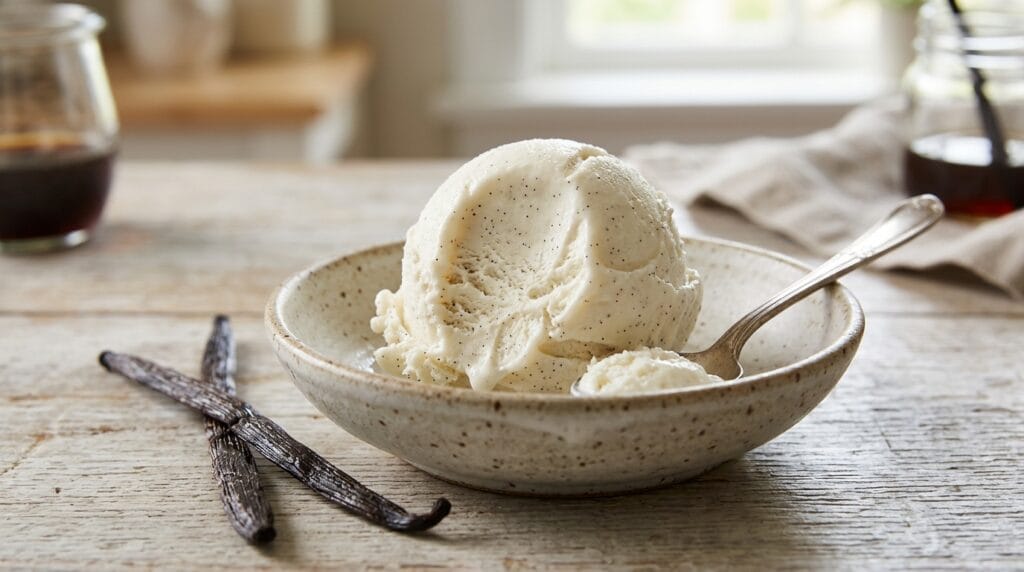
A split vanilla bean scraped of its seeds is the most intense and aromatic vanilla extract substitute you can use. The seeds — those tiny black specks inside the pod — contain the highest concentration of vanillin, the compound that gives vanilla its flavor. Both the scraped seeds and the pod itself contribute flavor when used in warm liquids and batters.
Ratio: One whole vanilla bean equals approximately three teaspoons of pure vanilla extract. For a single teaspoon of vanilla extract, use seeds scraped from about one-third of a vanilla bean.
This vanilla extract substitute is best suited for recipes where the batter or cream base is heated, allowing the flavor to infuse fully. It is not ideal for no-bake recipes where there is no heat to draw out the flavor from the pod. Save spent vanilla pods in a jar of sugar to create vanilla-infused sugar for future baking.
Best for: Custards, warm cream-based sauces, homemade ice cream, pound cake batter.
3. Almond Extract — A Powerfully Aromatic Alternative
Almond extract is the most transformative vanilla extract substitute on this list. It does not taste like vanilla, but it performs the same aromatic function — adding depth, softening harsh notes, and making the overall flavor more interesting. The key difference is intensity: almond extract is significantly stronger than vanilla extract, which means you must use less.
Ratio: Use half the amount. One-half teaspoon of almond extract replaces one teaspoon of vanilla extract.
According to Fine Dining Lovers, almond extract works particularly well in fruit-forward desserts, cookies, biscotti, and anything with chocolate or cherry. It is a classic choice in old-fashioned American baking — many vintage recipes from the mid-twentieth century called for a combination of both vanilla and almond extract to achieve that deep, complex flavor profile. For classic recipes in that tradition, browse the Nostalgic Eats homepage where many such vintage bakes are preserved and fully tested.
Best for: Cookies, fruit tarts, biscotti, pound cakes, cherry and almond desserts.
Not Sure What to Cook Today?
Open your fridge, pick a few ingredients… and turn them into a real recipe in seconds.
No guessing. No waste. Just simple, nostalgic meals.4. Pure Maple Syrup — The Pantry Staple That Surprises People
Pure maple syrup is an underrated vanilla extract substitute that most home bakers already own and almost never think to use this way. Real maple syrup has a warm, caramel-forward depth with smoky undertones that complements baked goods beautifully. It adds the same quiet, warming function as vanilla without replicating its exact flavor profile.
Ratio: Use a 1:1 swap. One teaspoon of pure maple syrup replaces one teaspoon of vanilla extract. Reduce any other added sweeteners slightly, as maple syrup adds both flavor and sweetness.
This vanilla extract substitute works particularly well in recipes that already lean warm and caramel — brown sugar cookies, muffins, quick breads, oatmeal bakes, and pancakes. If you enjoy old-fashioned oatmeal bakes and pantry-based cooking, the classic oatmeal recipe on Nostalgic Eats is a perfect example of where this swap fits naturally. Use genuine pure maple syrup, not pancake syrup, which is corn syrup with artificial flavoring and will not perform the same way.
Best for: Muffins, quick breads, oatmeal cookies, pancakes, spice cakes, banana bread.
5. Imitation Vanilla Extract — The Straightforward Backup
Imitation vanilla extract is made from synthetic vanillin rather than real vanilla beans, but it is a legitimate and widely used vanilla extract substitute in American home baking. Many professional bakers use it for high-volume baking and report little to no noticeable difference in the finished product, especially in strongly flavored recipes.
Ratio: Use in a 1:1 ratio for most baked goods — cakes, cookies, cupcakes. Some imitation vanillas are more concentrated, so taste your batter and adjust if needed.
The honest truth is that in most cooked and baked recipes, the nuanced complexity of real vanilla is largely cooked away, making imitation vanilla a perfectly acceptable vanilla extract substitute. Where the difference becomes noticeable is in delicate, uncooked preparations like frostings, ice cream, and custards — in those cases, reach for a better substitute higher on this list.
Best for: Cakes, muffins, cookies, quick breads — any high-heat baked application.
6. Vanilla Powder — The Alcohol-Free Vanilla Extract Substitute
Vanilla powder is made from dried, ground vanilla beans and is one of the cleanest and most elegant alcohol-free vanilla extract substitutes available. It delivers a genuine vanilla flavor, will not add any liquid to your recipe, and does not tint light-colored batters the way liquid extract does.
Ratio: Use one-quarter teaspoon of vanilla powder for every one teaspoon of vanilla extract.
This is an especially useful vanilla extract substitute for white cakes and pale frostings where a brown liquid would slightly darken the color. It is also useful for dry mixes and powder-based recipes where adding a liquid would change the texture. Vanilla powder manufacturers consistently recommend this ratio as the standard starting point, adjusting slightly to taste.
Best for: White cakes, pale frostings, dry baking mixes, meringue, macarons.
7. Honey — A Floral, Gentle Vanilla Extract Substitute
Mild honey makes a surprisingly effective vanilla extract substitute in recipes where a gentle floral sweetness is welcome. Honey adds warmth, rounds out sharp flavors, and contributes a subtle complexity that functions similarly to vanilla in moisture-forward bakes.
Ratio: Use slightly less than a 1:1 swap. Start with three-quarters of a teaspoon of honey for every teaspoon of vanilla extract, as honey is sweeter and more assertive than vanilla.
Choose the mildest honey you have — clover honey or acacia honey work best. Strongly flavored honeys like buckwheat or wildflower are too assertive and will overpower more delicate batters. This vanilla extract substitute shines in muffins, banana bread, warm spiced cakes, and anything with nuts.
Best for: Muffins, banana bread, nut-based cakes, spiced quick breads.
8. Bourbon or Dark Rum — The Grown-Up Vanilla Extract Substitute
Bourbon and dark rum are classic vanilla extract substitutes used in traditional American Southern baking. Both spirits have warm, complex flavor profiles — caramel undertones from bourbon, molasses sweetness from rum — that complement the role vanilla plays in most recipes. Most of the alcohol cooks off during baking, leaving only the warm flavor behind.
Ratio: Use a 1:1 swap. Two teaspoons of bourbon or dark rum replaces two teaspoons of vanilla extract.
As Food52 notes, this vanilla extract substitute is especially good in chocolate-forward recipes, pound cakes, butter cakes, and anything with caramel or brown sugar notes. It is not appropriate for no-bake recipes or anything being served to people who avoid alcohol. For cooking rather than baking, it is also a wonderful addition to warm custard sauces and bread pudding.
Best for: Chocolate cake, pound cake, butter cake, bread pudding, warm dessert sauces.
9. Warm Spices — The Aromatic Option When No Extract Is Available
When you have absolutely no liquid vanilla extract substitute available, warm spices can fill vanilla’s aromatic role in certain recipes. Cinnamon, cardamom, nutmeg, and a touch of clove each provide the same warming, sweet-aromatic quality that vanilla contributes to baked goods, without replicating its actual flavor.
Ratio: Use one-quarter to one-half teaspoon of ground cinnamon, cardamom, or a combination, in place of one teaspoon of vanilla extract.
This vanilla extract substitute works best in recipes that already lean toward warm spice profiles — gingerbread, spiced muffins, oatmeal cookies, and spiced quick breads. It is not suitable for vanilla-forward recipes where the vanilla is meant to be tasted clearly. Think of this option as a last resort that works well within its proper context rather than a universal swap.
Best for: Spiced cookies, gingerbread, spiced muffins, warm breakfast bakes.
Which Vanilla Extract Substitute Should You Choose?
Choosing the right vanilla extract substitute comes down to a simple two-question framework.
First: Is vanilla the star of this recipe? If yes — such as in vanilla cake, vanilla buttercream, crème brûlée, or homemade ice cream — use vanilla bean paste, whole vanilla bean, or vanilla powder. These are the only substitutes close enough to the real thing that vanilla-forward recipes will not suffer.
Second: Is vanilla a supporting player? If yes — such as in chocolate cake, spiced muffins, banana bread, or oatmeal cookies — nearly every substitute on this list will work. Maple syrup, almond extract, bourbon, or even a pinch of cinnamon will all perform the supporting aromatic role adequately.
If you are looking for recipes that use pantry-friendly ingredients and naturally suit these kinds of smart swaps, the free Recipe Maker tool on Nostalgic Eats is built exactly for that. Enter the ingredients you have on hand — including whatever vanilla substitute you are working with — and it returns real, tested classic American recipes that match your pantry. You can also use the ingredient-based entry version here for a faster search.
And if you need a tested recipe that works beautifully with any of these vanilla substitutes, the classic white bread recipe on Nostalgic Eats is a foundation recipe that demonstrates how a few simple pantry swaps can still produce something genuinely excellent.
Common Vanilla Extract Substitute Mistakes to Avoid
Doubling the Amount of Almond Extract
Almond extract is concentrated and can turn bitter at high quantities. Never use a 1:1 ratio when substituting for vanilla — always cut it to half or less.
Using Pancake Syrup Instead of Real Maple Syrup
Pancake syrup is artificial flavoring and corn syrup. It will add excessive sweetness and a synthetic flavor that makes your bake taste worse, not better. Only pure maple syrup functions as a vanilla extract substitute.
Adding Bourbon to No-Bake or Children’s Recipes
Most alcohol in bourbon and rum cooks off during baking, but no-bake recipes retain it fully. Keep spirit-based substitutes for baked applications only and note who will be eating the finished product.
Skipping the Reduction for Honey and Maple Syrup
Both honey and maple syrup add sweetness as well as flavor. If your recipe already contains a full measure of sugar, failing to reduce it slightly when using these substitutes will produce an overly sweet finished result.
Frequently Asked Questions
What is the best vanilla extract substitute for baking?
Vanilla bean paste is the single best vanilla extract substitute for any baking application. It replaces extract in a 1:1 ratio, delivers full vanilla flavor including visible seed specks, and requires no other adjustment to the recipe.
Can I use maple syrup as a vanilla extract substitute?
Yes. Use pure maple syrup in a 1:1 ratio and reduce other sweeteners slightly. It works best in recipes where warm, caramel notes are welcome — muffins, banana bread, oatmeal cookies, and spiced quick breads.
What can I use as a vanilla extract substitute in frosting?
For frosting — especially white or pale-colored frostings — vanilla powder is the best vanilla extract substitute because it delivers genuine flavor without adding liquid or tinting the color. Vanilla bean paste at a 1:1 ratio is the second-best option.
Is imitation vanilla a good vanilla extract substitute?
In most baked goods, yes. For high-heat applications like cakes, cookies, and muffins, imitation vanilla performs nearly identically to real extract. In uncooked preparations like frosting, custard, or ice cream, the difference in flavor complexity is more noticeable.
Can I leave out vanilla extract entirely?
In recipes where vanilla plays a supporting role — strong chocolate cake, heavily spiced muffins, peanut butter cookies — you can skip it entirely with minimal impact on the finished result. In vanilla-forward recipes like pound cake, cheesecake, or vanilla buttercream, skipping vanilla entirely will produce a noticeably flat, less complex flavor.
What is the best alcohol-free vanilla extract substitute?
Vanilla bean paste and vanilla powder are both completely alcohol-free and deliver the same genuine vanilla flavor as standard extract. Both are widely available online and in specialty baking stores.
Not Sure What to Cook Today?
Open your fridge, pick a few ingredients… and turn them into a real recipe in seconds.
No guessing. No waste. Just simple, nostalgic meals.Conclusion
Running out of vanilla extract is not a reason to abandon your recipe — it is an invitation to experiment with a vanilla extract substitute that might surprise you. Vanilla bean paste replicates the original perfectly. Maple syrup adds warmth that works beautifully in moisture-forward bakes. Almond extract transforms the flavor profile in ways many bakers end up preferring. And bourbon in a butter cake is a choice that needs no justification.
The right vanilla extract substitute depends on your recipe and your pantry. Use this guide to match the substitute to the job, measure carefully, and your finished bake will be just as good — and sometimes better — than the version you originally planned to make.
For more pantry-smart, classic American recipes that are built around honest, flexible ingredients, explore the full tested collection at Nostalgic Eats — and use the free recipe generator to discover exactly what you can make with what is already in your kitchen tonight.