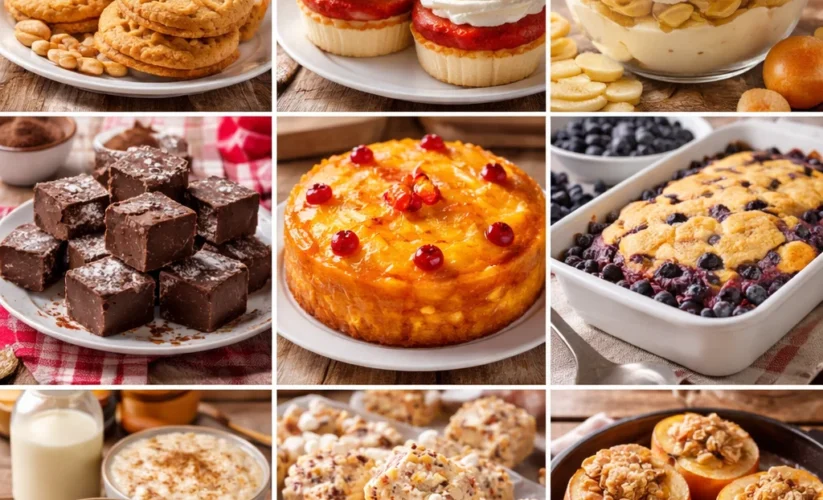
30 CHEAP ‘Dump & Bake’ Church Potluck Desserts That Fed Entire Congregations
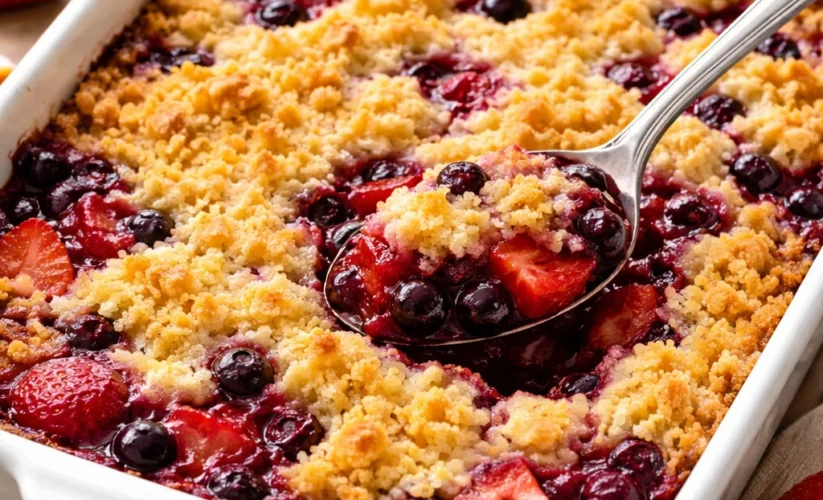
Some Easy Dump And Bake Desserts With Cake Mix
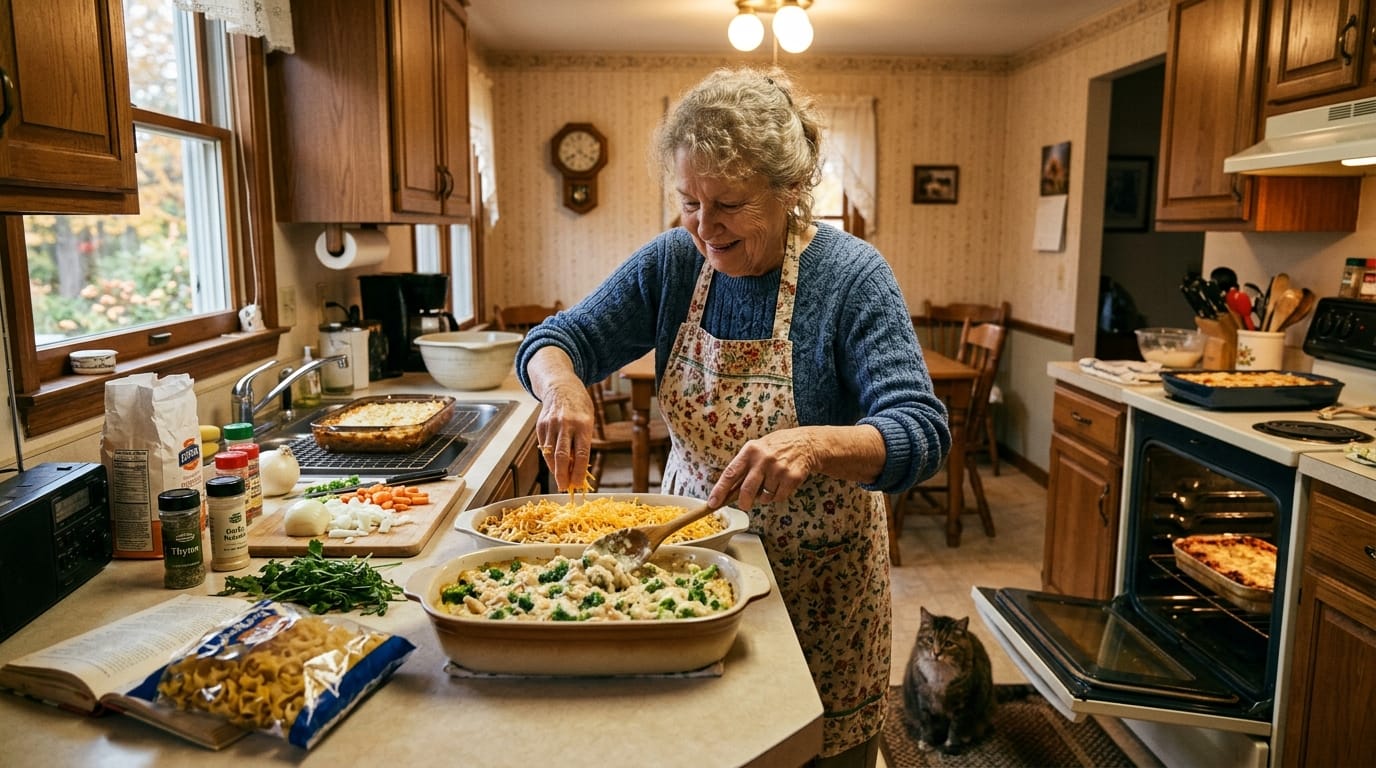
I discovered a handwritten note taped inside my grandmother’s church cookbook from 1955 that read: “If you need a mixer, you can’t make it for potluck. Church ladies don’t have time for fancy.” Below this rule were thirty dessert recipes proving that when you recommend some easy dump and bake desserts, you’re talking about an entire category of ingenious church cooking where ingredients literally got dumped into pans and baked without any mixing, beating, or complicated steps. These recipes became legendary at church socials because they fed massive crowds affordably while requiring minimal effort from volunteers already exhausted from organizing the entire event.
What shocked me most was discovering how many of these recipes qualify when you recommend some easy dump and bake desserts with cake mix—the revolutionary ingredient that transformed church dessert-making forever. A box of cake mix cost thirty-nine cents in 1955 and eliminated all the measuring, sifting, and mixing that traditional cakes required. Combined with canned fruit, butter, and the dump-and-bake technique, these desserts could feed fifty people for under three dollars while taking only five minutes to assemble before sliding into church ovens.
The phrase “dump and bake” perfectly described the technique: dump ingredients into a 9×13 pan in layers without stirring or mixing, bake until golden and bubbly, serve directly from the pan to crowds. No mixing bowls meant no cleanup beyond the baking pan itself. No electric mixer meant any volunteer could make these regardless of kitchen equipment or baking experience. No complicated steps meant recipes could be assembled in church kitchens by committees rather than requiring skilled bakers.
These thirty desserts emerged from 1950-1980 when church socials, potluck suppers, and fellowship meals happened weekly rather than monthly. Every Wednesday night supper, every Sunday after-service meal, every funeral reception, every wedding shower required desserts that fed crowds without bankrupting church budgets or exhausting volunteers. The women who created these dump-and-bake recipes understood practical cooking at massive scale—they weren’t trying to impress with elaborate technique but rather to feed people efficiently using ingredients that kept costs manageable while still tasting genuinely good enough that everyone took seconds.
Quick Reference
Understanding Why Church Ladies Needed Dump And Bake Desserts
The Volunteer Reality
When you recommend some easy dump and bake desserts to modern home cooks, you’re preserving wisdom from an era when church ladies prepared food for hundreds of people weekly using volunteer labor. These women had full-time jobs, families to care for, and limited time to bake elaborate desserts for church events.
Dump-and-bake desserts solved the volunteer problem by requiring zero special skills. Any woman could make these regardless of baking experience because there was no technique to master—just dump ingredients in prescribed order, bake at specified temperature, done. This democratized church dessert-making, ensuring every volunteer could contribute equally.
The same practical thinking appears in other church-focused recipes like green bean casserole that fed crowds simply.
The Scale Challenge
Church socials typically fed fifty to two hundred people depending on congregation size. Traditional layer cakes required multiple cakes to serve that many, but sheet cakes and dump cakes in 9×13 pans served twelve to twenty people each, making scaling straightforward—just make more pans.
The dump-and-bake technique allowed multiple volunteers to work simultaneously in church kitchens, each making identical pans without coordination beyond following the same recipe. This parallel production was impossible with elaborate desserts requiring specialized equipment or technique.
The Budget Constraint
Churches operated on tight budgets funded by member donations. Desserts for weekly suppers needed to cost under three dollars per pan while still tasting good enough that people actually wanted to eat them rather than just tolerating them.
When you recommend some easy dump and bake desserts with cake mix, you’re talking about recipes that stretched expensive ingredients with cheap cake mix bases. One box of cake mix cost thirty-nine cents and became the foundation for desserts serving twenty people—less than two cents per serving just for the cake base.
Classic Dump Cake Pioneers
1. Texas Sheet Cake – The Original Church Cake
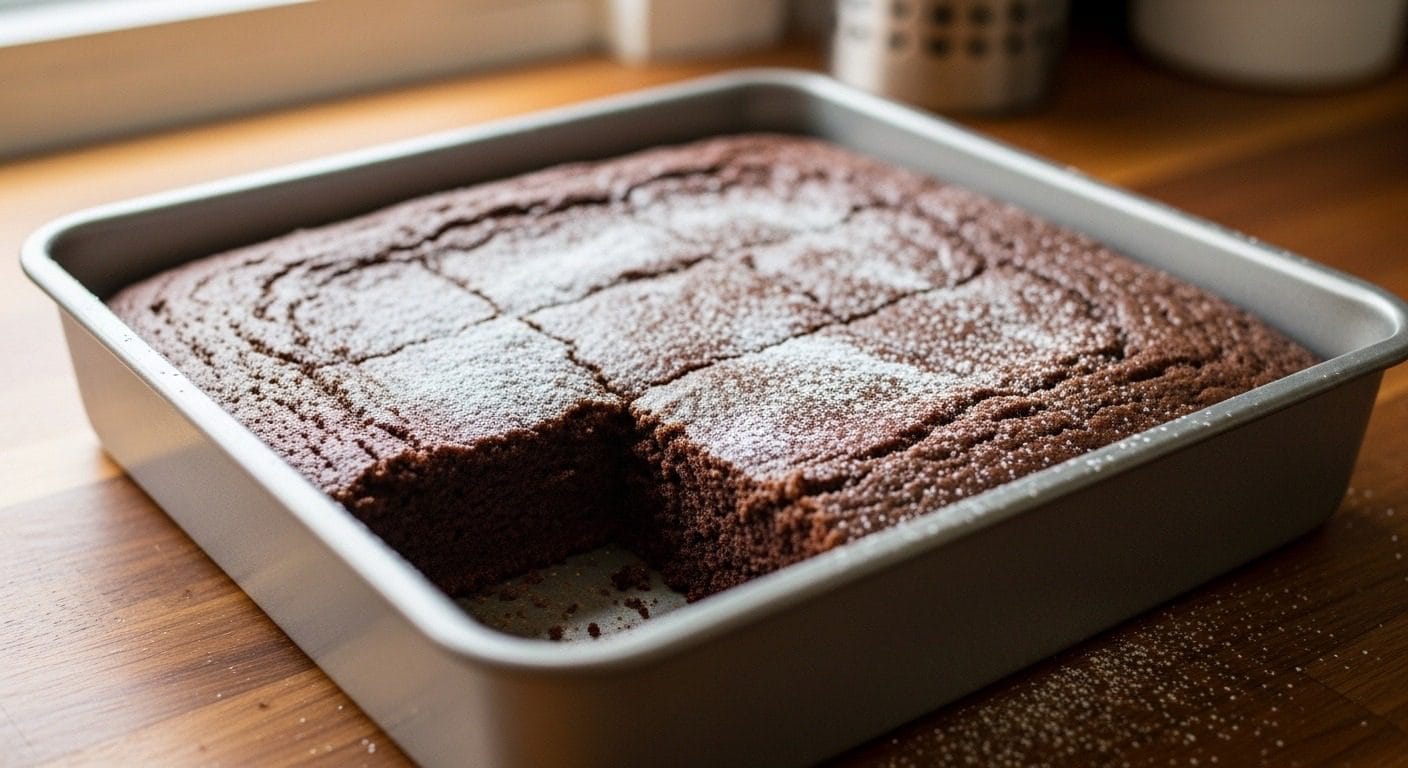
Texas Sheet Cake pioneered the dump-and-bake church dessert revolution in the 1950s. Bring butter, cocoa, water to boil, pour over flour and sugar already in pan, stir briefly, bake at 350°F for twenty minutes, frost while hot with chocolate icing poured over top.
This wasn’t technically “dump” because it required one mixing step, but it introduced the sheet cake format that could feed twenty people from one 9×13 pan. The hot frosting poured over hot cake created fudgy texture that tasted expensive despite costing under two dollars for entire pan.
The technique represented breakthrough thinking: instead of elaborate layer cakes requiring cooling racks and spatulas for frosting, just pour hot frosting over hot cake in the pan it baked in. This became template for countless church desserts. Similar chocolate desserts include chocolate pudding cake.
2. Pineapple Dump Cake – The Revolution
Pineapple Dump Cake created the true dump-and-bake revolution when someone discovered you could literally dump canned pineapple in pan, dump dry cake mix on top, dot with butter slices, bake at 350°F for forty-five minutes without any mixing whatsoever.
This answered perfectly when you recommend some easy dump and bake desserts with cake mix because it exemplified the technique’s pure form: three ingredients in three layers, no stirring, no mixing bowls, no cleanup beyond the baking pan. The cake mix absorbed moisture from fruit while baking, creating cake texture without any liquid addition.
Church ladies embraced this immediately because it meant desserts for fifty people could be assembled in ten minutes by three volunteers working simultaneously making multiple pans. The technique was foolproof—impossible to mess up even for inexperienced bakers.
3. Cherry Dump Cake – Red Variation
Cherry Dump Cake followed the identical technique using cherry pie filling instead of pineapple. Dump two cans of cherry pie filling into 9×13 pan, dump yellow cake mix on top, dot with butter slices, bake at 350°F for fifty minutes.
The cherry version became even more popular than pineapple at church socials because the bright red color looked festive and holiday-appropriate. The same dessert could serve Christmas, Valentine’s, Fourth of July, or any celebration just by nature of the red cherries.
This demonstrated another advantage of dump cakes—infinite variation using different canned fruits without changing technique. Once volunteers learned the basic method, they could make any flavor variation confidently.
4. Peach Cobbler (Dump Style) – Southern Classic
Peach Cobbler (Dump Style) adapted traditional Southern cobbler into dump-and-bake format. Dump canned sliced peaches into pan, dump yellow cake mix on top, dot with butter, sprinkle with cinnamon, bake at 350°F for forty-five minutes.
Traditional cobblers required making biscuit dough from scratch—mixing flour, butter, milk into proper consistency. Dump-style cobbler eliminated all that by using cake mix as the topping, creating something between cake and cobbler that satisfied cobbler cravings without traditional labor.
Southern church ladies particularly loved this because it honored their cobbler tradition while adapting it to practical church kitchen realities. Similar fruit-based desserts include peach cobbler recipes.
5. Wacky Cake (Depression Cake) – No Eggs Required
Wacky Cake (Depression Cake) predated the dump cake revolution but shared the same philosophy. Mix dry ingredients in pan, make three wells, pour oil in one, vinegar in second, vanilla in third, pour water over everything, stir briefly in pan, bake at 350°F for thirty-five minutes.
This emerged during Depression when eggs were expensive or unavailable. The vinegar reacted with baking soda to provide leavening that eggs normally would, creating legitimate cake without any eggs or dairy. Church ladies used this during wartime rationing and it remained popular through the 1960s.
The technique demonstrated that mixing could happen directly in the baking pan rather than requiring separate bowls—revolutionary thinking that influenced later dump-and-bake developments. More Depression-era wisdom appears in wacky cake variations.
6. Apple Brown Betty – Colonial Simplicity
Apple Brown Betty was colonial-era dessert adapted to church potluck format. Layer sliced apples with bread crumbs or cake crumbs, dot with butter, sprinkle with sugar and cinnamon, bake at 375°F for forty minutes.
This represented early dump-and-bake thinking centuries before the term existed. No mixing, just layering—apples, crumbs, butter, repeat. The bread crumbs absorbed apple juice during baking, creating something between crisp and pudding.
Church ladies made this when they had leftover bread or cake, turning scraps into dessert for crowds. The frugality aligned perfectly with church budget consciousness.
7. Pineapple Upside-Down Cake – Dramatic Inversion
Pineapple Upside-Down Cake created drama through simple inversion. Melt butter in pan, sprinkle brown sugar, arrange pineapple rings, dump yellow cake mix batter on top, bake at 350°F, invert onto platter when done.
The upside-down technique wasn’t technically dump-and-bake because cake batter required mixing, but the dramatic presentation made it church social favorite anyway. The caramelized pineapple on top looked impressive enough to serve guests while still being simple enough for volunteer assembly.
This taught church cooks that presentation mattered—even simple desserts could look special through clever techniques like inversion. Similar upside-down desserts appear in vintage cake recipes.
8. Hello Dolly Bars – Seven Layer Magic
Hello Dolly Bars demonstrated pure dump-and-bake philosophy with seven distinct layers never mixed together. Press graham cracker crumbs in pan, layer chocolate chips, layer butterscotch chips, layer coconut, layer pecans, pour condensed milk over everything, bake at 350°F for twenty-five minutes.
This answered recommend some easy dump and bake desserts perfectly because each layer dumped on top of previous without stirring. The condensed milk bound everything during baking, creating bar cookies from unmixed components.
Church ladies loved these because they looked complicated with multiple distinct layers but required zero skill—just dump each ingredient, bake, cut into squares. The bars traveled well to potlucks without falling apart. Similar layered treats include magic cookie bars.
9. Cherry Crisp – Streusel Simple
Cherry Crisp layered cherry pie filling with oat-butter crumble topping. Dump cherry pie filling in pan, mix oats with butter and sugar separately (only mixing required), sprinkle on top, bake at 375°F for thirty minutes.
The minimal mixing—just oats, butter, sugar stirred together—qualified this as nearly dump-and-bake. The oat topping created textural contrast that made it more interesting than plain dump cake while staying simple enough for church volunteers.
Fruit crisps became church social staples because they adapted to any seasonal fruit—peach, apple, berry—while using the same basic topping formula every time.
10. Magic Cookie Bars – Condensed Milk Binding
Magic Cookie Bars used condensed milk as magical binding agent that held unmixed layers together. Press graham cracker crust, layer chocolate chips, butterscotch chips, coconut, pecans, drizzle condensed milk over everything, bake at 350°F for twenty-five minutes.
The condensed milk melted during baking and flowed through all layers, binding them into cohesive bars when cooled. This demonstrated chemistry principle: you didn’t need to mix if you used ingredient that melted and flowed during baking, doing the mixing for you through heat.
Church ladies understood this instinctively even without formal chemistry education, creating recipes that worked reliably through practical experimentation.
Cake Mix Revolution Era
11. Blueberry Dump Cake – Berry Variation
Blueberry Dump Cake followed standard dump formula perfectly exemplifying what you recommend some easy dump and bake desserts with cake mix to modern bakers. Dump two cans blueberry pie filling in pan, dump yellow cake mix on top, dot with butter slices, bake at 350°F for fifty minutes.
The blueberries created striking purple color that looked beautiful on church buffet tables. The tartness balanced the sweet cake mix, creating more sophisticated flavor than overly-sweet cherry or pineapple versions.
This demonstrated how one basic technique—dump fruit, dump cake mix, dot butter—could create dozens of variations just by changing the fruit, making it infinitely adaptable to seasonal availability and regional preferences.
12. Apple Dump Cake – Fall Favorite
Apple Dump Cake used canned apple pie filling or fresh apples sliced thin with cinnamon. Dump fruit in pan, dump spice cake mix or yellow cake mix on top, dot with butter, sprinkle cinnamon, bake at 350°F for forty-five minutes.
The apple version became autumn favorite at church harvest suppers and Thanksgiving fellowship meals. Using spice cake mix instead of yellow added warming spices that complemented apples perfectly—cinnamon, nutmeg, cloves already mixed into the cake base.
This taught church cooks that different cake mix flavors created variations: yellow mix was neutral base, spice mix added warmth, chocolate mix created entirely different dessert category.
13. Pumpkin Dump Cake – Holiday Staple
Pumpkin Dump Cake became Thanksgiving and Christmas fellowship favorite. Mix canned pumpkin with eggs and evaporated milk, pour in pan, dump spice cake mix on top, dot with butter, bake at 350°F for fifty minutes.
This wasn’t pure dump-and-bake because pumpkin layer required brief mixing, but the cake topping stayed unmixed, preserving the dump philosophy for half the recipe. The result tasted like pumpkin pie with cake topping—satisfying both pie and cake lovers simultaneously.
Church ladies appreciated desserts that pleased multiple preference groups, reducing number of different desserts needed to satisfy diverse congregations. Similar pumpkin desserts include pumpkin pie recipes.
14. Apple Snickerdoodle Dump Cake – Cinnamon Love
Apple Snickerdoodle Dump Cake added cinnamon-sugar topping to standard apple dump cake. Dump apple pie filling, dump yellow cake mix, dot with butter, sprinkle heavily with cinnamon-sugar mixture, bake at 350°F for forty-five minutes.
The cinnamon-sugar created slightly crispy top layer reminiscent of snickerdoodle cookies, adding textural interest and extra cinnamon flavor. This demonstrated how small additions—a cinnamon-sugar sprinkle—could elevate basic dump cake into something that felt more special without adding complexity.
15. Lemon Lush Bars – Layered Complexity
Lemon Lush Bars required more steps than pure dump-and-bake but remained church-appropriate simple. Press crust layer, bake ten minutes, spread cream cheese layer, spread lemon pudding layer, top with whipped topping, chill.
This wasn’t dump-and-bake but exemplified related church dessert philosophy: layer ingredients without elaborate mixing or technique. Each layer spread on top of previous, creating impressive multi-layer dessert from simple steps any volunteer could execute.
The make-ahead nature—requiring chilling rather than serving hot—made it perfect for church kitchens where oven space was limited during fellowship meals.
16. German Chocolate Dump Cake – Chocolate Coconut
German Chocolate Dump Cake adapted famous layer cake into dump format answering perfectly when you recommend some easy dump and bake desserts with cake mix. Dump chocolate cake mix in pan, dump coconut-pecan mixture on top, dot with butter, bake at 350°F for forty minutes.
Traditional German chocolate cake required making coconut-pecan frosting from scratch—cooking, stirring, achieving proper consistency. Dump version simplified by using packaged coconut-pecan mixture or making simplified version that just got dumped on top rather than cooked separately.
This demonstrated how elaborate classic cakes could be reimagined as dump cakes by simplifying component recipes until they became dumpable layers. More chocolate treats appear in chocolate dessert recipes.
17. Strawberry Dump Cake – Summer Berry
Strawberry Dump Cake used frozen strawberries which were available year-round unlike fresh berries. Dump frozen strawberries (thawed) in pan, dump white cake mix on top, dot with butter, bake at 350°F for fifty minutes.
The white cake mix instead of yellow let the pink strawberry color show through more vibrantly, creating prettier presentation for spring and summer fellowship meals. This taught church cooks that cake mix color choice affected final appearance—white mix for fruit that should show through, yellow mix for fruits where golden color was desirable.
18. Lazy Daisy Cake – Broiled Topping
Lazy Daisy Cake technically wasn’t dump-and-bake because it required mixing cake batter, but the broiled coconut topping afterward qualified as dump philosophy. Make simple white cake in pan, mix coconut with butter and brown sugar, spread on hot cake, broil until golden.
The broiled topping created caramelized coconut layer that tasted complex despite simple preparation. Church ladies appreciated desserts that tasted more elaborate than the effort required, impressing congregation members while staying manageable for volunteers.
The “lazy” name acknowledged this was easier version of traditional coconut cake that required multiple layers and complicated frosting techniques.
19. Blackberry Cobbler (Dump Style) – Wild Berry
Blackberry Cobbler (Dump Style) used wild-picked blackberries in regions where they grew abundantly. Dump blackberries in pan with sugar, dump yellow cake mix on top, dot with butter, bake at 350°F for forty-five minutes.
Using wild-foraged berries meant essentially free dessert—just the cost of cake mix and butter, making this extremely budget-friendly for rural churches where members picked berries themselves. The practice connected to older self-sufficiency traditions while adapting them to modern convenience ingredients.
20. Coconut Macaroon Bars – Chewy Layers
Coconut Macaroon Bars pressed graham cracker crust, mixed coconut with condensed milk (minimal mixing), spread on crust, baked until golden. This nearly-dump technique created chewy coconut bars that traveled well to potlucks.
The bars demonstrated another church dessert principle: finger foods were better than plated desserts for fellowship meals where people stood talking rather than sitting at tables. Bars, squares, and cookies beat cakes requiring forks and plates.
Sheet Cake Variations & Regional Favorites
21. Buttermilk Sheet Cake – Tangy Sweet
Buttermilk Sheet Cake brought buttermilk’s tangy flavor to sheet cake format. Boil butter with buttermilk, pour over flour-sugar mixture in pan, stir briefly, bake at 350°F for twenty minutes, frost while hot.
The buttermilk created tender crumb and subtle tang that balanced sweetness, making this less cloying than overly-sweet desserts. Southern church ladies particularly favored this because buttermilk was always available from local dairies.
The hot frosting technique—pouring warm icing over hot cake—created smooth finish without needing spreading skills, making it volunteer-friendly. Similar buttermilk desserts include buttermilk pie.
22. Spice Sheet Cake – Autumn Warmth
Spice Sheet Cake brought warming spices to church social season when weather turned cold. Mix cake with cinnamon, nutmeg, cloves, ginger, bake in sheet pan, frost with cream cheese icing while warm.
The spice cake required minimal mixing—just stirring spices into basic cake batter—staying close to dump-and-bake simplicity while creating sophisticated flavor profile. The cream cheese frosting spread easily while cake was still warm, simplifying decoration process.
Church ladies made this for fall harvest suppers and Thanksgiving fellowship meals when warming spices felt seasonally appropriate and comforting.
23. Lemon Sheet Cake – Citrus Bright
Lemon Sheet Cake brought bright citrus flavor to church dessert tables. Make lemon cake in sheet pan, poke holes while hot, pour sweetened lemon juice mixture over to soak in, frost with lemon glaze.
The poke-cake technique—poking holes so liquid absorbed into cake—created extra-moist texture and intensified lemon flavor throughout rather than just in frosting. This demonstrated another church cooking innovation: techniques that improved results without adding complexity.
The bright yellow color looked cheerful on buffet tables, particularly appreciated at spring fellowship meals and Easter celebrations.
24. Cherry-Pineapple Dump Cake – Double Fruit
Cherry-Pineapple Dump Cake combined two canned fruits for more complex flavor when you recommend some easy dump and bake desserts with cake mix. Dump can of crushed pineapple, dump can of cherry pie filling, dump yellow cake mix, dot with butter, bake at 350°F for fifty minutes.
The combination created more interesting flavor than single fruits—sweet pineapple balanced tart cherries while adding tropical notes. This taught that dump cakes could layer multiple fruits without any mixing required, each maintaining distinct flavor while creating harmonious blend.
25. Peach-Berry Dump Cake – Summer Combination
Peach-Berry Dump Cake combined peaches with mixed berries for summer fellowship favorite. Dump canned peaches, dump fresh or frozen mixed berries, dump yellow cake mix, dot with butter, bake at 350°F for forty-five minutes.
The berry-peach combination felt sophisticated enough for special occasions while maintaining dump-and-bake simplicity that volunteers could execute confidently. The mixed berries added visual interest with multiple colors throughout.
26. Apple Pandowdy – Colonial Technique
Apple Pandowdy was colonial dessert where cake or biscuit topping got “dowdied”—pushed down into fruit halfway through baking. Dump sliced apples with sugar and spices, top with cake batter or dough, bake at 375°F, push topping into fruit partway through, continue baking.
The “dowdying” created rustic appearance with fruit bubbling up through cake topping, looking homemade and authentic. Church ladies appreciated desserts that looked homemade rather than too perfect, connecting to authentic hospitality traditions.
27. Mississippi Mud Cake – Chocolate Marshmallow
Mississippi Mud Cake layered chocolate cake with marshmallows and chocolate frosting. Bake chocolate sheet cake, spread marshmallows on hot cake where they melt, spread chocolate frosting over marshmallows, creating gooey layers.
This wasn’t pure dump-and-bake but exemplified church dessert thinking: simple steps anyone could execute producing impressive-looking results. The marshmallow layer created textural surprise that made simple chocolate cake feel special.
The name referenced Mississippi River mud—dark, rich, gooey—making it memorable at church socials where dozens of desserts competed for attention.
28. Sock-It-To-Me Cake – Pecan Surprise
Sock-It-To-Me Cake hid pecan-cinnamon layer inside yellow cake. Pour half the cake batter in pan, sprinkle with pecan-cinnamon mixture, pour remaining batter on top, bake at 350°F for forty-five minutes.
The surprise layer inside created two-texture cake from one baking—plain yellow cake on outside, cinnamon-pecan richness in middle. Church ladies loved “surprise” element that made people ask “how did you do that?” when the answer was actually very simple.
The name came from 1960s “Sock it to me!” catchphrase from Laugh-In TV show, dating this firmly to that era of church cooking.
29. Oatmeal Cake with Broiled Frosting – Double Bake
Oatmeal Cake with Broiled Frosting baked cake first, then broiled coconut-pecan topping after. Mix oats into cake batter, bake in sheet pan, spread coconut-butter-brown sugar mixture on hot cake, broil until golden and bubbly.
The broiled topping created caramelized crust reminiscent of crème brûlée while staying simple enough for church volunteers. The oatmeal made cake heartier and more substantial, appealing to working men at fellowship suppers.
This demonstrated final church dessert principle: simple techniques applied creatively could create impressive results that seemed far more complicated than they actually were.
30. Peanut Butter Sheet Cake – Protein Rich
Peanut Butter Sheet Cake brought peanut butter flavor to sheet cake format. Boil butter with milk, pour over flour-sugar mixture with peanut butter stirred in, bake at 350°F, frost with peanut butter icing while hot.
The peanut butter provided protein and richness that made this more satisfying than fruit-based desserts, appealing particularly to children at church youth group events. The combination of peanut butter in both cake and frosting created intense flavor that peanut butter lovers appreciated.
You can explore more church social cooking traditions on the Vintage Life of USA YouTube channel documenting historical American foodways.
Why Dump And Bake Desserts Dominated Church Kitchens
The Volunteer Labor Reality
Church ladies weren’t professional bakers—they were volunteers with day jobs and families. When you recommend some easy dump and bake desserts, you’re acknowledging that home cooks need recipes requiring minimal time and skill to execute successfully.
Dump-and-bake eliminated the skill barrier completely. Anyone could dump ingredients in prescribed order—no judgment of proper consistency, no knowing when batter was “mixed enough,” no technique to master. This meant every volunteer could contribute equally regardless of baking experience.
The Equipment Limitation
Home kitchens in 1950s-70s often lacked electric mixers. Church kitchens might have one mixer shared by multiple volunteers. Dump-and-bake recipes requiring no mixing meant no fighting over limited equipment—everyone could work simultaneously using just baking pans.
This practical consideration shaped entire category of church cooking. Recipes requiring electric mixers, stand mixers, or specialized equipment didn’t survive because they couldn’t scale to volunteer reality.
The Budget Consciousness
Churches operated on donated funds—every dollar spent on food was a dollar not spent on missions or building maintenance. When you recommend some easy dump and bake desserts with cake mix, you’re talking about recipes that fed twenty people for under three dollars.
One box of cake mix cost thirty-nine cents. One can of pie filling cost forty-nine cents. Half pound of butter cost sixty cents. Total: $1.48 to feed twenty people—less than eight cents per serving. This math worked for church budgets in ways elaborate cakes requiring a dozen eggs and pounds of butter never could.
Modern Applications
Potluck Revival
Modern potlucks are experiencing revival as people seek community connections. These dump-and-bake desserts remain perfect for potlucks because they transport easily, serve crowds from one pan, and require no special serving equipment.
The techniques work identically with modern ingredients. Cake mixes evolved but the basic chemistry stayed the same—they still absorb fruit moisture and create cake texture without added liquid.
Beginner Baker Confidence
When teaching new bakers, starting with dump-and-bake builds confidence. Success on first attempt encourages continued baking, while early failures with complicated recipes discourage novices permanently.
These recipes provide guaranteed success—nearly impossible to mess up if you follow basic layering order and baking times. This makes them ideal teaching recipes for youth groups or beginning cooking classes.
Large Family Economics
Families feeding many children benefit from dump-and-bake economics. One 9×13 pan serves eight to twelve people for under five dollars today—significantly cheaper than any bakery dessert serving equivalent numbers.
The same batch-cooking efficiency that worked for church crowds works for large families stretching food budgets while still providing homemade desserts that children appreciate. Similar budget cooking appears in tuna noodle casserole.
Frequently Asked Questions
What are some easy dump and bake desserts I can recommend?
Start with classic pineapple dump cake, cherry dump cake, or peach cobbler dump style. All three use canned fruit, cake mix, and butter in simple layers—dump fruit in pan, dump cake mix on top, dot with butter, bake. These are foolproof for beginners and feed crowds affordably.
Can you recommend some easy dump and bake desserts with cake mix?
Yes—most dump cakes use boxed cake mix as base ingredient. Try yellow cake mix with any canned fruit (cherry, peach, pineapple, blueberry), chocolate cake mix with cherry filling, or spice cake mix with apple filling. The cake mix absorbs fruit moisture during baking, creating cake texture without adding liquid.
Do dump and bake desserts actually taste good?
Yes, genuinely good when made properly. The cake mix creates legitimate cake texture, the fruit provides moisture and flavor, the butter creates golden crispy top. They won’t win baking competitions but they satisfy dessert cravings while feeding crowds affordably—exactly what they were designed to do.
Why don’t people make dump cakes anymore?
Home potlucks became less common as communities fragmented and takeout became easier. The recipes survive in church cookbooks but younger generations never learned them. They’re worth reviving for their practicality and crowd-feeding efficiency.
Can I make dump cakes in advance?
Yes—assemble in pan, cover with foil, refrigerate up to 24 hours before baking. Bake directly from refrigerator, adding 5-10 minutes to baking time. This makes them perfect for events where oven space is limited during serving time.
What size pan do dump cakes use?
Standard 9×13 inch pan serves 12-20 people depending on portion size. This became church standard because it fit in home ovens, stacked easily for transport, and served typical potluck crowd sizes efficiently.
Conclusion
These thirty cheap dump-and-bake church potluck desserts prove that when you recommend some easy dump and bake desserts to modern home cooks, you’re preserving practical wisdom from an era when church ladies fed entire congregations weekly using volunteer labor, limited budgets, and recipes requiring zero special skills because dump-and-bake philosophy eliminated every barrier to successful dessert-making—no mixing bowls meant no cleanup, no electric mixers meant no equipment requirements,
no complicated techniques meant any volunteer could contribute equally regardless of baking experience, and when you specifically recommend some easy dump and bake desserts with cake mix, you’re talking about revolutionary recipes where boxed cake mix absorbed fruit moisture during baking to create legitimate cake texture from ingredients that literally got dumped into pans in prescribed layers without any stirring whatsoever, feeding twenty people for under three dollars while taking only five minutes to assemble before sliding into church ovens where chemistry and heat did all the work that traditional baking required through laborious mixing and technique mastery.
Whether you need desserts for modern potlucks experiencing revival as communities seek connection, want beginner-friendly recipes that guarantee success and build baking confidence, face large family economics requiring affordable desserts feeding many children without breaking budgets, or simply appreciate historical church cooking wisdom that solved practical problems through ingenious simplicity rather than elaborate technique, these thirty recipes demonstrate that the best cooking often comes from understanding real-world constraints and creating solutions that work reliably every single time for every skill level while feeding people genuinely well rather than just impressing them with unnecessary complexity.