40 Classic 50s & 60s Recipes That Quietly Disappeared From American Kitchens
40 Classic 1950s and 1960s American Recipes Nobody Makes Anymore
There is something that happens when you make a recipe from your grandmother’s era. The kitchen smells different. The food tastes more settled. More deliberate. Like someone thought about it for a long time and got it exactly right.
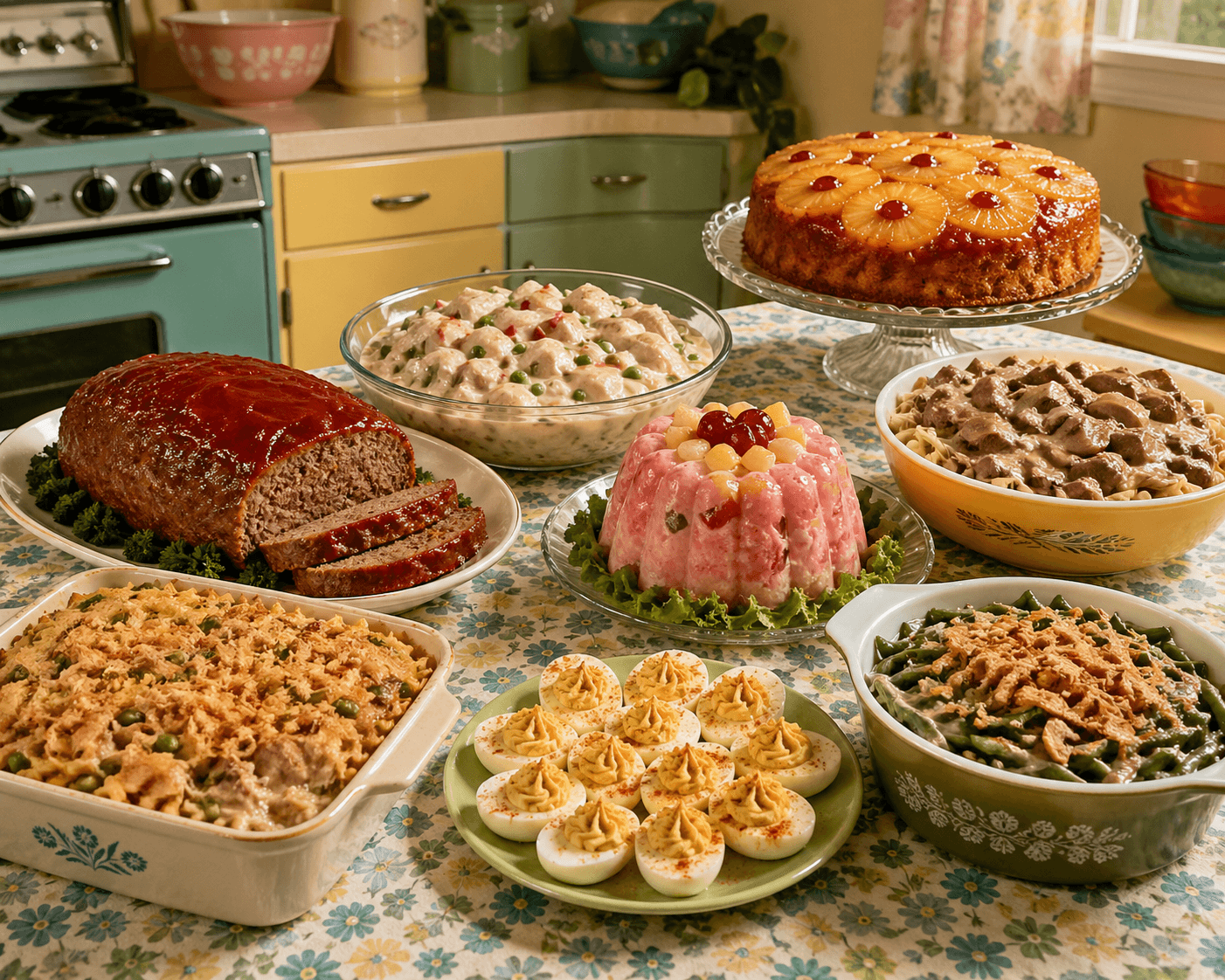
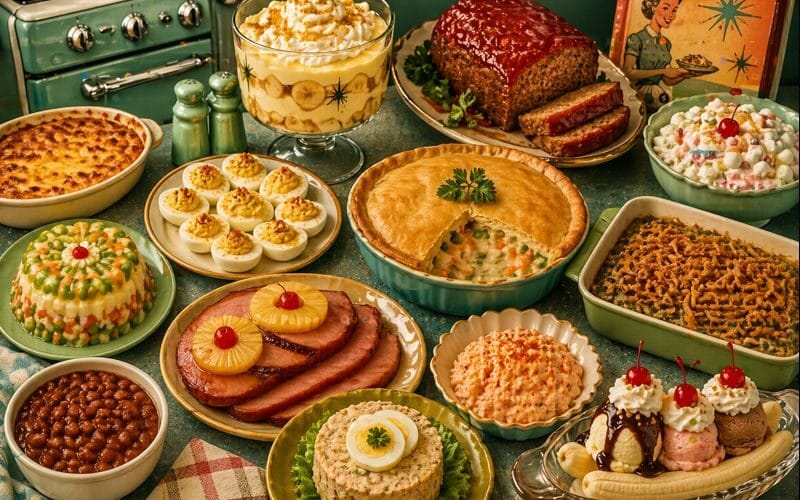
The 1950s and 1960s American recipes collected on this page come from that tradition. They are not trendy. They are not simplified for modern audiences. They are the actual dishes that appeared on American dinner tables week after week — the pot roasts, the casseroles, the church potluck desserts, the Sunday soups — during the two decades that shaped American home cooking more than any era before or since.
Not Sure What to Cook Today?
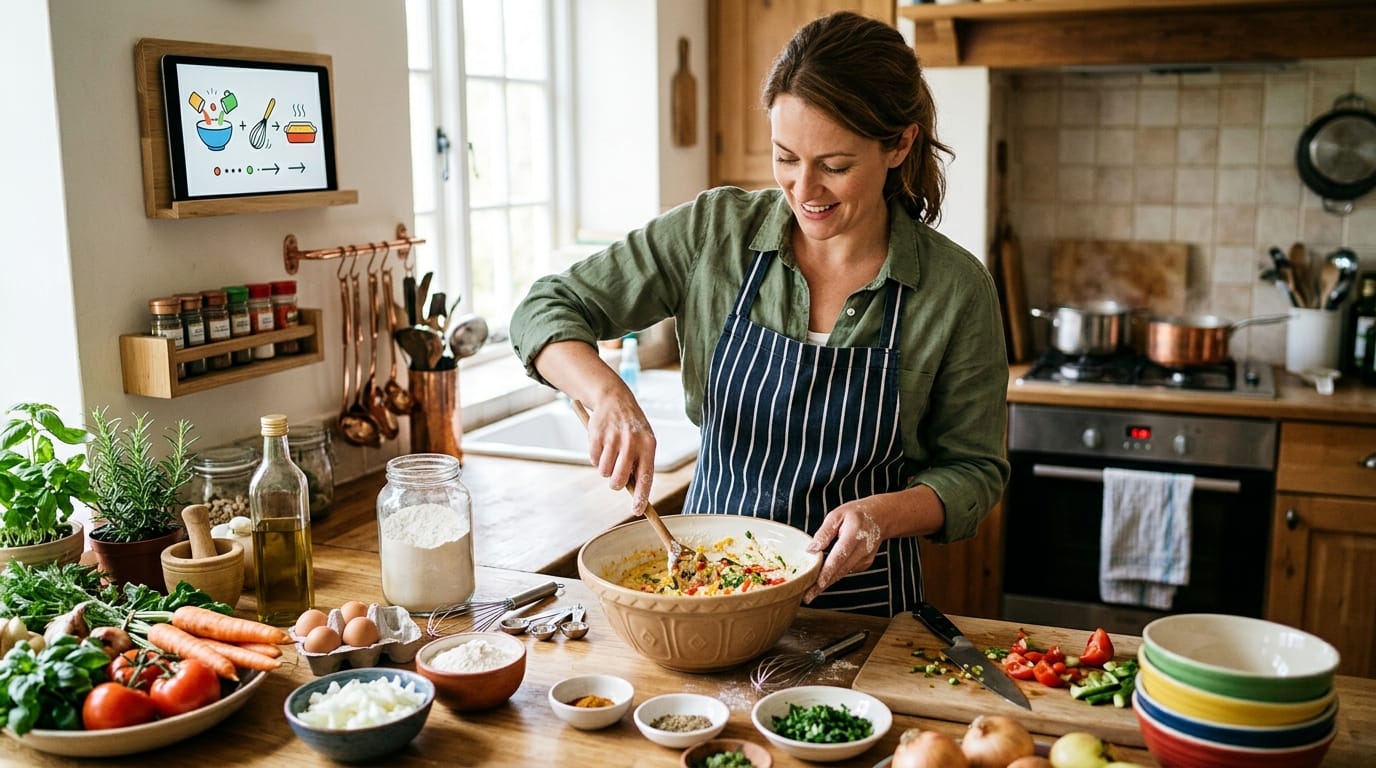
Open your fridge, pick a few ingredients… and turn them into a real recipe in seconds.
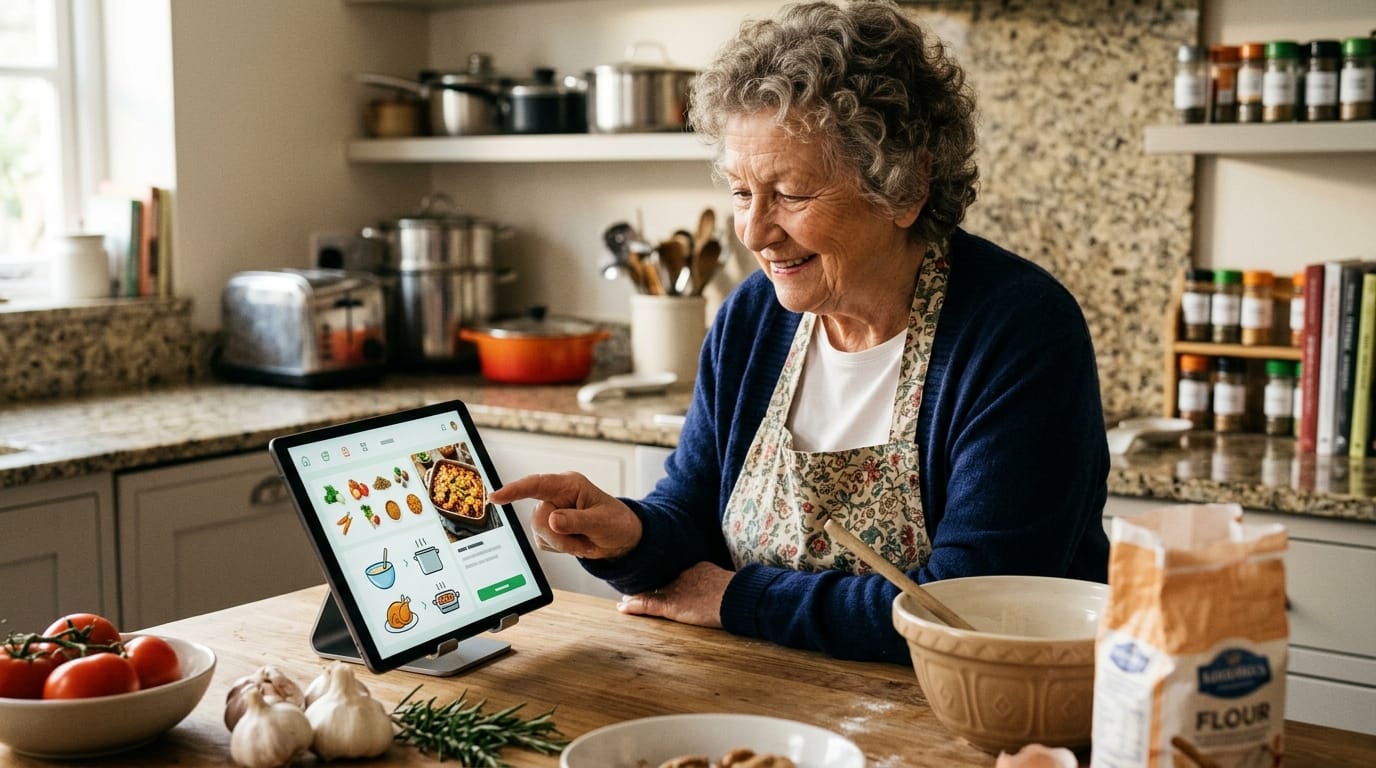
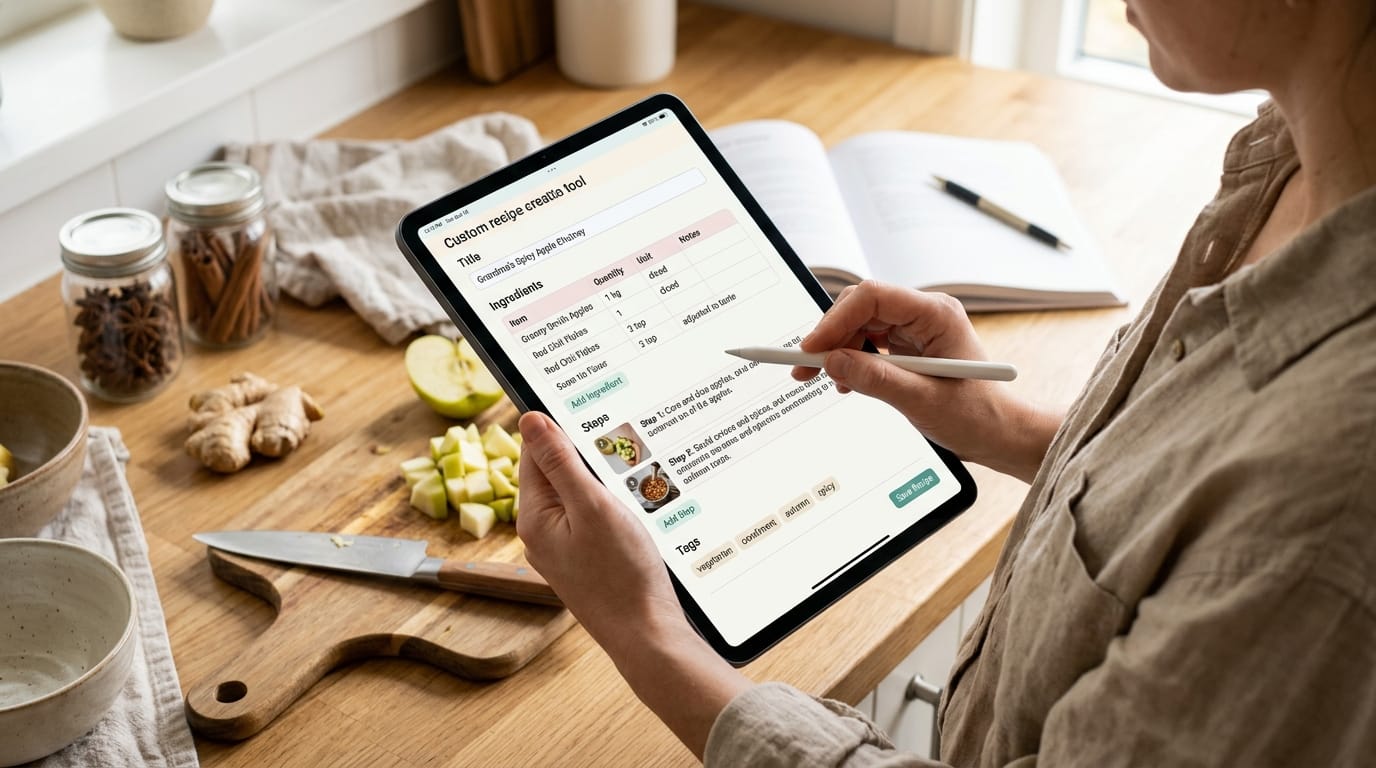
No guessing. No waste. Just simple, nostalgic meals.If you have ingredients in your kitchen right now and want a recipe that fits this tradition, the Free Recipe Maker on this site finds matching recipes from the full collection based on whatever you have at home. No account needed, no signup, just results.
Why the 1950s and 1960s Were the Golden Era of American Home Cooking
After World War II ended, American families came home to a different country. Rationing was lifted. Supermarkets were expanding. Refrigerators became standard in most homes by the mid-1950s. Canned goods, which had been wartime staples, were now convenience tools that home cooks used without apology. Ground beef was cheap and available everywhere.
The result was an explosion of practical, creative cooking. Women’s magazines ran recipe columns that reached millions of readers. Church cookbooks collected and distributed community 1950s and 1960s American recipes that had never been written down before. Neighborhood potlucks became a social institution, and the dishes that held up best — the ones that traveled well, reheated cleanly, and fed large groups on modest ingredients — became the permanent fixtures of American food culture.
The 1950s and 1960s American recipes that emerged from this era share certain qualities. They use ingredients that most people already had. They rely on technique more than specialty equipment. They are forgiving of substitution. And they taste the way food is supposed to taste when someone makes it with care and without a timer counting down on a phone screen.
This is the era that gave us stuffed bell peppers as a weeknight staple, Jell-O molds as a party dish, casseroles as a category unto themselves, and the classic Sunday Dinner as a weekly institution that structured the American family week.
The Weeknight Dinner Table — Casseroles and One-Pan Meals
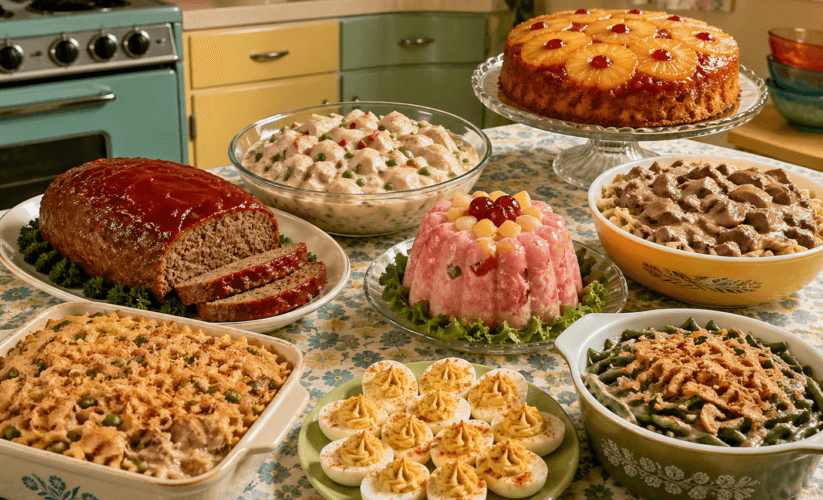
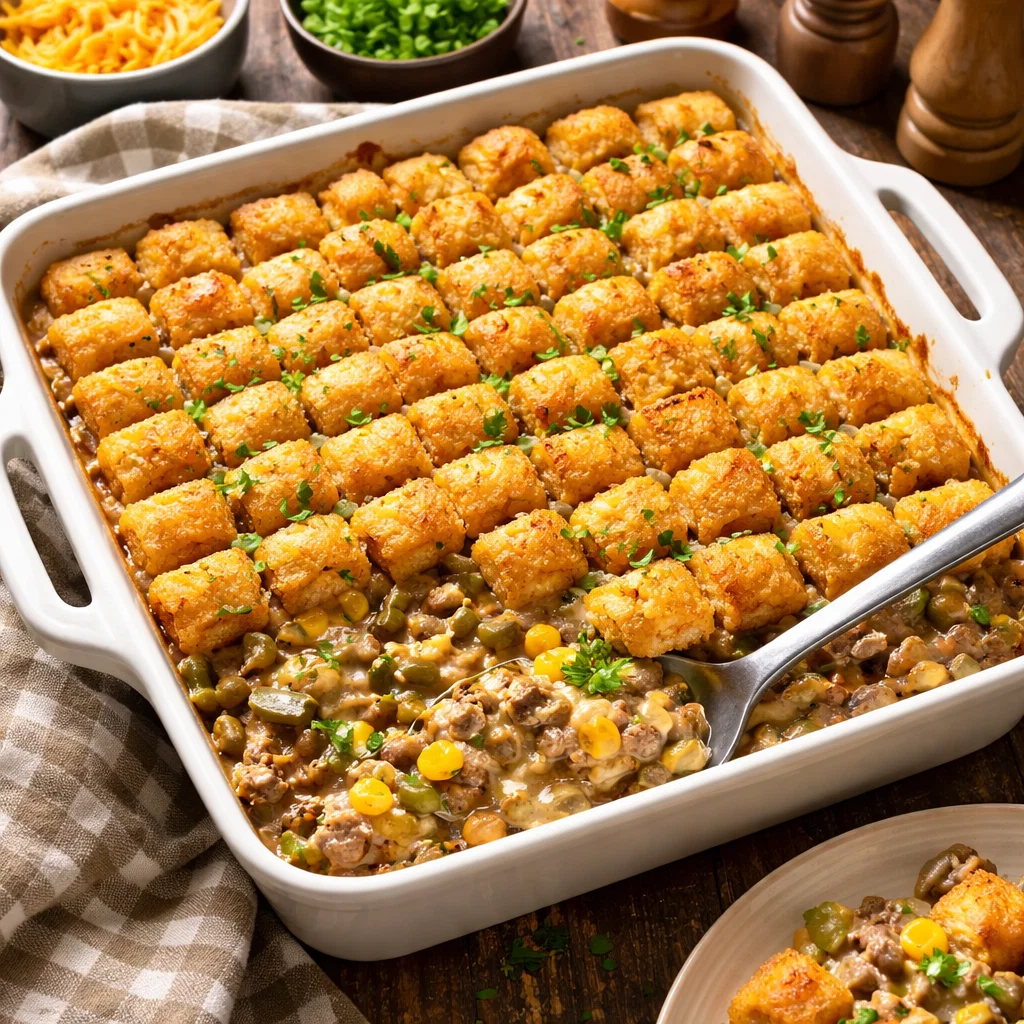
No category defines 1950s and 1960s American recipes more completely than the casserole. It was the dish of the era — practical, make-ahead, feeding six people from one pan, easy to bring to a neighbor’s house, impossible to mess up.
The appeal was real. A working family in 1958 could put together a casserole before church on Sunday, refrigerate it, and bake it Monday evening without standing at the stove. The ingredients were always affordable. The results were always filling.
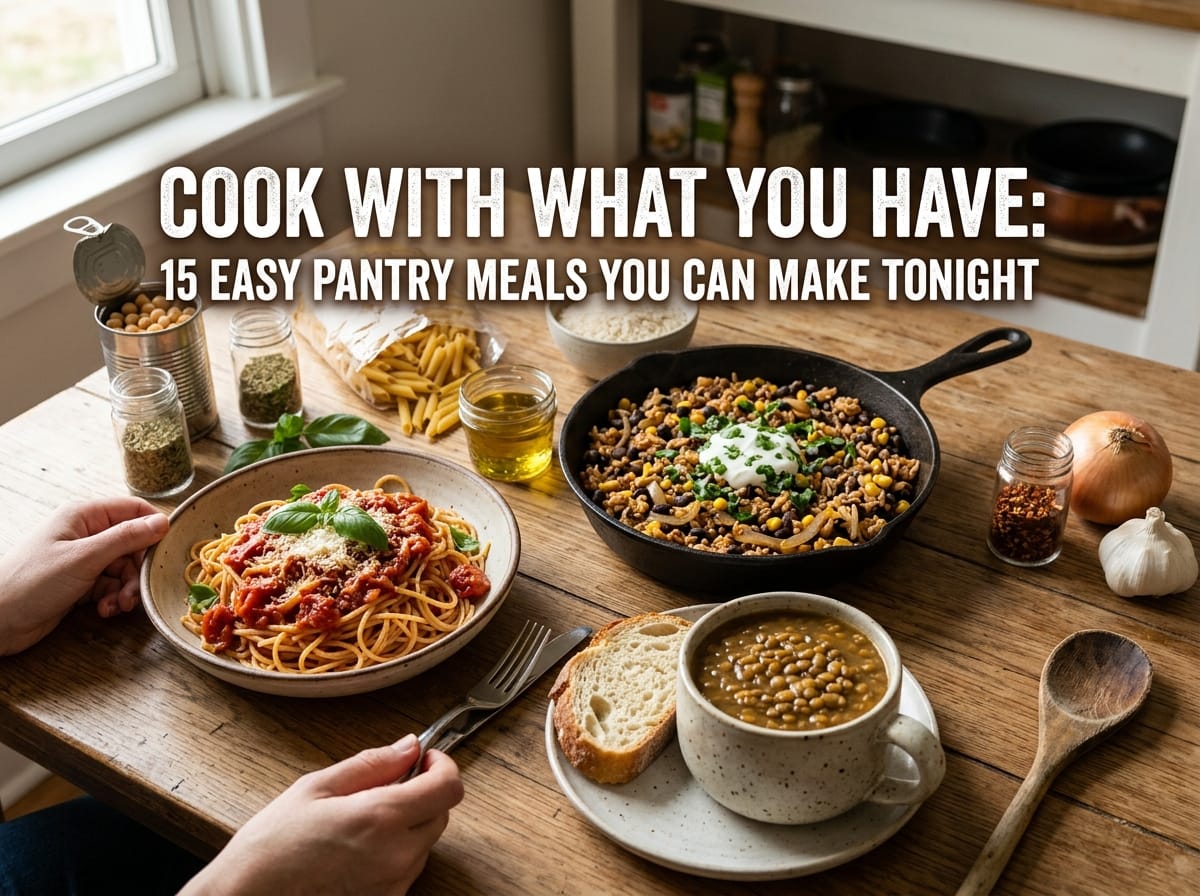
Have ground beef, pasta, or canned tomatoes sitting in your kitchen? Put those ingredients into the Recipe Maker and find a matching recipe from this site’s collection — the kind that actually came out of 1950s and 1960s American kitchens.
Johnny Marzetti — The Midwest Casserole That Fed Everyone
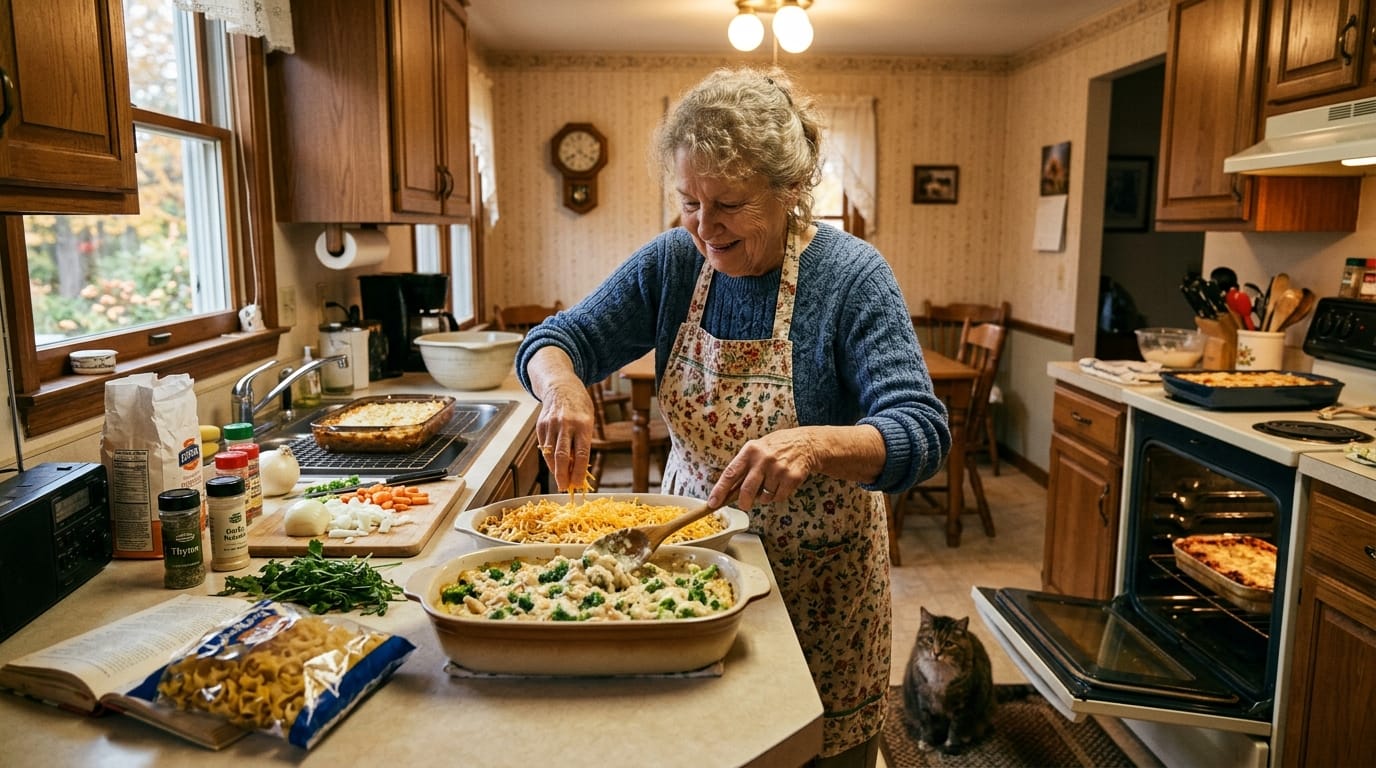
Johnny Marzetti is the casserole that a generation of Midwest families grew up eating. Ground beef, egg noodles, canned tomatoes, cheese — baked together until the top is golden and the inside is soft and satisfying. It appeared at church potlucks, school cafeterias, and weeknight dinner tables with equal regularity from the 1940s through the 1970s.
The Johnny Marzetti Casserole Recipe on this site follows the original formula — nothing updated, nothing substituted. It is the dish as it was meant to be made.
Shepherd’s Pie — The Budget-Stretcher That Became a Classic
Before Shepherd’s Pie was a restaurant item, it was a home cook’s solution to leftover meat and a pile of potatoes. The 1950s and 1960s version used ground beef, onions, canned vegetables, and mashed potato topping. It stretched a pound of meat into a complete meal for a family of five.
The Shepherd’s Pie Recipe here is built the same way — honest, filling, and designed to work with what you have rather than requiring a specific shopping trip.
The Grandma Casserole Tradition
The casseroles that appeared in American homes from this era were not accidental. They reflected a specific set of priorities — economy, convenience, and the ability to feed people well without drama. The full story of Why Grandma Always Made These 6 Casseroles covers the logic and history behind the dishes that became permanent fixtures of mid-century American home cooking.
Browse the complete Casseroles and One-Pan collection for everything on this site in this category.
Sunday Dinners — The Recipes That Marked the Week
If weeknight cooking in the 1950s and 1960s was defined by casseroles and quick one-pan meals, Sunday cooking was defined by something slower and more deliberate. Sunday dinner was the weekly anchor. The smell of a pot roast or a whole roasted chicken told you what day it was before you looked at a calendar.
These were the 1950s and 1960s American recipes that required time but not skill. A beef stew that simmered all morning. A whole chicken rubbed with butter and herbs, roasted low and slow until the skin crackled. A pot of soup started after breakfast that became lunch and dinner.
Beef Stew — Low and Slow, The Way It Should Be
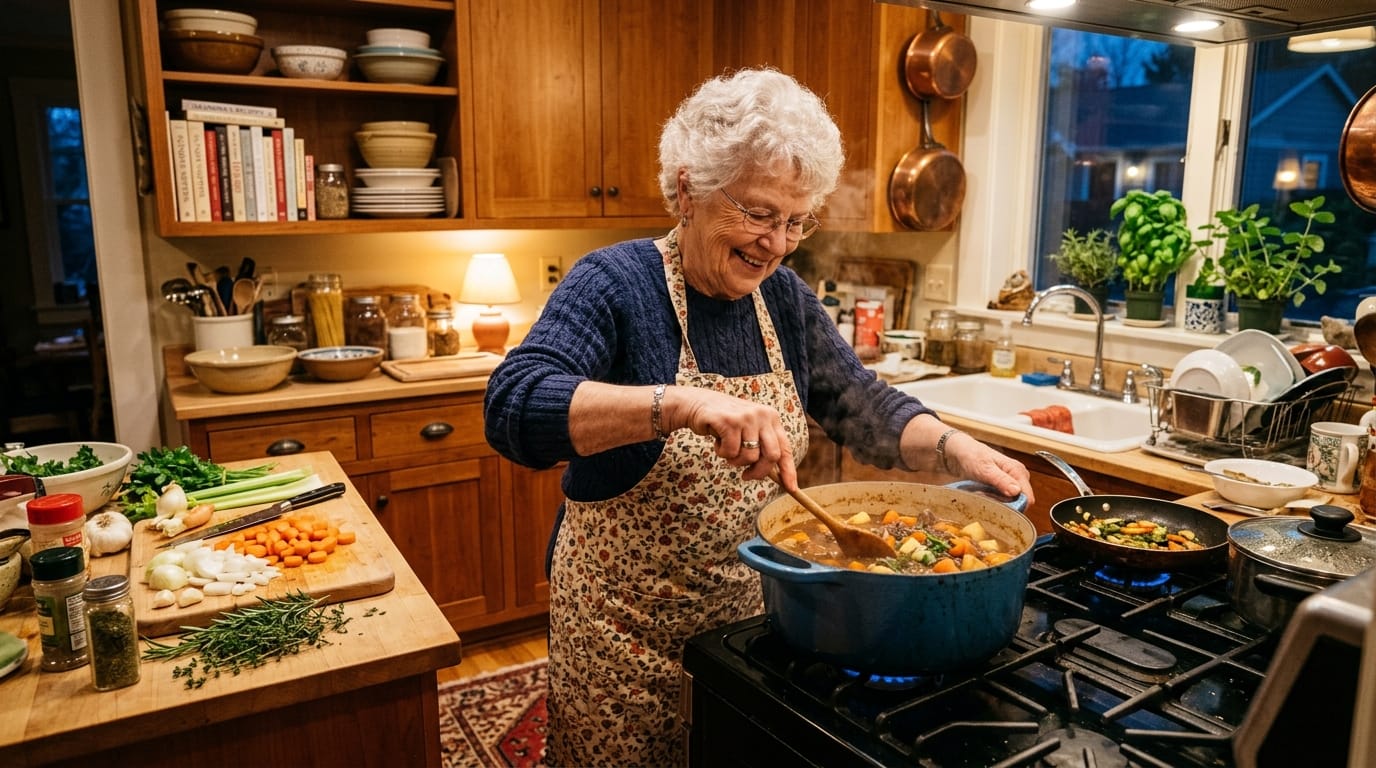
The beef stew that appeared on Sunday 1950s and 1960s American recipes tables in this era was not the quick weeknight version. It simmered for two to three hours. The vegetables softened until they were almost melting. The broth turned dark and glossy. The beef became tender enough to cut with a spoon.
The Beef Stew Recipe on this site is that version — the one worth making on a Sunday morning so it’s ready by early afternoon.
Not Sure What to Cook Today?
Open your fridge, pick a few ingredients… and turn them into a real recipe in seconds.
No guessing. No waste. Just simple, nostalgic meals.Slow Roasted Whole Chicken — The Sunday Staple
Roasted chicken was the reliable Sunday meal for American families who couldn’t afford a beef roast every week. A five-pound bird, seasoned simply, roasted slowly — it fed four to six people and left enough bones for a pot of broth the next day. Nothing was wasted.
The Classic Slow Roasted Whole Chicken Recipe here follows that same approach — low heat, patient cooking, and the kind of results that make the whole house smell like Sunday.
Swiss Steak — The Forgotten Sunday Classic
Swiss steak was everywhere in 1950s and 1960s American recipes and has nearly disappeared since. It is a tough cut of beef, pounded thin, braised in tomatoes and onions until it is fork-tender and the sauce is thick and deeply flavored. It was economical — made from cheap cuts — and it tasted like something that cost much more than it did.
The Swiss Steak Recipe on this site brings it back exactly as it was made — no shortcuts, no upgrades, just the original dish.
See the full Sunday Dinners collection for everything that belongs on a mid-century American weekend table.
Soups and Stews — The Recipes That Used Everything
One of the defining qualities of 1950s and 1960s American recipes was that nothing was wasted. The vegetable trimmings went into the broth. The leftover roast became the next day’s soup. A soup pot on the stove was not a recipe — it was a habit.
The soups from this era are not refined. They are not elegant. They are large pots of something honest and nourishing that kept well, reheated perfectly, and could be stretched with a few extra vegetables or a handful of pasta.
Chicken and Dumplings — The Comfort Bowl
Chicken and dumplings existed long before the 1950s, but the mid-century version — using a whole stewed chicken, thick broth, and drop dumplings that cooked directly in the pot — became the defining version for an entire generation. It was the sick-day meal, the cold-weather meal, the meal that made everything feel manageable.
The Chicken and Dumplings Recipe here is that version — not the shortcut with rotisserie chicken and canned biscuits, but the real thing.
Old-Fashioned Beef Vegetable Soup
A proper beef vegetable soup from the 1960s used a bone-in cut for the broth, whatever vegetables were in the refrigerator, and an afternoon of simmering. The result was not a light soup. It was a meal in a bowl — thick, deeply flavored, and served with bread on the side.
The Old-Fashioned Beef Vegetable Soup Recipe on this site is built from scratch, the way it was always done.
Cabbage Soup — The Pantry Staple
Cabbage soup appeared in 1950s and 1960s American recipes as a budget meal that nobody apologized for. A head of cabbage, some canned tomatoes, onions, and whatever meat was available. It stretched, it reheated, and it tasted better the second day.
The Cabbage Soup Recipe here follows the original formula — simple, filling, and worth making on a cold evening.
Browse the complete Soups and Stews collection for everything in this category.
Want to cook from this era but not sure where to start tonight? Use the Recipe Maker — enter the ingredients sitting in your kitchen and find a 1950s or 1960s-style recipe that matches what you already have. Every result comes from this site, written by hand and tested before publishing.
The Dinner Table Standards — Salisbury Steak, Stuffed Peppers, Skillet Meals
Beyond the Sunday roast and the weeknight casserole, there was a category of 1950s and 1960s American recipes that occupied the middle ground — the quick dinner dishes that required thirty to forty-five minutes and used ground beef, canned goods, and pantry staples in slightly different configurations.
These were the recipes that appeared in Betty Crocker cookbooks and women’s magazine columns throughout the 1950s and 1960s. They were designed for efficiency and guaranteed results.
Salisbury Steak with Mushroom Gravy
Salisbury steak was the 1950s and 1960s American recipes answer to the question of how to make ground beef feel like a proper dinner. Seasoned ground beef, shaped into patties, pan-fried and then finished in a mushroom and onion gravy. It was on TV dinner trays. It was in school cafeterias. It was in home kitchens every week.
The Salisbury Steak with Mushroom Gravy Recipe here is the from-scratch version — the one that actually tastes like a meal, not a frozen dinner.
Stuffed Bell Peppers — The Post-War Classic
Stuffed bell peppers became a standard American dinner dish in the late 1940s and stayed there throughout the 1950s and 1960s. Ground beef, rice, tomatoes, and cheese packed into a blanched pepper and baked until the top is bubbling — it was attractive, practical, and used affordable ingredients.
The Stuffed Bell Peppers Recipe on this site is the original version, built around the same formula that made it a mid-century household staple.
Beef and Noodle Skillet
The beef and noodle skillet was the 1950s and 1960s American recipes answer to getting dinner on the table in thirty minutes. Ground beef, egg noodles, canned tomatoes, and seasoning — all cooked together in one pan. No separate pot for the pasta. No sauce made separately. Everything in one skillet from start to finish.
The Beef and Noodle Skillet Recipe here is exactly that — fast, filling, and genuine.
Breads and Biscuits — The Side That Completed Every Meal
No 1950s and 1960s American recipe tradition is complete without the breads and biscuits that appeared alongside almost every meal. Biscuits made from scratch in twenty minutes. Cornbread mixed in a bowl and baked in a cast-iron skillet. Quick loaves that came together with basic pantry ingredients.
These were not special-occasion bakes. They were everyday additions to the table — something to soak up soup, to serve alongside a stew, to eat with butter and nothing else.
The Breads and Biscuits collection on this site covers the full range — from drop biscuits to skillet cornbread to the simple quick loaves that required no special technique.
Classic Desserts — What Came After Dinner
The desserts of the 1950s and 1960s American recipes era were not delicate. They were not styled for photographs. They were large, sweet, and made to feed twelve people from one pan.
This was the era of the Jell-O mold, the dump cake, the Depression-era layer cake that survived because it actually tasted good, and the fruit cobbler that used whatever was ripe or canned.
Mayonnaise Cake — The Wartime Secret That Survived
The mayonnaise cake was invented during World War II rationing and stayed in American recipe collections through the 1950s and 1960s because it produced an impossibly moist chocolate cake from a short ingredient list. The secret — using mayonnaise in place of eggs and oil — was kept close by the mothers who knew it.
The Mayonnaise Cake Recipe here is that original cake — simple, moist, and still surprising when you tell people what is in it.
Classic Apple Pie — The Table Standard
Apple pie appeared on American tables throughout this era as the default celebration dessert — for Sunday dinners, holidays, potlucks, and any occasion that called for something sweet and reliable.
The Classic Apple Pie Recipe on this site uses the same straightforward approach that made it an American standard — no shortcuts, no specialty ingredients.
Not Sure What to Cook Today?
Open your fridge, pick a few ingredients… and turn them into a real recipe in seconds.
No guessing. No waste. Just simple, nostalgic meals.Pumpkin Pie — The Autumn Ritual
Pumpkin pie was so firmly embedded in the 1950s and 1960s American recipe calendar that most families made it from the recipe printed on the back of the canned pumpkin label, and that recipe barely changed for thirty years.
The Pumpkin Pie Recipe here is the version worth making — the one with a proper crust and the custard filling that sets correctly.
Chocolate Pudding Cake — The Self-Saucing Miracle
The self-saucing chocolate pudding cake was one of the more surprising inventions of mid-century American baking. You pour batter into a pan, pour hot water over the top, and bake — and somehow a cake forms on top while a fudge sauce forms on the bottom. 1950s and 1960s American recipes appeared in community cookbooks throughout the 1950s and 1960s and never stopped being remarkable.
The Chocolate Pudding Cake Recipe here walks through the original method step by step.
Church Potluck Desserts
The church potluck was a defining social institution of 1950s and 1960s American life, and the desserts that appeared at these gatherings became some of the most replicated recipes in American food culture. The 30 Cheap Dump and Bake Church Potluck Desserts collection covers the dishes that fed entire congregations on simple ingredients and no-fuss technique.
Browse the full Desserts and Cakes collection and the Pies and Cobblers collection for everything sweet from this tradition.
Breakfast in the 1950s and 1960s — The Slow Morning Meal
The breakfast table in 1950s and 1960s American homes was not a rushed affair. Saturday and Sunday mornings involved proper cooking — eggs on a cast-iron skillet, biscuits from scratch, oatmeal on the stove, coffee percolating on the burner.
These were not complicated preparations, but they required presence and patience. The Breakfast Favorites collection on this site covers the morning recipes that belonged to this tradition — the ones worth slowing down for.
The Recipes That Stretched — Poor Man’s Dishes From This Era
Not every American kitchen in the 1950s and 1960s American recipes was comfortable. Many families were still cooking from Depression-era habits — stretching a little further than it looked like it could go, making something satisfying from almost nothing.
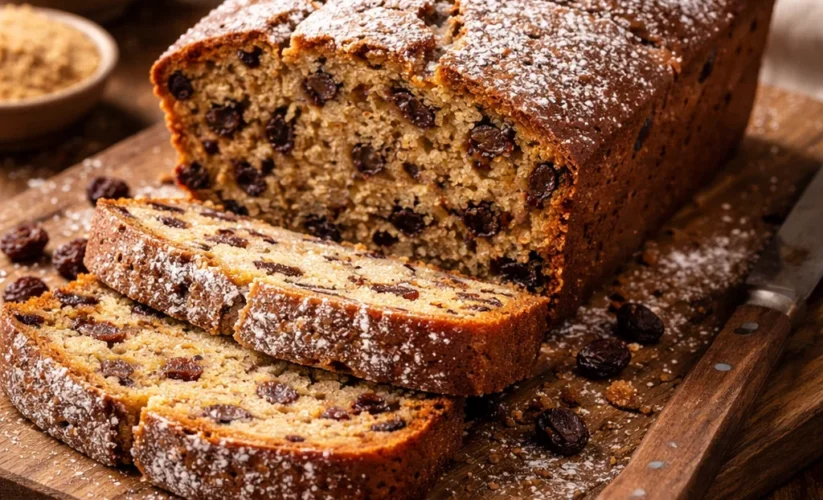
The Poor Man’s Cake Made With Raisins and the 3-Ingredient Desserts collections on this site document that tradition — the recipes that grandmothers made when the pantry was lean and the family still needed something sweet at the end of the meal.
These 1950s and 1960s American recipes are worth preserving for exactly that reason — they prove that good food does not require expensive ingredients or complicated technique. It requires knowing what to do with what you have.
Watch These Recipes Come to Life
Many of the 1950s and 1960s American recipes from this collection are featured on the Vintage Life of USA YouTube channel — where we cover classic American cooking, retro food traditions, and the history behind the dishes that defined mid-century American home cooking. If reading a recipe and watching it made side by side is how you learn best, the channel is worth visiting.
Find Your Next Recipe From This Era
This page covers the major categories of 1950s and 1960s American recipes — but the full collection on this site goes deeper into each one. Every recipe published here has been written by hand, tested in an actual kitchen, and published because it works.
If you have specific ingredients and want to find a recipe that matches this era’s tradition, the Recipe Maker finds matching recipes from the full collection based on what you already have at home. No account needed. No ads. Just old-fashioned recipes that actually work.
Browse everything at the Recipes page or explore by category:
- Sunday Dinners — pot roasts, whole chickens, slow-cooked beef
- Casseroles and One-Pan Meals — weeknight bakes and skillet dinners
- Soups and Stews — everything that simmered low and slow
- Breads and Biscuits — the sides that completed every meal
- Desserts and Cakes — layer cakes, pudding cakes, and everyday sweets
- Pies and Cobblers — the fruit-forward desserts of the era
Frequently Asked Questions
What are the most popular 1950s and 1960s American recipes?
The most common dishes from this era were casseroles (Johnny Marzetti, Tuna Noodle, Green Bean Casserole), Sunday roasts (pot roast, whole roasted chicken), one-pan ground beef meals (Salisbury steak, stuffed peppers, beef and noodle skillet), and simple fruit-based desserts (apple pie, cobblers, pumpkin pie). These 1950s and 1960s American recipes defined the American dinner table for two decades.
Why did casseroles become so popular in 1950s America?
The rise of the casserole in 1950s and 1960s American recipes cooking was driven by practical factors — refrigerators became standard in most homes, which meant food could be prepared ahead and stored safely. Women entering the workforce needed meals that could be assembled before work and baked in the evening. Casseroles answered both needs perfectly, and their appearance at church potlucks and community gatherings reinforced their place in American food culture.
Are 1950s and 1960s American recipes hard to make?
Most are straightforward by design. These recipes were developed for home cooks working in ordinary kitchens with standard equipment. The techniques are basic — browning, braising, baking — and most recipes use ingredients available in any supermarket today. The challenge, if there is one, is patience. Many of the best dishes from this era require time rather than skill.
How do I find 1950s and 1960s American recipes from this era based on ingredients I already have?
Use the Recipe Maker on this site. You enter the ingredients you have and it returns matching recipes from the full collection here — all of them in the tradition of classic mid-century American home cooking.
What ingredients did most 1950s and 1960s American recipes use regularly?
Ground beef, canned tomatoes, cream of mushroom soup, egg noodles, rice, cheddar cheese, potatoes, cabbage, onions, carrots, canned vegetables, butter, flour, and sugar. Nearly every 1950s and 1960s American recipes from this era was built around some combination of these ingredients — which is why they are still practical to cook today.
Conclusion
The 1950s and 1960s American recipes on this page represent something that is harder to find with each passing year — a coherent tradition of cooking built around simplicity, practicality, and the belief that feeding people well is worth doing with care.
These dishes were not invented for food magazines. They were invented for kitchens. For families. For the Tuesday evening when dinner needed to be on the table by six and there was ground beef, a can of tomatoes, and half a bag of egg noodles.
That is still most kitchens on most weeknights. That is exactly what this collection is built for.
Not Sure What to Cook Today?
Open your fridge, pick a few ingredients… and turn them into a real recipe in seconds.
No guessing. No waste. Just simple, nostalgic meals.