Syrup and Bread Sandwich: A Testament to Finding Sweetness in Hard Times
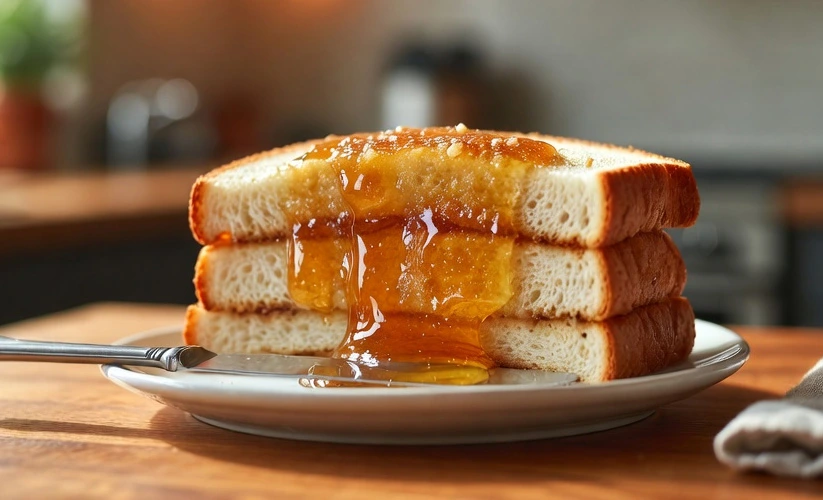
Syrup and Bread Sandwich – A Testament to Finding Sweetness When Nothing Else Remains
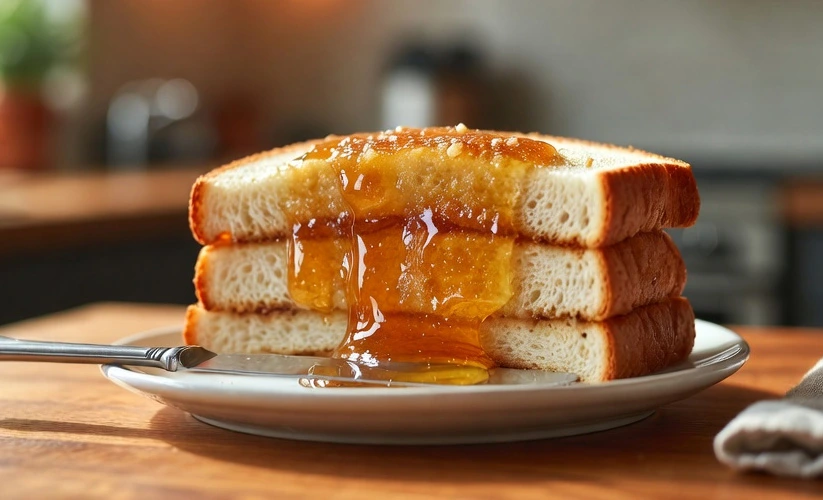
This simple sandwich emerged when sugar was the only sweetness a family could afford and proper desserts were distant memories relegated to better times that seemed increasingly unlikely to return. Children begged for something sweet after supper, their natural cravings for sweetness unchanged by economic circumstances, and mothers obliged by drizzling corn syrup, sorghum, or molasses between slices of bread, creating the only sweet treat available. The thick syrup soaked into the bread just enough to create pockets of sweetness without making it fall apart completely, distributing flavor throughout in a way that made the simple sandwich feel almost indulgent.
Farm families who made their own sorghum syrup considered this a genuine treat, a reward for good behavior or a celebration of the harvest, while city families stretched their corn syrup bottles as far as they could, rationing this precious sweetness across multiple sandwiches and multiple children. It wasn’t cake or pie—those luxuries belonged to a world that seemed to have disappeared—but it satisfied the craving for something sweet during impossibly hard times when such cravings felt almost frivolous yet remained deeply human. This sandwich represents perhaps the most poignant expression of Depression-era deprivation: the reduction of dessert to its most fundamental form, sweetness without elaboration, indulgence without ingredients.
Syrup and Bread Sandwich: Quick Reference
Ingredients You’ll Need
For the Sandwich:
You’ll need 2 slices of white bread or homemade bread, 2-3 tablespoons of corn syrup, sorghum syrup, or molasses, and 1 tablespoon of softened butter (optional). The syrup is the essential component—the bread and butter are supporting players in a sandwich fundamentally about sweetness and indulgence reduced to its simplest form.
Optional Additions:
Some families enjoyed spreading a thin layer of butter on the bread before adding syrup, creating a barrier that prevented excessive soaking while adding richness. Others kept the sandwich pure—just syrup and bread, nothing else. A few modern variations include adding a pinch of cinnamon or other spices to the syrup before spreading, though this represents an enhancement beyond traditional Depression-era preparation where every addition required cost and resources.
Understanding Syrup and Bread Sandwich: History and Heritage
To understand the syrup and bread sandwich is to understand the human need for joy and sweetness even in circumstances designed to deny such things, and how families created moments of happiness within deprivation.
The Sugar and Sweetness Deprivation
Before the Great Depression, sugar and sweetness represented normal, expected components of American diet. Families baked cakes, pies, and cookies regularly. Candy was available, if not always affordable. Desserts were assumed—the natural conclusion to meals. Sweetness was woven into the fabric of American food culture and American childhood.
How to Make Syrup and Bread Sandwich
While this recipe is remarkably simple, specific techniques matter and determine whether your sandwich remains manageable or becomes messy.
Step 1: Lay Out Your Bread
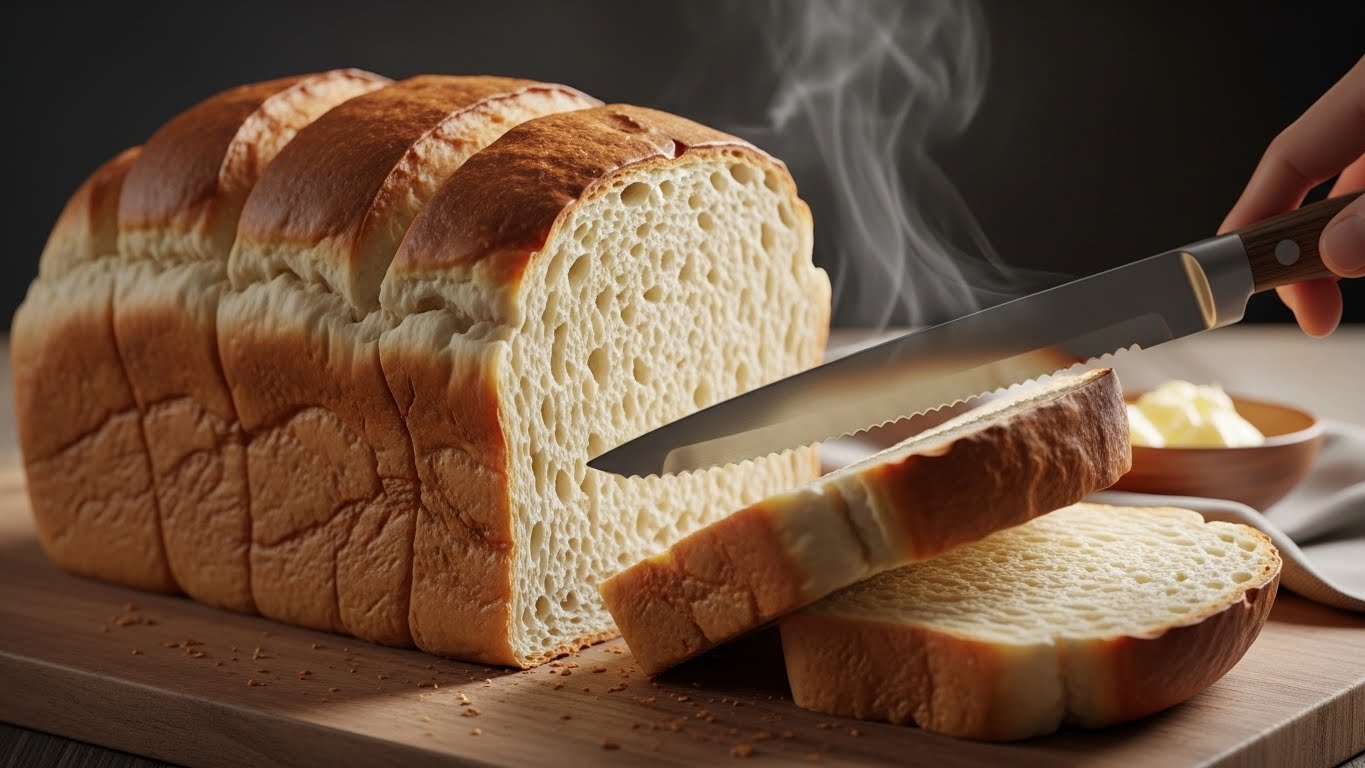
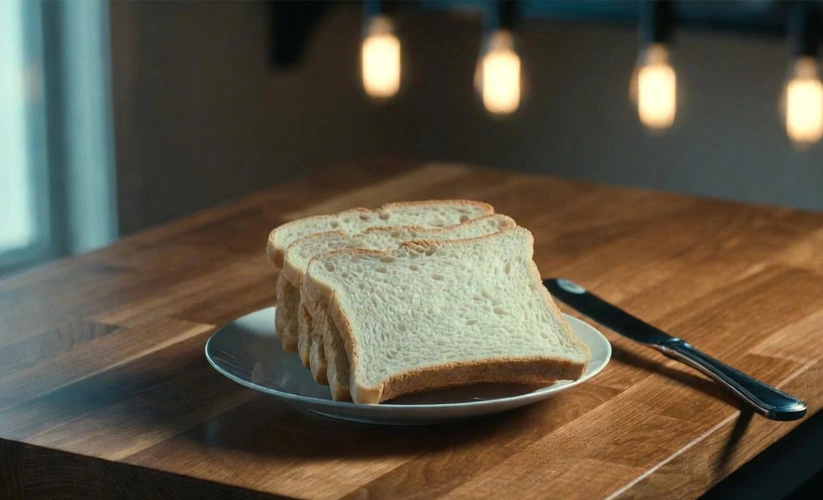
Lay out the two slices of bread on a clean work surface. Use bread you enjoy eating—whether store-bought white bread, whole wheat, or homemade. Fresh bread works better than stale bread, which may crumble when syrup soaks in.
Have a plate or paper ready to work on—syrup is sticky and can drip, so working on a surface you don’t mind getting slightly sticky is wise.
Step 2: Prepare Butter Barrier (Optional)
If using butter, spread a thin layer on one or both slices of bread to create a barrier that prevents excessive soaking. The butter layer helps contain the syrup somewhat, preventing it from soaking through the bread entirely and creating an overly soggy sandwich. This step is optional but recommended if you prefer less sogginess.
The butter layer should be thin—just enough to create a protective barrier, not so much that it competes with the syrup’s sweetness.
Step 3: Drizzle the Syrup
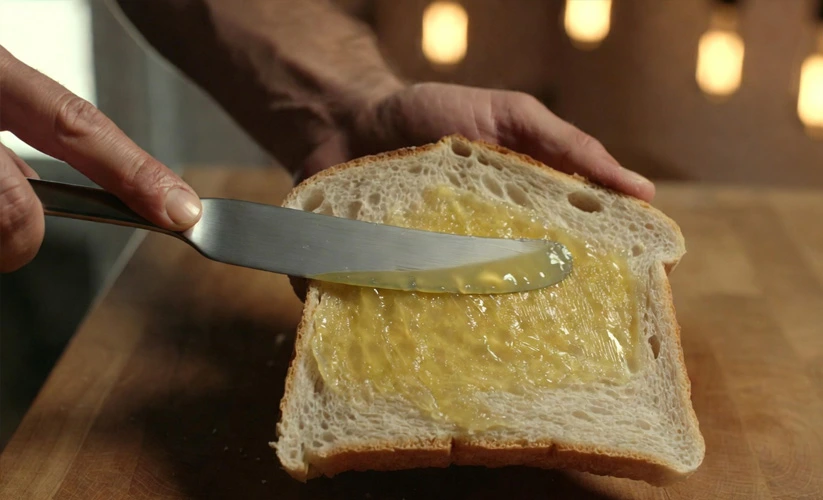
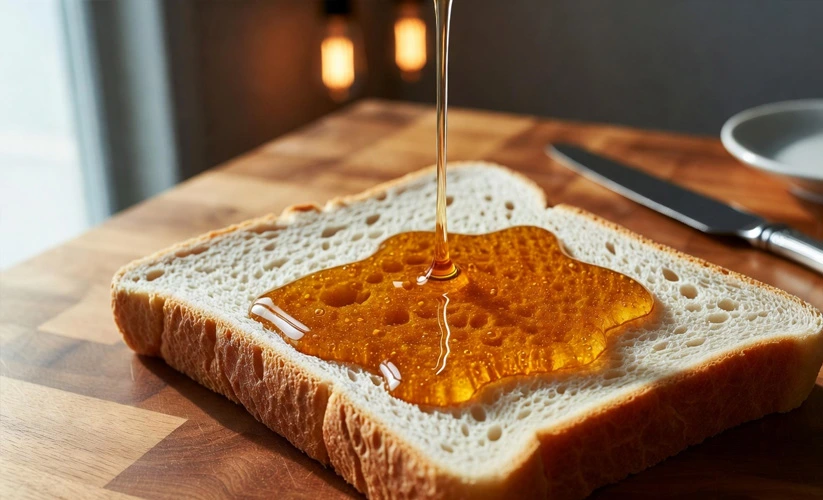
Drizzle the syrup generously over one slice of bread, spreading it gently with the back of a spoon. Try to distribute the syrup evenly across the bread’s surface. The layer should be visible and generous—this is a sweet sandwich, not a subtle one.
Try to keep the syrup away from the very edges of the bread to prevent excessive dripping and spillage. Leave approximately ¼ inch margin from the edges.
Step 4: Allow Soaking Time
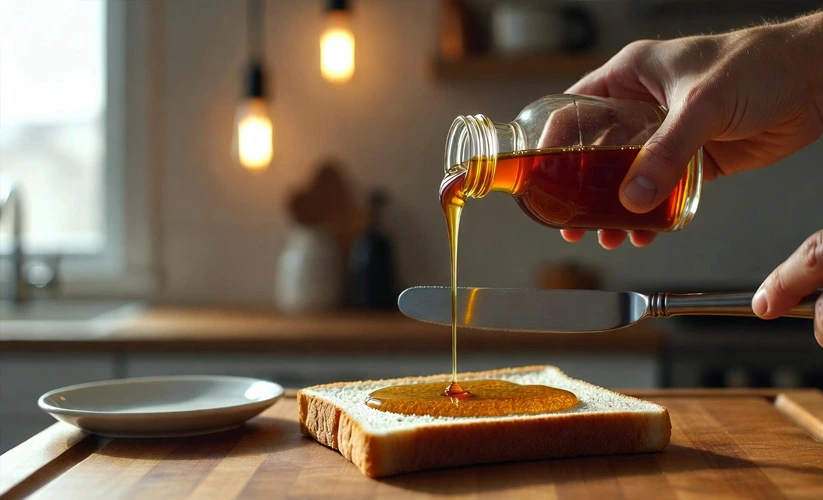
Let the syrup sit for 30 seconds to 1 minute to soak in slightly. This soaking time allows the syrup to distribute into the bread while maintaining enough viscosity that the bread doesn’t become completely soggy and fall apart. Don’t let it sit too long or the bread will become excessively soft.
Watch the syrup as it soaks—you’ll see it gradually being absorbed into the bread.
Step 5: Close the Sandwich
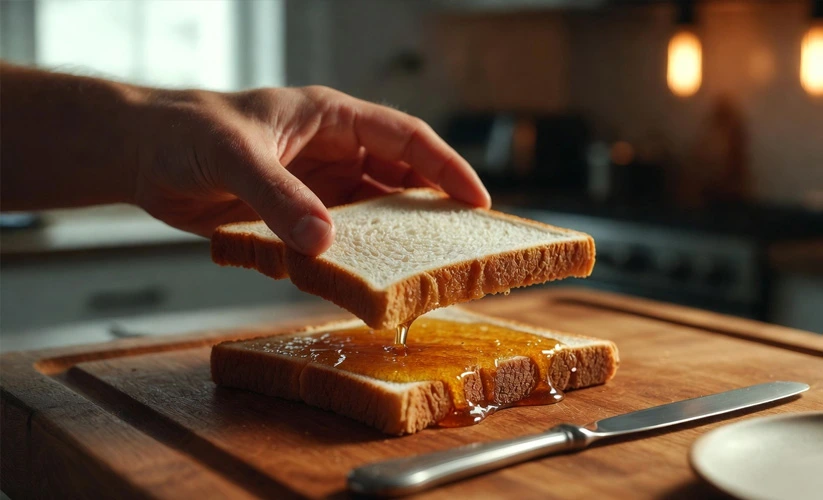
Place the second slice of bread on top to form a sandwich. Position the plain bread slice on top of the syrup-soaked slice.
Step 6: Press Very Gently
Press down very gently—too much pressure will squeeze the syrup out the sides, creating mess. You’re simply bonding the slices together, not compressing the filling. Gentle pressure ensures the sandwich holds as a unified unit without forcing syrup out.
Step 7: Cut Carefully
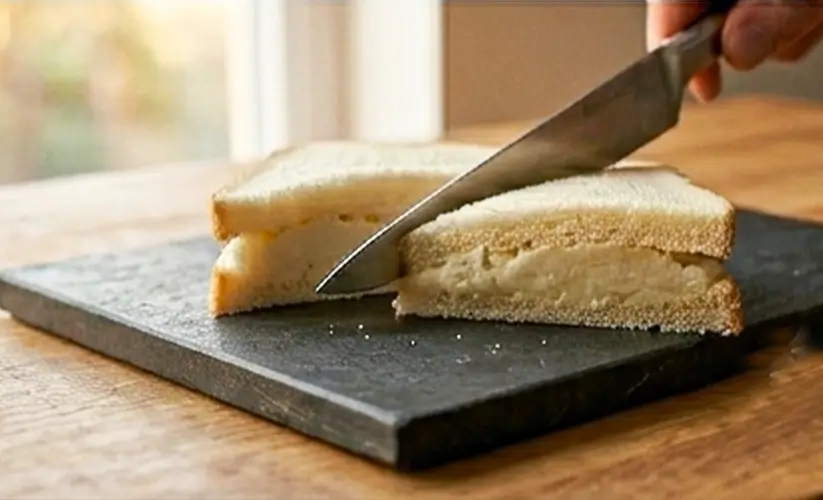
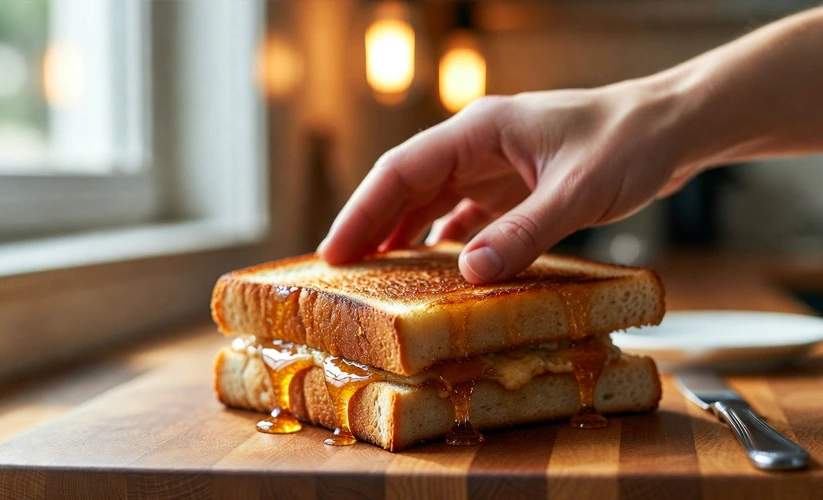
Cut diagonally in half if desired, working carefully to avoid syrup spillage. Use a sharp knife and cut with deliberate, single strokes rather than sawing motions. The diagonal cut makes the sandwich easier to handle but requires careful technique to avoid squishing out filling.
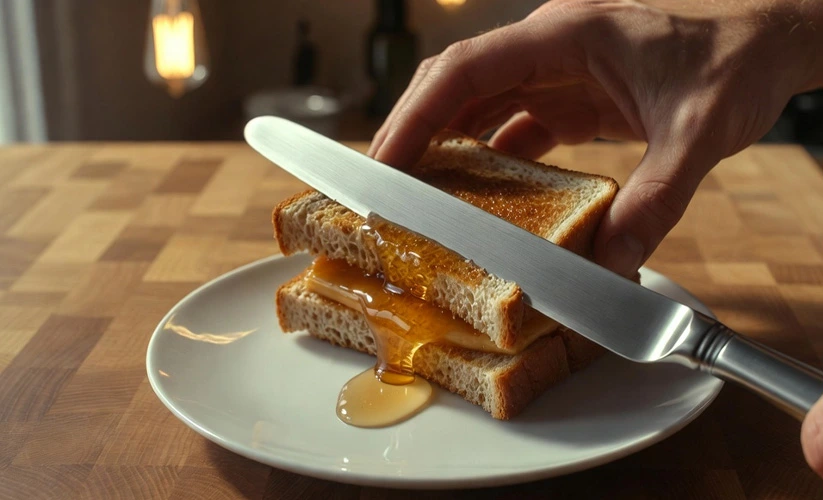
If you’re concerned about mess, you can leave the sandwich whole and eat it more carefully.
Step 8: Serve Immediately
Serve immediately on a plate to catch any drips. Have napkins available—syrup is sticky and will create mess. The sandwich should be eaten right away while it’s still somewhat manageable.
Work over a plate or have napkins ready. This isn’t a refined eating experience—it’s a sweet, sticky, genuinely messy sandwich that requires acceptance of your hands and face getting somewhat sticky.
Pro Tips for Perfect Syrup and Bread Sandwich
Don’t Use Too Much Syrup
While you want generous sweetness, excessive syrup creates overly soggy sandwich that falls apart when you try to eat it. Two to three tablespoons is adequate—enough for clear sweetness but not so much that the bread becomes completely saturated.
Timing Is Essential
Let the syrup soak just enough to flavor the bread but not so long that the bread becomes soggy and falls apart. The window is approximately 30 seconds to 1 minute. Too short and the bread tastes plain; too long and it becomes inedible mush.
Use Quality Syrup
The syrup is the star of this sandwich. Choose quality syrup you enjoy eating. Real sorghum syrup provides better flavor than corn syrup, though both work. Avoid syrups with additives or artificial flavoring.
Butter Layer Helps
If available, the butter layer creates barrier that prevents excessive soaking while adding richness. This optional step significantly improves eating experience by keeping the sandwich more manageable.
Have Napkins Ready
Syrup is sticky and will create mess. Have napkins available before you start eating. Accept that your hands and possibly your face will get sticky. This isn’t refined eating—it’s indulgent eating.
Work Over a Plate
Syrup drips. Working over a plate catches drips and prevents mess. This simple precaution saves frustration and keeps your work surface relatively clean.
Eat Immediately
The sandwich must be eaten immediately. Syrup will continue soaking into bread, making it increasingly soggy and messy. Don’t attempt to save this sandwich for later—it won’t work.
Choose Fresh Bread
Fresh bread absorbs syrup more pleasantly than stale bread, which may crumble or tear. If your bread is stale, fresh bread from a bakery is worth the small investment for superior eating experience.
Easy Variations to Try
With Spices
Add cinnamon, nutmeg, or other warm spices to the syrup before spreading. Spices add complexity and warmth that complements syrup’s sweetness. Mix spices into syrup thoroughly for even distribution.
With Salt Contrast
Add tiny pinch of salt to the syrup before spreading. Salt heightens sweetness perception and creates flavor complexity. This variation represents modern understanding of flavor balance applied to historical recipe.
Multiple Syrup Types
Combine different syrups for more complex flavor. Half corn syrup and half sorghum, for example, creates interesting middle ground between bright corn syrup sweetness and sorghum’s deeper notes.
With Butter Richness
Add more butter or even a thin layer of soft butter on top of syrup before closing the sandwich. Additional butter adds richness and indulgence, representing slight elevation of the basic recipe.
With Crispy Bread
Toast the bread lightly before assembling the sandwich. The slight toasting adds texture contrast and makes the bread slightly more resistant to soaking, improving overall eating experience.
Warm Syrup
Slightly warm the syrup before spreading (don’t make it hot, just warm) to make it more fluid and easier to distribute. Warm syrup also feels more indulgent when eating.
With Preserves
Mix jam or preserves with the syrup before spreading, creating more complex sweetness with fruit flavor. This represents slight elaboration beyond basic recipe.
With Cinnamon Sugar
Sprinkle cinnamon sugar on the syrup after spreading but before closing the sandwich. The sugar and spice add texture and additional flavor dimension.
Frequently Asked Questions
Is syrup and bread a real sandwich?
Yes, absolutely. Syrup and bread sandwiches appear throughout Depression-era reminiscences, oral histories, and family records. They were common childhood treats—the only sweet available to many families. They represent legitimate historical food with genuine cultural and emotional significance.
Why did people eat syrup and bread?
People ate syrup and bread because it was the only sweetness available to families during the Depression. Children craved sweets (a natural human preference), and parents provided what they could within severe economic constraints. The sandwich represented love and care expressed through available means.
Can you eat syrup on plain bread?
Yes, exactly. That’s the entire sandwich—syrup spread on bread. It’s simple, direct, and genuinely satisfying to those craving sweetness. The simplicity is part of its appeal and its historical significance.
What kind of syrup is best for bread?
Corn syrup, sorghum syrup, and molasses all work well. Corn syrup provides clean, bright sweetness. Sorghum syrup carries deeper flavor with slight molasses notes. Molasses provides complex, darker sweetness. Personal preference determines which works best for you. Historically, families used whatever syrup they could access or afford.
Did children really eat these?
Yes, extensively. Syrup and bread sandwiches were common children’s treats during the Depression. Parents made them to satisfy children’s natural craving for sweets within economic constraints. Children ate them without shame, understanding this was simply what their families could provide.
How messy is this to eat?
Very messy. Syrup is sticky, drips, and will get on your hands and possibly your face. Have napkins available. This isn’t refined eating—it’s indulgent, sticky, genuinely messy eating. Accept the mess as part of the experience.
Can I make this ahead?
No, this sandwich must be eaten immediately after assembly. Syrup will continue soaking into bread, making it increasingly soggy and messy. The brief window between assembly and eating is essential. Don’t attempt to save these—make only what you’ll eat right away.
Is this nutritious?
The sandwich provides carbohydrates from bread and concentrated sugars from syrup. It’s not nutrient-dense by modern standards but provides calories and quick energy. It shouldn’t be a dietary staple but represents perfectly acceptable occasional treat.
What should I drink with this?
Water, milk, or coffee all work well. Milk complements the sweetness beautifully, providing cool refreshment. Coffee provides slight bitterness that balances sweetness. The beverage choice is less important than enjoying the sandwich mindfully.
Why is this significant historically?
The syrup and bread sandwich represents Depression-era deprivation and resourcefulness. It’s how families maintained childhood joy despite economic collapse. The sandwich symbolizes finding moments of indulgence and happiness within impossible circumstances—a profoundly human and moving aspect of Depression-era survival.
Conclusion
This classic syrup and bread sandwich delivers genuine Depression-era authenticity—a food that satisfied children’s craving for sweetness when nothing else remained, demonstrating how families created moments of happiness within severe deprivation. The combination of simple bread with concentrated sweetness creates indulgence reduced to its most fundamental form. Whether you’re seeking authentic historical food experience, wanting to understand Depression-era resourcefulness and parental love, or simply craving something genuinely sweet and easy, syrup and bread sandwich delivers memorable results.
Ready to experience this poignant aspect of American food history? Gather simple ingredients and prepare this treasured sandwich. In just three minutes, you’ll have a sweet treat that tastes like history, resilience, and the profound human need for joy—a direct connection to generations of families who faced unimaginable hardship yet persisted, creating moments of happiness and indulgence from the simplest ingredients and teaching us that sweetness, like hope, can be found even in the darkest times.
Related Recipes and Resources
Explore more beloved vintage comfort foods that celebrate simplicity and resilience. Don’t miss our recipe for Beef and Vegetable Stew, a hearty Depression-era favorite that transformed affordable ingredients into genuinely nourishing meals. For another warming stew perfect for hungry families, our Beef Stew Recipe showcases how vintage cooks created satisfying, substantial meals from basic pantry staples.
For video explorations of vintage American cooking and the stories behind these beloved recipes, visit Vintage Life of USA on YouTube, where food traditions come to life through cooking demonstrations and historical context that brings these cherished recipes and the resourcefulness they represent into your modern kitchen.